Attractions and Places To See around Occagnes - Top 19
Best attractions and places to see around Occagnes, a commune in the Orne department of the Normandy region, serve as a gateway to various notable sites. While Occagnes itself is a small locality, its vicinity offers a range of landmarks, natural features, and cultural attractions. Visitors can explore historical sites, castles, and natural viewpoints within a short distance. The area provides diverse opportunities for exploration beyond the immediate commune.
Best attractions and places to see around Occagnes
- The most popular…
Last updated: October 9, 2026
Saint-Roch Chapel
Highlight • Religious Site
Translated by Google •
Tip by

Saint-Germain Church
Highlight • Other
Translated by Google •
Tip by

Sign up now to discover places like this
Get recommendations on the best single tracks, peaks, & plenty of other exciting outdoor places.
Camp Celtique de Bierre
Highlight • Historical Site
Translated by Google •
Tip by
Château des Ducs
Highlight • Castle
Translated by Google •
Tip by
Cuy Castle
Highlight • Castle
Translated by Google •
Tip by
Sign up for free to discover even more attractions around Occagnes.
Already have an account?
Start today with a free account
Your next adventure awaits.


Tips from the Community

The Church of Saint-Germain is an impressive church that was built from the 14th to the 17th century and features a mix of Gothic, Renaissance and classical architecture. You can admire the majestic north porch, the lantern tower, the large bell tower and the 15 chapels inside. The church also houses the remains of Blessed Marguerite de Lorraine-Vaudémont, a benefactress of Argentan. The church is open to the public all year round and hosts many concerts, including organ concerts during the International Organ Festival in summer.
3
0
The Château des Ducs is a 14th century castle that was once the residence of Pierre II de Valois, a descendant of Saint Louis. The castle is today the seat of the court of justice, but you can still admire its architecture and its chapel, which houses a magnificent altarpiece from the 18th century.
2
0
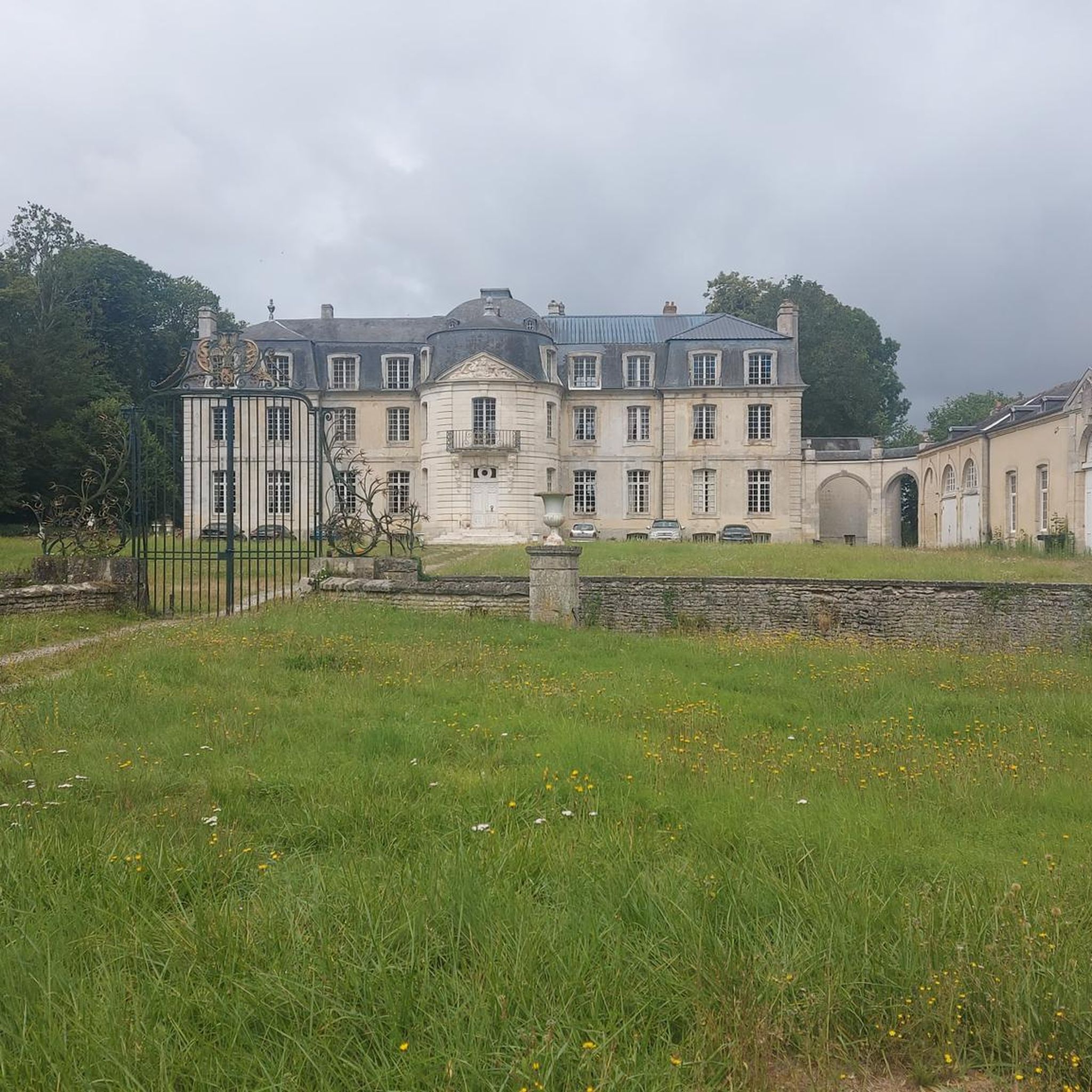
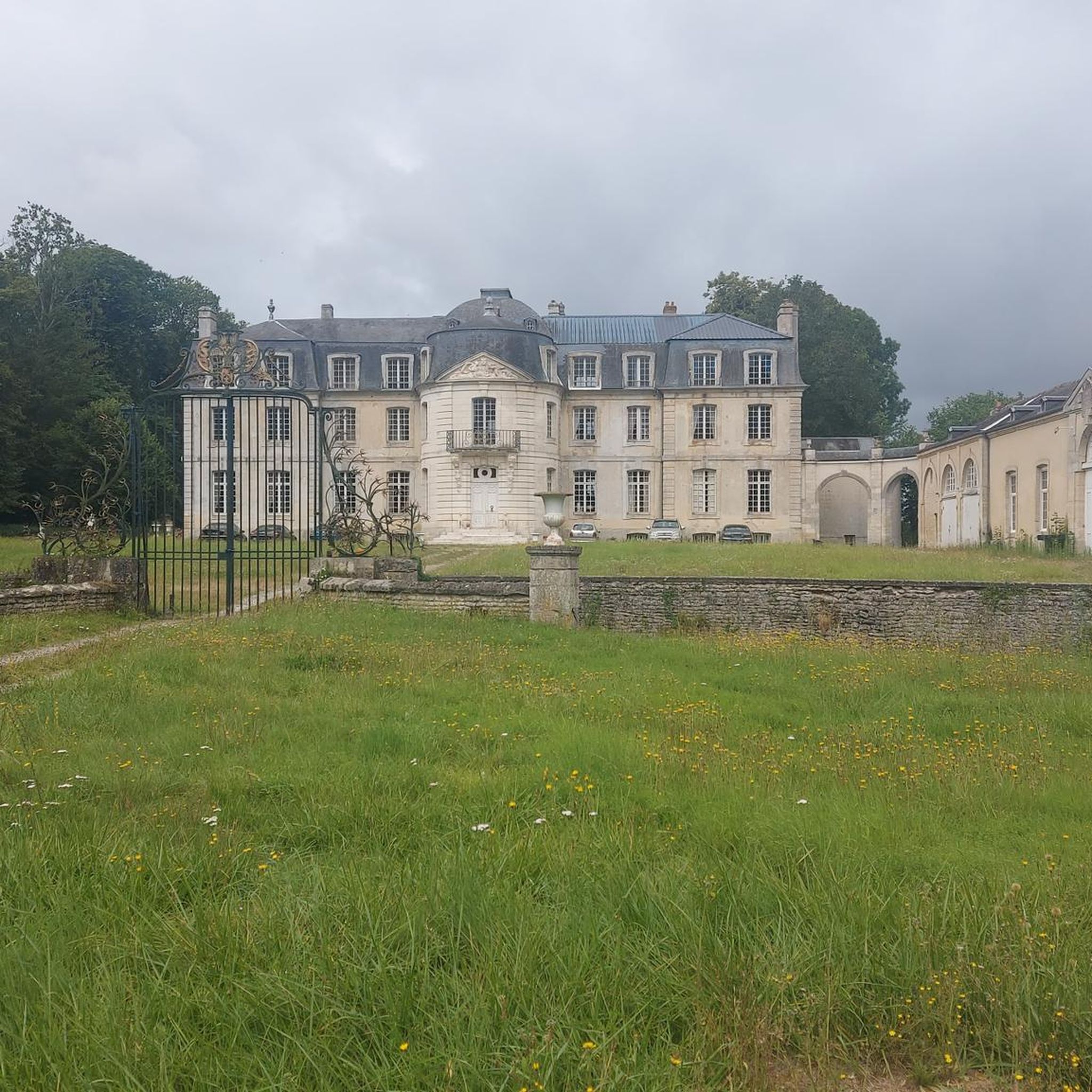
The Château de Cuy in Occagnes is a 17th century castle with classic architecture. Its elegant facades, roofs and entrance doors are classified as historic monuments. You can admire the castle from the outside, but the interior is not open to the public as it is private property.
3
0

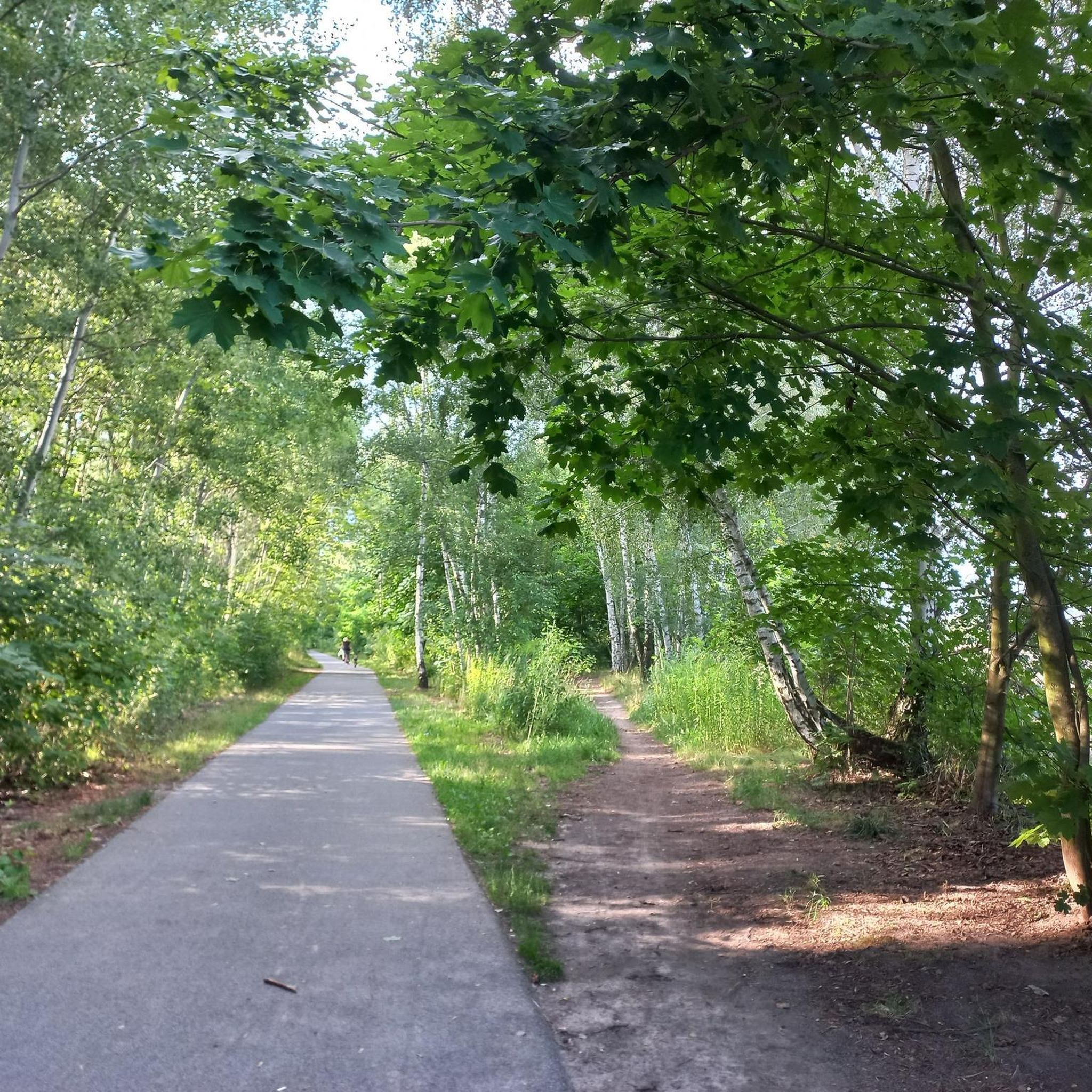
At this point, the hiking trail leads back seven or eight millennia into the history of the European continent and its settlement. The people of that era were able to build amazing buildings using only the work of their hands - and with (from today's perspective) seemingly primitive tools. So this ring wall - partly brick, partly made of stones - that protectively surrounded the "Camp Celtique de Bierre".
3
0
Saint Roch (Saint-ROCH), to whom this chapel is dedicated as patron, was born in Montpellier, France, in the middle of the 14th century. He is popularly considered – along with Saint Sebastian – to be the “plague saint”. What is characteristic of the depiction of Rochus in paintings and as statues is that he usually points to a plague boil on his leg; A dog can often be seen at his feet, because according to legend, when he was caring for plague patients, he himself fell ill with it and retreated into solitude, providing him with bread every day. Saint-ROCH's memorial day in the calendar of saints is August 16th.
0
0

Centrally located, right next to the Office de Tourisme.
0
0
This fortified site was built in the Middle Neolithic (5300-4400 BC), when agricultural practices were beginning to take hold. The camp is one of the largest in western France.
4
0
Frequently Asked Questions
What historical sites can I explore near Occagnes?
The area around Occagnes is rich in history. You can visit the Camp Celtique de Bierre, a fortified site dating back to the Middle Neolithic period, which is one of the largest of its kind in western France. Additionally, the town of Falaise, about 16 km away, is known for its impressive castle and other significant monuments.
Are there any castles to visit in the Occagnes area?
Yes, there are several notable castles. You can admire Cuy Castle, a 17th-century castle with classic architecture, though its interior is private. Another significant site is Château des Ducs, a 14th-century castle that was once a residence of Pierre II de Valois. Further afield, the 17th-century Château de Flers offers a park, artificial lake, and a museum.
Where can I find natural viewpoints or scenic spots around Occagnes?
For stunning natural views, visit La Roche d'Oëtre, a natural belvedere overlooking the Rouvre gorges. You can learn more about the local flora and fauna at the Pavillon de la Roche d'Oëtre or the Maison de la Rivière et du Paysage. The Étang de la Lande Forêt, located within the Grais departmental forest, also offers an interpretive walking trail and picnic areas.
What outdoor activities, like hiking or cycling, are available near Occagnes?
The region offers various outdoor activities. For hiking, you can explore trails like the "Sentier du camp celtique de Bierre" or other routes around the Camp Celtique de Bierre. Cyclists can find numerous routes, including road cycling options like "Argentan and the Châteaux of the Or" or gravel biking trails such as "Marguerite Tower – Camp Celtique de Bierre loop from Argentan." You can find more details on road cycling, hiking, and gravel biking routes in the area.
Are there family-friendly attractions or activities in the region?
Yes, the Château des Ducs is categorized as family-friendly. Additionally, the Étang de la Lande Forêt provides a secure route, an interpretive walking trail, and picnic tables, making it suitable for family outings. Many of the easy hiking trails around the Camp Celtique de Bierre are also suitable for families.
What are some notable religious sites near Occagnes?
You can visit the Saint-Roch Chapel, dedicated to Saint Roch, known as the patron saint of plague victims. In Argentan, the Saint-Germain Church is an impressive structure built between the 14th and 17th centuries, featuring Gothic, Renaissance, and classical architecture. Sées, about 26 km southeast, is also known for its significant cathedral.
What makes the Camp Celtique de Bierre significant?
The Camp Celtique de Bierre is a historically significant fortified site dating back to the Middle Neolithic period (5300-4400 BC). It is one of the largest of its kind in western France and provides insight into early agricultural practices in the region. Visitors can explore the ring wall, which was built using the hands and tools of people from that era.
Is there a place to experience equestrian culture nearby?
Absolutely. Haras du Pin, located about 16 km east of Occagnes, is recognized as the oldest national horse training center. It's a significant site for those interested in equestrian history and culture.
What towns near Occagnes offer additional cultural experiences or markets?
Argentan, just 5 km from Occagnes, hosts markets on Tuesdays and Fridays and has several sites of interest despite wartime damage. Falaise, about 16 km away, is known for its castle and holds a market on Saturdays. Sées, roughly 26 km southeast, also has a market on Saturdays and is home to a major cathedral.
What do visitors particularly appreciate about the attractions near Occagnes?
Visitors appreciate the rich historical context, especially at sites like the Camp Celtique de Bierre, which takes them back millennia. The architectural beauty of castles like Cuy Castle and Château des Ducs is also highly valued. The natural beauty of viewpoints like La Roche d'Oëtre and the peaceful setting of the Étang de la Lande Forêt are also popular among visitors.
Are there any places with water features like ponds or lakes for recreation?
Yes, the Étang de la Lande Forêt is a notable pond located within the Grais departmental forest. It's accessible via a secure route and features an interpretive walking trail, wooden decks, and picnic tables, offering a pleasant spot for relaxation and light recreation.
Most popular routes around Occagnes

Get inspired with the komoot mobile app


Explore more
Still not found the Highlight you’re looking for? See guides of the top attractions in other regions:
