Attractions and Places To See around Caouënnec-Lanvézéac - Top 20
Best attractions and places to see around Caouënnec-Lanvézéac include a blend of historical religious sites, ancient manors, and natural landscapes. The commune is situated in Brittany, France, characterized by picturesque hiking trails that traverse forests and hills. It lies on the northern edge of the Plouaret granitic massif and is drained by the Guindy river. The area offers a variety of cultural and natural points of interest for visitors.
Best attractions and places to see around Caouënnec-Lanvézéac
- The most popular…
Last updated: October 10, 2026
Nantouar Lighthouse
Highlight • Viewpoint
Translated by Google •
Tip by

Lannion
Highlight • Settlement
Translated by Google •
Tip by

Sign up now to discover places like this
Get recommendations on the best single tracks, peaks, & plenty of other exciting outdoor places.
Tonquédec Castle
Highlight • Castle
Translated by Google •
Tip by

Le Léguer, Lannion
Highlight • River
Translated by Google •
Tip by

Saint-Jean-du-Baly Church
Highlight • Religious Site
Translated by Google •
Tip by

Sign up for free to discover even more attractions around Caouënnec-Lanvézéac.
Already have an account?
Start today with a free account
Your next adventure awaits.

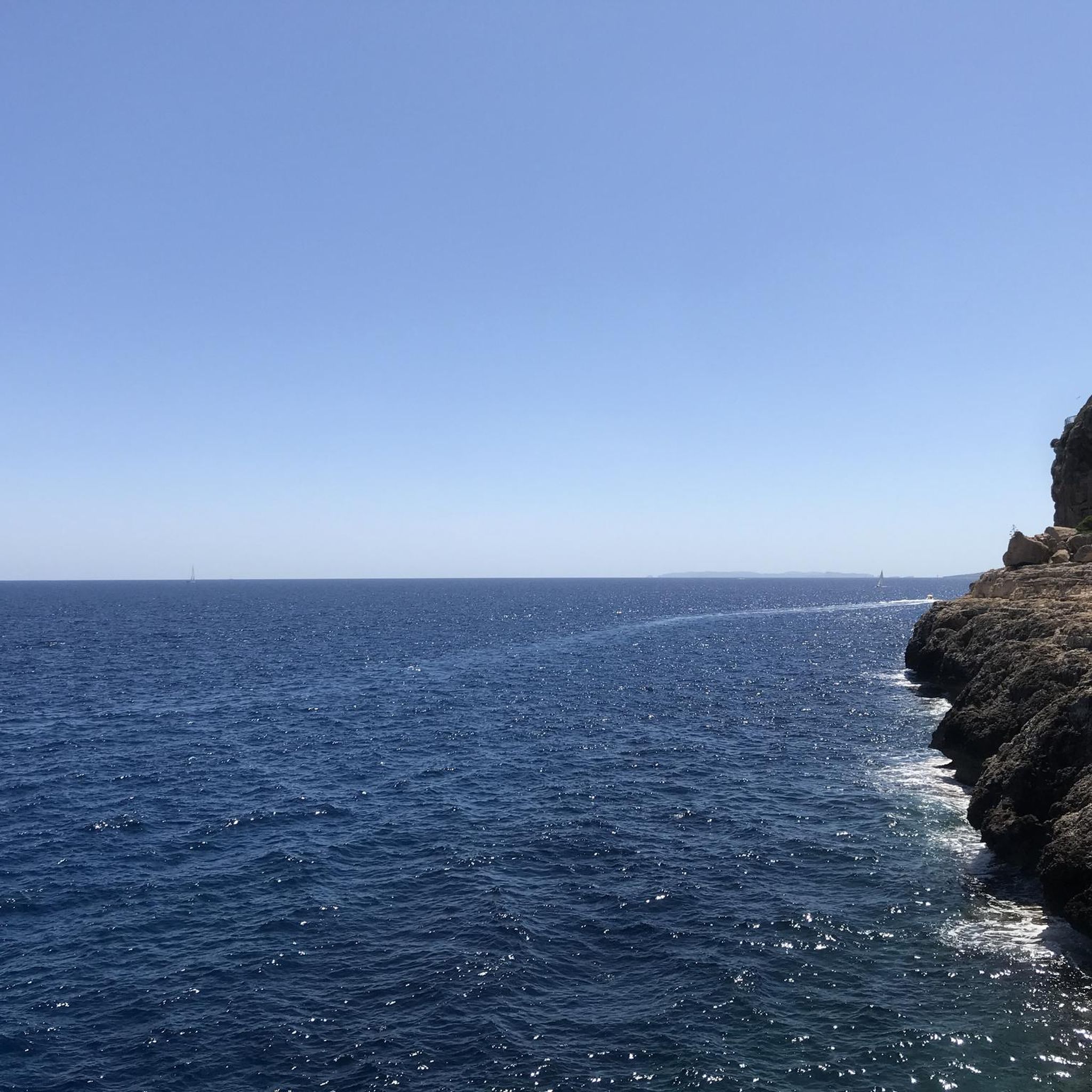
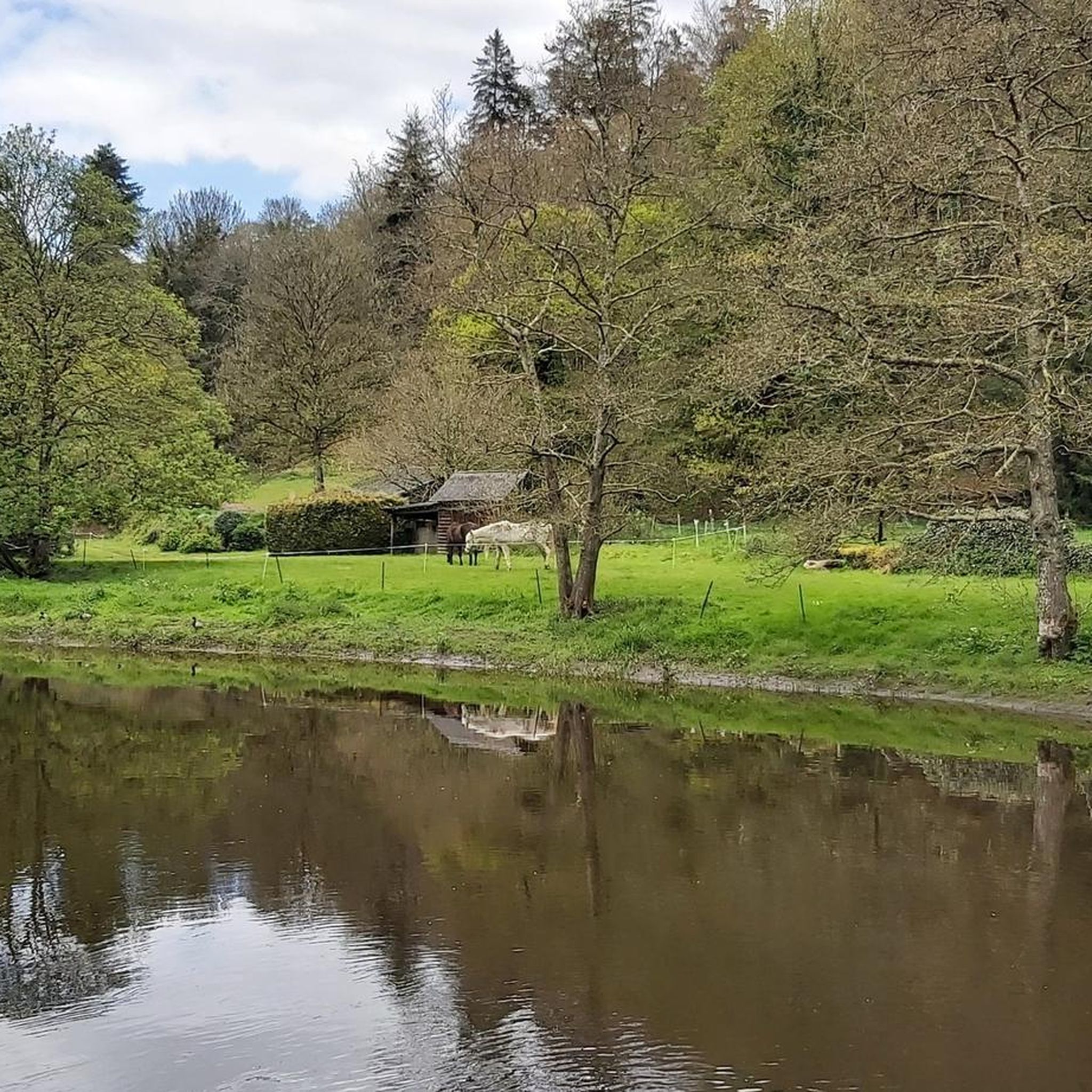

Tips from the Community

Enjoy a short break at the lighthouse before tackling the climb back up.
0
0

The Nantouar Lighthouse is a beautiful and picturesque lighthouse located in the commune of Louannec in the Brittany region of France. Built in 1858, the 73-foot-tall lighthouse is a French national monument. Its lighthouse keepers used it to guide ships to safety, away from dangerous rocks and reefs. From the top of the lighthouse, visitors can enjoy breathtaking views of the surrounding landscape and the bay. The nearby harbor is a great place to enjoy a variety of water sports or simply relax by the sea. Tourists can explore the many surrounding islands and discover a unique habitat for wildlife. The area's main beach, located next to the lighthouse, is a great place for a stroll and to breathe in the salty sea air. Not far away, you can visit the fascinating Ploumanac'h National Nature Reserve, known for its dramatic marine scenery and amazing seabirds. For a truly immersive experience, take part in The Great Route, a 12-km circular hiking trail. The spectacular coastal path allows you to explore the local coastline and offers ample opportunity to enjoy the breathtaking scenery. Although not necessarily the most active tourist destination, the Phare de Nantouar is still well worth a visit for its beauty and history.
1
0


A medieval fortress originally built in the 12th century and reconstructed multiple times throughout its turbulent history. The castle was demolished in 1395 by the Duke of Brittany due to its owner's rebellion, then rebuilt in 1406, and partially dismantled again in 1626 on Richelieu's orders after another conspiracy. The fortress features impressive defensive architecture including a barbican, gatehouse with 6-8 meter thick walls, and two major towers - the Tour de Rougé and Tour d'Acigné - both over 20 meters high.
2
0
Originally built in the 14th century with subsequent modifications during the 15th and 16th centuries. The building has been recognized as a historic monument since 1907, highlighting its architectural and cultural significance. The church houses a 17th-century pulpit that is also classified as a historic monument object.
1
0


Frequently Asked Questions
What historical sites can I explore in Caouënnec-Lanvézéac?
The region is rich in history. You can visit the impressive Tonquédec Castle, a medieval fortress dominating the Léguer river. The town of Lannion also offers historical streets with half-timbered houses and a 12th-century church. Additionally, the area features ancient manors like Runodenn and du Rohou, and historical markers such as the 17th-century calvary in Lanvézéac cemetery.
Are there any notable religious buildings in the area?
Yes, Caouënnec-Lanvézéac is home to several historical religious buildings. These include the old Saint-Ezéchiel church of Lanvézéac (16th-18th centuries), the Notre-Dame de Caouënnec church (built 1865 with a 1760 tower), and the ancient chapel of Coateloury. You can also visit the Saint-Jean-du-Baly Church, which features elements from the early 16th and 17th centuries.
What kind of natural landscapes can I expect to see?
The commune is characterized by picturesque hiking trails that wind through lush forests and green hills. It lies on the northern edge of the Plouaret granitic massif and is drained by the Guindy river. You can also experience sections of the wild Breton coast, offering a diverse natural environment.
Where can I find scenic viewpoints or coastal areas?
For scenic views, the top of the Brélévenez stairs in Lannion offers a breathtaking panorama of the town. The Nantouar Lighthouse in Louannec provides a quaint coastal viewpoint on the harbor of Perros-Guirec. While Caouënnec-Lanvézéac itself is inland, it's close to the wild Breton coast and wider attractions like Trestraou beach and the stunning Côte de Granit Rose.
Are there family-friendly activities or attractions?
Many attractions in the area are suitable for families. Exploring the historical streets of Lannion, visiting the Tonquédec Castle, or enjoying the views from Nantouar Lighthouse can be enjoyable for all ages. The region also offers popular trails routes that are often suitable for family outings.
What outdoor activities can I do near these attractions?
The area around Caouënnec-Lanvézéac is excellent for outdoor activities. You can find numerous road cycling routes, such as the 'Tonquédec – Saint-Pierre Church loop from Caouënnec-Lanvézéac', which is an easy 27 km ride. For mountain biking, explore trails like the 'Mountain Bike Trail – Tonquédec loop'. There are also general cycling routes, including the 'Tonquédec to Pluzunet Bike Loop'. You can find more details on these routes in the Road Cycling Routes, MTB Trails, and Cycling guides.
Are there hiking trails near these attractions?
Yes, Caouënnec-Lanvézéac is known for its picturesque hiking trails that traverse lush forests and green hills. While specific hiking routes are not detailed in the provided data, the natural features of the commune, including the Guindy river and Paleozoic quartzite banks, suggest a variety of walking opportunities. Many of the cycling routes mentioned above can also be adapted for walking or provide access to scenic areas.
What do visitors enjoy most about Caouënnec-Lanvézéac?
Visitors particularly appreciate the blend of historical richness and natural beauty. The charm of Lannion with its old half-timbered houses and panoramic views is a highlight. The historical significance and strategic position of Tonquédec Castle also draw many. The overall appeal lies in the opportunity to explore ancient sites amidst a beautiful Breton landscape.
What is the best time to visit Caouënnec-Lanvézéac for outdoor activities?
While specific seasonal recommendations are not provided, the region's lush forests, green hills, and coastal proximity suggest that spring, summer, and early autumn would be ideal for outdoor activities like hiking and cycling. These seasons generally offer pleasant weather for exploring historical sites and natural landscapes.
Are there any hidden gems or less-known spots to discover?
Beyond the main attractions, the commune holds several less-known historical points. These include the remains of a fortified enclosure known as Castel-an-Oliphanten, and the cross of the presbytery dating from 1680. The Fountains and Enclosures Longuivy-lès-Lannion, with its 15th-century church and 16th-century granite fountain, offers a peaceful and historically rich passage.
Most popular routes around Caouënnec-Lanvézéac

Get inspired with the komoot mobile app


Explore more
Still not found the Highlight you’re looking for? See guides of the top attractions in other regions:
