Top 7 Natural Monuments around Plouescat
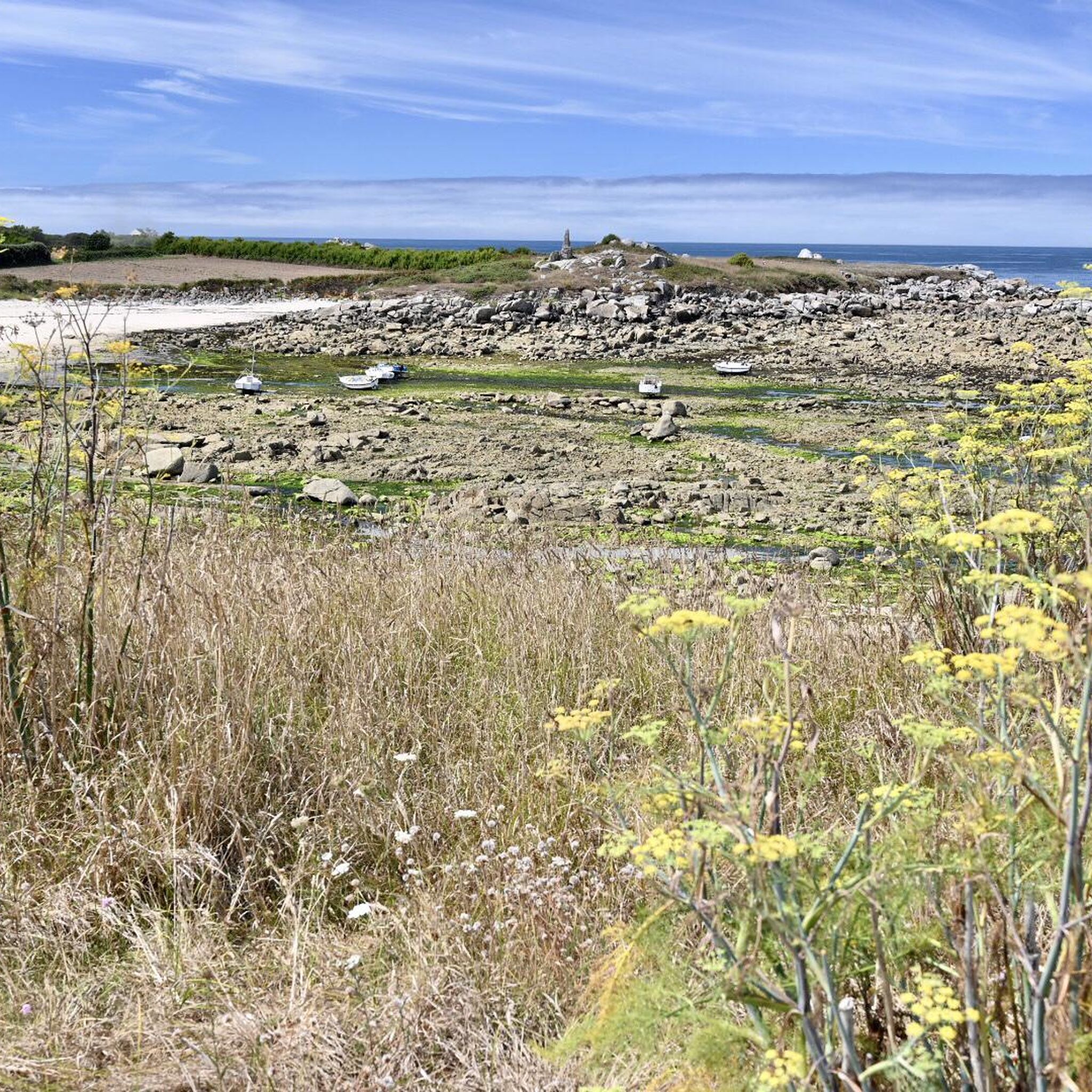
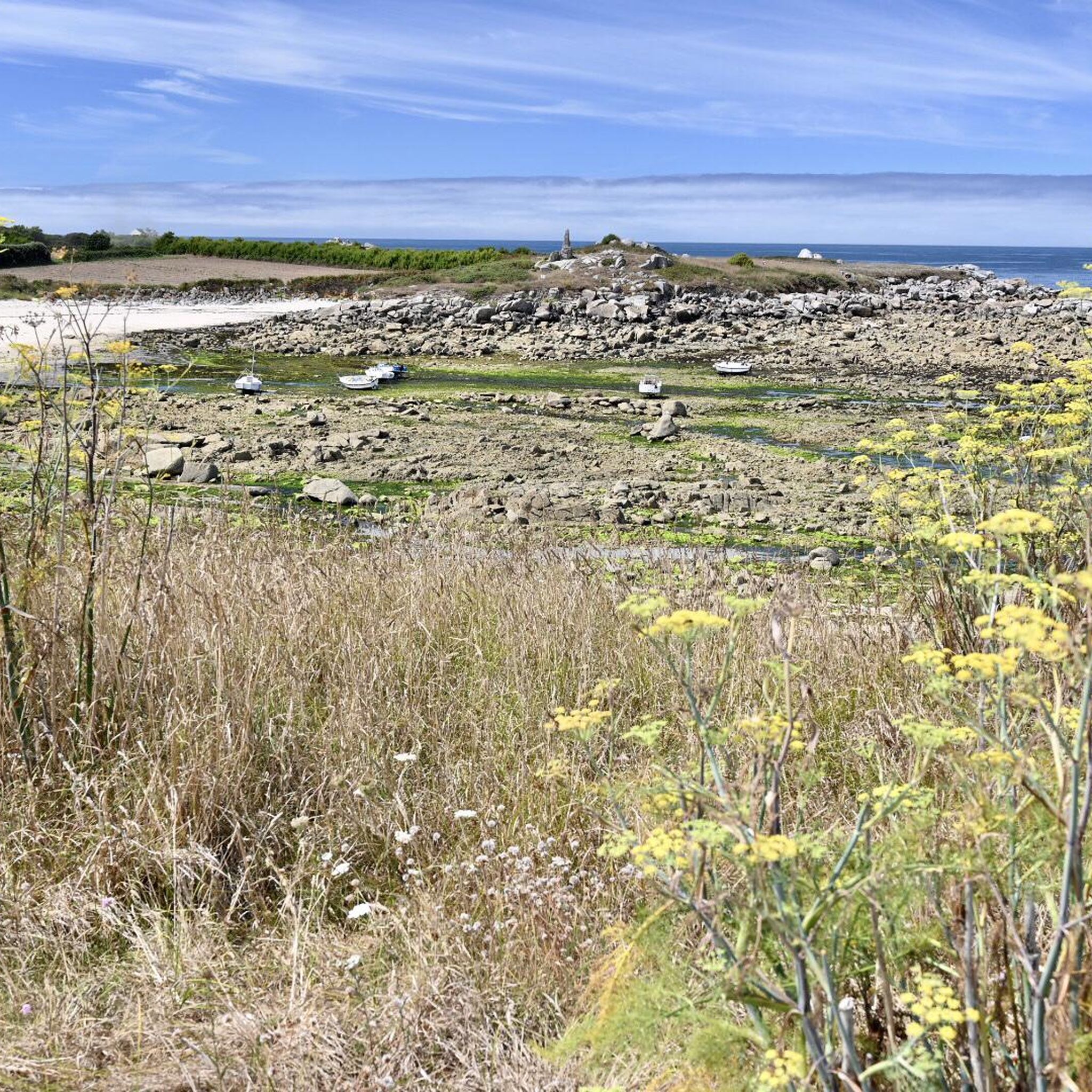
Natural monuments around Plouescat are characterized by diverse coastal landscapes and impressive geological formations along Brittany's "Côte des Sables." The region's coastline features fine sandy beaches, sheltered coves, and remarkable granite rock formations. These natural features offer significant ecological sites and opportunities for outdoor exploration. Plouescat provides a varied natural environment for visitors to discover.
Best natural monuments around Plouescat
- The most popular natural monuments is Menhir of Cam-Luis, a natural monument that measures almost 7 meters high. This…
Last updated: June 26, 2026
Menhir of Men Marz
Highlight • Natural Monument
Translated by Google •
Tip by

Ele Monument
Highlight • Monument
Translated by Google •
Tip by
Sign up now to discover places like this
Get recommendations on the best single tracks, peaks, & plenty of other exciting outdoor places.
Sign up for free
Menhir of Cam-Luis
Highlight • Monument
Legend has it that it …
Translated by Google •
Tip by

Dachshund Rock at Crémiou
Highlight • Natural Monument
Translated by Google •
Tip by
La Roche Tremblante – Roc'h Men Goubars
Highlight • Natural Monument
Translated by Google •
Tip by

Sign up for free to discover even more natural monuments around Plouescat.
Sign up for free
Already have an account?
Start today with a free account
Your next adventure awaits.
Login or Signup
Other adventures around Plouescat

Tips from the Community

There are plenty of stones here. Some even have a stone in their garden. But there's something monumental about this height.
0
0

Prime Video surprised with https://streamingcommunity1.top/ some original Italian productions.
0
0

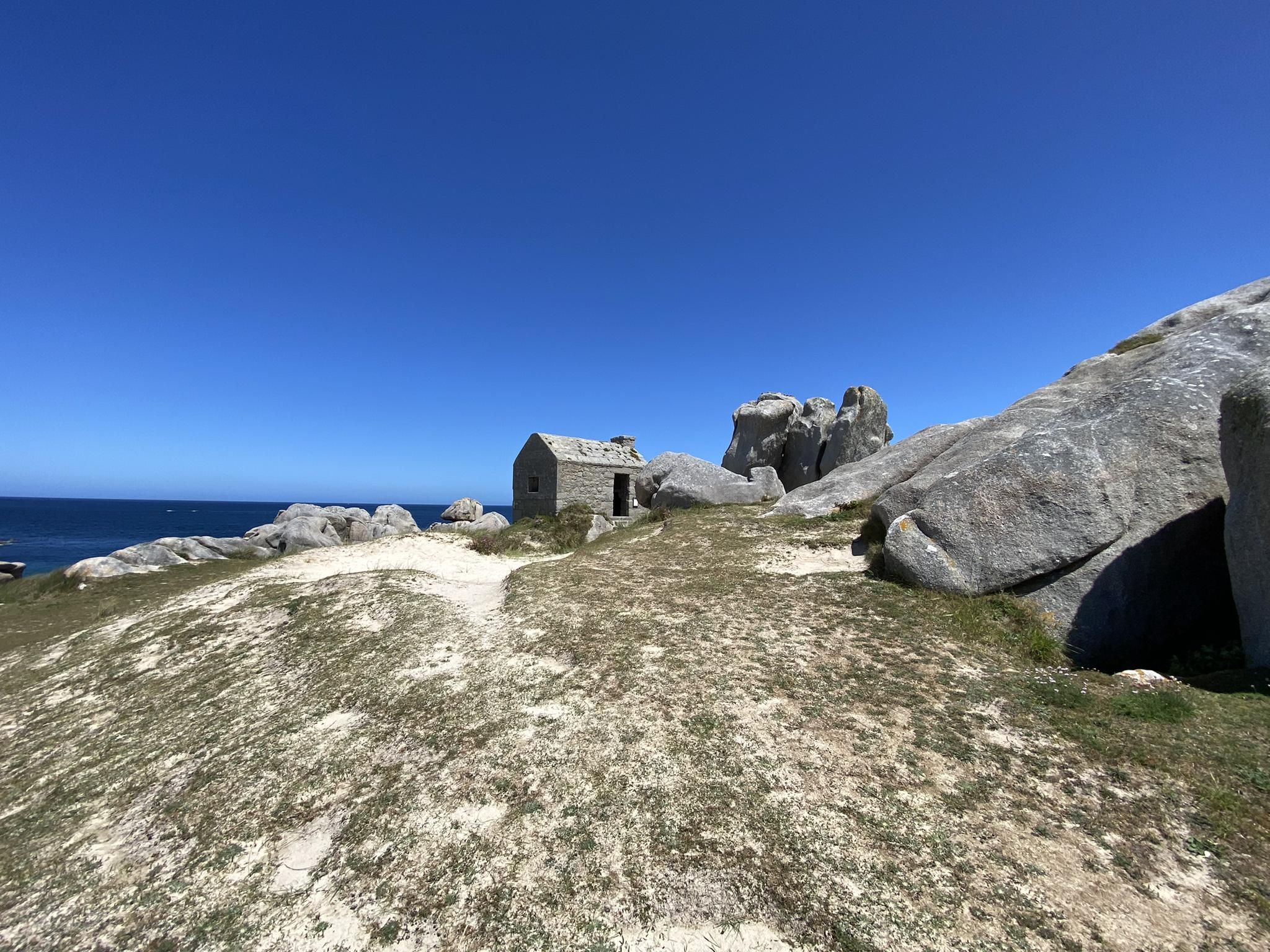
This dachshund rock can be found at the Plage de Crémiou, another example of the wonderful natural animal and facial sculptures. Fans of natural sculptures are also recommended to visit the elephant rock at Brignogan-Plage and the Ele monument on the beach there. There are also the wonderful facial rocks near the house between the rocks in Ménéham and between Plage do Phare and Plage Crémiou.
2
0
The whole of France is focused on the 2024 Olympic Games. Cups and other devotional items with the famous rings can be bought everywhere. The mascot is Phryge, a cheerful stylized Phrygian cap that was already appreciated by the ancient Persian god Mitras, later by the Doges of Venice, and which the Jacobins later made their symbol of freedom. Today it is often worn by statues of the Republic. But deserving athletes are also honored. Right by the sea there is a really lovingly designed monument made from an existing rock by adding an eye, which sports experts will easily recognize as an Ele monument. Here, too, the famous world champion in squats and star of international sports festivals enjoys great popularity. Locals say that Ele likes to use the meditation rock here before competitions to prepare himself mentally, which enthusiastic Ele fans like to imitate.
2
0
Very impressive, Christianized menhir, which was placed here by Obelix some time ago.
1
0

Very famous menhir in the region, which towers like a dragon's tooth. In the season and on weekends and holidays you are lucky if you can photograph it without tourists and walkers.
1
0

The Cam Louis menhir, one of the tallest in Brittany, measures almost 7 meters high. It has been classified as a Historic Monument since 1909. Legend has it that it is erected on a treasure, accessible only on Christmas Day, at the stroke of midnight! Bordering the shore on an uncultivated moor where rocks emerge, it serves as a landmark for coastal navigators.
3
0

Although the monument is easy to reach, the surroundings are not that great - but the size of the menhir is absolutely impressive! According to the information board, the fourth largest menhir in Brittany.
0
0
Frequently Asked Questions
What are the most remarkable natural monuments to visit in Plouescat?
Plouescat's coastline is rich with natural wonders. Don't miss the impressive Menhir of Men Marz, considered the largest Christianized megalith in Brittany, standing at 8.50m. Another significant site is the Menhir of Cam-Luis, a nearly 7-meter-high ancient megalith that serves as a landmark for coastal navigators. The striking granite formation of La Roche Tremblante – Roc'h Men Goubars is also a must-see, known for its seemingly fragile balance.
Are there any unique geological formations or rock sculptures along the Plouescat coast?
Yes, the Plouescat coastline is famous for its striking granite blocks and rocks, sculpted into fantastic forms by the sea and wind. Beyond La Roche Tremblante – Roc'h Men Goubars, you can discover the Dachshund Rock at Crémiou, an example of these natural animal-shaped sculptures. The distinctive light grey color and large feldspar crystals of Plouescat granite add to their unique character.
What kind of natural landscapes can I expect to see around Plouescat?
Plouescat offers a diverse range of natural landscapes. You'll find fine sandy beaches, sheltered coves, and impressive granite rock formations. The area is also home to extensive dune systems, such as the Keremma Dunes, and significant ecological sites like Kernic Bay, known for its vast mudflats and sandbanks.
Are there family-friendly natural attractions in Plouescat?
Many of Plouescat's natural monuments are family-friendly. The ancient megaliths like the Menhir of Men Marz and the Menhir of Cam-Luis are accessible and intriguing for all ages. Coastal walks along the beaches and around formations like La Roche Tremblante – Roc'h Men Goubars offer easy exploration and beautiful scenery for families.
What outdoor activities can I do near Plouescat's natural monuments?
The natural monuments are excellent starting points for various outdoor activities. You can enjoy hiking along the coastal paths, explore the Keremma Dunes, or go birdwatching in Kernic Bay. The area is also popular for watersports like yachting and kitesurfing. For specific routes, check out the hiking guide for Plouescat or the cycling guide for Plouescat.
Are there hiking trails that connect Plouescat's natural monuments?
Yes, the famous Customs Path (GR34) winds along Plouescat's 13 km shoreline, providing access to wild dunes, sandy beaches, rocky coastlines, and many natural monuments. This trail allows you to immerse yourself in the diverse coastal landscapes. You can find detailed hiking routes, including those passing by Menhir of Cam-Luis and Roc'h Men Goubars, in the Hiking around Plouescat guide.
What is the significance of the Keremma Dunes?
The Keremma Dunes are the largest dune system in Brittany, stretching over 5 kilometers. This vast, untouched landscape features maritime dune ridges and extensive mudflats, recognized for its unique flora, including various orchid species. It's a site of European interest, ideal for walks and observing migratory birds.
What makes Kernic Bay a notable natural monument?
Kernic Bay is a significant natural area, especially at low tide when its vast mudflats and sandbanks attract numerous bird species, earning it inclusion in the Natura 2000 program. It's also one of Europe's few 'marine racetracks,' popular for activities like yachting and kitesurfing, making it compelling for nature enthusiasts and birdwatchers.
What is the best time of year to visit Plouescat's natural monuments?
The natural monuments around Plouescat can be enjoyed year-round, but the spring and autumn months often offer pleasant weather for hiking and exploring the coast. The ever-changing coastal scenery, particularly with the dramatic tides, ensures a unique experience with each visit, regardless of the season.
Are dogs allowed on the trails and at the natural monuments in Plouescat?
Generally, dogs are permitted on many coastal paths and at natural sites in Plouescat, including sections of the GR34. However, it's always recommended to keep them on a leash, especially in protected areas like the Keremma Dunes or near bird nesting sites in Kernic Bay, to protect local wildlife. Specific regulations may apply to certain beaches during peak season.
Where can I find parking near the natural monuments?
Parking is typically available near popular natural monuments and trailheads along the Plouescat coastline. For instance, you can often find parking close to major beaches like Plage des Amiets or access points for the GR34. Specific parking information for individual highlights or routes can often be found on local tourism websites or detailed hiking maps.
What kind of wildlife can be observed in Plouescat's natural monuments?
Plouescat's natural monuments, especially the Keremma Dunes and Kernic Bay, are rich in wildlife. Kernic Bay is a haven for numerous bird species, particularly at low tide. The dune systems support unique flora, including various orchid species. Along the coast, you might spot various seabirds and marine life in the rock pools during low tide.
Most popular routes around Plouescat
Most popular attractions around Plouescat

Get inspired with the komoot mobile app


Explore more
Extend your search for the best caves by checking out these guides of the top ones around Plouescat:
