Attractions and Places To See around Maisoncelles-En-Brie - Top 20
Attractions and places to see around Maisoncelles-En-Brie offer a blend of historical significance, cultural insights, and natural beauty. This charming village, nestled in the heart of France, features a serene environment with rolling hills, lush forests, and tranquil meadows. The area provides opportunities to explore historical landmarks and engage with the natural landscape.
Best attractions and places to see around Maisoncelles-En-Brie
- The most popular attractions is Côte de Tigeaux, a climb known to all clubs in eastern Paris. This…
Last updated: October 10, 2026
Collégiale Notre-Dame de Crécy-la-Chapelle
Highlight • Religious Site
Translated by Google •
Tip by

Coulommes Oil Pump Jack
Highlight • Monument
Translated by Google •
Tip by

Sign up now to discover places like this
Get recommendations on the best single tracks, peaks, & plenty of other exciting outdoor places.
Grand Morin Mill
Highlight • Other
Translated by Google •
Tip by

Saint-Authaire Church
Highlight • Other
Translated by Google •
Tip by

Crécy-la-Chapelle – The Venice of Brie
Highlight • Settlement
Translated by Google •
Tip by

Sign up for free to discover even more attractions around Maisoncelles-En-Brie.
Already have an account?
Start today with a free account
Your next adventure awaits.


Tips from the Community

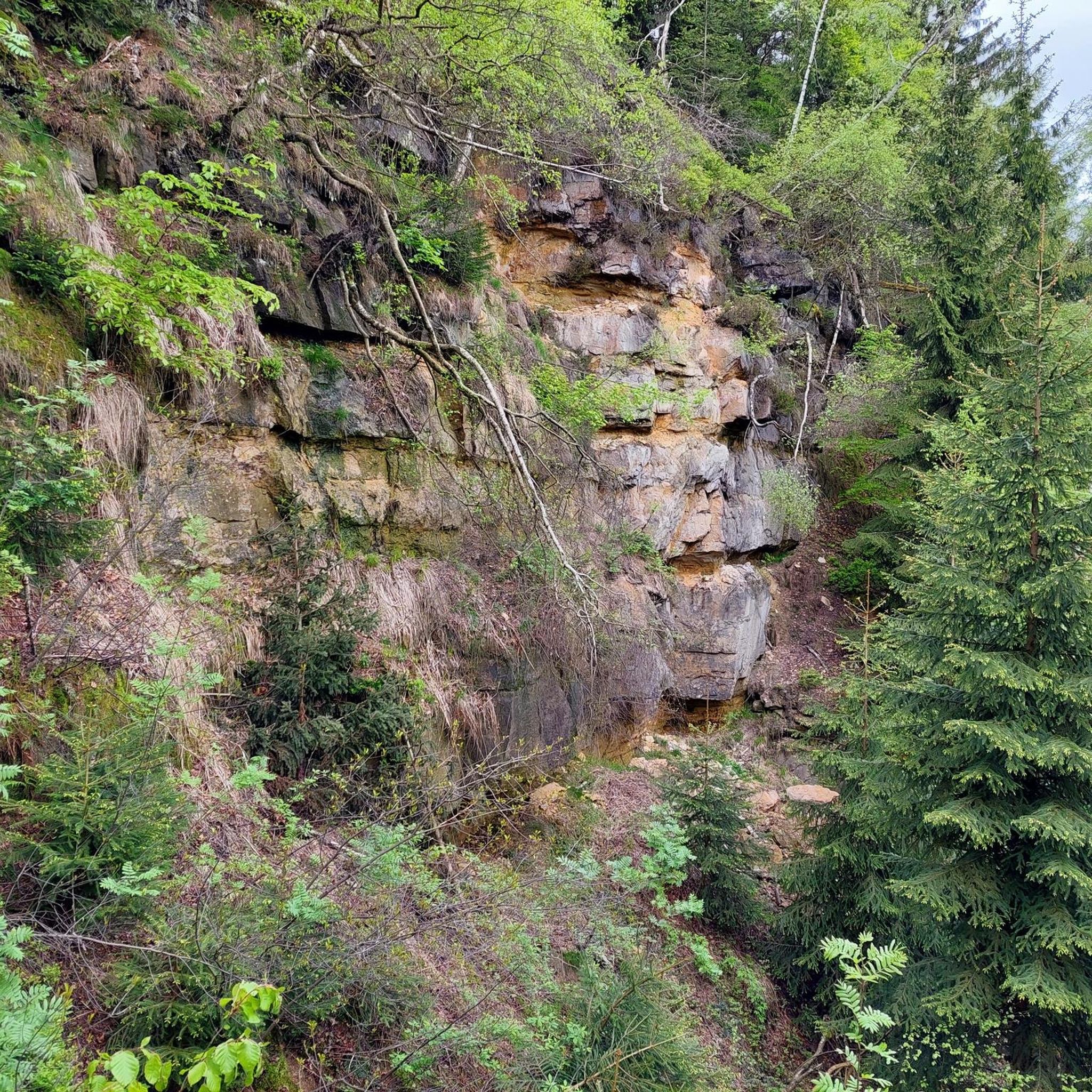
Centuries ago, our ancestors discovered how to harness the power of the elements – which, while helpful and useful, could also be a threat as untamed natural forces – for various purposes, thus eliminating the need for human or animal muscle power. A good example of the engineering skills of earlier generations are mills like these: the heavy millstones, used for grinding grain or pressing oil, could be powered by wind or – as in this case – water.
1
0

Colomban of Luxeuil, also known as Saint Colomban, was an Irish monk who evangelized the rural populations of Gaul, Germany, Helvetia and Italy in the Middle Ages. In the life of Saint Colomban, written around 640, the monk Jonas of Bobbio indicates that Colomban and his companions were welcomed by the family of Authaire, an aristocrat at the court of Austrasia. The domus where this servant of Théodebert (or Thibert), king of Austrasia and friend of Colomban, resided, is said to be located in the commune of Ussy-sur-Marne. In the church, a 19th-century stained glass window reminds us of this meeting. The church is listed as a Historic Monument for its nave dating from the 11th and 12th centuries, as well as for the stained glass windows of its chapel of the Virgin dating from the 16th century.
0
0
Located a few steps from a bend in the Grand Morin, the Collegiate Church of Notre-Dame-de-l'Assomption, in the former hamlet of La Chapelle-sur-Crécy, is reputed to be the second most beautiful church in Brie. Just after the imposing Saint-Etienne Cathedral in Meaux Built in the 13th century, it has unique architectural elements such as an apse vault composed of 12 branches that gives a lot of lightness to the interior of the building. With a total height of 19m under the keystone, the walls of the building have three successive rows of windows and stained glass windows, giving the interior of the building an incomparable luminosity. Located on the edge of the old Nationale 34, the royal road, the Collegiate Church of Notre-Dame-de-l'Assomption still dominates the valley of the Grand Morin and the small washhouse of the Vaudessard stream. Rarely open to the public, even if its interior remains visible, it occasionally serves as a concert hall.
0
0

Nice perspective of the emblem of the former oil activity with its church.
0
0

Collegiate Notre Dame de Crecy-la-Chapelle has been a historical monument since 1846. This sumptuous building, in the Gothic style, was built in the 13th century.
2
0

Gothic jewel of Brie built at the beginning of the 13th century, located just next to the road, it nevertheless presents a very fine example of flamboyant Gothic
0
0

There is oil in France! In fact, 64 oil and gas deposits are currently in operation, mainly in the Aquitaine Basin and in the Paris Basin. Annual French production amounts to 0.8 million tonnes of oil, which represents 1% of the country's consumption. Production in Brie dates back to the 1950s, when France aimed for oil self-sufficiency and began a series of major research programs in Seine-et-Marne. The first oil discovery was made here on February 22, 1958, at a depth of 1,875 m in the basement of the village of Coulommes. This deposit has produced around two million tonnes of oil, but of the fifty-seven wells drilled since 1958 on the concession, only four are still active. This derrick was installed here by the municipality of Coulommes to commemorate this event. Following the fluctuations in the price of black gold, the oil companies plan to resume exploration and the re-exploitation of the deposits of Seine et Marne.
0
0

The Venice of Brie Has 3 canals from the Grand Morin. Very frequented in the 19th century by many painters including Toulouse Lautrec and Van Gogh. It is especially JB Corot who lived there. It is good to stroll between the canals, the bridges, the mills and the Briard houses.
0
0
Frequently Asked Questions
What historical sites can I visit in Maisoncelles-En-Brie?
Maisoncelles-En-Brie offers several historical sites. You can explore the 12th-century Église Saint Sulpice, known for its gilded wooden altar and statuary. The village also features well-preserved Historic Lavoirs (Washhouses), offering a glimpse into historical daily life. Additionally, the area is famously linked to the 12th-century love story of Héloïse and Abélard, with elements in the village paying homage to their legacy.
Are there any significant religious buildings to see in the area?
Yes, the region boasts significant religious architecture. In Maisoncelles-En-Brie itself, you can visit the historic Église Saint Sulpice. Nearby, in Crécy-la-Chapelle, stands the magnificent Collégiale Notre-Dame de Crécy-la-Chapelle, a 13th-century Gothic collegiate church considered the second most beautiful church in Brie, featuring unique architectural elements like an apse vault with 12 branches.
What outdoor activities are available around Maisoncelles-En-Brie?
The scenic countryside around Maisoncelles-En-Brie is ideal for outdoor activities. You'll find numerous well-maintained trails for hiking and cycling through forests and fields. For specific routes, you can explore MTB Trails around Maisoncelles-En-Brie, Cycling around Maisoncelles-En-Brie, and Road Cycling Routes around Maisoncelles-En-Brie.
Where can I go cycling around Maisoncelles-En-Brie?
Cyclists will appreciate the diverse terrain. A notable spot is Côte de Tigeaux, a climb well-known to cycling clubs in eastern Paris, offering an engaging route whether going uphill or downhill. For more options, you can find various routes in the Cycling around Maisoncelles-En-Brie and Road Cycling Routes around Maisoncelles-En-Brie guides.
Are there family-friendly attractions in Maisoncelles-En-Brie?
Yes, Maisoncelles-En-Brie and its surroundings offer family-friendly options. The commune's parks and green spaces provide tranquil settings for relaxation and play areas for children. You can also visit the historic Lavoirs, one of which is conveniently located adjacent to the town's play area. The charming town of Crécy-la-Chapelle – The Venice of Brie, with its picturesque canals and bridges, is also a pleasant place for families to explore.
What natural features define the landscape of Maisoncelles-En-Brie?
Maisoncelles-En-Brie is characterized by a picturesque landscape of verdant fields, rolling hills, and lush forests. The area is traversed by the Grand Morin river, especially noticeable in nearby Crécy-la-Chapelle, which is known as the 'Venice of Brie' due to its canals. These natural elements provide a serene environment perfect for nature lovers and outdoor enthusiasts.
Can I learn about the region's industrial past?
Yes, you can discover an interesting aspect of the region's industrial history by visiting the Coulommes Oil Pump Jack. This monument commemorates the first oil discovery in the region on February 22, 1958, highlighting the area's past involvement in oil production.
What is the 'Venice of Brie' and where can I find it?
The 'Venice of Brie' refers to the charming town of Crécy-la-Chapelle, located near Maisoncelles-En-Brie. This picturesque town is traversed by the Grand Morin river and its canals, creating a unique setting that has inspired numerous artists. It's a beautiful spot for a stroll, with its bridges, mills, and traditional Briard houses.
Are there any unique or lesser-known attractions worth exploring?
Beyond the main landmarks, you might enjoy discovering the Grand Morin Mill, a historical site showcasing the engineering skills of earlier generations in harnessing water power. The well-preserved Historic Lavoirs (Washhouses) within Maisoncelles-En-Brie also offer a unique glimpse into local heritage and daily life from the past.
What do visitors enjoy most about Maisoncelles-En-Brie?
Visitors appreciate Maisoncelles-En-Brie for its peaceful retreat, rich cultural heritage, and inviting natural environment. The blend of historical sites like the Église Saint Sulpice, the scenic countryside perfect for hiking and cycling, and charming nearby towns like Crécy-la-Chapelle, provides an authentic French experience. The area's attractions are well-regarded by the komoot community, with many photos and upvotes shared.
Are there opportunities for birdwatching or enjoying nature?
Absolutely. The serene environment of Maisoncelles-En-Brie, with its rolling hills, lush forests, and tranquil meadows, provides ample opportunities for nature observation. The numerous trails through parks and natural reserves are perfect for birdwatching and simply enjoying the picturesque landscape.
Is Maisoncelles-En-Brie connected to any famous historical figures or stories?
Yes, Maisoncelles-En-Brie holds a significant connection to the legendary, forbidden love story of Héloïse and Abélard, a celebrated intellectual and his student from the 12th century. Abélard is believed to have sought refuge in a monastery in Maisoncelles after their separation, and various elements within the village's urban landscape pay homage to their enduring story.
Most popular routes around Maisoncelles-En-Brie

Get inspired with the komoot mobile app


Explore more
Still not found the Highlight you’re looking for? See guides of the top attractions in other regions:
