Attractions and Places To See around Canly - Top 20
Best attractions and places to see around Canly are primarily found in its surrounding region, particularly near Compiègne. Canly, a commune in the Oise department of France, offers a rural setting. While Canly itself is a rural borough without major watercourses, the nearby Oise River banks provide tranquil settings. The area offers a variety of historical sites and natural features for exploration.
Best attractions and places to see around Canly
- The most popular attractions is Trans'Oise Greenway – Oise Ponds…
Last updated: June 22, 2026
Château de Compiègne
Highlight • Castle
Translated by Google •
Tip by

Compiègne Town Hall
Highlight • Monument
Translated by Google •
Tip by

Sign up now to discover places like this
Get recommendations on the best single tracks, peaks, & plenty of other exciting outdoor places.
Sign up for free
Saint-Denis Church of Pontpoint
Highlight • Religious Site
Translated by Google •
Tip by

In the footsteps of empresses
Highlight (Segment) • Other
Translated by Google •
Tip by
Trans'Oise Greenway – Oise Ponds
Highlight • Cycleway
Translated by Google •
Tip by

Sign up for free to discover even more attractions around Canly.
Sign up for free
Already have an account?
Start today with a free account
Your next adventure awaits.
Login or Signup





Tips from the Community

beautiful hill with a small section at 9%. Nice little village café just before the hill to regain strength
0
0

The square itself houses a statue of Joan of Arc, a tribute to the city's historical connection to this iconic figure. The Town Hall, with its rich history and stunning architecture, continues to captivate visitors, offering a glimpse into the past while remaining a vibrant part of Compiègne's present.
2
0
The architecture of the town hall is a true feast for the eyes. The central structure is dominated by a tall bell tower, flanked by two turrets connected by a decorative railing. This imposing façade, 47 meters high and 24 meters wide, is decorated with striking Gothic elements such as pinnacles and basket arches. The large niche now houses a high relief depicting the equestrian statue of Louis XII. It is an original creation from 1869 by the sculptor Henri-Alfred Jacquemart in the realistic style so prevalent at the time. However, contrary to the usual appearance of equestrian statues during the reign of Louis XII, Henri-Alfred Jacquemart chose not to build a horse walking "à l'amble," that is, with both straight legs raised simultaneously. On October 12, 1530, a clock was placed on the summit of the bell tower. From that time on, every quarter of an hour, she animated three wooden jaquemarts with bell hammers. The Compiègneis quickly gave them three nicknames corresponding to the enemies of the time: Langlois for the English, Flandrin for the Flemish, and Lansquenet for the Germans. Even today, they chant the life of the city by "punching the time," that is, by striking their hammer to strike the hours.
2
0

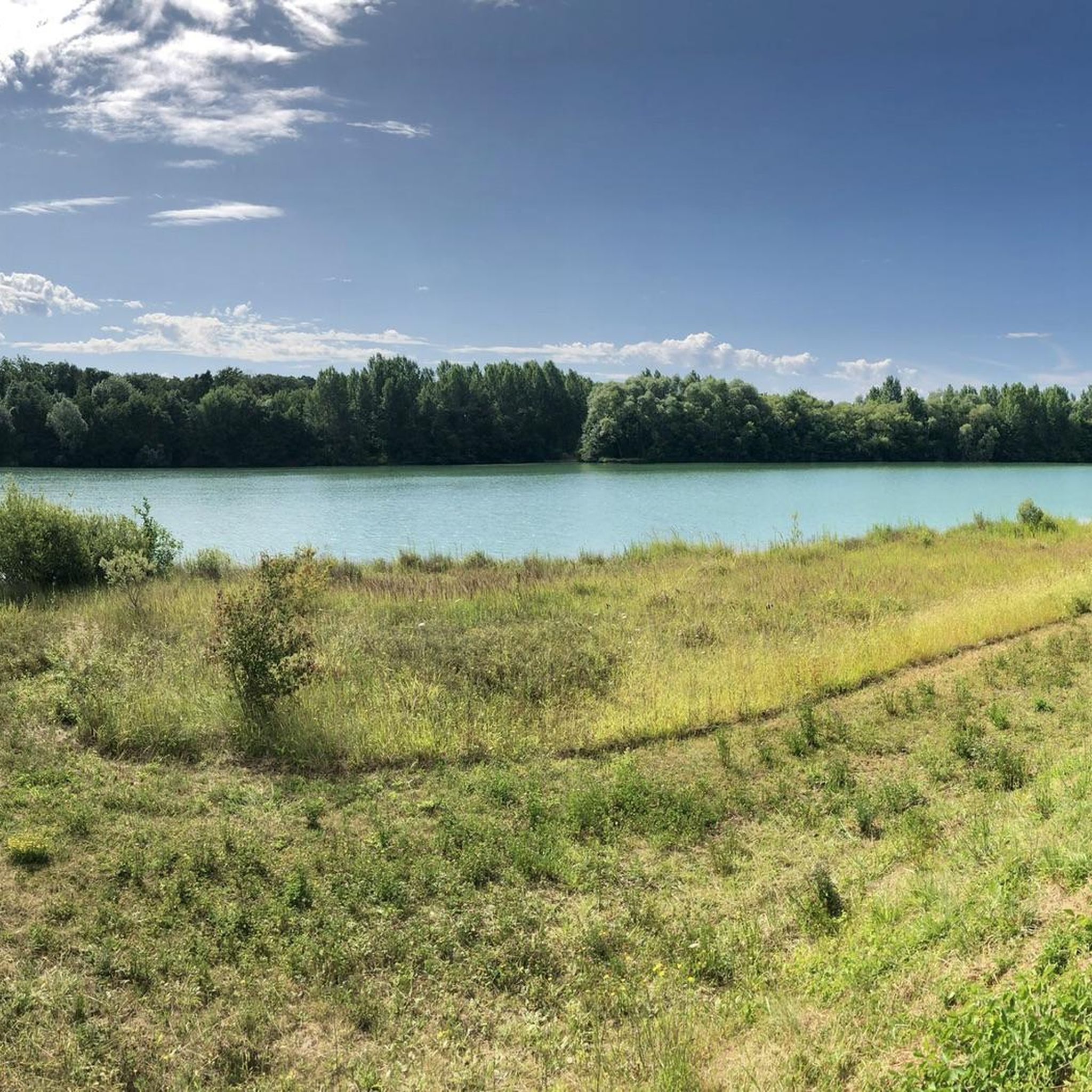
A lovely section of trail through the ponds. It's well-surfaced and very quiet.
2
0

Take good tires and provisions with you
1
0

Perfect for a picnic in the castle grounds!
0
0


In good weather, the garden is peaceful for relaxing or strolling. The cherry on the cake is inside the castle: beautiful reconstructions and conservations
0
0
Frequently Asked Questions
What historical landmarks can I explore near Canly?
The region around Canly is rich in history. You can visit the impressive Château de Compiègne, a former royal and imperial residence with three museums and a freely accessible park. Another notable site is the Compiègne Town Hall, known for its Gothic architecture and historical significance. Additionally, the historic Saint-Denis Church of Pontpoint offers a peaceful setting in a charming village.
Are there any natural features or green spaces to enjoy near Canly?
Yes, for nature lovers, the Trans'Oise Greenway – Oise Ponds provides a well-surfaced and quiet section of trail through scenic ponds, perfect for cycling or walking. The Compiègne Forest is also a significant natural feature, offering trails like the 'In the footsteps of empresses' loop. The nearby banks of the Oise River provide a tranquil setting for a short break.
What are some family-friendly attractions around Canly?
Several attractions are suitable for families. The Château de Compiègne is family-friendly, with its expansive park and museums. The Compiègne Town Hall is also considered family-friendly. For outdoor activities, the Trans'Oise Greenway – Oise Ponds is a great option for a leisurely cycle or walk with children.
Can I find hiking or walking trails in the Compiègne Forest?
Absolutely. The Compiègne Forest features several trails, including the popular In the footsteps of empresses. This 6.6 km loop trail starts from the Maison Forestière de la Grille des Beaux-Monts and guides you through historical and natural sites like the Grand Parc and the belvedere of the Beaux-Monts.
What cycling opportunities are available around Canly?
The area offers diverse cycling routes. You can explore gravel biking trails, such as the 'Vieux-Moulin – Allée des Beaux-Monts loop from Compiègne', or enjoy touring bicycle routes like the 'Jaux Footbridge – Royal Abbey of Moncel loop'. For road cycling, options include the 'Armistice Glade – Château de Compiègne loop'. You can find more details on these and other routes in the Gravel biking around Canly, Cycling around Canly, and Road Cycling Routes around Canly guides.
Are there any religious buildings of interest near Canly?
Yes, the Saint-Denis Church of Pontpoint is a significant religious building located in the charming village of Pontpoint. Another historical church is the Église Saint-Médard in Arsy, dating from the 17th and 19th centuries, which contains the vault of the lords of Arsy.
What do visitors particularly enjoy about the attractions near Canly?
Visitors appreciate the tranquility and natural beauty of the area, especially along the Trans'Oise Greenway – Oise Ponds, which is noted for its quiet, well-surfaced path. The historical sites like the Château de Compiègne and the Compiègne Town Hall are admired for their architecture and rich history. The peaceful strolls and panoramic views from places like Pontpoint are also highly valued.
Are there any viewpoints offering scenic vistas?
Yes, the village of Pontpoint, where the Saint-Denis Church of Pontpoint is located, offers panoramic views of the surrounding countryside. Additionally, the 'In the footsteps of empresses' trail in the Compiègne Forest includes the belvedere of the Beaux-Monts, providing scenic overlooks.
Is there anything wheelchair accessible among the attractions?
The Compiègne Town Hall is noted as wheelchair accessible. The Trans'Oise Greenway – Oise Ponds, being a well-surfaced cycleway, is also likely to be accessible for wheelchairs.
What is the best time to visit the attractions around Canly?
While specific seasonal recommendations are not provided, outdoor attractions like the Compiègne Forest trails and greenways are generally most enjoyable during spring, summer, and early autumn when the weather is mild and nature is in full bloom. Historical sites and churches can be visited year-round, though checking their specific opening hours is always recommended.
Are there any lesser-known historical sites or 'hidden gems' in the vicinity?
Beyond the major landmarks, the Église Saint-Médard in Arsy, near Canly, offers a glimpse into local history. This church, dating from the 17th and 19th centuries, houses the vault of the lords of Arsy and provides a quieter, more local historical experience.

Get inspired with the komoot mobile app


Explore more
Still not found the Highlight you’re looking for? See guides of the top attractions in other regions:
