Attractions and Places To See around Béthancourt-En-Valois - Top 20
Best attractions and places to see around Béthancourt-En-Valois include a blend of historical landmarks and natural features. Situated in the picturesque Automne valley, the village and its surroundings offer insights into medieval history and Gallo-Roman heritage. Visitors can explore ancient ruins, historical churches, and manors. The area provides a scenic backdrop for discovering cultural sites and natural beauty.
Best attractions and places to see around Béthancourt-En-Valois
- The most popular attractions is Saint-Jean-aux-Bois Abbey and Fortified Gate, a historical site…
Last updated: July 2, 2026
Saint-Jean-aux-Bois Abbey and Fortified Gate
Highlight • Historical Site
Translated by Google •
Tip by

The Gallo-Roman ruins of Champlieu
Highlight • Historical Site
Translated by Google •
Tip by

Sign up now to discover places like this
Get recommendations on the best single tracks, peaks, & plenty of other exciting outdoor places.
Sign up for free
Gallo-Roman Church of Champlieu
Highlight • Religious Site
Translated by Google •
Tip by

Douye Castle
Highlight • Historical Site
Translated by Google •
Tip by
Pondron Church
Highlight • Religious Site
Translated by Google •
Tip by
Sign up for free to discover even more attractions around Béthancourt-En-Valois.
Sign up for free
Already have an account?
Start today with a free account
Your next adventure awaits.
Login or Signup

Tips from the Community


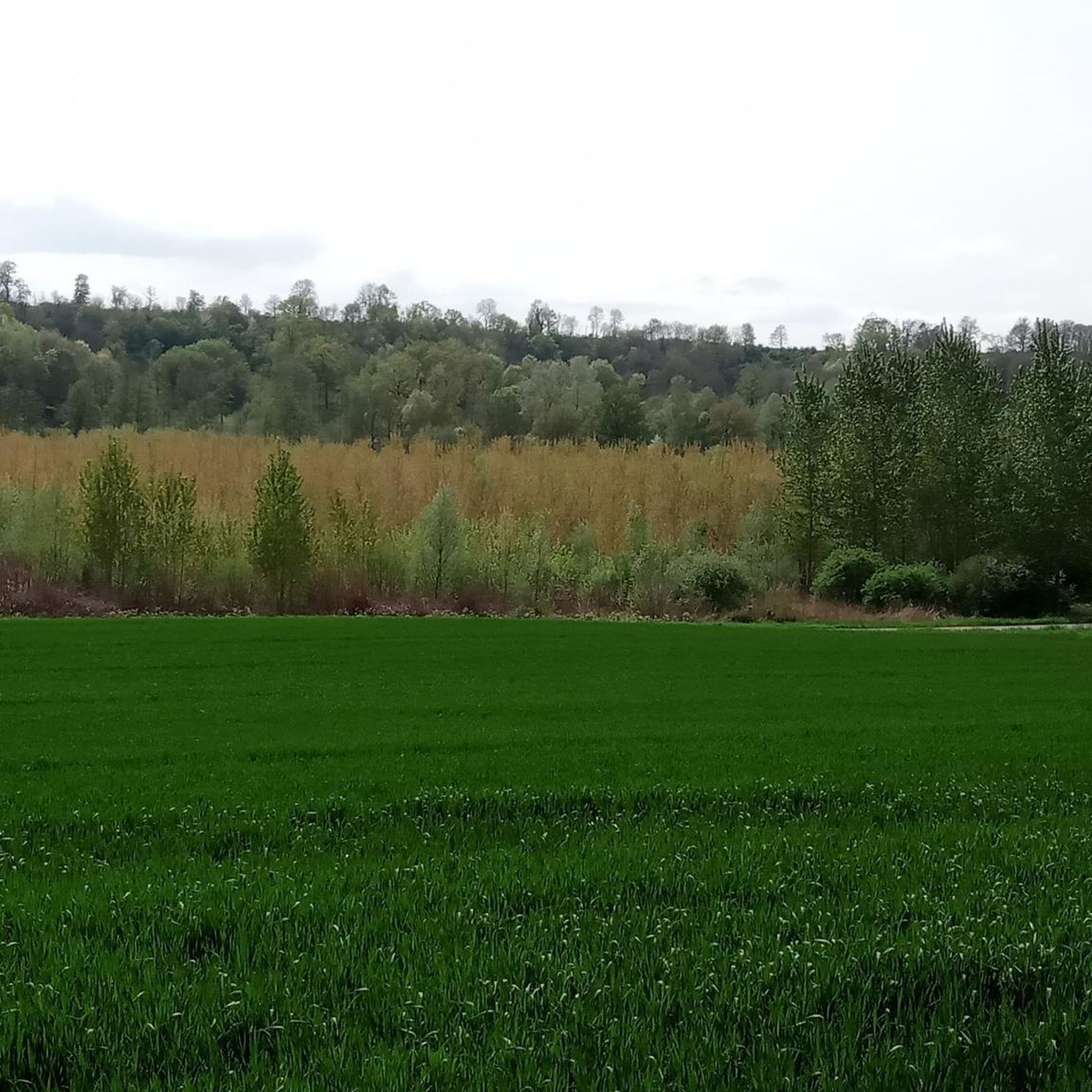
Beautiful little village nestled in the heart of the forest. The inn at La Bonne Idée is a great place to eat and stay; I have never been disappointed, I recommend it.
0
0

This architectural ensemble included thermal baths, a performance building and a temple. To have !
0
0

The oldest building within the grounds of the Château de la Douye is what appears to be part of the “Grand Hôtel” built by King John II the Good in 1344 and partially destroyed during the 100 Years' War. John II liked Bethisy which he called his “desert”. He made numerous stays there. The Château de la Douye is more recent. It is described as a composite manor, made up of two buildings at right angles: one very simple, is from the 17th century; the other contains the chapel whose window with flamboyant tracery retains stained glass. At the intersection a 15th century staircase turret. The history of the castle is little known. The first owners seem to have been the Anthonis, lords of Douye. Around 1475, Gilles Anthonis, Lord of Douye, Baron and Vémars, was Notary and Secretary to King Louis XI and hereditary Gruyer of Béthisy, in the forest of Cuise. Subsequently, for example, it was the turn of Berthelemy (1570), Le Doux (1655) and Beaurain (1762). More recently, La Douye welcomed the Missionary Sisters of the Holy Spirit. Numerous works have now completely transformed the interiors. The stained glass window is also more modern. Around 1820 the arms of Charles VI and VII were visible on the turret and in the chapel. Charles VI, the beloved or the madman, king of France from 1380 to 1422. Charles VII, the victorious, king of France from 1422 to 1461.
0
0

The Château de la Douye in Béthisy-Saint-Pierre is a composite manor, formed by two buildings at right angles: one very simple, from the 17th century; the other contains the chapel with flamboyant windows and stained glass. At the intersection there is a 15th century stair turret. The Château de la Douye is surrounded by a large park and faces the two turrets that remain from the medieval castle of King John II the Good, who built the "Grand Hôtel" in 1344 and partially destroyed it during the Hundred Years' War. You can also admire the old mill on the Automne river, which crosses the territory of the commune.
2
0
The Saint Pondron church dates from the 12th and 13th centuries. It combines Romanesque and Gothic elements, such as the walls of the old nave, the square choir, the side bell tower and the flamboyant chapel. You can admire the stone heads carved on the corbels, the original stained glass windows and the covered well in front of the portal. Don't miss this charming example of rural architecture in the Automne Valley.
2
0
The Gallo-Roman site of Champlieu is located on a plateau near the Compiègne forest. The site offers the ruins of a temple, a theater and a bathing establishment dating from the first centuries of the Roman Empire. You can explore the remains of these ancient buildings and imagine how they looked in their original splendor. You can also admire the medieval church of Champlieu, located nearby and built in the 11th and 12th centuries. The site is open all year round and has information panels and a digital tool to help you better understand its history. By browsing this site, you will immerse yourself in the past and the present and you will have a good sports session.
3
0
The Champlieu Chapel, also known as Notre-Dame-de-la-Nativite, is a Romanesque church that was built in the 11th and 12th centuries on the site of an ancient Gallo-Roman villa. The church is now in ruins, but you can still admire its elegant architecture and carved capitals. The church is surrounded by a peaceful forest and a cemetery, where there are ancient tombs and crosses. The Champlieu Chapel is a hidden treasure that offers insight into the medieval history of Picardy.
3
0
Frequently Asked Questions
What historical sites can I explore in Béthancourt-En-Valois and its surroundings?
The region is rich in history. You can visit the Saint-Jean-aux-Bois Abbey and Fortified Gate, a medieval site with a Gothic church and cloistered garden. The Gallo-Roman ruins of Champlieu offer remains of a temple, theater, and bathing establishment from the Roman Empire, alongside the medieval Gallo-Roman Church of Champlieu. Additionally, the Douye Castle features a 15th-century stair turret and historical connections to King John II the Good. Within Béthancourt itself, the XII century Église Saint-Sulpice, the Manoir de Waru from the XV century, and ancient vaulted cellars provide further historical insights.
Are there any family-friendly attractions in the area?
Yes, several attractions are suitable for families. The Saint-Jean-aux-Bois Abbey and Fortified Gate is a charming village with historical elements that can be explored by all ages. The Gallo-Roman ruins of Champlieu offer an engaging outdoor exploration of ancient history. Douye Castle, with its park, also provides a pleasant setting for a family visit. The Pondron Church, with its unique Romanesque and Gothic features, can also be an interesting stop.
What kind of outdoor activities can I do near Béthancourt-En-Valois?
The area around Béthancourt-En-Valois is ideal for various outdoor activities. You can find numerous routes for running, mountain biking, and gravel biking. For running, consider trails like the Champlieu Ruins Trail or the Abbaye de Morienval loop. Mountain biking enthusiasts can explore routes such as the Douye Castle loop from Béthisy-Saint-Pierre. Gravel biking offers longer adventures like the Crépy-en-Valois to the Ourcq Canal and the Forest of Retz. You can find more details on these and other routes in the running, MTB, and gravel biking guides for the region.
Are there hiking trails available near the attractions?
Yes, the region offers several hiking trails, perfect for nature and history enthusiasts. A notable circuit, 'De l'Automne à la Sainte-Marie,' provides beautiful views of the Automne valley and opportunities to discover local flora. The area around the Gallo-Roman ruins of Champlieu also features a themed walking trail, allowing visitors to explore ancient remains within a scenic landscape. Many of the nearby routes for running and biking can also be adapted for walking.
What natural features define the landscape around Béthancourt-En-Valois?
Béthancourt-En-Valois is nestled in the picturesque Automne valley, which is a significant natural feature. The Automne river, approximately 34 km long, flows through the area, creating a scenic backdrop. The surrounding forests and valleys offer lush greenery and are particularly vibrant during autumn, making it an ideal setting for outdoor exploration and enjoying nature.
What is the best time of year to visit Béthancourt-En-Valois?
The Automne valley, where Béthancourt-En-Valois is situated, is especially vibrant during autumn, making it a beautiful time to visit for scenic views and hiking. However, the historical sites and ruins are accessible year-round. Spring and summer also offer pleasant weather for exploring the outdoor attractions and trails.
What are some lesser-known historical gems in Béthancourt-En-Valois?
Beyond the more prominent sites, Béthancourt-En-Valois holds several hidden historical gems. The village itself boasts several houses built upon vaulted cellars, some dating back to the XIII century, offering a glimpse into medieval living. One recently rediscovered cellar, originally a wine cellar, even suggests it housed donkeys. The village also features a farm with an octagonal turret and a house with stepped gables, adding to its unique architectural character.
Can I find information about the local history and architecture of Béthancourt-En-Valois?
Absolutely. The village is rich in local history and distinctive architecture. The Église Saint-Sulpice, a XII century Romanesque church, is a classified historical monument visible from afar. The Manoir de Waru, dating back to the XV century, showcases Renaissance-era windows and an octagonal stair turret. Exploring the village reveals vaulted cellars from the XIII century and other unique architectural features like a farm with an octagonal turret and a house with stepped gables.
What do visitors particularly enjoy about the attractions near Béthancourt-En-Valois?
Visitors frequently praise the rich historical immersion offered by sites like the Gallo-Roman ruins of Champlieu, noting how the ruins are 'steeped in history' and 'worth the detour.' The peaceful and charming atmosphere of the Saint-Jean-aux-Bois Abbey and Fortified Gate, with its medieval character, is also highly appreciated. Many enjoy the blend of historical exploration with the natural beauty of the surrounding landscapes.
Are there any religious buildings of historical significance in the area?
Yes, the region features several historically significant religious buildings. The Église Saint-Sulpice in Béthancourt-En-Valois is a XII century Romanesque church and a classified historical monument. The Saint-Jean-aux-Bois Abbey and Fortified Gate includes a beautiful Gothic church. Additionally, the Gallo-Roman Church of Champlieu, an XI and XII century Romanesque church built on an ancient villa site, offers elegant architecture even in its ruined state. The Pondron Church also combines Romanesque and Gothic elements from the 12th and 13th centuries.
Where can I find more information about Béthancourt-En-Valois?
For additional information about Béthancourt-En-Valois and its attractions, you can visit the local tourism website: paysdevalois-tourisme.fr.
Most popular routes around Béthancourt-En-Valois

Get inspired with the komoot mobile app


Explore more
Still not found the Highlight you’re looking for? See guides of the top attractions in other regions:
