Attractions and Places To See around Presles-Et-Boves - Top 20
Best attractions and places to see around Presles-Et-Boves include historical landmarks and natural features. Situated in the Aisne department of the Hauts-de-France region, the commune lies on the banks of the Aisne river. The area is characterized by its rural landscape, with woods, pastures, and forests. Archaeological excavations have revealed military trenches and shelters from the First World War, highlighting its historical significance.
Best attractions and places to see around Presles-Et-Boves
- The most popular attractions is Fort of Condé,…
Last updated: October 18, 2026
Cerny-en-Laonnois, chapelle & Lanterne des Morts
Highlight • Other
Translated by Google •
Tip by

Fort of Condé
Highlight • Other
Translated by Google •
Tip by

Sign up now to discover places like this
Get recommendations on the best single tracks, peaks, & plenty of other exciting outdoor places.
Malmaison German Cemetery
Highlight • Historical Site
Showing Translation
Tip by
Marin Dugourny Memorial, Chemin des Dames
Highlight • Monument
Translated by Google •
Tip by
Château de la Folie
Highlight • Other
Translated by Google •
Tip by

Sign up for free to discover even more attractions around Presles-Et-Boves.
Already have an account?
Start today with a free account
Your next adventure awaits.

Tips from the Community

Marcel Duquenoy; Small memorial stone along the D18 between the Ferme de la Royère and the Ferme de Malval. It commemorates Marcel Duquenoy, a 20-year-old aspiring officer from Calais in the 350th Infantry Regiment, who was killed in the wood opposite the monument on 6 May 1917 during the Battle of La Malmaison. The inscription is from his parents: “En souvenir de notre fils disparu dans le bois en face” – a personal tribute in a landscape marked by collective loss.
6
0
Jean Dauly Memorial; This sober monument commemorates Jean Dauly, a soldier in the 350th Infantry Regiment, who was killed on 6 May 1917 at the age of 20 during heavy fighting in the forest opposite the current location. It stands along the D18 between the Ferme de La Royère and the Ferme de Malval. The inscription bears witness to the personal loss: “Regretté de sa mère, de toute sa famille et de ses comarades. Priez pour lui”.
7
0
This large German war cemetery is located near Fort de La Malmaison, along the Chemin des Dames. It was established in 1941 by the Wehrmacht to centralize scattered graves from the Aisne region. After the war, the site was officially recognized by a Franco-German convention in 1954 and solemnly inaugurated in 1965. Nearly 11,850 German soldiers rest here, primarily fallen during the 1940 campaign and the fighting after the Allied landings in Normandy in 1944. Between 1960 and 1961, over 6,800 bodies were reburied from six surrounding departments. The cemetery is sober and serene, with rows of dark crosses and a memorial stone. It serves as a silent reminder of the fierce fighting in this region and is an important stop on remembrance routes along the Chemin des Dames.
6
0
During the First World War, Cerny-en-Laonnois was a strategic point along the Chemin des Dames, a ridge fiercely contested by French and German troops. In September 1914, the village was taken by the Germans, who used it as a defensive post. They dug deep underground networks in the limestone, which served as shelters and munitions stores. In the spring of 1917, the area became the scene of the Nivelle Offensive, a large-scale French attack that resulted in heavy losses and eventually led to mutinies within the French army. Cerny-en-Laonnois was completely destroyed by artillery fire and fighting. After the war, the village was rebuilt a little further south. Today, the military cemeteries, the memorial chapel and the “Lanterne des Morts” bear witness to the immense human suffering that took place here.
6
0

great hike on foot and by mountain bike. see hiking the mountains of Missy see you in 2025. To discover .
0
0


Along the Chemin des Dames there are numerous memorial steles for individual soldiers, troops and units that fought here in 1917. You have to be aware that although today you can drive there comfortably on a highway, back then you were directly on the front line of one of the bloodiest battles of the World War.
2
0

Such places – usually referred to as "war cemeteries" or "military cemeteries" – are still very important today as memorials to the countless war dead. "Now let your servant, Lord, depart in peace, as you have promised..." reads the so-called "Song of Simeon" (Gospel of Luke, chapter 2, verse 29). The many people buried here, however, by no means departed in peace, but became victims of war and inhuman tyranny. The most important and at the same time eternal function of military or honor cemeteries, or war cemeteries, is therefore to keep the memory of this suffering alive and – every generation anew (!) – to admonish to the lasting preservation of peace.
0
0
Frequently Asked Questions
What historical sites related to the World Wars can I visit around Presles-et-Boves?
The region is rich in World War history. You can visit the poignant memorial site of Cerny-en-Laonnois, chapelle & Lanterne des Morts, which bears witness to immense human suffering during WWI. Another significant site is the Malmaison German Cemetery, a serene resting place for nearly 12,000 soldiers. The Marin Dugourny Memorial, Chemin des Dames, commemorates individual soldiers from the Battle of La Malmaison. Additionally, the Fort of Condé, a 19th-century fortress, played a role in the conflicts, and the ruins of Château de la Folie were destroyed during the Great War. Archaeological excavations in Presles-et-Boves itself have also revealed WWI trenches and underground shelters.
Are there any ancient historical landmarks directly within Presles-et-Boves?
Yes, the most prominent historical landmark directly within Presles-et-Boves is the Saint-Pierre-et-Paul Church. This XIIIth-century church, enlarged in the XIVth and XVth centuries, has been largely rebuilt after being bombed in both World Wars and is classified as a Monument Historique.
What natural features can I explore near Presles-et-Boves?
Presles-et-Boves is situated on the banks of the Aisne river, offering a pleasant natural setting. The wider Hauts-de-France region is known for its idyllic rural landscapes, featuring woods, pastures, large forests, and steep valleys. While specific natural features within the commune are not extensively detailed, the surrounding area provides ample opportunities to enjoy nature. For more inspiration on natural beauty, you can visit the Hauts-de-France tourism website: Pristine areas of natural beauty.
What outdoor activities, like cycling or mountain biking, can I do near these attractions?
The area around Presles-et-Boves offers various cycling and mountain biking opportunities. You can find several routes for gravel biking, such as the 'View of Lake Ailette – Vauclair Abbey loop' or the 'Lake Monampteuil – Cycleway - Gravel Section loop'. For general cycling, there are routes like the 'View of Lake Ailette – Lake Ailette loop' or the 'Saint-Rémi Church, Sermoise loop'. Mountain biking enthusiasts can explore trails like 'Fort de Condé – Nice climb' or 'Mount Notre-Dame loop'. You can find detailed guides for these activities: Gravel biking around Presles-Et-Boves, Cycling around Presles-Et-Boves, and MTB Trails around Presles-Et-Boves.
Are there any hiking or walking paths near the attractions?
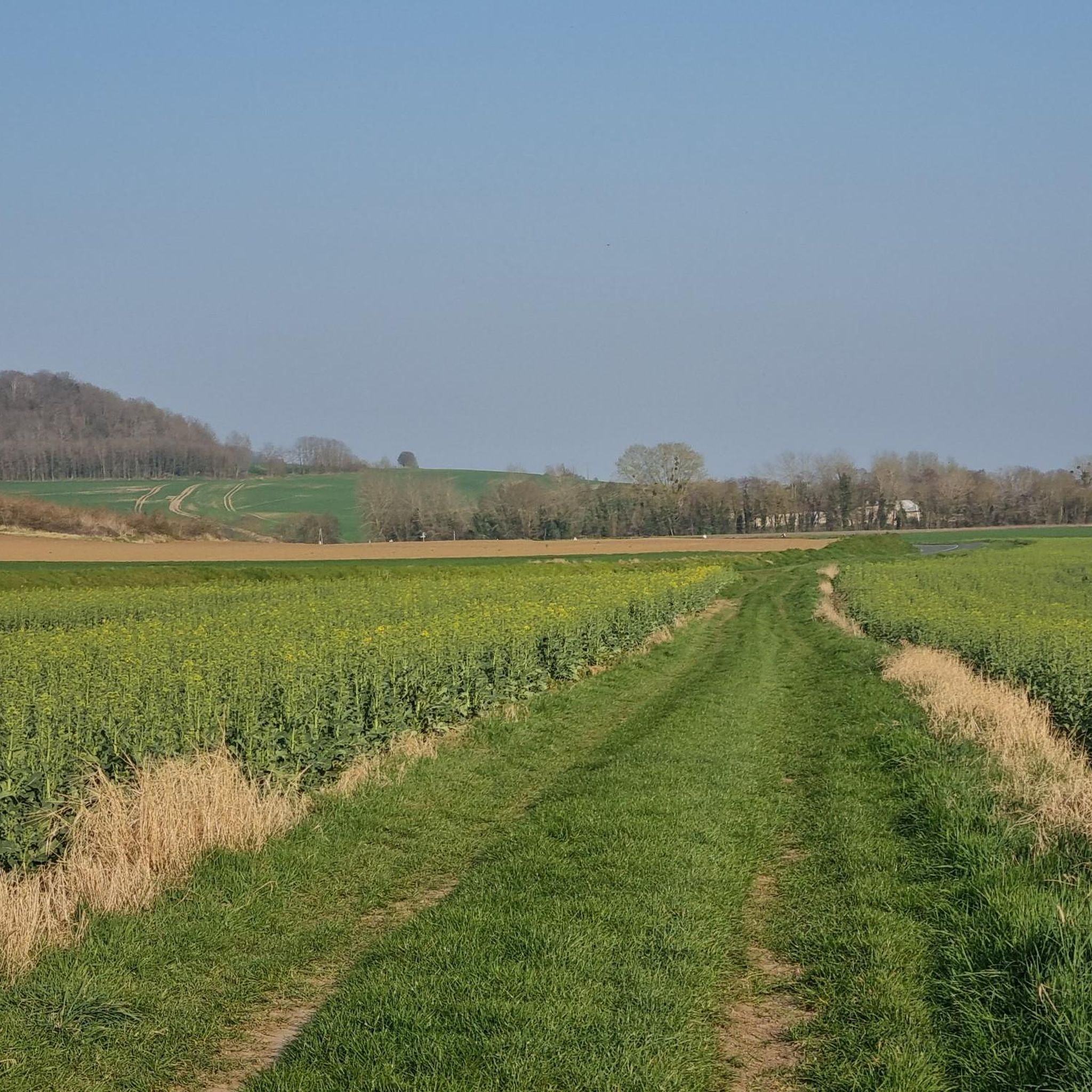
Yes, the area around the attractions offers opportunities for hiking and walking. For instance, the area around the Fort of Condé is described as beautiful and green, suitable for a great hike. While specific dedicated hiking trails for each attraction aren't listed, the rural landscape with woods and pastures suggests many informal walking paths. The nearby cycling and MTB guides also feature routes that can be adapted for walking, offering scenic views of the region.
What are some family-friendly attractions or activities in the area?
Many of the historical sites, while somber, can be educational for older children, such as the Malmaison German Cemetery and the Marin Dugourny Memorial, which are categorized as family-friendly. The Fort of Condé, with its well-preserved structure and surrounding green area, offers space for families to explore. The natural setting along the Aisne river and the region's woods and pastures provide opportunities for easy walks and picnics, which are generally suitable for families.
What is the best time of year to visit Presles-et-Boves for outdoor activities?
The Hauts-de-France region, where Presles-et-Boves is located, generally offers pleasant conditions for outdoor activities from spring through early autumn (April to October). During these months, the weather is typically milder, making it ideal for exploring historical sites, cycling, and walking through the rural landscapes. Summer (June to August) provides the warmest temperatures, while spring and autumn offer beautiful scenery with fewer crowds.
Are there any other notable castles or abbeys in the wider region worth visiting?
Beyond Presles-et-Boves, the wider region boasts several impressive historical sites. You can visit the stunning early Gothic cathedral in Laon (19 km away) or explore the abbey and cathedral in Soissons (17 km). Further afield, Pierrefonds (42 km) features one of the most beautiful castles in northern France, and La Ferté-Milon (40 km) has a curious 14th-century castle facade. For abbeys, consider Ourscamp Abbey (47 km) or Morienval Abbey (48 km), an impressive example of Romanesque architecture.
What do visitors enjoy most about the attractions around Presles-et-Boves?
Visitors appreciate the historical depth and the serene natural surroundings. For instance, the Fort of Condé is praised for being well-preserved, offering insights into its historical role, and providing a beautiful green area for exploration. The military cemeteries and memorials, like Cerny-en-Laonnois, are valued for their solemn dignity and as powerful reminders of past conflicts. The overall appeal lies in the blend of significant historical sites and the tranquil rural landscape.
Are there options for challenging hikes or more difficult routes in the area?
While Presles-et-Boves itself is tranquil, the nearby guides for cycling and mountain biking indicate routes with varying difficulty levels, including 'difficult' options. For example, the 'View of Lake Ailette – Lake Ailette loop' for cycling is rated difficult, and the 'Nice climb😩 – Short Descent in the Forest loop' for MTB is also difficult. These routes often involve significant elevation changes or longer distances, providing a challenge for experienced outdoor enthusiasts. You can find more details in the MTB Trails around Presles-Et-Boves guide.
Can I find places to eat or stay near the attractions?
While specific cafes, pubs, or accommodations directly within Presles-et-Boves are not detailed, the commune serves as a gateway to larger towns like Soissons (17 km) and Laon (19 km). These towns offer a wider range of dining options, from local eateries to restaurants, as well as various accommodation choices including hotels and guesthouses. It is advisable to check options in these nearby towns for your visit.
Most popular routes around Presles-Et-Boves

Get inspired with the komoot mobile app


Explore more
Still not found the Highlight you’re looking for? See guides of the top attractions in other regions:
