Attractions and Places To See around Saint-Jean-D'Ardières - Top 20
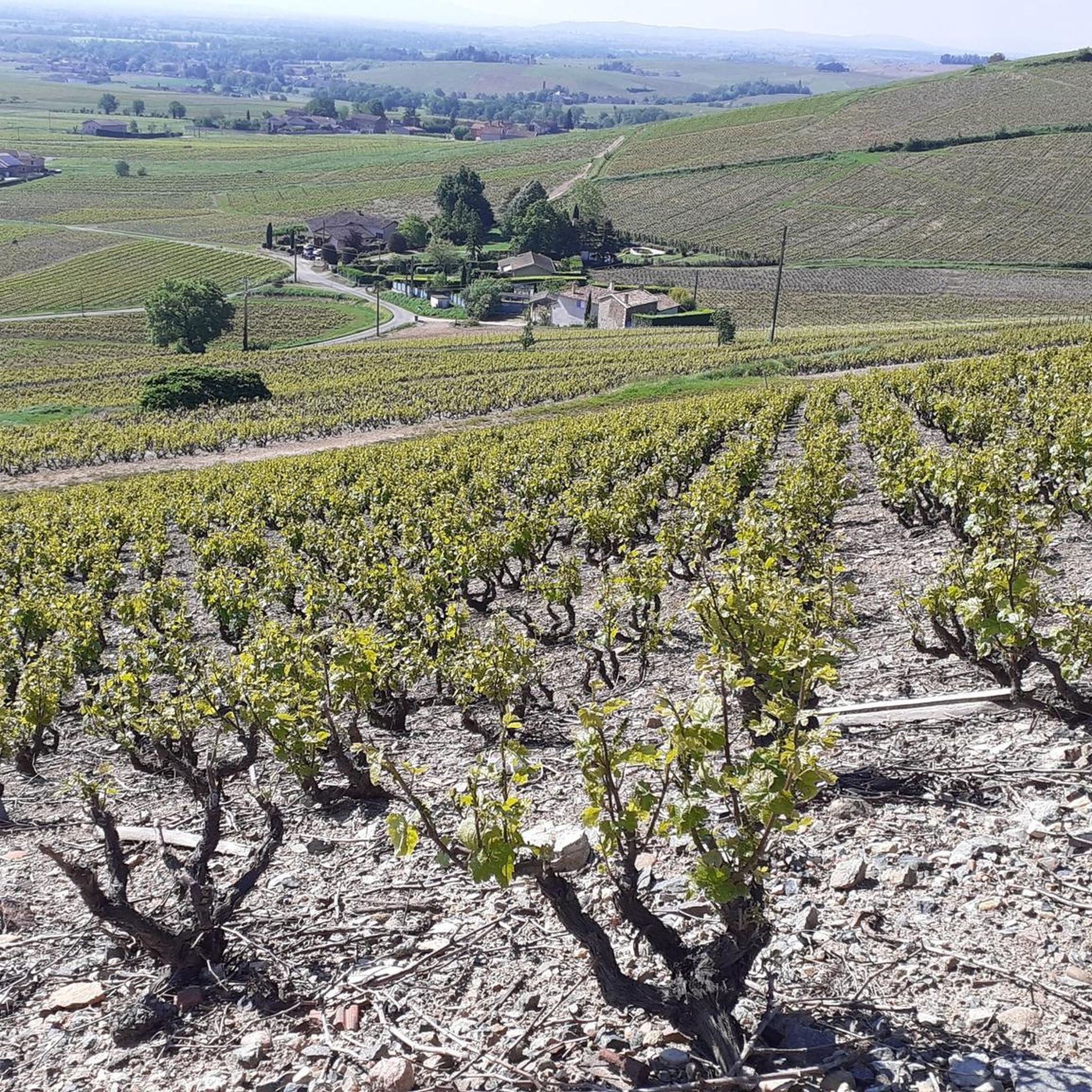
Attractions and places to see around Saint-Jean-D'Ardières, now part of Belleville-en-Beaujolais, blend historical landmarks, natural features, and cultural sites within the Beaujolais wine region. The area offers views of the Rhône valley and surrounding Beaujolais valleys. Visitors can explore vineyards, historical castles, and significant monuments.
Best attractions and places to see around Saint-Jean-D'Ardières
- The most popular attraction is Cross of Forces, a man-made monument that offers a panorama to the east, towards the Rhône valley. It overlooks the village…
Last updated: July 7, 2026
Rémont Mountain
Highlight • Viewpoint
Translated by Google •
Tip by

Windmill
Highlight • Other
Translated by Google •
Tip by

Sign up now to discover places like this
Get recommendations on the best single tracks, peaks, & plenty of other exciting outdoor places.
Sign up for free
Cross of Forces
Highlight • Monument
Translated by Google •
Tip by
Château de Fléchères
Highlight • Castle
Translated by Google •
Tip by

Towpath along the Saône
Highlight (Segment) • Trail
Translated by Google •
Tip by

Sign up for free to discover even more attractions around Saint-Jean-D'Ardières.
Sign up for free
Already have an account?
Start today with a free account
Your next adventure awaits.
Login or Signup

Tips from the Community

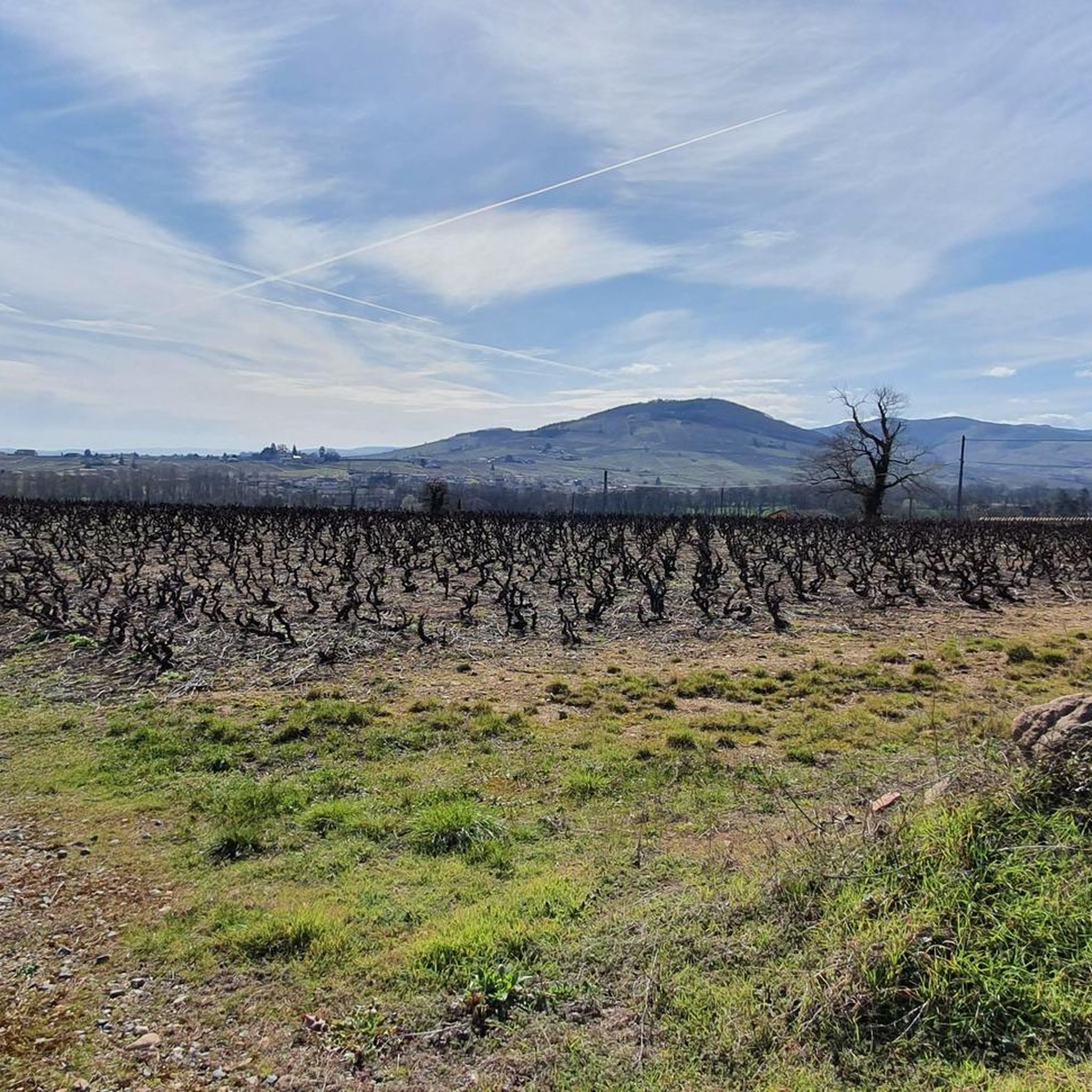
The viewpoint is located in the well-known Beaujolais wine region, in the municipality of Chénas. It is an old stone ruin (historically often referred to as Cabane des Chasseurs or hunter's hut), which has been equipped with a modern metal staircase and a viewing platform. The ruin is located at 515 meters above sea level and offers hikers a spectacular 360-degree panoramic view of the surrounding vineyards and valleys of the region.
2
0
Picturesque mill, which nestles idyllically into the landscape.
1
0


A "chemin de halage", or in German "treidelpfad", which runs alongside the waterway right next to the bed of the river or canal, was an indispensable part of the transport infrastructure in earlier times. Before ships could move using motor power, horses ran along the bank and pulled the ship against the current. This was called "treideln", and this is how the "treidelpfads" got their name, which has been passed down to this day. Where these paths directly on the bank have been preserved, they are often used by hikers and cyclists.
0
0
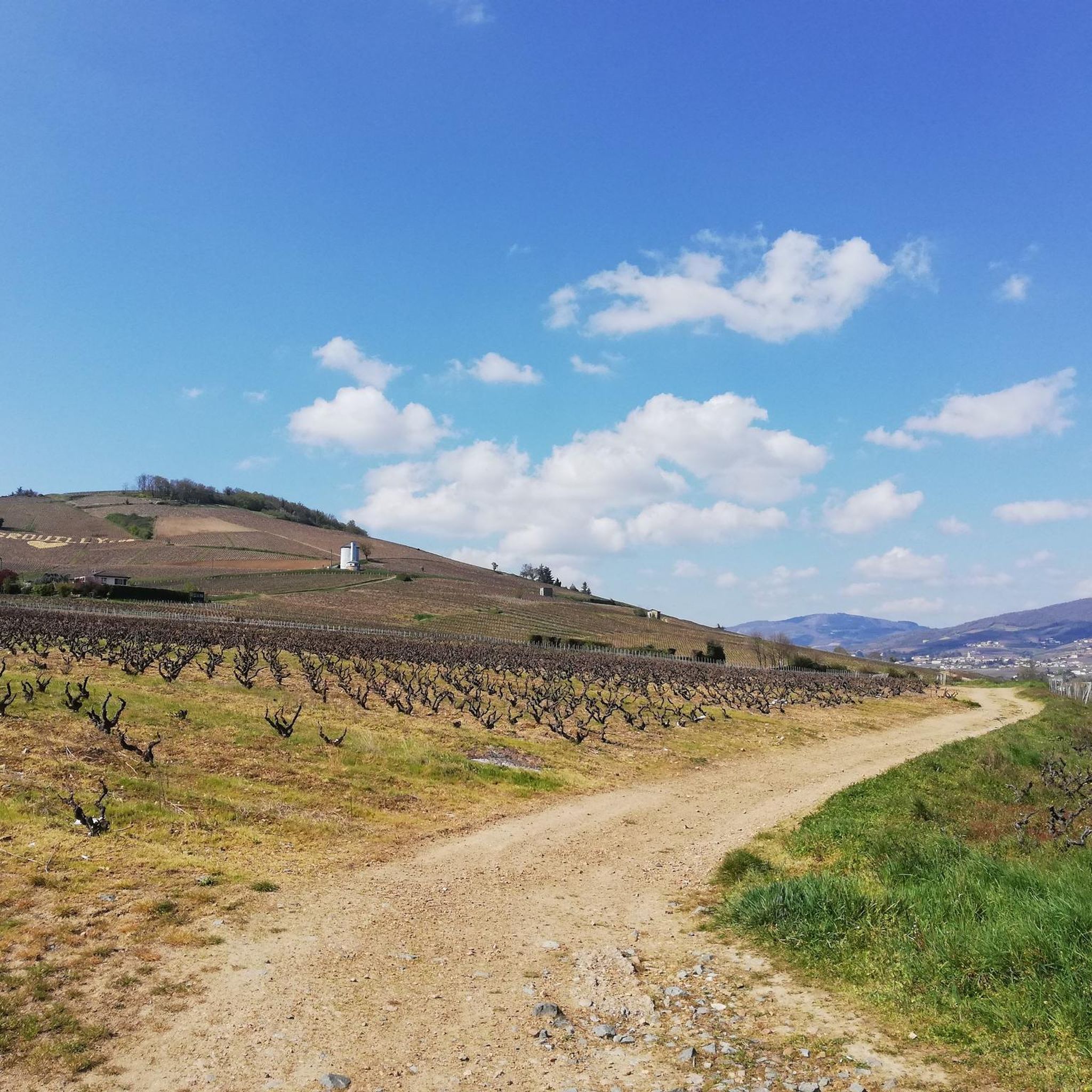
Long before the discovery of electricity and the inventions associated with it, our ancestors discovered the possibility of harnessing the power of the elements - which could be useful on the one hand, but could also be a threat as a force of nature on the other - for various purposes. A good example of the human inventiveness of earlier generations is such a mill: the heavy millstones used to grind grain or press oil, for example, could be powered by water or - as here - the wind. Hardly any of them still fulfil their original functions today, but fortunately some have at least survived as evidence of the old days.
2
0


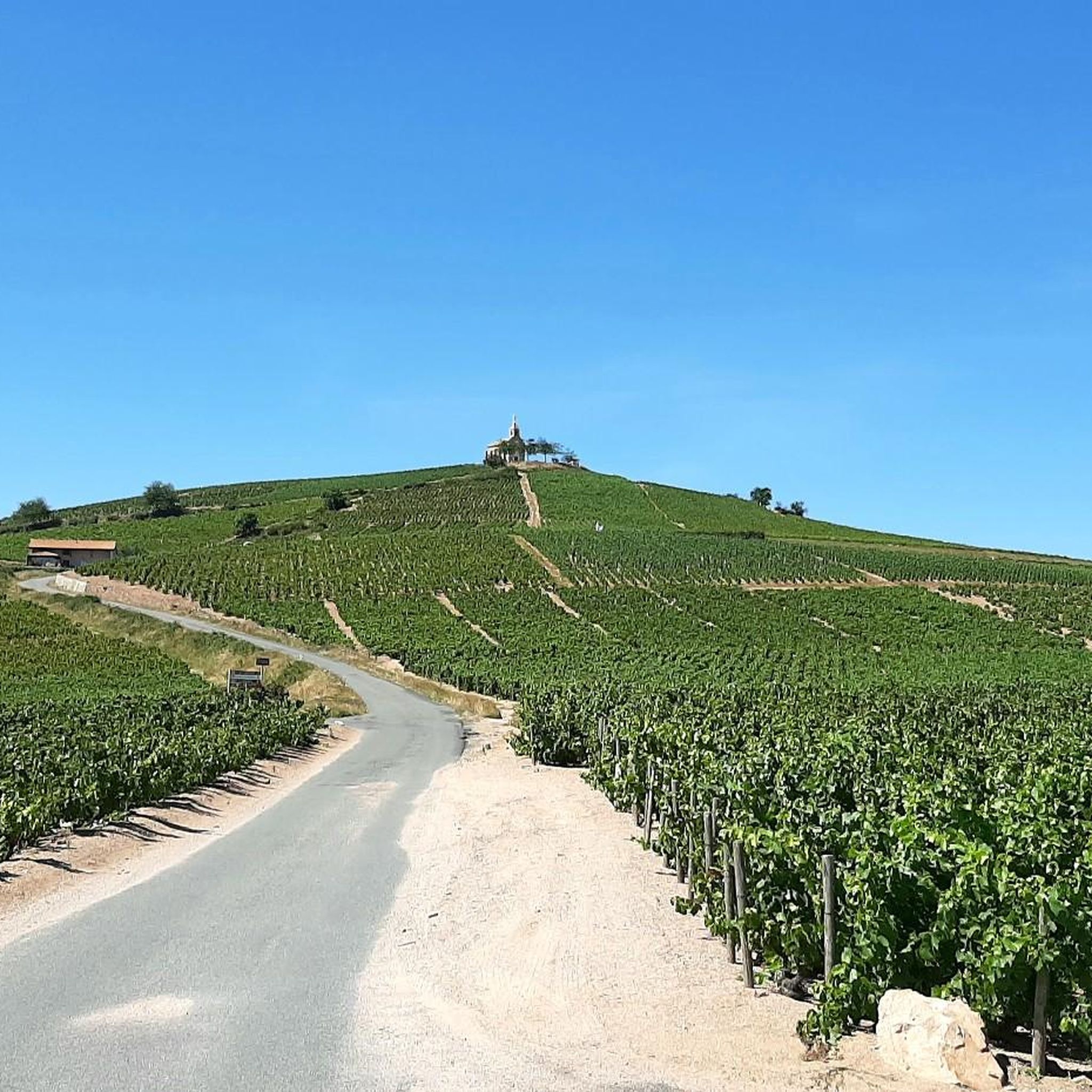
The Croix des Forces offers a beautiful panorama to the east, towards the Rhône valley. It overlooks the village of Quincié-en-Beaujolais and a picnic table is set up nearby.
1
0

Frequently Asked Questions
What historical landmarks can I explore near Saint-Jean-D'Ardières?
The region boasts several significant historical sites. You can visit the 15th-century Windmill, unique in Beaujolais for its preserved wooden guivre. Another notable site is the Cross of Forces, offering panoramic views. Further afield, the Château de Fléchères, a grand 17th-century castle, is open to the public. Don't miss Ferme Sainte-Marie in Saint-Étienne-la-Varenne, a place rich in history with splendid views of the Beaujolais valleys.
Are there any unique natural viewpoints in the Saint-Jean-D'Ardières area?
Yes, for stunning vistas, head to the Cross of Forces, which provides a beautiful panorama to the east, overlooking the Rhône valley and the village of Quincié-en-Beaujolais. Ferme Sainte-Marie also offers splendid views of the surrounding Beaujolais valleys. For a more challenging ascent, the iconic Roche de Solutré, about 19 km away, provides breathtaking panoramic views from its summit.
Where can I go for a leisurely walk or bike ride along the water?
The Towpath along the Saône provides an excellent opportunity for walks and enjoying the riverside scenery. This path, originally used for pulling boats, is now a popular route for both pedestrians and cyclists, offering a flat and scenic experience.
What kind of outdoor activities, like hiking or cycling, are available?
The area around Saint-Jean-D'Ardières is perfect for outdoor enthusiasts. You can find numerous hiking trails, especially around Ferme Sainte-Marie, which allow you to explore local flora and fauna. For cycling, the MTB Trails around Saint-Jean-D'Ardières and Gravel biking around Saint-Jean-D'Ardières guides offer routes for various skill levels. There are also Running Trails around Saint-Jean-D'Ardières, including a moderate 8.4 km loop from Saint-Jean-d'Ardières itself.
Are there family-friendly attractions in Saint-Jean-D'Ardières?
Many attractions in the area are suitable for families. The Cross of Forces has a picnic table nearby, making it a great spot for a family outing with a view. The Towpath along the Saône is also very popular with families for easy walks and bike rides. Additionally, the French and English gardens of Château de Fléchères offer pleasant spaces for a family stroll.
What cultural sites are related to the Beaujolais wine region?
As part of the Beaujolais wine region, Saint-Jean-D'Ardières is surrounded by vineyards and wineries offering tasting opportunities. The Maison des Beaujolais, inaugurated in 1952, serves as an excellent starting point for discovering the region's various appellations. The Chapelle de Brouilly, also known as Notre-Dame-du-Raisin, is a significant site of devotion for local winemakers.
Are there opportunities for longer hikes with scenic views?
Absolutely. The area around Ferme Sainte-Marie offers several trails, including a popular hike from the center of Saint-Étienne-la-Varenne that leads to the farm via viewpoints like the Trou du Loup. For a more iconic regional hike, consider Mont Brouilly, with its vine-covered flanks and rounded summit, or the accessible footpath to the summit of Roche de Solutré for expansive views.
What do visitors particularly enjoy about the attractions here?
Visitors appreciate the blend of history and natural beauty. The Cross of Forces is loved for its beautiful panorama and picnic spot. The Windmill is valued as a unique 15th-century historical monument. The Towpath along the Saône is praised for being very mobile and popular for walks and cycling, offering pleasant riverside scenery.
Where can I learn more about the Beaujolais vineyards?
The Maison des Beaujolais is an excellent information center dedicated to the Beaujolais vineyards. It provides an overview of the region's various appellations and is a great starting point for wine enthusiasts. Many local wineries also offer tours and tastings.
Are there any local markets nearby to experience local life?
Yes, you can immerse yourself in local life by visiting nearby markets. Belleville hosts a market on Tuesdays, and Montmerle-sur-Saône has one on Sundays, offering a taste of local produce and regional specialties.
What museums are available in the wider Beaujolais region?
The wider Beaujolais area offers several museums. These include the Musée Paul Dini, Musée Claude Bernard, and the unique Musée de la Musique Mécanique (Museum of Mechanical Music) in Oingt. The Hôtel-Dieu Museum in Belleville-en-Beaujolais, which operated as a hospital until 1991, also provides a fascinating glimpse into the region's past.
What is the best time to visit Saint-Jean-D'Ardières and the Beaujolais vineyards?
The Beaujolais region is beautiful throughout the year, but the best time to visit depends on your interests. Spring (April-May) offers blooming vineyards and pleasant hiking weather. Summer (June-August) is ideal for outdoor activities and enjoying the markets. Autumn (September-October) is particularly popular for the grape harvest (vendanges) and vibrant fall colors in the vineyards, making it a picturesque time for wine tasting and scenic drives.
Most popular routes around Saint-Jean-D'Ardières
Most popular attractions around Saint-Jean-D'Ardières

Get inspired with the komoot mobile app


Explore more
Still not found the Highlight you’re looking for? See guides of the top attractions in other regions:
