Top 5 Castles around Courcelles-Lès-Gisors
Best castles around Courcelles-Lès-Gisors are situated in a region historically significant for its strategic location along the Epte valley, which served as a frontier between French and Norman territories. This area is characterized by its rolling countryside and the remnants of medieval fortifications. The landscape features natural escarpments and river valleys, providing strategic positions for the numerous castles built to defend the border. Exploring these sites offers insight into centuries of conflict and architectural evolution.
Best castles around Courcelles-Lès-Gisors
- The…
Last updated: June 24, 2026
Gisors Castle
Highlight • Castle
Translated by Google •
Tip by

Castle of Château-sur-Epte
Highlight • Castle
Translated by Google •
Tip by

Sign up now to discover places like this
Get recommendations on the best single tracks, peaks, & plenty of other exciting outdoor places.
Sign up for free
Château de Boury
Highlight • Castle
Translated by Google •
Tip by
Château d'Epte cycle path
Highlight • Castle
Translated by Google •
Tip by

Ferme du Fort
Highlight • Historical Site
Tip by
Start today with a free account
Your next adventure awaits.
Login or Signup
Tips from the Community

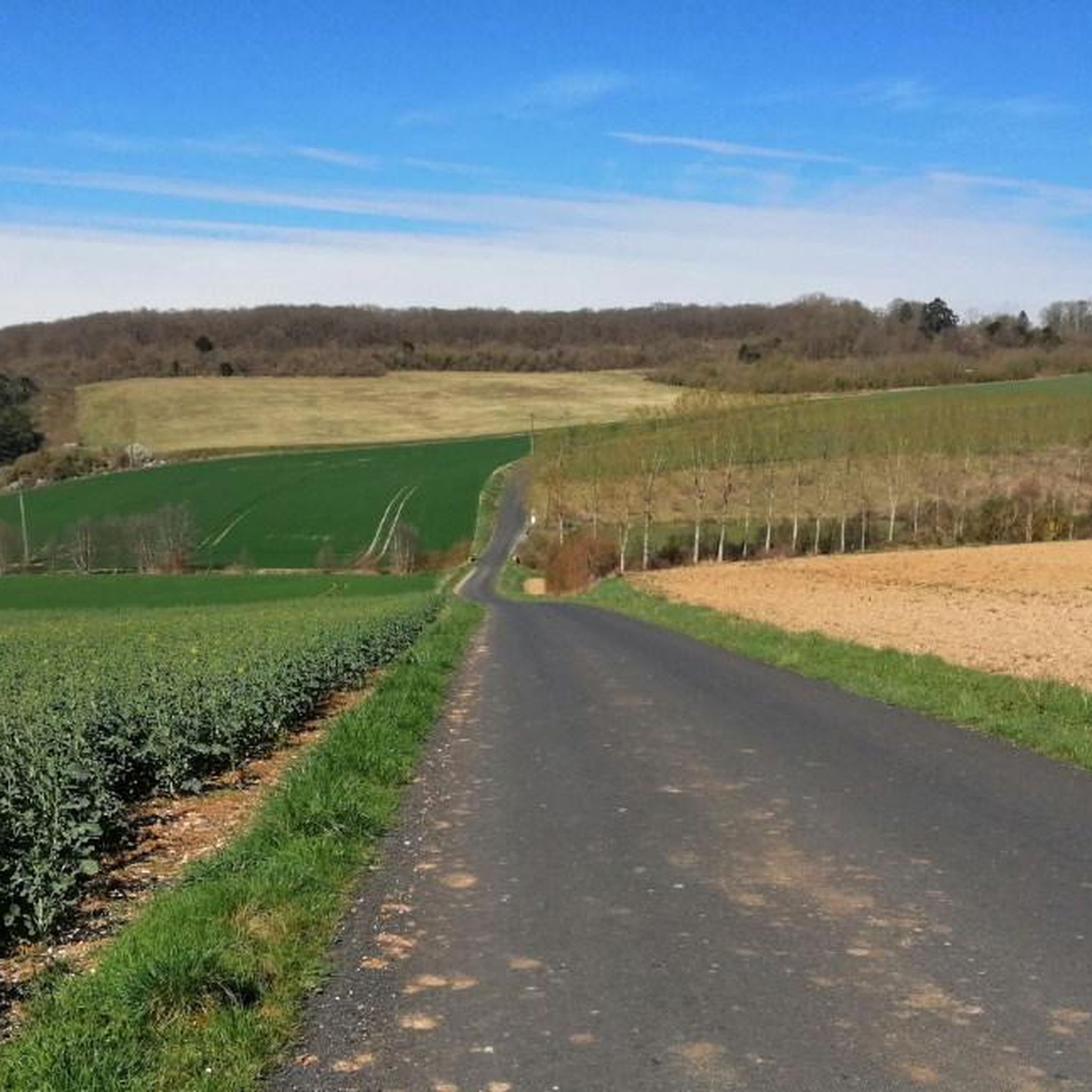
excellent greenway, well maintained.
0
0

A military fortress with a defensive purpose, built in 1097, during the reign of William the Conqueror's second son, Gisors Castle marks a major page in the medieval history of Normandy. This fortification was intended to protect the Norman possessions of the King of England against the ambitions of the King of France. A true border place and eastern lock of Normandy, it was part of a vast campaign of fortifications in the Epte Valley, the natural boundary between the two kingdoms.
0
0

Châteauneuf-sur-Epte is an ancient castle on motte which was founded in 1097 by the Duke of Normandy and whose remains stand in the French commune of Château-sur-Epte in the Eure department, in the Normandy region. It was one of the ducal castles controlling Epte, the border with the Kingdom of France. Under Henry II of England, the castle was considerably fortified.
0
0

Boury Castle is a 17th century castle built by the architect of Versailles, Jules Hardouin-Mansart. You can admire the elegant architecture and French gardens, as well as the furnished interiors, chapel and kitchen. The castle offers guided tours and activities for children, as well as a large park and playground. You can also enjoy the neighboring village of Boury-en-Vexin, once occupied by Richard the Lionheart. The Château de Boury is open on Sundays and public holidays from 2:30 p.m. to 6 p.m. during the opening period.
2
0

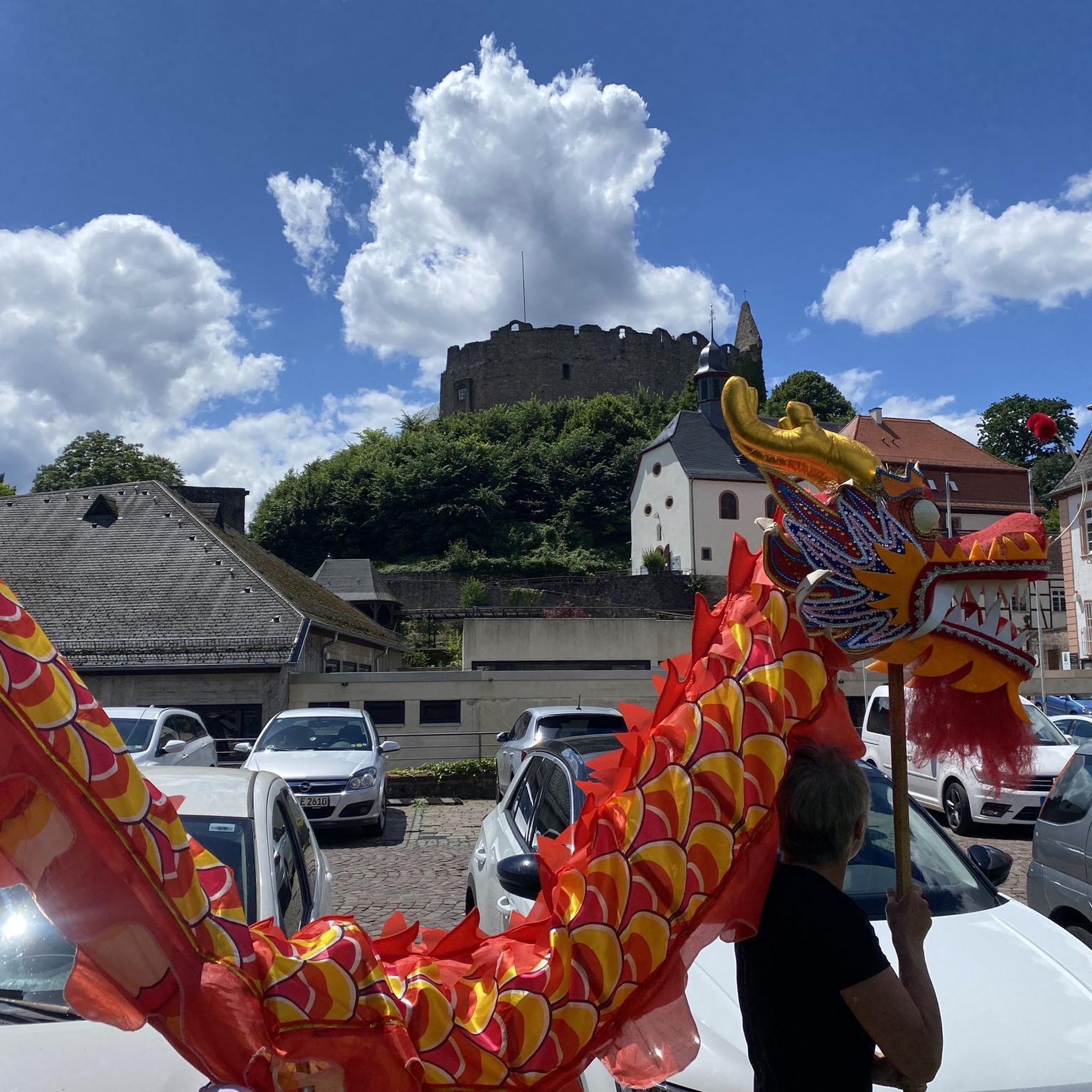
Old fortified castle, built between the end of the 11th and the 12th century, today in ruins.
0
0

The Château de Gisors is a castle located in the Eure department. The castle was a key fortress of the Dukes of Normandy in the 11th and 12th centuries. Its purpose was to defend the Anglo-Norman territory of the Vexin from the claims of the King of France.
0
0
If you are looking for a historical and scenic hike in the Eure department of Normandy, you might want to visit the Ferme du Fort in Authevernes. This fortified farm dates back to the 12th century and was once owned by the seigneur of Chaumont. It has a massive wall enclosing a high and low courtyard, a tower, and a manor house. You can admire the medieval architecture and the beautiful garden that the current owners have restored. The farm is open for visits on Mondays and you can enjoy the views of the rolling countryside and the Epte valley. The Ferme du Fort is a hidden gem that will take you back in time.
4
0
Visit of Château-sur-Epte castle, a medieval ruin dating from the 11th century. The castle was built by William II of England to defend his Norman lands against the French, and has witnessed several sieges and battles over the centuries. You can explore the remains of the stone keep, curtain wall, gates and barn, and imagine what life was like in this frontier fortress. The castle is private property, but you can contact the owner to arrange a visit. Happy hiking and don't forget to pack your camera! 📷
3
0
Frequently Asked Questions
What is the historical significance of castles in the Courcelles-lès-Gisors region?
The castles in this region, such as the Château de Gisors and the ruins of Château de Courcelles-lès-Gisors, were strategically built along the Epte valley. This area served as a crucial frontier between French and Norman territories from the 11th century onwards. They played a vital role in medieval conflicts, defending borders and witnessing significant events involving figures like Richard the Lionheart.
Which castles are associated with famous historical figures or legends?
The Château de Gisors is famously linked to the Knights Templar, having been entrusted to them and later serving as a prison for the last Grand Master, Jacques de Molay. It's also associated with the legend of the Templar treasure. The ruined Château de Courcelles-lès-Gisors holds historical significance for its capture and damage by Richard the Lionheart in 1198.
Are there family-friendly castles to visit around Courcelles-lès-Gisors?
Yes, several castles offer family-friendly experiences. The Château de Gisors is a great option with its expansive park and historical reenactments. Château de Boury provides guided tours and activities specifically for children, alongside its beautiful French gardens.
What kind of outdoor activities can I do near these castles?
The region offers various outdoor activities. You can explore running trails, such as the 'Epte Valley loop from Dangu' or 'Gisors Castle – Gisors Castle loop from Dangu'. For mountain biking, consider routes like 'Le Moulin de Fourges – Gisors Castle loop from Gisors'. Road cycling enthusiasts can enjoy the 'Great Loop of Gisors'. You can find more details on these routes in the Running Trails, MTB Trails, and Road Cycling Routes guides around Courcelles-lès-Gisors.
Can I find scenic views from the castles in the area?
Absolutely. From the towers of the Château de Gisors, you can enjoy sweeping views of the medieval town of Gisors and the surrounding Norman countryside. The large park around the castle also offers picturesque vistas. Additionally, the Ferme du Fort provides views of the rolling countryside and the Epte valley.
Are there any ancient castle ruins to explore?
Yes, the region is home to significant ruins. The Château de Courcelles-lès-Gisors, though largely in ruins, offers a tangible connection to 11th-century border conflicts, with remnants like the southern wall of the keep and parts of the curtain wall still visible. The Castle of Château-sur-Epte is another medieval ruin dating from the 11th century, where you can explore the remains of a stone keep, curtain wall, and gates.
What makes Château de Boury unique among the castles in the region?
Château de Boury stands out with its elegant 17th-century architecture, designed by Jules Hardouin-Mansart, the architect of Versailles. Unlike many medieval fortresses, it offers beautifully preserved French gardens and furnished interiors, providing a glimpse into a later period of French aristocratic life. Guided tours are available during its opening period.
What should I expect when visiting the Château de Gisors?
When visiting the Château de Gisors, you can explore its impressive castral architecture, including a prominent circular keep, double curtain walls, and defensive moats. Highlights include the Barbican, the Prisoner's Tower, and the dungeon room with its magnificent graffiti. The castle is open to the public, offering guided tours and historical reenactments, and is surrounded by a large, accessible park.
Are there any fortified farms or unique historical sites besides traditional castles?
Yes, the Ferme du Fort in Authevernes is a notable example. This fortified farm dates back to the 12th century and features a massive wall enclosing high and low courtyards, a tower, and a manor house. It offers a unique perspective on medieval architecture and rural defense, with a beautifully restored garden by its current owners.
What do visitors enjoy most about the castles around Courcelles-lès-Gisors?
Visitors appreciate the rich historical experience and the opportunity to connect with centuries of conflict and architectural evolution. The blend of ancient medieval ruins, like the Castle of Château-sur-Epte, and well-preserved châteaux, such as Château de Boury, offers diverse insights. The strategic locations often provide scenic views, and the association with legendary figures adds to the allure.
Are there any dog-friendly options for exploring castles or their surroundings?
While direct access for dogs inside all castle structures may vary, the Château d'Epte cycle path is noted as dog-friendly, offering a way to explore the historical remnants and surrounding greenery with your canine companion. The large park surrounding the Château de Gisors is also generally accessible for walks.
What is the best time to visit the castles in this region?
The best time to visit is typically from spring to early autumn (April to October) when the weather is mild, and the gardens are in full bloom. Many castles, like Château de Boury, have specific opening periods during these months. Visiting during these times also allows for comfortable exploration of outdoor ruins and scenic walks.
Most popular routes around Courcelles-Lès-Gisors
Most popular attractions around Courcelles-Lès-Gisors

Get inspired with the komoot mobile app


Explore more
Looking for the best castles somewhere else? Discover other guides around Courcelles-Lès-Gisors:
