Top 4 Castles around Orrouy
Best castles around Orrouy offer a journey through centuries of French history and architectural evolution. Orrouy, a commune in the Oise department, is notable for its historical sites, particularly the Château d'Orrouy. This castle, with origins tracing back to the 15th century, underwent significant 19th-century redesigns in a Gothic Revival style and overlooks the Automne valley. The region features 4 castles, providing insights into various historical periods and architectural transformations.
Best castles around Orrouy
- The most popular castles is Pierrefonds…
Last updated: October 18, 2026
Pierrefonds Castle
Highlight • Castle
Translated by Google •
Tip by

Douye Castle
Highlight • Historical Site
Translated by Google •
Tip by

Sign up now to discover places like this
Get recommendations on the best single tracks, peaks, & plenty of other exciting outdoor places.
Compiègne Palace - Les Beaux Monts
Highlight (Segment) • Castle
Translated by Google •
Tip by

Château de Raray
Highlight • Castle
Translated by Google •
Tip by

What a castle!
Highlight • Viewpoint
Translated by Google •
Tip by

Start today with a free account
Your next adventure awaits.

Tips from the Community

The castle has not been under renovation for a long time. A pleasure for the eyes.
0
0


This castle is simply magnificent and worth a visit too!!!!
1
0

Château de Pierrefonds with track to climb onto the square
0
0

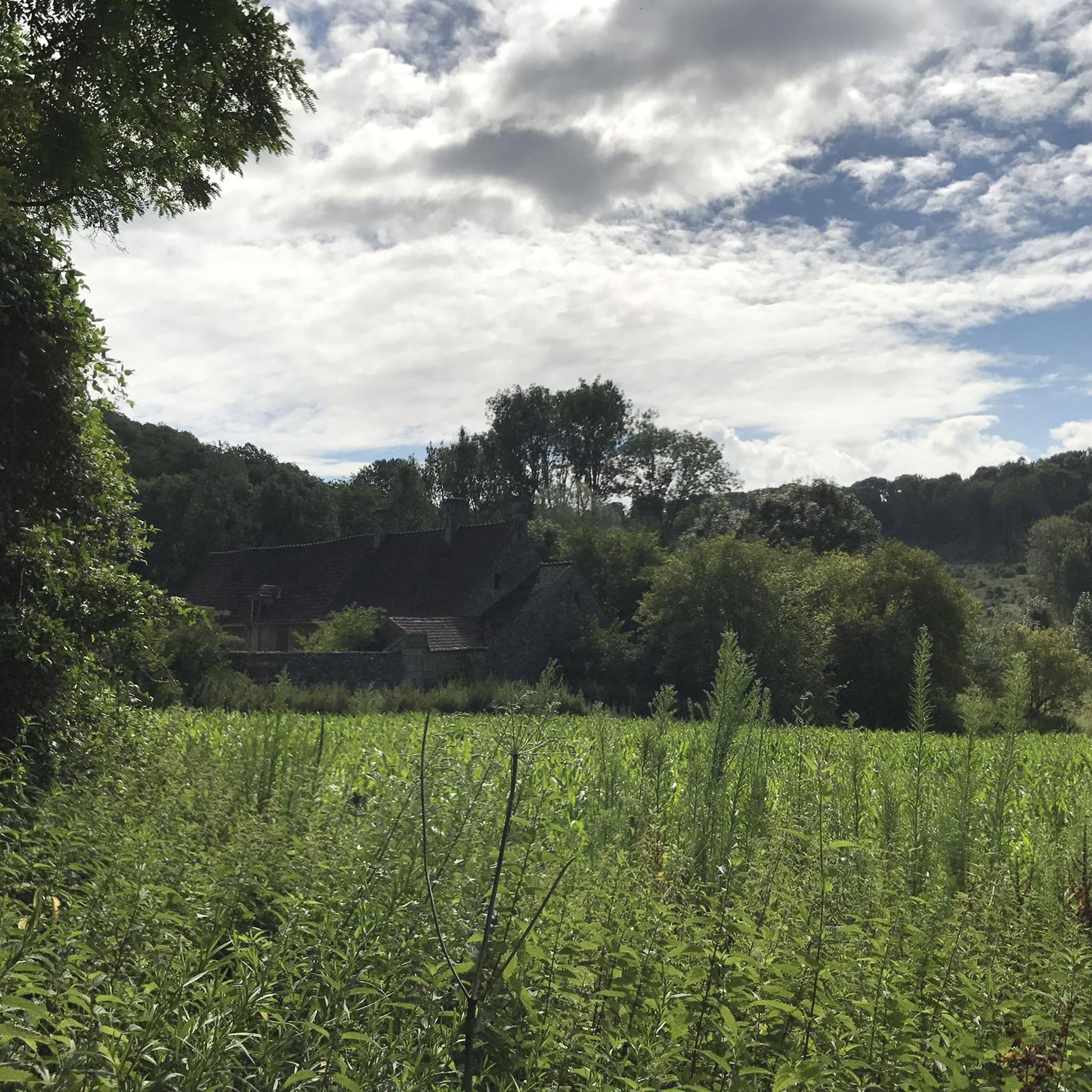
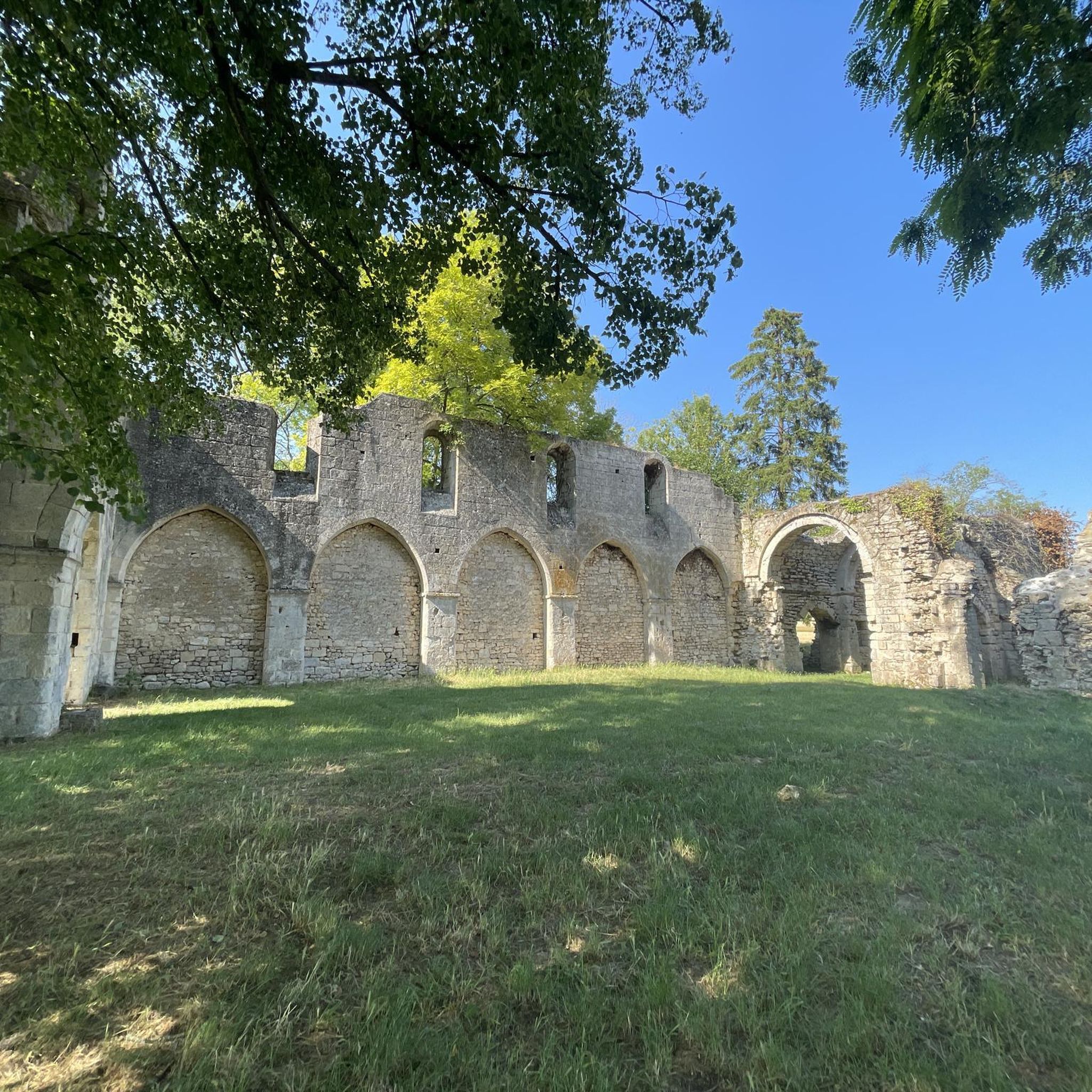
The oldest building within the grounds of the Château de la Douye is what appears to be part of the “Grand Hôtel” built by King John II the Good in 1344 and partially destroyed during the 100 Years' War. John II liked Bethisy which he called his “desert”. He made numerous stays there. The Château de la Douye is more recent. It is described as a composite manor, made up of two buildings at right angles: one very simple, is from the 17th century; the other contains the chapel whose window with flamboyant tracery retains stained glass. At the intersection a 15th century staircase turret. The history of the castle is little known. The first owners seem to have been the Anthonis, lords of Douye. Around 1475, Gilles Anthonis, Lord of Douye, Baron and Vémars, was Notary and Secretary to King Louis XI and hereditary Gruyer of Béthisy, in the forest of Cuise. Subsequently, for example, it was the turn of Berthelemy (1570), Le Doux (1655) and Beaurain (1762). More recently, La Douye welcomed the Missionary Sisters of the Holy Spirit. Numerous works have now completely transformed the interiors. The stained glass window is also more modern. Around 1820 the arms of Charles VI and VII were visible on the turret and in the chapel. Charles VI, the beloved or the madman, king of France from 1380 to 1422. Charles VII, the victorious, king of France from 1422 to 1461.
0
0

The Château de la Douye in Béthisy-Saint-Pierre is a composite manor, formed by two buildings at right angles: one very simple, from the 17th century; the other contains the chapel with flamboyant windows and stained glass. At the intersection there is a 15th century stair turret. The Château de la Douye is surrounded by a large park and faces the two turrets that remain from the medieval castle of King John II the Good, who built the "Grand Hôtel" in 1344 and partially destroyed it during the Hundred Years' War. You can also admire the old mill on the Automne river, which crosses the territory of the commune.
2
0

What a powerful facility! No wonder Napoleon III set up his private residence here. Violet le Duc expanded the medieval fortress into a magnificent castle and if you want to experience it on film, you can see it in "The Man with the Iron Mask" (Leonardo the Caprio). Very worthwhile, and of course surrounded by crowds of tourists.
2
0

Pierrefonds Castle has many stories to tell. It was built towards the end of the 14th century by the Duke of Orléans. Dismantled in the 17th century and left in ruins for years, it was rebuilt on the orders of Napoleon III. The result is a castle with a medieval and defensive appearance.
2
0
Frequently Asked Questions
What are some of the most notable castles to visit around Orrouy?
The region around Orrouy features several impressive castles. Among them are Pierrefonds Castle, a magnificent fortress rebuilt by Napoleon III, and Compiègne Palace - Les Beaux Monts, known for its imperial connections. You can also explore Douye Castle with its blend of 15th and 17th-century architecture, and the historic Château de Raray.
What is the historical significance of the Château d'Orrouy?
The Château d'Orrouy, while a private property, is a significant historical monument with origins in the 15th century, though it was largely redesigned in the 19th century in a Gothic Revival style. It overlooks the Automne valley and served as a guard tower during the Hundred Years' War. Notably, it was owned by Count Armand Doria, a patron of Impressionist painters, and hosted artists like Corot and Manet. It also served as a command post during WWI for the Champlieu tank camp.
Are there family-friendly castles in the Orrouy area?
Yes, several castles around Orrouy are considered family-friendly. Pierrefonds Castle, Douye Castle, and Château de Raray are all categorized as family-friendly, offering engaging experiences for visitors of all ages.
Which castles are known for their unique architecture or historical evolution?
Pierrefonds Castle is a prime example, rebuilt by Napoleon III to embody a medieval and defensive appearance. The Château d'Orrouy showcases an evolution from medieval foundations to a 19th-century neo-Gothic style. Douye Castle is a composite manor featuring 17th-century buildings alongside a 15th-century stair turret and remnants of a medieval castle.
What kind of outdoor activities can I do near these castles?
The region offers various outdoor activities. You can find numerous road cycling routes, such as the 'Joan of Arc Tower (Compiègne) – Château de Compiègne loop' or the 'What a castle! – View of Pierrefonds Castle loop'. There are also running trails, including the 'Champlieu Ruins Trail' and a 'Château d'Orrouy loop'. For gravel biking, explore routes like 'The Retz Forest and the Automne Valley'. You can find more details on these activities in the Road Cycling Routes around Orrouy, Running Trails around Orrouy, and Gravel biking around Orrouy guides.
Are there hiking trails near the castles around Orrouy?
While specific hiking trails directly from each castle are not detailed, the area around Orrouy offers running trails that can be adapted for walking or hiking. For example, there's the 'Champlieu Ruins Trail' and a 'Château d'Orrouy loop' which provide opportunities to explore the natural surroundings. For more options, check the Running Trails around Orrouy guide.
What do visitors enjoy most about the castles in this region?
Visitors appreciate the rich history and architectural beauty of the castles. For instance, Pierrefonds Castle is loved for its imposing medieval appearance and its role as a film set, with many enjoying the atmosphere by the lake. The historical connections, such as Napoleon I's influence at Compiègne Palace, also draw significant interest. The blend of styles and the extensive parks, like at Douye Castle, are also highly valued.
Can I find castles with connections to famous historical figures?
Absolutely. Pierrefonds Castle was rebuilt on the orders of Napoleon III. Compiègne Palace - Les Beaux Monts is strongly associated with Napoleon I and Empress Marie-Louise. The Château d'Orrouy has ties to Count Armand Doria, a patron of Impressionist artists, and served as a WWI command post under General Jean Baptiste Eugène Estienne.
Are there any castles that offer more than just historical tours, like golf or accommodation?
Yes, Château de Raray is an exceptional site that not only offers a journey through eight centuries of history but also provides opportunities for playing golf or even staying in a cabin in the trees.
What kind of natural features can be seen near the castles?
The Château d'Orrouy overlooks the Automne valley, offering picturesque views. Near Compiègne Palace, you can climb to the Beaux Monts for breathtaking views of Compiègne and its forest. Douye Castle is surrounded by a large park and features the Automne river crossing the commune's territory.
Is there a castle that has served as a film set?
Yes, Pierrefonds Castle is a powerful castle complex that has often served as a film set due to its imposing medieval and defensive appearance.
What is the best time to visit the castles around Orrouy?
While specific seasonal recommendations are not provided, visiting during spring or autumn generally offers pleasant weather for exploring the castle grounds and surrounding areas. These seasons often provide comfortable temperatures for outdoor activities and fewer crowds than peak summer months.
Most popular attractions around Orrouy

Get inspired with the komoot mobile app


Explore more
Looking for the best castles somewhere else? Discover other guides around Orrouy:
