Attractions and Places To See around Quillebeuf-Sur-Seine - Top 20
Best attractions and places to see around Quillebeuf-Sur-Seine are shaped by its strategic location at the mouth of the Seine estuary in Normandy. This commune in the Eure department offers a blend of historical landmarks and natural beauty. Visitors can explore sites reflecting its maritime past and picturesque setting. The area features unique natural reserves and architectural styles characteristic of Norman river ports.
Best attractions and places to see around Quillebeuf-Sur-Seine
- The most popular attractions is Les Chaumières, which…
Last updated: July 6, 2026
Marais Vernier Viewpoint
Highlight • Viewpoint
Translated by Google •
Tip by

Saint-Thomas-Becket Chapel
Highlight • Religious Site
Translated by Google •
Tip by

Sign up now to discover places like this
Get recommendations on the best single tracks, peaks, & plenty of other exciting outdoor places.
Sign up for free
Marais-Vernier Village and Thatched Cottages
Highlight • Settlement
Translated by Google •
Tip by

Tancarville Bridge
Highlight • Other
Translated by Google •
Tip by

Les Chaumières
Highlight • Other
Translated by Google •
Tip by

Sign up for free to discover even more attractions around Quillebeuf-Sur-Seine.
Sign up for free
Already have an account?
Start today with a free account
Your next adventure awaits.
Login or Signup



Tips from the Community

When we encounter the patronage of Saint Thomas, most people outside Great Britain probably think involuntarily of the time of Christ, some two thousand years back. This is because one of the twelve apostles whom Jesus called to follow him bears this name. In the Gospels, he is known as "Didymos," which means "twin" in Greek. In this case, however, the chosen patronage refers to Saint Thomas Becket (1118–1170), also known as Thomas of Canterbury after the place of his episcopal see and martyrdom. Canterbury Cathedral (Kent, England) can be visited—at least virtually—via the komoot system at the following link: =>> https://www.komoot.com/de-de/highlight/231266
1
0

Beautiful walk that gives a good and beautiful impression of nature and its inhabitants
0
0

The Grand'Mare observatory (free) has been renovated and rebuilt for a few months after two years of work. It's a magnificent view of the birds returning en masse, and luckily, the horses roaming free. Pure bliss.
0
0

A bucolic route, the fruit and cottage route are very pleasant, the roads are not heavily used. Not many villages crossed, watch out for refreshments, restaurants...especially on Mondays! Rather easy route by mountain bike
0
0

The Saint-Thomas-Becket maladrerie is made up of the ruins of a leprosarium and a chapel dedicated to Saint Thomas Becket, martyr killed in 1170 on the orders of King Henry II of England.
4
0

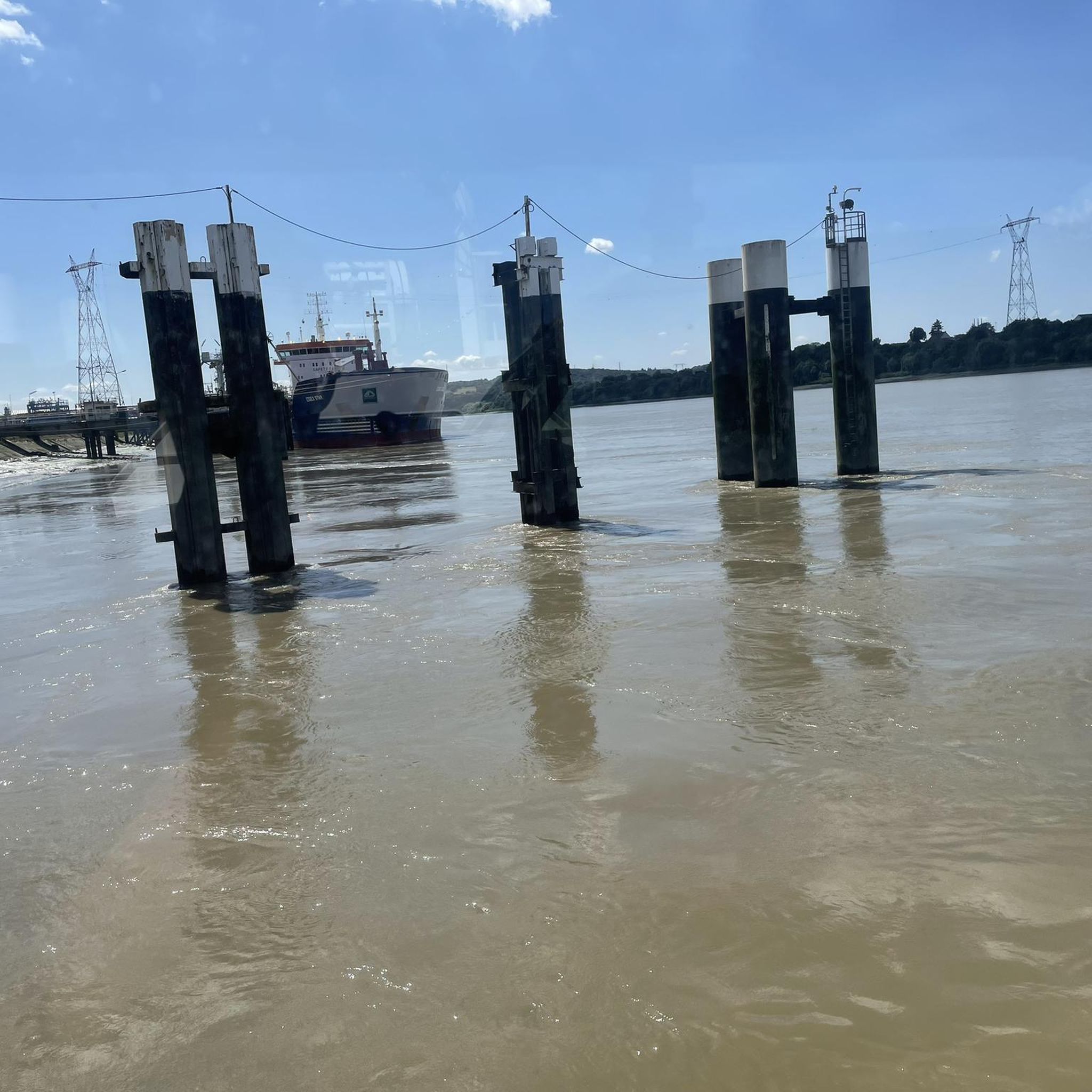
One of the two famous bridges in the region (along with the Normandy Bridge), the Tancarville Bridge is an impressive suspension bridge which allows you to cross the Seine. This impressive structure is worth the detour and to be seen.
0
0

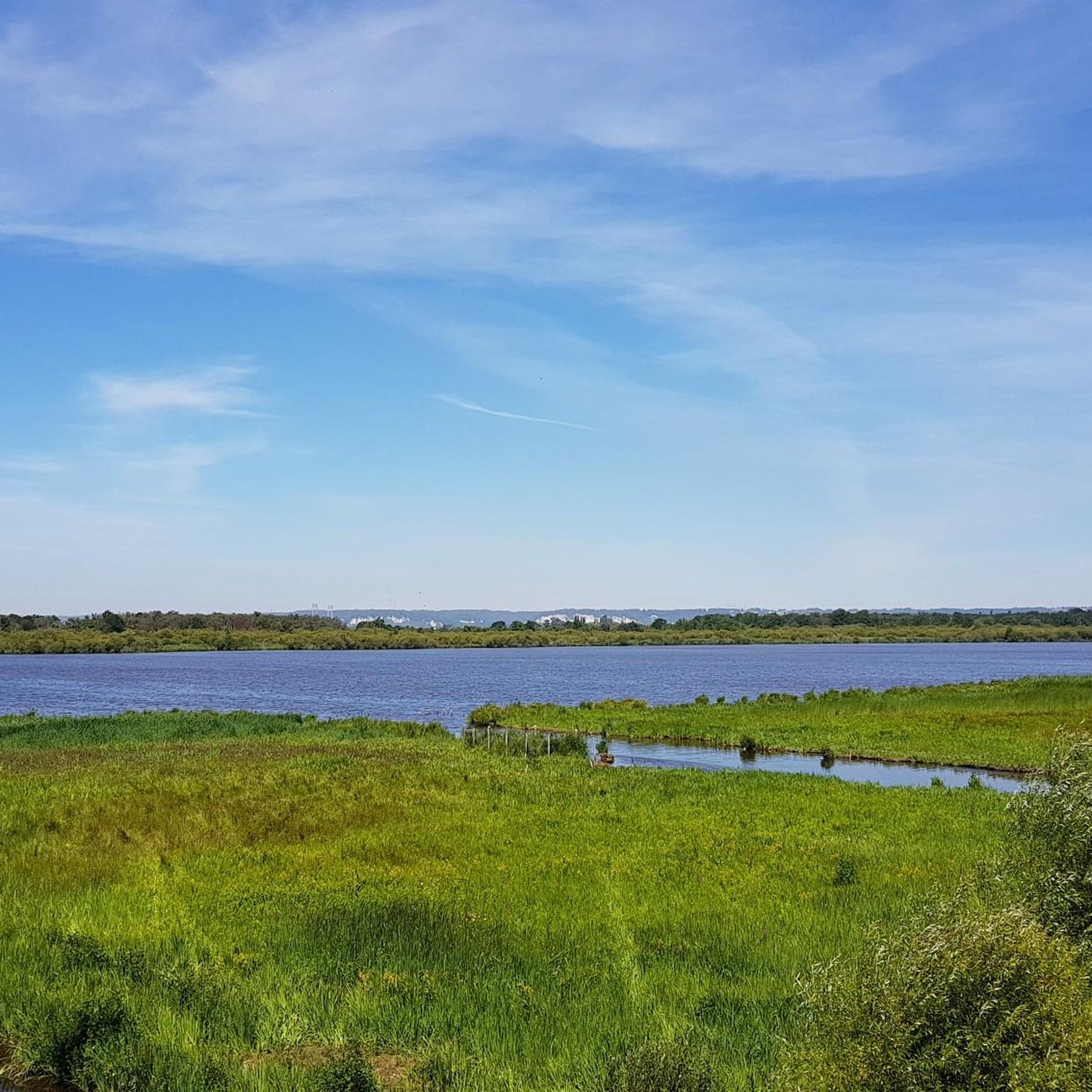
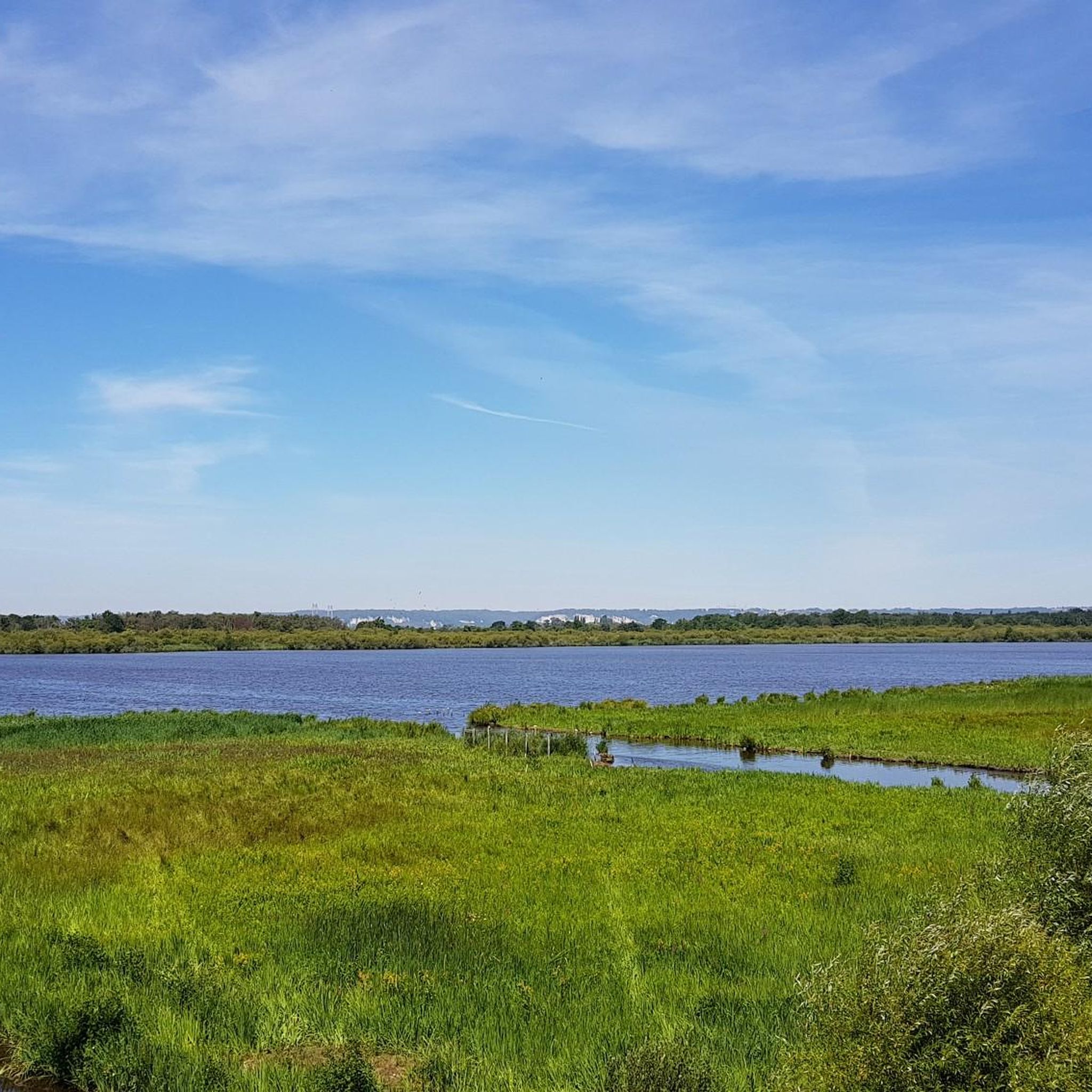
Beautiful view of the Marais Vernier natural site. I had, when I was 18, the honor and the pleasure of working there in the company of several biologists. It is an exceptional site due to the richness of its fauna. On site live Camargue horses, Hyland cattle, Scottish sheep, gray herons and many other species. A few group visits are regularly organised. To participate, you must register in advance on the Marais Vernier nature reserve website.
1
0
The Marais-Vernier Orientation Table is a viewpoint overlooking the Marais Vernier, a vast wetland area home to a very diverse fauna and flora. The orientation table allows you to appreciate the panoramic view of the marsh and its unique agricultural plots, called courtils, by helping you to identify landmarks. You may be able to spot rare birds like osprey, heron, falcon or stork. The Marais Vernier is a natural wonder that offers a variety of landscapes and terrains for runners.
2
0
Frequently Asked Questions
What historical landmarks can I explore in Quillebeuf-sur-Seine?
Quillebeuf-sur-Seine offers a rich history tied to its maritime past. You can visit the iconic Lighthouse of Quillebeuf, dating back to 1853, which once guided ships through the Seine estuary. The town also features significant religious sites like the 15th-century Saint-Thomas-Becket Chapel, and the Gothic Saint-Michel Church with its distinctive wooden bell tower. Don't miss the preserved Renaissance-era half-timbered houses, such as the "Sergenterie" (Rouennerie), which showcase the town's unique architectural heritage.
Where can I find the best views of the Seine estuary?
For spectacular panoramas of the Seine estuary, head to the esplanade of the Lighthouse of Quillebeuf. This spot offers expansive views of the river's wide meander. Additionally, high alleys like Rue des Moulins provide superb vantage points over the waterway. Another excellent location is the Marais Vernier Viewpoint, which provides a panoramic outlook over the vast wetlands and the Seine.
Are there any unique natural reserves near Quillebeuf-sur-Seine?
Yes, approximately 15 kilometers away, you'll find the Marais Vernier, a distinctive natural reserve classified under Natura 2000. This peat basin, formed by an ancient meander of the Seine, is a haven for over 200 bird species, including the white stork. The area is also known for its traditional thatched-roof cottages, or Les Chaumières, which add to its unique charm.
What kind of unique architecture can I see in the area?
The region is famous for its traditional thatched-roof cottages, known as Les Chaumières, especially prominent in the Marais Vernier area. Many of these are classified or lovingly restored. In Quillebeuf-sur-Seine itself, you can admire well-preserved Renaissance-era half-timbered houses, such as the "Sergenterie" (Rouennerie), which dates to the 16th century and displays emblems of Rouen.
What outdoor activities are available around Quillebeuf-sur-Seine?
The area around Quillebeuf-sur-Seine offers various outdoor activities. You can explore numerous routes for road cycling, gravel biking, and running. For example, there are easy road cycling loops like the "Marais Vernier Viewpoint – Pont-Audemer loop" or moderate gravel biking routes such as the "Marais Vernier Viewpoint – Les Chaumières loop." You can find more details and routes on the Road Cycling Routes around Quillebeuf-Sur-Seine, Gravel biking around Quillebeuf-Sur-Seine, and Running Trails around Quillebeuf-Sur-Seine guide pages.
Are there family-friendly attractions in Quillebeuf-sur-Seine?
Yes, several attractions are suitable for families. The Marais Vernier Viewpoint offers a great opportunity for families to observe diverse birdlife and enjoy scenic views. The Saint-Thomas-Becket Chapel, with its historical ruins, provides an interesting and peaceful walk. Exploring the village of Marais-Vernier Village and Thatched Cottages is also a charming experience for all ages.
What is the significance of the Seine River to Quillebeuf-sur-Seine?
The Seine River is central to Quillebeuf-sur-Seine's identity and history. Situated at the mouth of its estuary, the town was once a vital port, with quays constructed from 1699. Its strategic, yet hazardous, location due to sandbanks and strong currents made it crucial for river navigation. The town's legacy is deeply intertwined with its sailors and river pilots, and you'll find ship models as ex-votos in churches like Notre-Dame de Bon Port, narrating this rich maritime history.
Can I cross the Seine River near Quillebeuf-sur-Seine?
Yes, the Le Bac (Ferry) service connects Quillebeuf-sur-Seine to Port-Jérôme on the opposite bank of the Seine. It's an integral part of daily life and offers an interesting experience for visitors, transporting both vehicles and pedestrians across the river.
What do visitors enjoy most about the attractions around Quillebeuf-sur-Seine?
Visitors particularly appreciate the blend of historical charm and natural beauty. The traditional thatched-roof cottages, like Les Chaumières, are often highlighted for their beauty and unique character. The panoramic views from the Marais Vernier Viewpoint and the peaceful, historical atmosphere of sites like the Saint-Thomas-Becket Chapel are also highly rated.
Are there any impressive bridges or engineering marvels nearby?
Yes, the Tancarville Bridge is an impressive suspension bridge located nearby, allowing you to cross the Seine. It's an engineering marvel, notable for having one of the longest central spans in Europe when it was built. While you can cross it by bike, be aware of traffic. It's worth seeing for its sheer scale and design.
What is the best time to visit Quillebeuf-sur-Seine for outdoor activities?
The region is generally pleasant for outdoor activities from spring through early autumn. During these months, the weather is typically mild, making it ideal for exploring the natural reserves, enjoying river views, and engaging in cycling or running on the various trails. The Marais Vernier is particularly vibrant during spring and summer with its rich birdlife.
Are there any hidden gems or less-known spots to discover?
Beyond the main landmarks, you can discover the town's three public wells, including one near the Calvary and another at the bottom of Rue Eugène Supplice, offering a glimpse into local history. Exploring the remnants of 16th and 17th-century fortifications within the urban fabric also provides a sense of Quillebeuf-sur-Seine's strategic past as a protected trading post.
Most popular routes around Quillebeuf-Sur-Seine
Most popular attractions around Quillebeuf-Sur-Seine

Get inspired with the komoot mobile app


Explore more
Still not found the Highlight you’re looking for? See guides of the top attractions in other regions:
