Attractions and Places To See around Le Torpt - Top 20
Best attractions and places to see around Le Torpt include a diverse landscape shaped by the Risle and Seine rivers. This region features wetlands, historic settlements, and natural areas like the Marais-Vernier, known for its unique ecosystem of wet meadows and peat bogs. Visitors can explore a variety of outdoor attractions near Le Torpt, from greenways to scenic viewpoints. The area offers a mix of cultural sites and natural beauty.
Best attractions and places to see around Le Torpt
- The…
Last updated: October 9, 2026
Pont-Audemer
Highlight • Settlement
Translated by Google •
Tip by

Marais Vernier Viewpoint
Highlight • Viewpoint
Translated by Google •
Tip by

Sign up now to discover places like this
Get recommendations on the best single tracks, peaks, & plenty of other exciting outdoor places.
Marais-Vernier Village and Thatched Cottages
Highlight • Settlement
Translated by Google •
Tip by

⛪✨Saint-Maclou de Conteville - Catholic Church
Highlight • Religious Site
Translated by Google •
Tip by

Monument aux morts
Highlight • Other
Translated by Google •
Tip by

Sign up for free to discover even more attractions around Le Torpt.
Already have an account?
Start today with a free account
Your next adventure awaits.



Tips from the Community

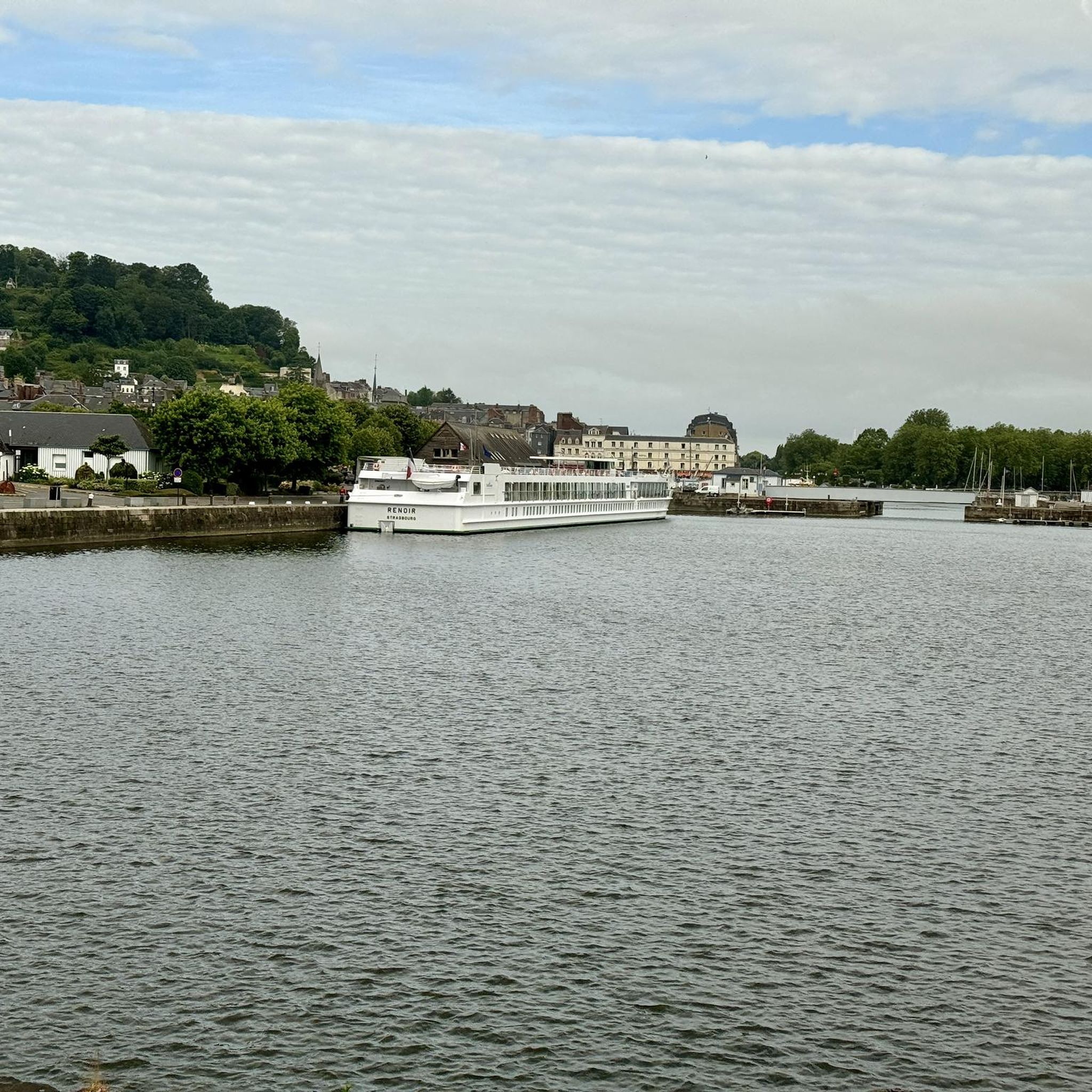
Amazing city crisscrossed by multiple canals or streams of the Risle.
0
0

Current opening hours (July 7, 2025): 9:30 a.m. - 6:00 p.m.
1
0
A beautiful church with a small park. Inside, several panels comment on the life of François Rever.
1
0

Church in Romanesque style - the previous building from 541 was destroyed by the Vikings 300 years later.
1
0

Dedicated to Saint Maclou, the church of Conteville depended on the bishop of Dol-de-Bretagne. Its plan is characterized by a nave of three bays from the 13th century and a recessed choir with a flat chevet rebuilt in the 16th century. The roof is made of slate. The church is accessed by a bell tower-porch built to the west of the nave in the 18th century. It is built in brick and cut stone, and topped with a polygonal spire. A sacristy is attached to the north wall of the choir. The entire building is covered with a shingle vault supported by a 15th century frame with careful ornamentation. The triumphal arch at the entrance to the choir is decorated with a torus. The three pointed bays of the south wall of the nave date from the Renaissance: Among the furnishings, it is worth mentioning the baptismal font from the 12th century as well as the high altar from the Louis XV period topped with its lambrequin canopy. Near the church, a monument was erected in honor of Abbot Gilles François Rever de Beauvez (1753-1828), parish priest from 1784 until his death and one of the most prominent figures in the department. Despite the major restoration work carried out in 1893 by Chavlon, an architect in Pont-Audemer, the church of Conteville still retains a special character that earned it a place on the “Circuit of Romanesque churches in the canton of Beuzeville”. In 1999, the Sauvegarde de l’Art français granted a grant of 50,000 F for the restoration of the west gable.
0
0

As a memorial to the many dead, such a "MONUMENT AUX MORTS" (usually called a "Central Memorial" or "War Memorial" in German-speaking countries) is still very important today. "Now, Lord, you let your servant depart in peace, as you have said..." it says in the so-called "Hymn of Simeon" (Luke's Gospel, Chapter 2, Verse 29). However, the people who are remembered here did not depart in peace, but became victims of war and tyranny. Therefore, the term "Fallen Memorial" is now sometimes used instead of the "War Memorial" that was previously common in German. In the French-speaking world, however, this aspect of commemoration of the dead has long been included in the most commonly used term "MONUMENT AUX MORTS". Regardless of language and nation, such a memorial has two important and at the same time everlasting tasks: -1- to keep the memory of the suffering and horror of war alive, -2- and to remind people of the need to maintain peace in the long term.
0
0

There is a very nice little street between rue de la République and rue Sadi Carnot, it is rue Paul Clémencin. To have
1
0
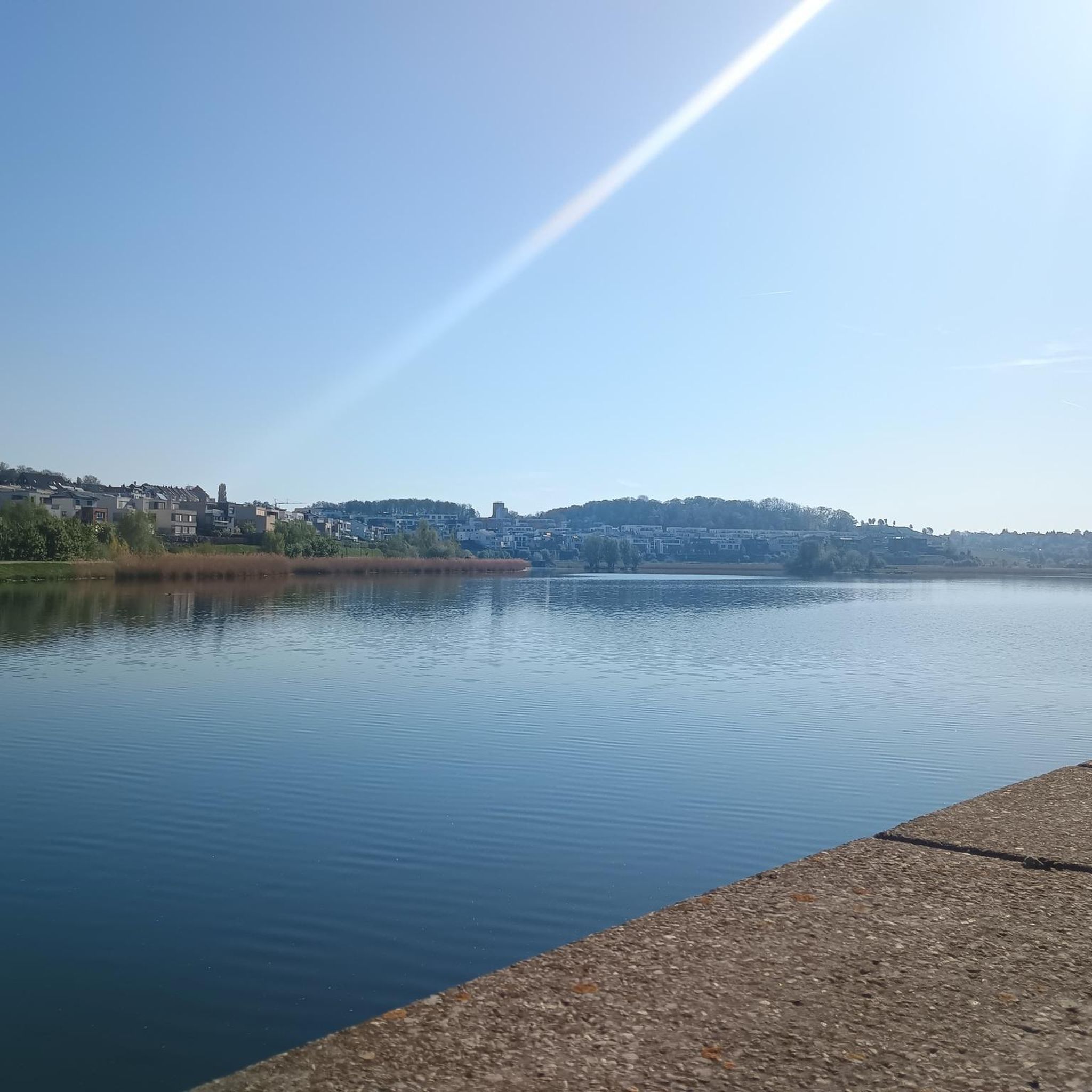
Beautiful view of the Marais Vernier natural site. I had, when I was 18, the honor and the pleasure of working there in the company of several biologists. It is an exceptional site due to the richness of its fauna. On site live Camargue horses, Hyland cattle, Scottish sheep, gray herons and many other species. A few group visits are regularly organised. To participate, you must register in advance on the Marais Vernier nature reserve website.
1
0
Frequently Asked Questions
What unique natural areas can I explore around Le Torpt?
The Marais Vernier Viewpoint offers a panoramic perspective of the vast Marais Vernier, a 4,500-hectare wetland known for its rich biodiversity, unique courtyards, and status as the largest peat bog in France by volume. This area features wet meadows, reed beds, and a diverse ecosystem shaped by the Seine's former meanders.
Are there family-friendly attractions or activities around Le Torpt?
Yes, several attractions are suitable for families. The Calonne Greenway is a well-maintained path on an old railroad track, perfect for cycling and walking with shade from trees. The Marais Vernier Viewpoint provides an accessible spot for all ages to enjoy scenic views, and the Marais-Vernier Village and Thatched Cottages offer a charming historical experience.
What historical settlements can I visit near Le Torpt?
You can visit Pont-Audemer, often called 'Norman Venice' due to its canals and wetlands drained by the Risle river. Another historical gem is the Marais-Vernier Village, known for its distinctive thatched cottages with irises on their ridges and apple orchards, a result of 16th-century efforts to drain the surrounding marshland.
Where can I find scenic views of the landscape near Le Torpt?
The Marais Vernier Viewpoint is highly recommended for spectacular panoramic views. It offers a clear perspective of the vast Marais Vernier wetland, its rich biodiversity, and the unique circular plots of land known as 'courtyards' formed by ancient river meanders.
What kind of outdoor activities can I do around Le Torpt?
The region offers a variety of outdoor activities. You can enjoy cycling on routes like the Calonne Greenway, or explore numerous hiking and running trails. For more detailed routes, you can check out guides for cycling around Le Torpt, hiking around Le Torpt, and running trails around Le Torpt.
Are there easy hiking trails suitable for a leisurely walk near Le Torpt?
Yes, there are several easy hiking options. For instance, the 'On the banks of the Risle' loop from Saint-Sulpice-de-Grimbouville is an easy 4 km trail. Another gentle option is the 'Charming Half-Timbered Cottage' loop from Fort-Moville, which is about 6.4 km. You can find more easy routes in the hiking guide for Le Torpt.
What makes <a href="https://www.komoot.com/highlight/2280853" target="_blank" rel="noopener">Pont-Audemer</a> a notable place to visit?
Pont-Audemer is renowned for its picturesque canals and wetlands, which have earned it the nickname 'Norman Venice.' The town is intricately drained by the Risle river, creating a unique and charming urban landscape that visitors find very appealing.
What do visitors particularly enjoy about the attractions near Le Torpt?
Visitors appreciate the diverse landscape, from the wetlands of Marais-Vernier to the historic settlements. The Calonne Greenway is praised for being a superb, well-maintained path suitable for cycling and walking, offering pleasant shade. The beauty of Pont-Audemer's canals and the panoramic views from the Marais Vernier Viewpoint are also highly enjoyed.
Can I find religious or historical buildings in the area?
Yes, you can visit the ⛪✨Saint-Maclou de Conteville - Catholic Church. This Romanesque-style church has a history dating back to a previous building from 541 AD. It features a beautiful interior with panels commenting on the life of François Rever and a distinctive church tower.
Are there any long-distance cycling routes or greenways near Le Torpt?
The Calonne Greenway is an excellent option for cycling, following an old railroad track. While it's a well-maintained path, for longer routes, you can explore various cycling tours around Le Torpt, including challenging loops like 'Pont-l'Évêque – Voie verte de la Calonne loop' which is over 100 km, or 'Normandy Bridge – Honfleur Old Harbour loop'. More options are available in the cycling guide for Le Torpt.
What is the significance of the thatched cottages in the Marais-Vernier region?
The thatched cottages, or 'Chaumières,' in the Marais-Vernier Village are a distinctive architectural feature of the region. They are characterized by irises growing on their ridges and are part of the unique landscape that emerged after Henri IV's decision in 1599 to drain the vast swamp, transforming it into fertile land with interspersed wet meadows.
Most popular routes around Le Torpt

Get inspired with the komoot mobile app


Explore more
Still not found the Highlight you’re looking for? See guides of the top attractions in other regions:
