The best road cycling routes around Les Authieux
4.8
(11)
338
riders
85
rides
Road cycling routes around Les Authieux traverse a landscape characterized by rolling hills, agricultural plains, and scattered woodlands. The region, located in the Normandy countryside, offers a mix of quiet rural roads suitable for various cycling abilities. Elevation gains are generally moderate, with no significant peaks, making it accessible for sustained rides. This terrain provides varied routes for road cyclists seeking both challenging climbs and gentler stretches.
Best road cycling routes around Les Authieux
- The most popular road cycling route…
Last updated: July 9, 2026
11
riders
49.7km
02:00
210m
210m
Moderate road ride. Good fitness required. Mostly well-paved surfaces and easy to ride.
4
riders
59.4km
02:27
310m
310m
Moderate road ride. Good fitness required. Mostly well-paved surfaces and easy to ride.

Sign up for free
3
riders
59.1km
02:27
290m
290m
Moderate road ride. Good fitness required. Mostly well-paved surfaces and easy to ride.
4
riders
34.7km
01:25
110m
110m
Moderate road ride. Great for any fitness level. Some segments of this route may be unpaved and difficult to ride.
3
riders
Moderate road ride. Good fitness required. Mostly well-paved surfaces and easy to ride.
Get access to more routes and recommendations from other explorers.
Sign up for free
Already have an account?
Our route recommendations are based on thousands of hikes, rides, and runs completed by other people on komoot.
Start today with a free account
Your next adventure awaits.
Login or Signup

Tips from the Community


The nave and aisles were built in the mid-16th century, probably at the same time as the funerary chapel of Diane de Poitiers. The apse belongs to a 12th or 13th century building, the interior of which was restored in the 16th century.
0
0
The construction of the original church of Sorel dates back to the 10th century. In 1113, this church was destroyed during the siege of the fortress of Sorel by the troops of Henry VIII of England coming from Normandy. Its identical reconstruction was unfortunately halted by a fire in 1134. The current church was rebuilt starting in the 13th century, with the chevet completed in the 15th century, and the first two bays of the nave and the northern seigneurial chapel in the 16th century. The bell tower was built in the 17th century by blinding a window. The building is constructed of flint, lime, and white stone on a sandstone base. The upper part is made of Vernon stone. The tiled roof is supported by a beautiful rafter frame whose tie beams are decorated with chimera heads, also called "howling devils." In the choir, the 19th-century altar recalls medieval sculptures. An interesting collection of stained-glass windows dating from 1850. After extensive renovations, masses have been celebrated again since 2007.
0
0
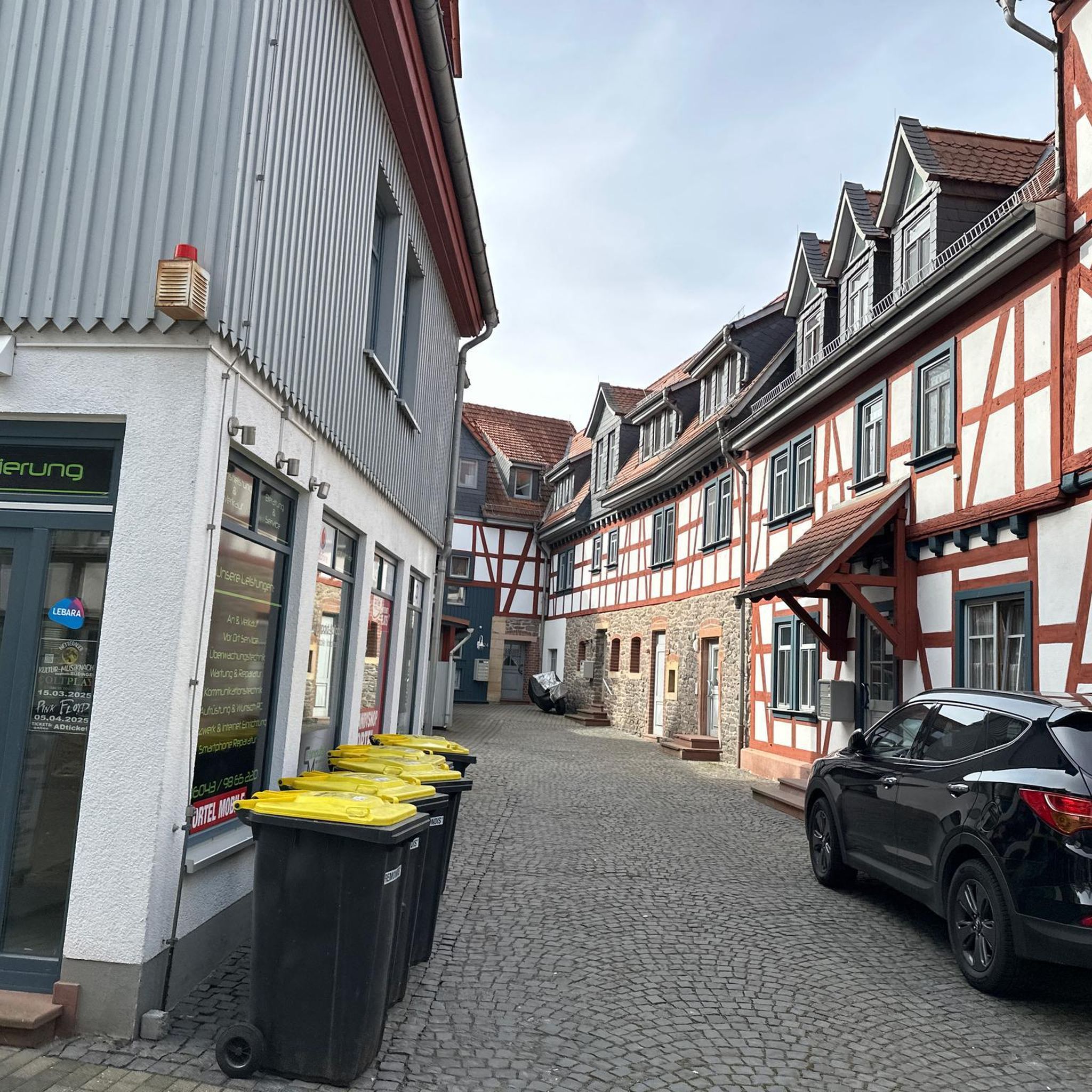
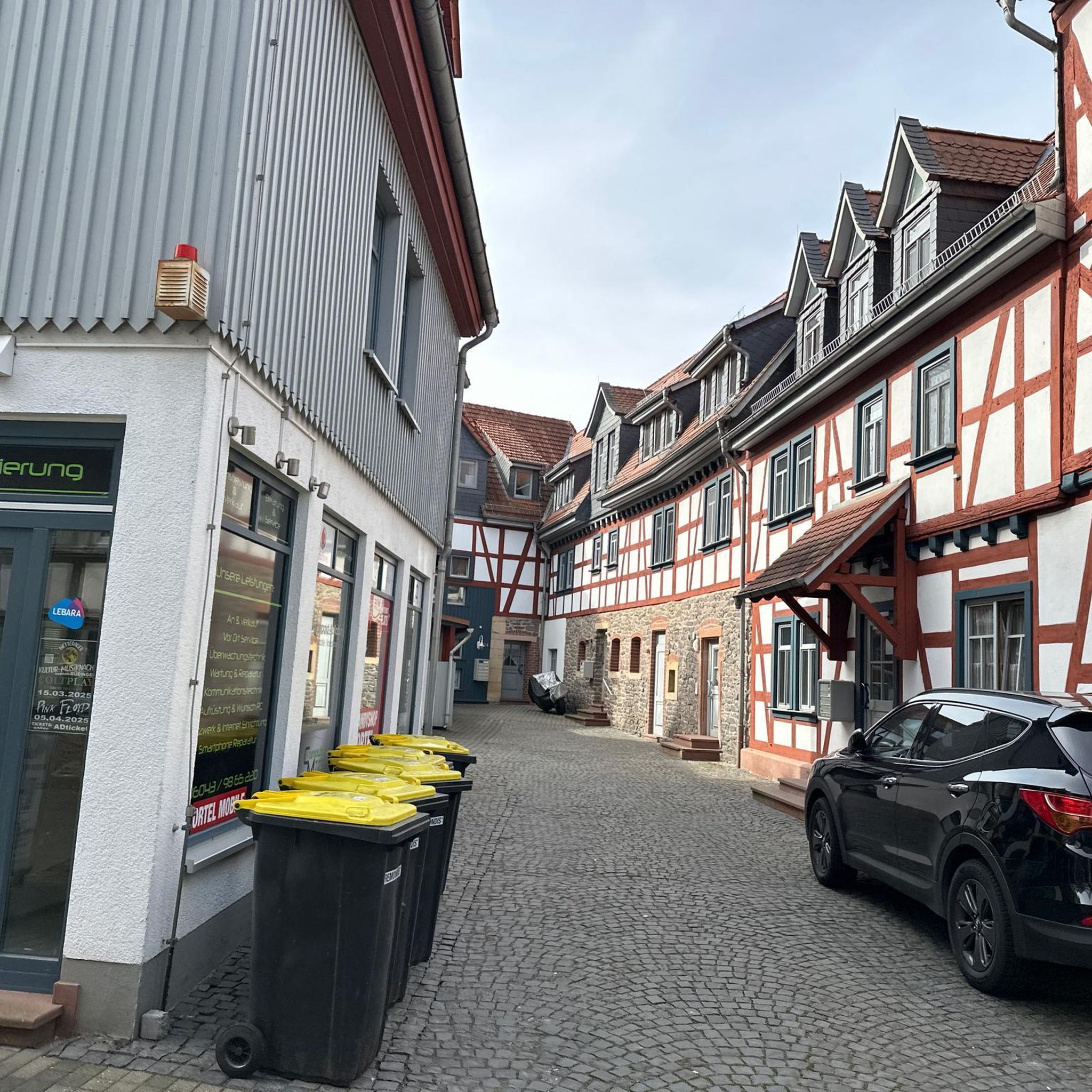
The first mention of the existence of the Church of Saint-Martin de Nonancourt is a 12th-century charter, but the original building probably dates back to the 7th or 8th century. The bell tower that now occupies the middle of the façade dates from the reconstructions of 1204. During the Hundred Years' War, the church was largely destroyed, like many buildings in the region. The side aisles, nave, and choir were rebuilt in the 16th century. The Chapel of the Virgin, also known as the Chapel of the Rosary, was also added. The Church of Saint-Martin contains numerous works of art, some of which are listed: neo-Gothic and Renaissance furnishings, including the centerpiece, the pulpit, a veritable wooden lacework; a variety of statuary, a 16th-century organ case and finally an enigmatic fresco discovered during recent works in 2001. The stained-glass windows of the church constitute a truly remarkable collection, both in terms of their number (26 in total) and their quality. The lower windows of the nave are the oldest pieces, dating from the 1500s, while the upper windows date from the 1520s and 1530s.
0
0


A very beautiful greenway It's an old railway line that has been covered over; it used to go all the way to Dreux. We love going there for cycling, and it's also ideal for walking and rollerblading.
0
0
The existence of the parish of Droisy, dedicated to Saint Martin, is attested from the earliest days of the conversion of the Gauls. In the 10th century, the Counts of Chartres and Blois donated this church to the Abbey of Saint-Lomer de Blois, which preserved it until the French Revolution. Rectangular in plan, the building was built of flint in the 13th century. From this period, the western doorway, with its pointed arch and double row of beveled keystones, the two arched and beveled windows located to the north of the nave, and the large pointed bay window of the flat chevet, whose tracery has disappeared, still survive. The inverted keel vault dates from 1656. In 1785, the south wall of the nave was partially rebuilt in flint blocks with quoins and arched brick windows. During the same restoration campaign, the quadrangular bell tower with an octagonal spire, which surmounts the roof to the west of the nave, was rebuilt. A porch precedes the portal. The church retains some interesting furnishings. The high altar is particularly noteworthy. It was probably made in 1765 by Ildevert Canteloup, a master carpenter from Saint-Germain-sur-Avre. Columns with Corinthian capitals frame a painting illustrating the theme of the "charity of Saint Martin." The two side altars, arranged slightly obliquely, are of the same style. The northern one is dedicated to the Virgin Mary, and the southern one to Saint Sebastian. The communion table and the woodwork separating the choir from the sacristy were also executed in the 18th century. The seigneurial pew of Charles du Buc-Richard dates from the 17th century. A wealth of statuary completes this ensemble. Some decorative fresco motifs remain. For the roof repair work, the Sauvegarde de l'Art Français (French Art Protection Agency) awarded a grant of 17,000 francs in 1997.
0
0

Frequently Asked Questions
How many road cycling routes are available around Les Authieux?
There are over 70 road cycling routes available around Les Authieux, offering a wide range of options for different skill levels and preferences.
What is the general difficulty level of road cycling routes in Les Authieux?
The road cycling routes in Les Authieux are characterized by rolling hills and quiet country lanes. Most routes are classified as moderate (41 routes), with a good selection of easy rides (31 routes) and a few more challenging options (2 routes) for experienced cyclists.
Are there any easy road cycling routes suitable for beginners or families in Les Authieux?
Yes, Les Authieux offers several easy road cycling routes. For instance, the View of the Countryside – Notre-Dame Church of Le Cormier loop from Saint-André-de-l'Eure is an easy 20.9-mile (33.7 km) path, perfect for a relaxed ride with scenic views and local churches.
What kind of landscapes and natural features can I expect to see while road cycling in Les Authieux?
Road cycling around Les Authieux takes you through a landscape of rolling hills, expansive agricultural plains, and scattered woodlands. You'll experience the tranquil Normandy countryside, with routes often passing through rural areas and offering picturesque views.
Are there any historical landmarks or points of interest along the road cycling routes?
Yes, several routes pass by interesting landmarks. For example, the Château de Louye – Avre Aqueduct loop from Saint-André-de-l'Eure leads past architectural features. You might also encounter sites like the Domaine du Bois Giroult or the Château d'Osmoy, and historical sites like the Champigny St André German Cemetery.
What do other road cyclists say about the routes in Les Authieux?
The road cycling routes in Les Authieux are highly rated by the komoot community, with an average score of 4.7 stars from over 10 reviews. Cyclists often praise the varied terrain, quiet country lanes, and the accessibility for different ability levels.
Are there any circular road cycling routes available in Les Authieux?
Many of the road cycling routes around Les Authieux are designed as loops, allowing you to start and finish in the same location. Examples include the popular Saint Martin Church – Half-timbered Houses of Dreux loop from Champigny St. André German War Cemetery and the Anet Castle loop from Saint-André-de-l'Eure.
Is it possible to find cafes or places to eat near the cycling routes in Les Authieux?
While specific cafes directly on every route are not listed, the rural nature of Les Authieux means you'll find small villages and towns along or near the routes where you can typically find local establishments for refreshments. Planning your stops in advance is recommended.
What is the best time of year for road cycling in Les Authieux?
The best time for road cycling in Les Authieux is generally during the spring, summer, and early autumn months. The weather is typically milder and more predictable, making for more enjoyable rides through the countryside.
Are there any road cycling routes that start directly from Les Authieux?
Yes, some routes originate directly from Les Authieux. An example is the Mare Verdun – Bois Ommerant loop from Les Authieux, a moderate 34.7-kilometer (21.6-mile) ride that explores the local area.
Where can I find parking for road cycling in Les Authieux?
Parking for cyclists is generally available in the villages and towns from which many routes start, such as Saint-André-de-l'Eure or Les Authieux itself. Look for public parking areas in these locations.
Most popular attractions around Les Authieux

Get inspired with the komoot mobile app


Explore more
Browse the best Road cycling routes in other regions.
