The best cycling routes around Saint-Éloi-De-Fourques
4.3
(91)
919
riders
95
rides
Touring cycling routes around Saint-Éloi-De-Fourques traverse a rural landscape characterized by lush, green countryside and varied terrain. The region features rolling hills and river valleys, including those shaped by the Risle river, offering manageable inclines. Extensive forest coverage, such as the Forêt Domaniale de Montfort, provides shaded paths. The area is well-served by "Voies Vertes" and "Véloroutes," which are dedicated cycling paths often following riverbanks and disused railway lines.
Best touring cycling routes around Saint-Éloi-De-Fourques
- The most popular touring cycling…
Last updated: July 5, 2026
2.5
(2)
16
riders
Moderate bike ride. Good fitness required. Mostly paved surfaces. Suitable for all skill levels.
5.0
(2)
10
riders
Hard bike ride. Very good fitness required. Mostly paved surfaces. Suitable for all skill levels.

Sign up for free
3
riders
Moderate bike ride. Good fitness required. Mostly paved surfaces. Suitable for all skill levels.
4
riders
10.6km
00:38
30m
30m
Easy bike ride. Great for any fitness level. Mostly paved surfaces. Suitable for all skill levels.
4.0
(1)
4
riders
55.8km
03:16
280m
280m
Moderate bike ride. Good fitness required. Mostly paved surfaces. Suitable for all skill levels.
Get access to more routes and recommendations from other explorers.
Sign up for free
Already have an account?
Our route recommendations are based on thousands of hikes, rides, and runs completed by other people on komoot.
Start today with a free account
Your next adventure awaits.
Login or Signup



Tips from the Community

Remarkable place steeped in history: Bec Hélouin Abbey provided three Archbishops of Canterbury!
0
0

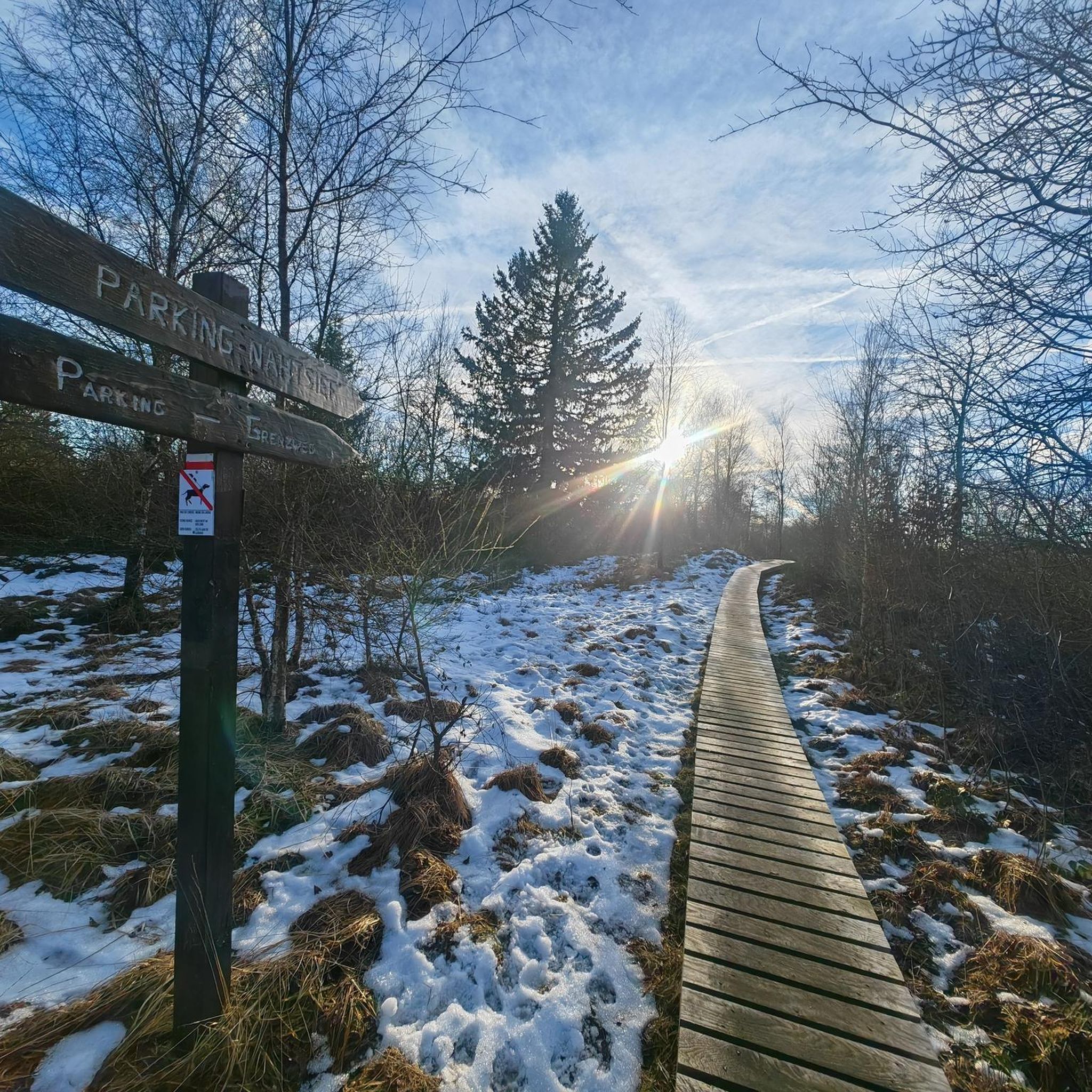
Greenway almost entirely in the shade, so best on hot or very sunny days
0
0

super rolling. super nice.
0
0
A place rich in history. Very pleasant bike ride.
0
0

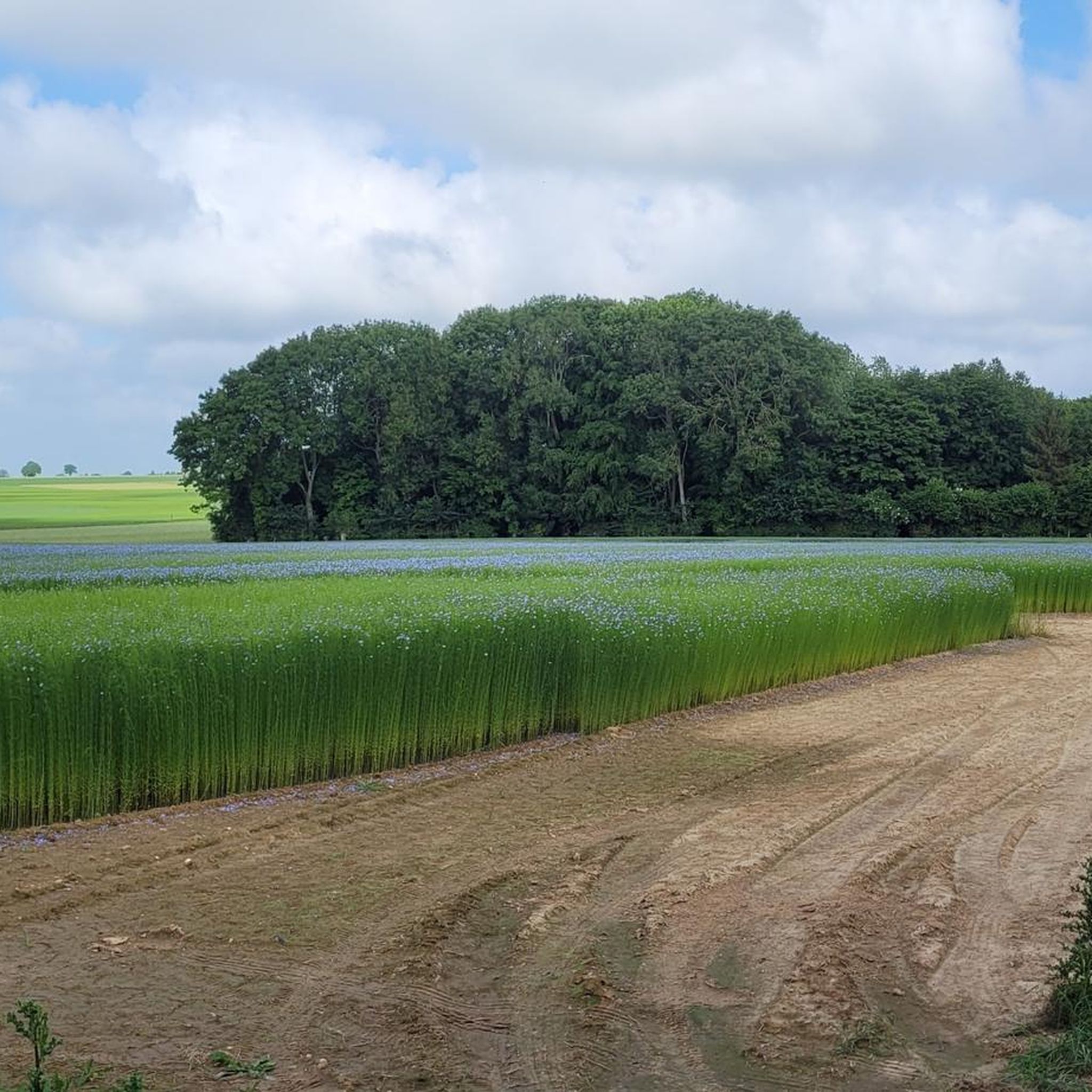
Cycle this greenway near the Gîte des Deux Étangs for a peaceful ride surrounded by nature. The smooth path takes you through a tranquil landscape of lush greenery. It is an easy and pleasant route, perfect for a touring bike ride.
1
0

This former monastery church, the ruins of which still bear impressive witness to the former size and splendor of the abbey, was not dedicated to one of the many people we venerate as saints, but rather the ONE God in THREE persons - God the Father, God the Son (Jesus Christ) and God's Holy Spirit - was chosen as its patron saint. Father Reinhard Körner writes about the mystery of the Holy Trinity: "Among the great prayer-givers in the history of Christianity... I found prayer texts in which each of the divine three was explicitly addressed - in the same prayer. When I tried to recite the texts, I could sense that these people had not only had God the Father, Jesus Christ and the Holy Spirit in mind individually - they were addressing a divine community. And it seemed to me that they could only do this in their written prayers because they did it otherwise, quietly in their hearts."
1
0
This former monastery church, the ruins of which still bear impressive witness to the former size and splendor of the abbey, was not dedicated to one of the many people who died as martyrs (witnesses of faith) for their Christian beliefs, or who we venerate as blessed or saints because of their exemplary way of life. Rather, this parish has chosen God himself - in the "Holy Trinity" - as its patron saint. According to Christian teaching, we believe in ONE God who exists in THREE persons - God the Father, God the Son (Jesus Christ) and the Holy Spirit. The following description can be found on the EKD (Evangelical Church of Germany) website: "The word tries to express the seemingly impossible, namely that God is three and one at the same time. To understand this, it helps to consider how people have experienced God throughout history: as a creator who loves his world and people like a father loves his children. As a God who became human in Jesus Christ, his Son, and shared human life. And finally, as a God who is still present and alive among people in the Holy Spirit."
2
0
Bec-Hellouin Abbey was one of the most influential monasteries in medieval Europe. Founded in 1034 by a knight named Herluin, the abbey became a center of learning and culture, attracting scholars like Lanfranc and Anselm, who later became Archbishops of Canterbury. You can admire the impressive architecture of the abbey, such as the 15th century St. Nicholas Tower, the 17th century cloister and the 18th century convent buildings. You can also join Benedictine monks to pray in the church, which was once the refectory. The abbey is surrounded by a beautiful park and a vegetable garden, where you can enjoy the tranquility of nature. The abbey is open to visitors every day, except Monday, from 10 a.m. to 12 p.m. and from 2 p.m. to 6 p.m. You can also spend the night at the hostelry, if you wish to discover monastic life in more depth.
2
0
Frequently Asked Questions
How many touring cycling routes are available around Saint-Éloi-De-Fourques?
There are over 90 touring cycling routes around Saint-Éloi-De-Fourques. These routes cater to various skill levels, with 29 easy, 49 moderate, and 14 difficult options.
What kind of terrain can I expect on touring cycling routes in Saint-Éloi-De-Fourques?
The terrain around Saint-Éloi-De-Fourques is characterized by lush, green countryside with rolling hills and meandering river valleys, including those shaped by the Seine and Eure rivers. You'll find extensive forest coverage, such as the Forêt Domaniale de Montfort, providing shaded paths, and numerous 'Voies Vertes' (greenways) and 'Véloroutes' (cycle routes) that often follow riverbanks and disused railway lines, offering generally manageable inclines.
Are there routes suitable for beginners or families?
Yes, the region offers many routes suitable for beginners and families. The landscape features manageable inclines and an extensive network of 'Voies Vertes' and 'Véloroutes' that are safe and reserved for non-motorized traffic. For example, the Bike loop from Calleville is an easy 13.6 km trail through tranquil woodlands and open fields, perfect for a relaxed family ride.
Are there circular touring cycling routes available?
Many touring cycling routes around Saint-Éloi-De-Fourques are designed as loops, allowing you to start and end at the same point. Examples include the popular Écluse de la baronne – Barrage du pont gany loop from Le Bec-Hellouin and the more challenging Barrage du pont gany – Abbaye Notre-Dame du Bec loop from Saint-Philbert-sur-Boissey.
What natural features can I explore while cycling?
While cycling, you can explore significant forested areas like the Forêt Domaniale de Montfort and the Forêt de Brotonne, which offer serene paths. The routes also often follow the banks of the Eure and Seine rivers, providing picturesque views. You might also encounter diverse habitats within natural parks such as the Parc Naturel des Boucles de la Seine Normande.
Are there any interesting landmarks or historical sites along the routes?
Yes, the region is rich in historical sites and charming villages. You can discover traditional Norman architecture and visit places like the old cloth-making town of Louviers and the medieval town of Pont-de-l'Arche. Notable attractions include the Notre-Dame du Bec Abbey, the Medieval Castle of Montfort-sur-Risle, and the charming village of Le Bec-Hellouin.
What is the best time of year to go touring cycling in Saint-Éloi-De-Fourques?
The best time for touring cycling in Normandy, including Saint-Éloi-De-Fourques, is generally from spring to early autumn (April to October). During these months, the weather is typically mild and pleasant, with less rainfall and comfortable temperatures for outdoor activities. The lush greenery is at its peak in spring and summer, while autumn offers beautiful foliage.
Where can I park my car when starting a cycling tour?
Parking is generally available in the villages and towns that serve as common starting points for cycling routes. For example, if you're starting a route from Le Bec-Hellouin, you'll find parking options there. Many 'Voies Vertes' and 'Véloroutes' also have designated parking areas at their access points to accommodate cyclists.
Is public transport available to access cycling routes?
While Saint-Éloi-De-Fourques itself is a small rural commune, the broader Eure department has train connections to larger towns. Some regional cycling routes, like sections of the 'Tour d'Eure', are designed with amenities like train connections in mind. It's advisable to check local public transport schedules and bike carriage policies for specific routes or starting points.
Are there any long-distance cycling routes accessible from Saint-Éloi-De-Fourques?
Yes, Saint-Éloi-De-Fourques provides access to several significant regional and long-distance cycling networks. These include 'The Eure by bike' network, 'The Seine à Vélo' which links Paris to the sea, and the 'Tour d'Eure', a substantial 548-kilometer loop across seven stages that traverses the historical and geographical core of Normandy. These routes offer options for multi-day touring adventures.
What do other touring cyclists enjoy the most about touring cycling in Saint-Éloi-De-Fourques?
The touring cycling routes around Saint-Éloi-De-Fourques are highly rated by the komoot community, with an average score of 4.2 stars from 80 reviews. Cyclists often praise the tranquil woodlands, the picturesque river valleys, and the well-maintained greenways that make for a peaceful and enjoyable riding experience. The varied terrain, from easy loops to moderate journeys, is also frequently highlighted.
Can I find routes that follow riverbanks or greenways?
Absolutely. The Eure department is home to an extensive network of 'Voies Vertes' (greenways) and 'Véloroutes' (cycle routes) that frequently follow riverbanks, disused railway lines, and towpaths. These paths offer a peaceful cycling experience through beautiful natural settings. For instance, the 'Voie Verte' in Seine-Eure provides over 50 km of routes along the Eure and Seine rivers. The Lost place old block – Picnic area loop from Le Bec-Hellouin is another easy route that follows riverbanks.
Are there places to eat or drink along the cycling routes?
While Saint-Éloi-De-Fourques is rural, many cycling routes pass through charming Norman villages and towns where you can find local cafes, restaurants, and bakeries. Larger towns like Louviers and Pont-de-l'Arche, which are accessible via regional cycling paths, offer more dining options. It's always a good idea to check opening hours, especially in smaller villages.
Most popular routes around Saint-Éloi-De-Fourques
Most popular attractions around Saint-Éloi-De-Fourques

Get inspired with the komoot mobile app


Explore more
Browse the best Cycling routes in other regions.
