Attractions and Places To See around Choussy - Top 11
Best attractions and places to see around Choussy include a variety of historical sites, castles, and unique cultural experiences within the Loir-et-Cher department. The region is characterized by its rich heritage, featuring numerous chateaus and traditional architecture. Visitors can explore a landscape that combines agricultural features with significant historical landmarks. This area offers diverse points of interest for those seeking cultural and historical exploration.
Best attractions and places to see around Choussy
- The most popular attractions is Gué-Péan Castle,…
Last updated: July 2, 2026
Fougères-sur-Bièvre Castle
Highlight • Castle
Of Gothic architecture, it was classified as a historical monument in 1912. It is currently …
Translated by Google •
Tip by

Saint-Aignan Church
Highlight • Historical Site
val-de-loire-41.com/visite/collegiale-et-crypte-avec-fresques-pcu41aasor100182
Translated by Google •
Tip by

Sign up now to discover places like this
Get recommendations on the best single tracks, peaks, & plenty of other exciting outdoor places.
Sign up for free
Gué-Péan Castle
Highlight • Castle
Castle architecture as you imagine it as a child!
Translated by Google •
Tip by

Troglodyte houses in Bourré
Highlight • Other
Translated by Google •
Tip by

Pontlevoy Abbey
Highlight • Historical Site
Translated by Google •
Tip by

Sign up for free to discover even more attractions around Choussy.
Sign up for free
Already have an account?
Start today with a free account
Your next adventure awaits.
Login or Signup
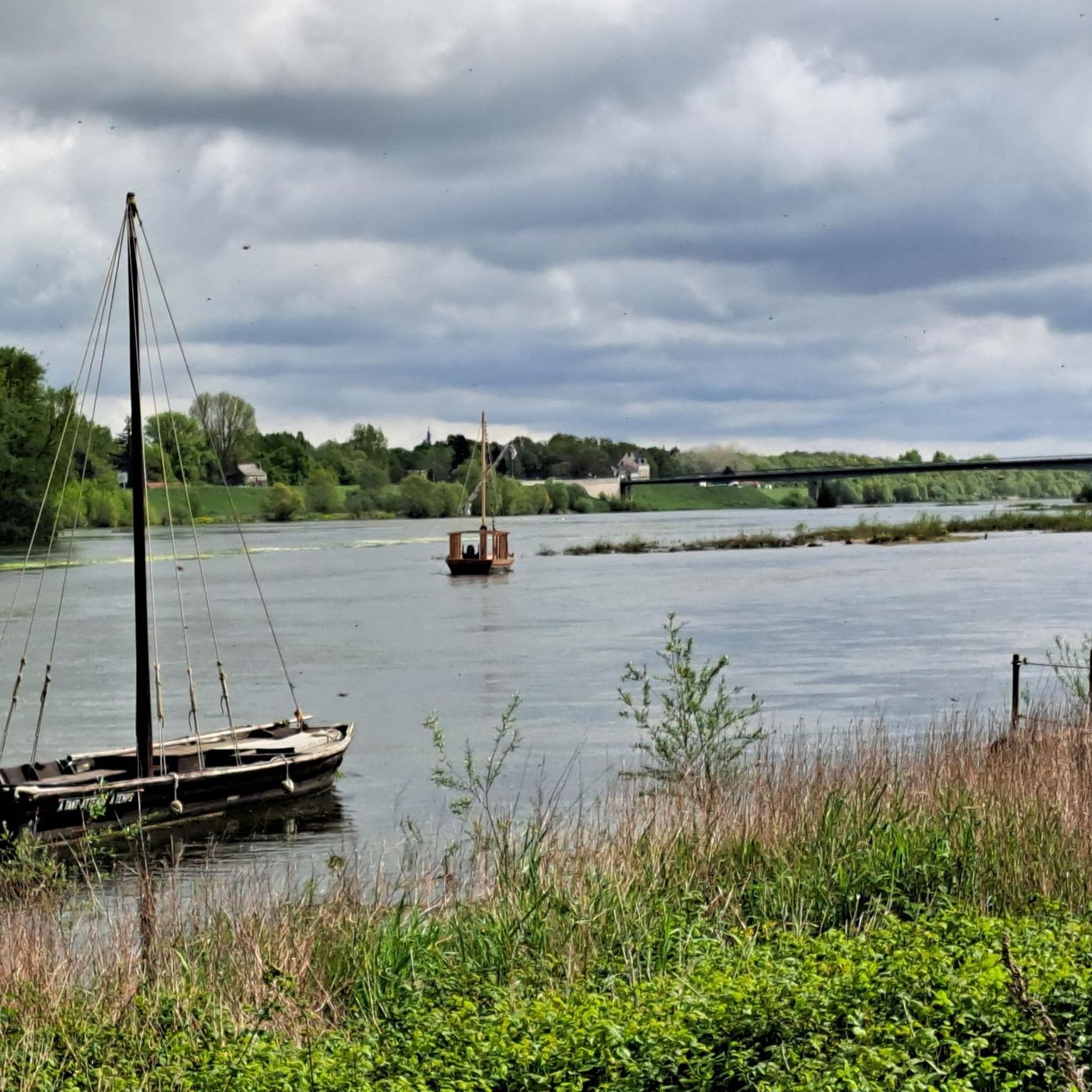
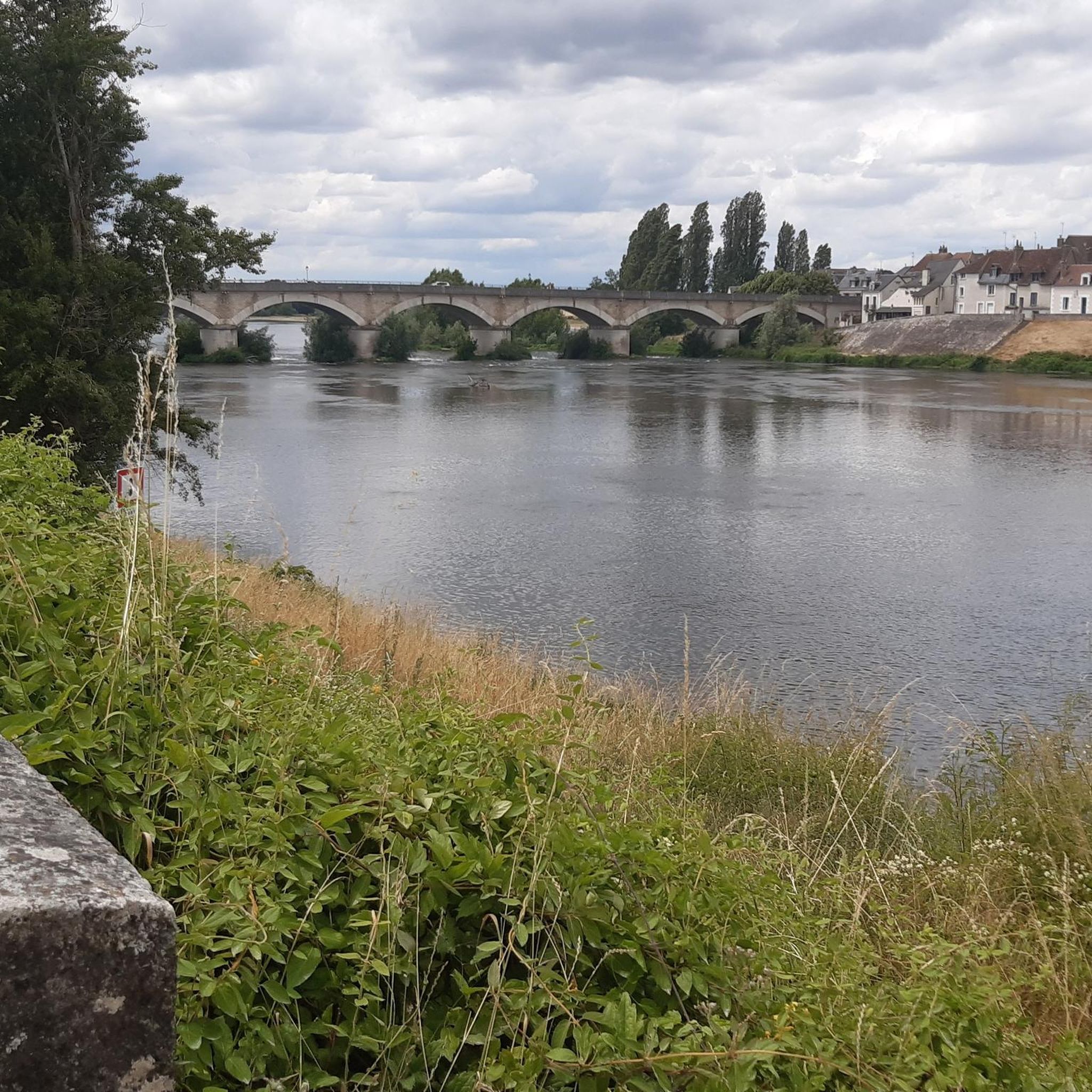
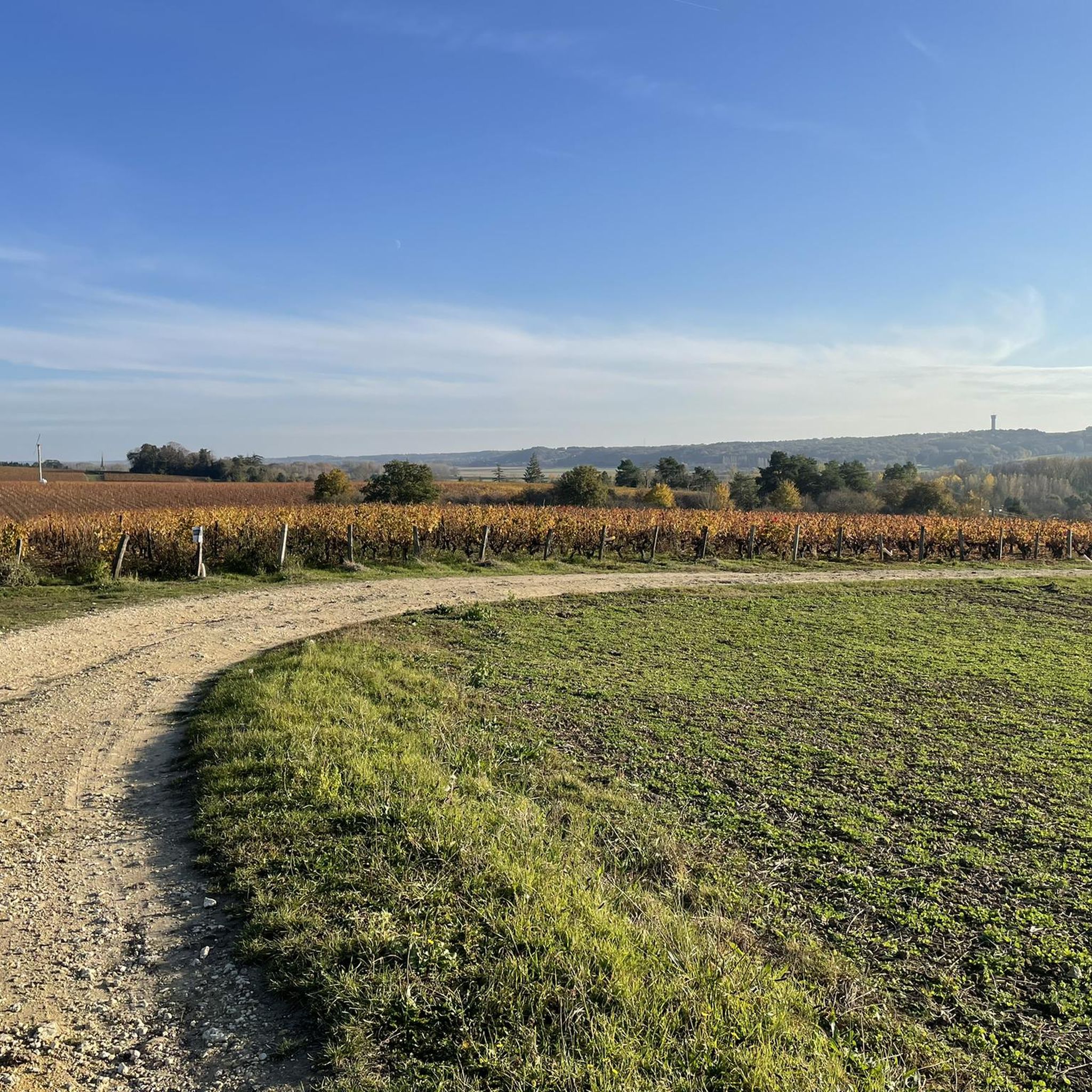
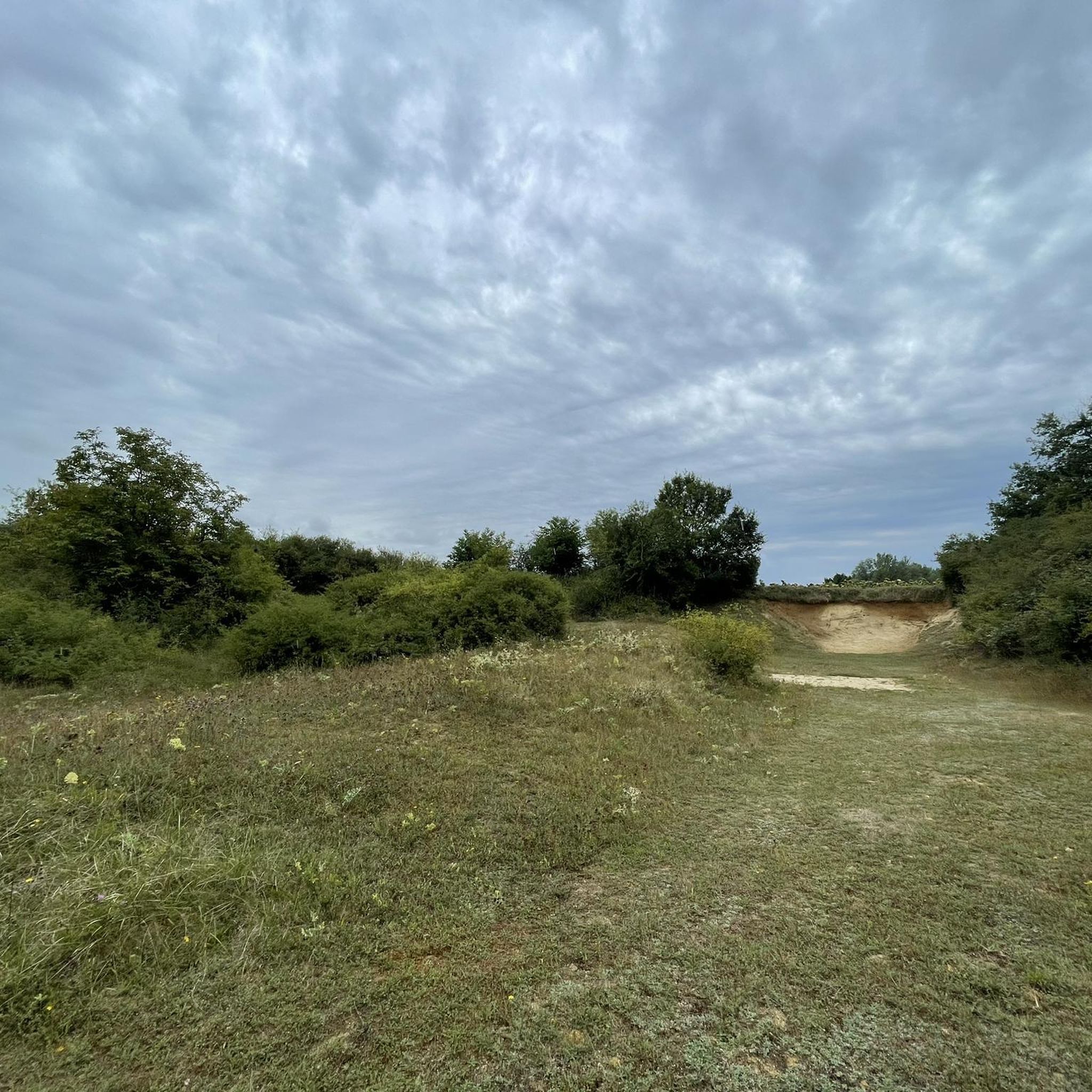

Tips from the Community

Small castle away from the crowds in a small sleepy town.
1
0

The Collegiate Church of Saint-Aignan is a French church located in the center of the city of Orléans, on the north bank of the Loire River, in the Loiret department in the Centre-Val de Loire region. It is dedicated to Saint Aignan, Bishop of Orléans. This beautiful church was originally built for the cult of Saint Aignan, whose relics were kept in the crypt. The current basilica, begun by Charles VII in 1438 but completed in 1509 by Louis XII, is not the first construction, as traces of buildings dating from the 6th, 9th, 11th, 14th, and 15th centuries have been found. They were all destroyed by fire, floods, or human hands. The people of Orléans, and in particular the canons, have always been keen to rebuild this building because Saint Aignan is an important figure in the history of Orléans, due to the role he played against the barbarians in the 5th century. While bishop of the city, he is said to have miraculously defended it against the Hun invasion in 451. https://www.tourismeloiret.com/fr/diffusio/visites/collegiale-saint-aignan-orleans_TFOPCUCEN045V501HHG
3
0
Saint Aignan, who died in 453 after defending the people of Orleans against the Huns, was buried in a first tomb. As veneration of his relics grew, a basilica was built. A community of monks settled there, and canons replaced them in the 9th century. Following the damage caused by Norman attacks and the fire of 999, Charles the Bald began reconstruction, and Robert the Pious completed the Romanesque church with its crypt housing the relics of Saint Aignan. This church was consecrated on June 14, 1029. We will soon celebrate its millennium. https://collegiale-saintaignan-dorleans.fr/la-crypte/
4
0
Collegiate Church of Saint-Aignan https://fr.wikipedia.org/wiki/Coll%C3%A9giale_Saint-Aignan_de_Saint-Aignan
3
0
Collegiate church and crypt with frescoes https://www.val-de-loire-41.com/visite/collegiale-et-crypte-avec-fresques-pcu41aasor100182/
4
0

Located in the heart of the Loire Valley, the castle of Fougères-sur-Bièvre built at the end of the 15th century is the image of the ideal fortified castle with its keep, its machicolated entrance curtain and its fortified postern. Built by Pierre de Refuge and modified by Jean de Villebresme around 1520, the castle acquired its definitive appearance in three generations and will retain it. A castle designed for entertaining, its defensive Gothic architecture allows Pierre de Refuge to assert his social status and his belonging to the French nobility. Acquired by the Lambot family in 1738, René Lambot had the idea of creating a spinning mill in the castle from 1813 to 1901. This made it possible to largely preserve it from revolutionary damage and to maintain life and activity there. Classified as a historic monument in 1912, put up for sale after the stock market crash of 1929, the castle of Fougères-sur-Bièvre was acquired by the State in 1932. The castle of Fougères-sur-Bièvre has a double face: an entrance facade with a particularly defensive Gothic appearance and a courtyard facade decorated with Renaissance decorations. Particularly well preserved, the castle today remains very close to that of 1525-1530 with its military exterior facade, the civil and domestic architecture of its interior courtyard and its medieval interior plan with rooms in a row without distribution corridors. The castle of Fougères-sur-Bièvre stands out from the great castles of the Loire by its sober and powerful architecture, very little altered over the centuries. It illustrates the art of building in the region with its walls made of limestone rubble from Beauce and its sculpted parts in tuffeau from the banks of the Cher. Young and old alike will easily find all the military attributes and the interior layout of a particularly well-preserved small castle from the end of the 15th century.
1
0

Benedictine abbey of the Congregation of Saint Maur, founded in the 11th century. The abbey church was built from 1040. It was destroyed by fire around 1262. At the end of the 13th century, a new church was built and the monastery enlarged. The abbey was ruined before 1391 by the English. In 1468, a church larger than the previous one was built. In 1837 the riding school was built on the site of the abbey house. For more information: https://www.abbayedepontlevoy.fr/
0
0

The Château du Gué-Péan is a 16th and 17th century castle still inhabited and furnished. You can discover the wooded valley where the castle is located and admire its architectural elements such as the "double-decker tower".
2
0
Frequently Asked Questions
What historical castles can I visit near Choussy?
The region around Choussy is rich in historical castles. You can explore the well-preserved Fougères-sur-Bièvre Castle, a Gothic fortress, or the magnificent Renaissance-style Gué-Péan Castle, which is still inhabited and furnished. Other notable chateaus nearby include Château de Cheverny, Château de Chaumont, Château de Chenonceau, Château de Blois, Château d'Amboise, and the Château de Valençay.
Are there any unique historical sites besides castles?
Yes, beyond the castles, you can discover the fascinating Troglodyte houses in Bourré, dwellings and galleries carved into limestone rock, offering insight into troglodyte history and culture. Another significant site is Pontlevoy Abbey, a historical Benedictine abbey founded in the 11th century.
What kind of outdoor activities can I do around Choussy?
The area around Choussy offers various outdoor activities. You can find numerous routes for hiking, road cycling, and mountain biking. For example, explore the hiking trails around Choussy, including the moderate Choussy Forest Loop. Cyclists can enjoy road cycling routes like the Château de Chenonceau – Chaumont-sur-Loire loop, or tackle MTB trails such as the Gué-Péan Castle – Choussy Forest loop.
Are there family-friendly attractions in the area?
Many of the historical sites are suitable for families. Fougères-sur-Bièvre Castle and Pontlevoy Abbey are both listed as family-friendly. The region's chateaus often have extensive grounds and gardens that children can enjoy exploring, such as the Parc et jardins du château de Chenonceau.
Where can I experience local culture and markets?
To experience local culture, visit the traditional public laundry facility, 'le lavoir,' within Choussy. For local markets, nearby towns offer a vibrant atmosphere: Monthou-sur-Cher has a market on Wednesdays, Pontlevoy on Thursdays, Contres on Fridays, and Saint-Aignan hosts an all-day market on Saturdays.
Are there any notable gardens to visit near Choussy?
Yes, the region boasts several exquisite gardens. The Domaine régional de Chaumont-sur-Loire, Parc du château de Beauregard, and the Parc et jardins du château de Chenonceau are all within a short drive. You can also visit the Jardin du château de Bouges and the Jardin du domaine de Sasnières for more horticultural delights.
What are some easy hiking options around Choussy?
For easy hikes, consider routes like the Salais Pond – Bois de Saint-Lomer loop or the Gué-Péan Castle loop from Monthou-sur-Cher. These trails offer pleasant walks through the local landscape. You can find more options on the hiking guide for Choussy.
Can I find challenging cycling routes near Choussy?
Yes, for more challenging cycling, the area offers moderate to long-distance road cycling routes. Examples include the Château de Chenonceau – Chaumont-sur-Loire loop from Thésée (86 km) or the Chenonceau Castle – Château de Chissay loop (76 km). These routes provide a good workout while exploring the scenic Loire Valley. Explore more on the road cycling guide.
What are some lesser-known or 'hidden gems' around Choussy?
Beyond the major chateaus, consider exploring the small town of Montrésor, recognized as one of France's 'Most Beautiful Villages,' featuring a quaint old town and a castle. The Domaine Royal de Château Gaillard in Amboise, considered the first Renaissance manor house, is another unique historical site worth discovering.
What is the best time of year to visit Choussy and its surrounding attractions?
The best time to visit Choussy and its surrounding attractions is generally during the spring (April to June) and autumn (September to October). During these periods, the weather is pleasant for exploring castles and gardens, and the crowds are typically smaller than in the peak summer months. Summer (July-August) is also popular, especially for outdoor activities, but can be warmer and busier.
Are there any religious sites of interest near Choussy?
Yes, the Saint-Aignan Church is a significant religious site with a rich history, including a collegiate church and crypt with frescoes. Additionally, Pontlevoy Abbey, a Benedictine abbey founded in the 11th century, offers a glimpse into the region's religious heritage.
What are some local points of interest within Choussy itself?
Within Choussy, you can find the local church, the traditional public laundry facility known as 'le lavoir,' and the 'Loge de Vigne,' a small vineyard hut representing local agricultural features. Wood Frimousse is also identified as a natural site of interest within the municipality.
Are there options for mountain biking near Choussy?
Absolutely. Mountain bikers can find several trails around Choussy. Popular routes include the Gué-Péan Castle – Choussy Forest loop from Thenay, and the Troglodyte houses in Bourré – Pont de Montrichard loop from Thésée. There's also an easy route, the Fougères-sur-Bièvre Castle – On the vineyard trail loop. More details are available on the MTB Trails around Choussy guide.
Can I find dog-friendly places or walks around Choussy?
While specific dog-friendly attractions are not always explicitly listed, many outdoor areas and natural sites around Choussy, such as Wood Frimousse and the various hiking trails, are generally suitable for walks with dogs, provided they are kept on a leash. It's always advisable to check specific venue policies for indoor attractions or castle grounds.
Most popular routes around Choussy
Most popular attractions around Choussy

Get inspired with the komoot mobile app


Explore more
Still not found the Highlight you’re looking for? See guides of the top attractions in other regions:
