Top 16 Castles around Breitenbach
Castles around Breitenbach offer a glimpse into medieval history within a landscape known for its varied terrain. This region features numerous historic fortifications, often situated on elevated ground, providing both historical interest and scenic views. The area's geography includes hills and forests, making it suitable for exploring these ancient structures. Visitors can discover a range of castle types, from well-preserved ruins to those with significant architectural details.
Best castles around Breitenbach
- The most popular castles is Bernstein Castle, a…
Last updated: May 9, 2026
Andlau Castle
Highlight • Castle
Translated by Google •
Tip by

Bernstein Castle
Highlight • Castle
The tower can be climbed.
Translated by Google •
Tip by

Sign up now to discover places like this
Get recommendations on the best single tracks, peaks, & plenty of other exciting outdoor places.
Sign up for free
Ortenbourg Castle
Highlight • Castle
Translated by Google •
Tip by

Spesbourg Castle
Highlight • Castle
Translated by Google •
Tip by

Landsberg Castle
Highlight • Castle
Translated by Google •
Tip by
Sign up for free to discover even more castles around Breitenbach.
Sign up for free
Already have an account?
Start today with a free account
Your next adventure awaits.
Login or Signup

Tips from the Community

At the end of the ridge, at an altitude of 443 meters, lies Ortenbourg Castle, built between 1260 and 1265 by Rudolf Habsburg and one of the most beautiful ruins in the Rhine Valley. A masterpiece of military architecture, with its high gorge surrounding a 32-meter-long dungeon, it is visible from afar and blends perfectly into the landscape. This dungeon offered six levels of defensive fire, and its pentagonal design allowed for better deflection of attackers' projectiles. The recently founded association "Les sentinelles de l'Ortenbourg" (Ortenbourg Sentinels) aims to preserve, expand, and revitalize the castle.
7
0
The castle was built between 1197 and 1200 by Konrad von Landsberg to fortify the abbeys of Hohenburg, Niedermünster, and Andlau, and to serve as a refuge for Niedernaier Castle in times of danger. By the 15th century, the castle was said to have been in poor condition, and in 1632, it was completely destroyed by the Swedes during the Thirty Years' War. During the French Revolution, the castle, like its neighbor, Hohenburg-Andlau Castle, was sold as national property. Today, the castle, which is owned by the von Türckheim family, is undergoing extensive restoration work and excavations.
1
0
Built in 1247 to control the valley and the neighboring abbey, the castle features a large, 24-meter-high square tower and a courtyard. Fragments of polychrome frescoes can be seen on one of the ruins' arches—with the carved chimney gables, they display a rare level of sophistication in the 14th century. Over the past 20 years, it has been restored, making it more accessible.
1
0
The castle was built around 1264 by the Lords of Andlau, Knights of the Holy Roman Empire of the German Nation, and was largely spared the destructive fury of the Thirty Years' War. During the French Revolution, the castle was confiscated as national property and sold to a merchant in 1796, who resold it piece by piece from 1806 onward, without much notice. In 1818, the Andlau family bought back the castle to preserve its remains. This painstaking and meticulous work is now undertaken by the association "Les Amis du Château d'Andlau" (Friends of the Castle of Andlau).
1
0

Beautiful castle ruins. The view of the valley is also magnificent. :)
0
0

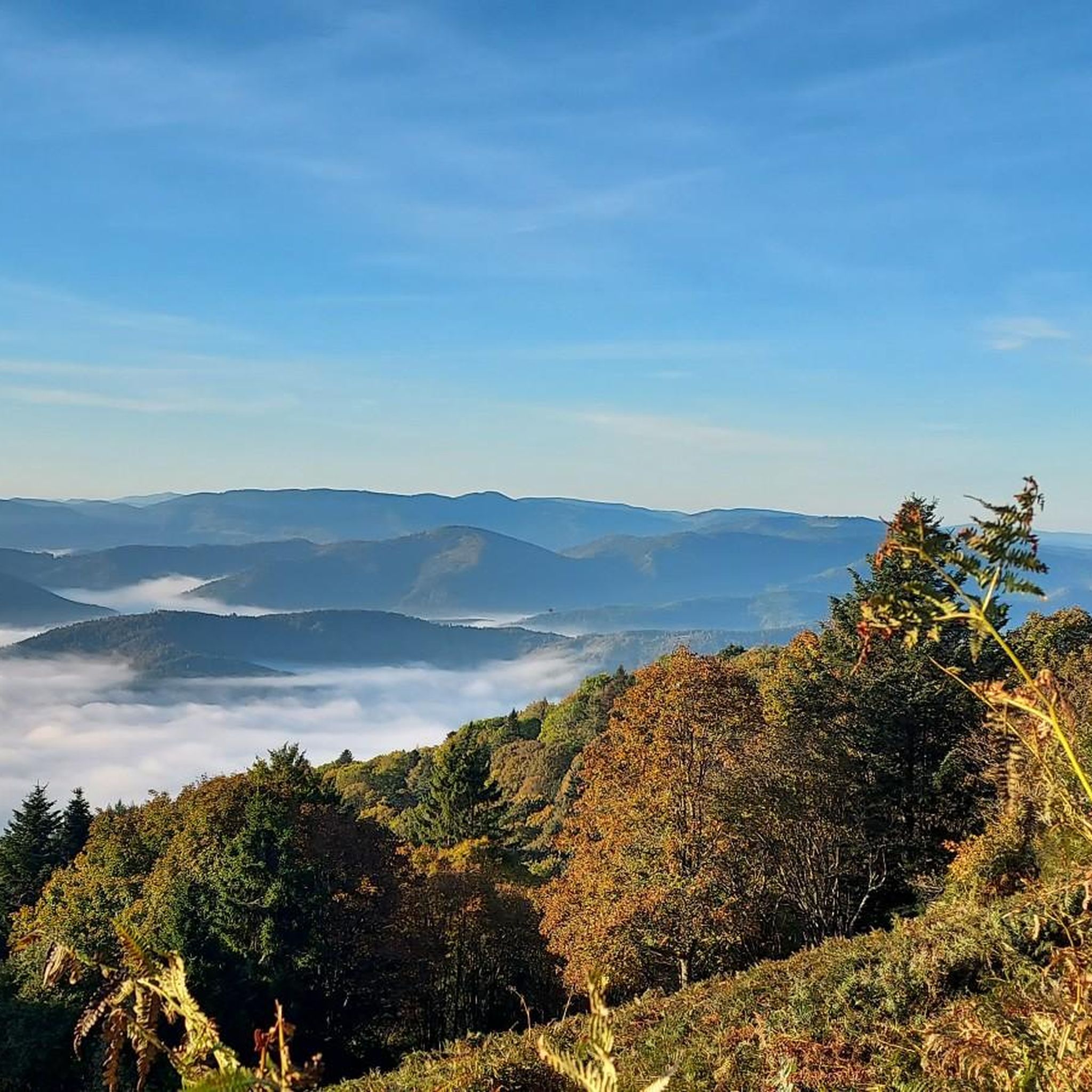
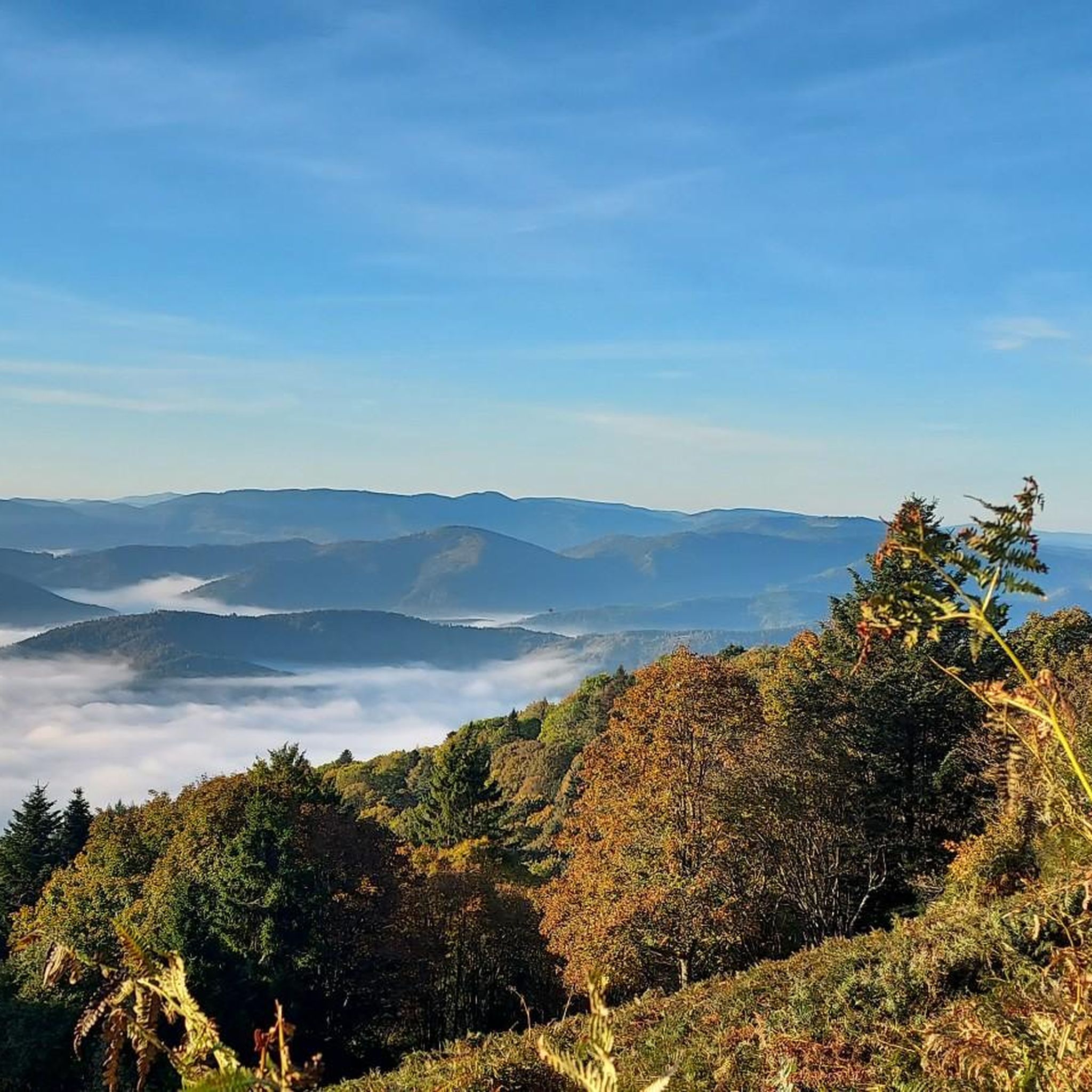
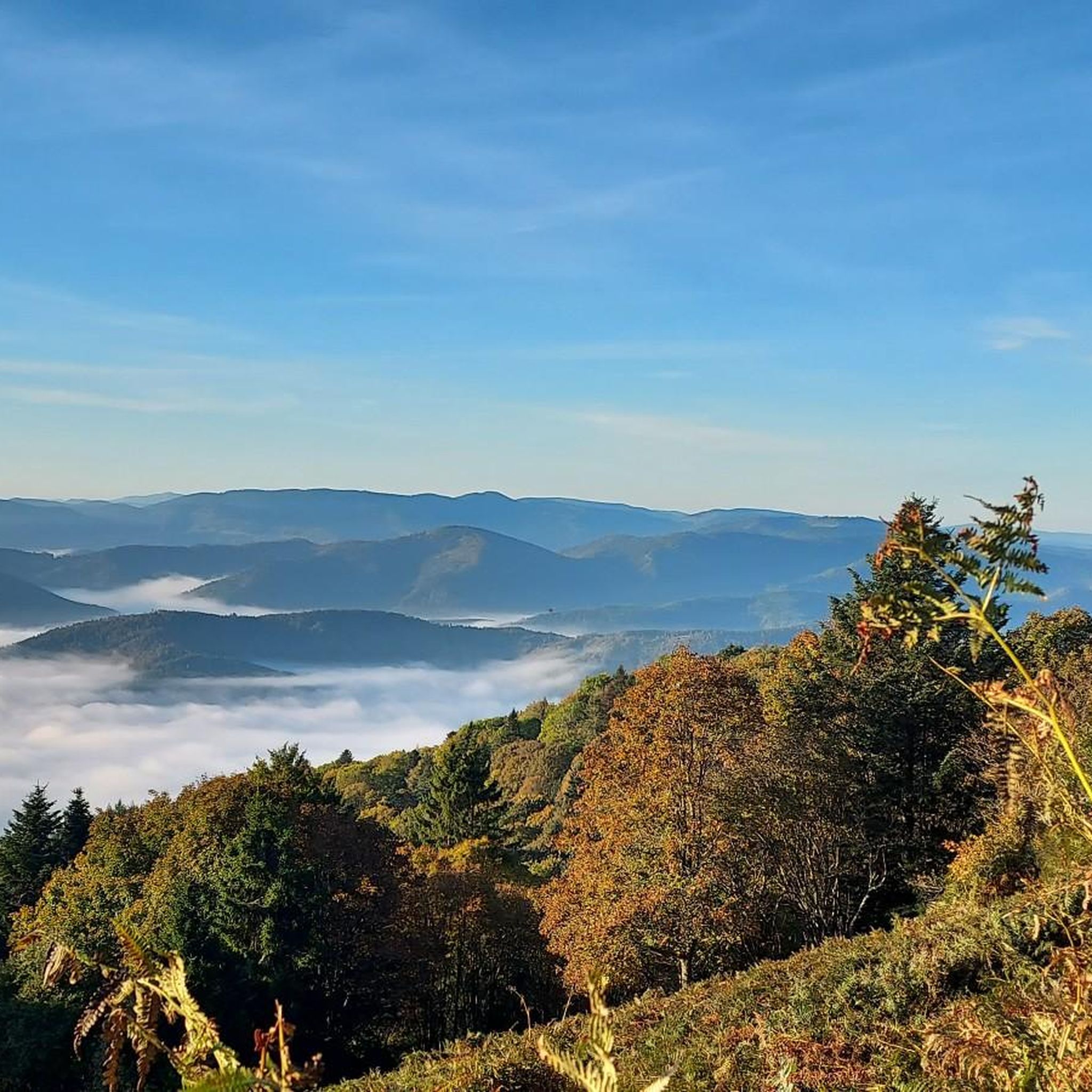
Very beautiful in every season. Here above the fog in the sun
0
0

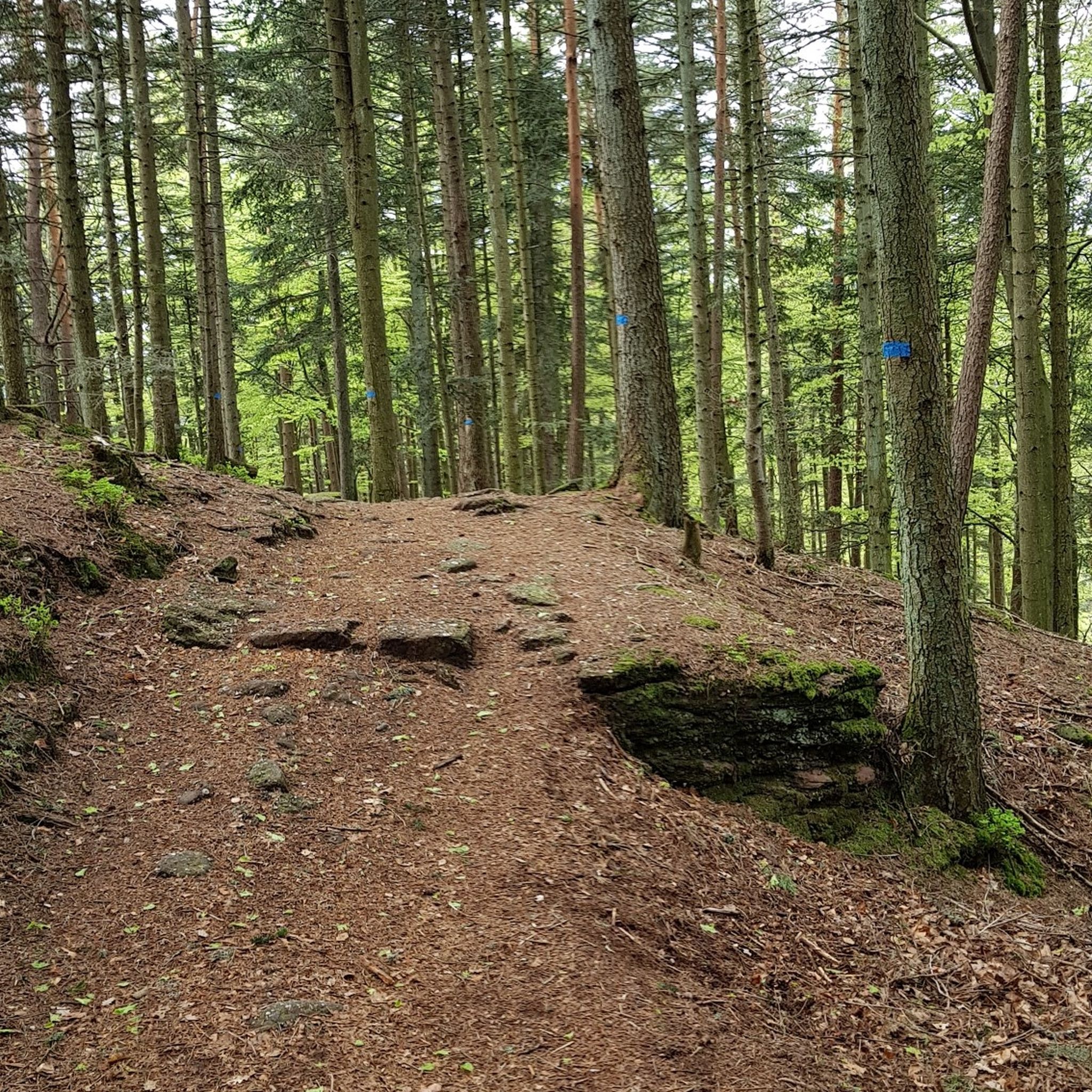
The tour from Dambach la ville is not too long or too difficult, and can be walked or run. However, I recommend appropriate footwear (hiking shoes, trail running shoes), as there are a few places on the descent, for which you can choose from two options, that require surefootedness. From the castle ruins you have a wonderful view over the Rhine plain to the Black Forest.
1
0

Large and high castle with a square keep and a magnificent Romanesque palace with remarkable bay windows on the façade. The complex stands on a mountain spur that slopes steeply on three sides and was therefore naturally well protected against attacks.
2
0
Frequently Asked Questions
What kind of castles can I expect to find around Breitenbach?
The Breitenbach region is known for its medieval castle ruins, hilltop castles, and fortifications. These historic structures are often situated on elevated ground, offering both historical interest and scenic views over the surrounding landscape, including the Rhine valley, Kaiserstuhl, and the Black Forest.
Are there hiking trails to access the castles?
Yes, many of the castles around Breitenbach are accessible via hiking trails. For example, Andlau Castle is a perfect hiking objective from nearby towns like Andlau, Mittelbergheim, or Barr. The region's hills and forests make it ideal for combining historical exploration with outdoor activity.
Which castles offer the best panoramic views?
Bernstein Castle, situated about 560 meters above sea level, provides an excellent panoramic view of the surrounding area, and its tower can be climbed for an even better perspective. Andlau Castle also offers a magnificent view over Barr, while Ortenbourg Castle boasts terrific views over the Rhine valley, Kaiserstuhl, and the Black Forest.
What are some unique architectural features to look for in these castles?
Bernstein Castle shows visible traces of medieval stone carving techniques used during its construction. Ortenbourg Castle is considered an ideal example of early Gothic castle construction in Alsace, featuring a 32-meter-long dungeon and a pentagonal design for defense. Landsberg Castle is notable for its magnificent Romanesque palace with remarkable bay windows and a Gothic door, unique in Alsace.
Are there any well-preserved castle ruins in the area?
Spesbourg Castle features well-preserved ruins, with high outer walls of the residential buildings still standing. You can observe Gothic windows and several large chimneys, whose openings are still visible on the walls.
What outdoor activities can I do near the castles around Breitenbach?
Beyond exploring the castles, the region offers various outdoor activities. You can find numerous MTB Trails, Road Cycling Routes, and Gravel Biking routes. Many of these routes pass by or offer views of the historic sites, such as the Mount Sainte-Odile – Bernstein Castle gravel biking loop.
What is the best time of year to visit the castles around Breitenbach?
The warmer months are generally ideal for visiting, especially if you plan to combine castle exploration with hiking or cycling. During this time, the trails are more accessible, and the views from the castle ruins are at their best. Some castles may host special tours during warmer months.
Are there any castles that are less crowded?
While the main highlights like Bernstein, Andlau, and Ortenbourg are popular, exploring some of the lesser-known ruins or visiting during off-peak hours can offer a more tranquil experience. Many castles are accessed via hiking trails, which naturally spread out visitors.
What should I wear when visiting the castles?
Given that many castles are ruins and located on elevated, sometimes steep terrain, sturdy footwear is highly recommended. Dress in layers suitable for outdoor activity, especially if you plan to hike to the sites, as weather conditions can change.
What kind of history do these castles represent?
The castles around Breitenbach, such as Burg Breitenbach in Wetterzeube, Germany, date back to around 1100. They were part of a network of fortifications built during the expansion of eastern German territories, playing a crucial role in securing regional borders and serving as seats for noble families. They represent centuries of medieval power, influence, and evolving military strategies.
Are there any unique, non-traditional castles in the broader Breitenbach context?
While the guide focuses on the historical castles of the Breitenbach region in Europe, it's worth noting that a unique, artist-built structure called Castle Breitenbach exists in Altamont, New York, USA. This castle, created by artist T.E. Breitenbach, is a modern marvel of art and architecture, featuring a sculpture trail, gardens, and a 40-foot waterfall. It's intended to become an art museum and preserve.
Most popular routes around Breitenbach
Most popular attractions around Breitenbach

Get inspired with the komoot mobile app


Explore more
Looking for the best castles somewhere else? Discover other guides around Breitenbach:
