Top 7 Castles around Moosch
Castles around Moosch are situated in the Thur valley, a region in Alsace, France, known for its historical significance and natural landscapes. The area is characterized by its proximity to the Vosges mountains, offering a blend of historical sites and outdoor exploration opportunities. The surrounding region is rich in medieval castle ruins, many of which are located on strategic hilltops. These sites provide insights into the historical defense of the valley and the broader Alsace region.
Best castles around Moosch
…Last updated: June 24, 2026
The Witch's Eye (Engelbourg Castle)
Highlight • Castle
Translated by Google •
Tip by

Ruins of Hohrupf Castle
Highlight • Castle
Translated by Google •
Tip by
Sign up now to discover places like this
Get recommendations on the best single tracks, peaks, & plenty of other exciting outdoor places.
Sign up for free
Porte de Thann (and its museum)
Highlight • Historical Site
Translated by Google •
Tip by

Ruins of Freundstein Castle
Highlight • Castle
The Freundstein appeared in the texts in 1297 as the property of ministerials.
Translated by Google •
Tip by

Ruins of Rougemont Castle
Highlight • Castle
Translated by Google •
Tip by

Sign up for free to discover even more castles around Moosch.
Sign up for free
Already have an account?
Start today with a free account
Your next adventure awaits.
Login or Signup
Popular around Moosch
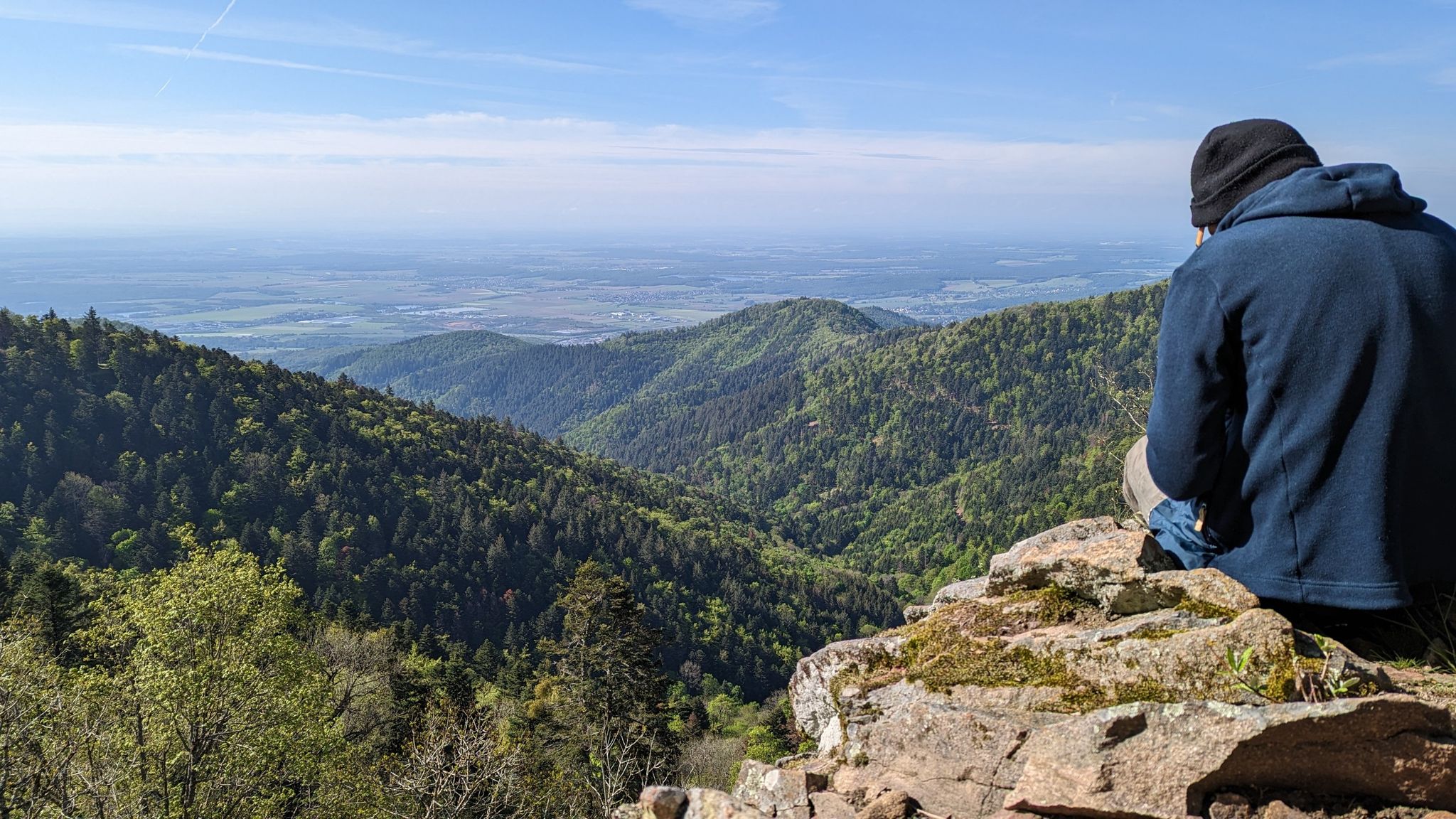
Sentier de l'Europe (GR 5) – Montbéliard to Abreschviller
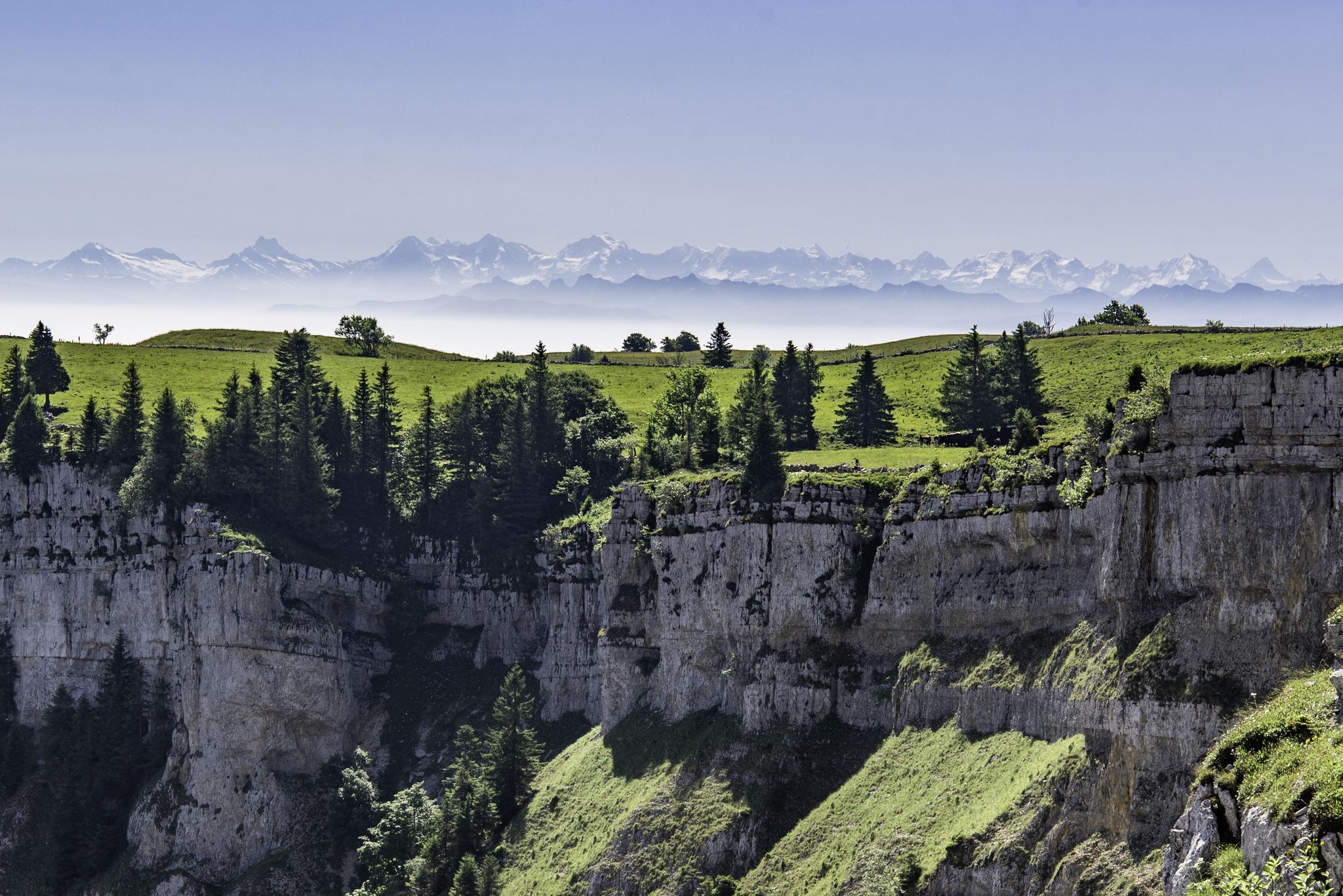
From the Vosges to the Jura mountains – Hexatrek, le Grand Est
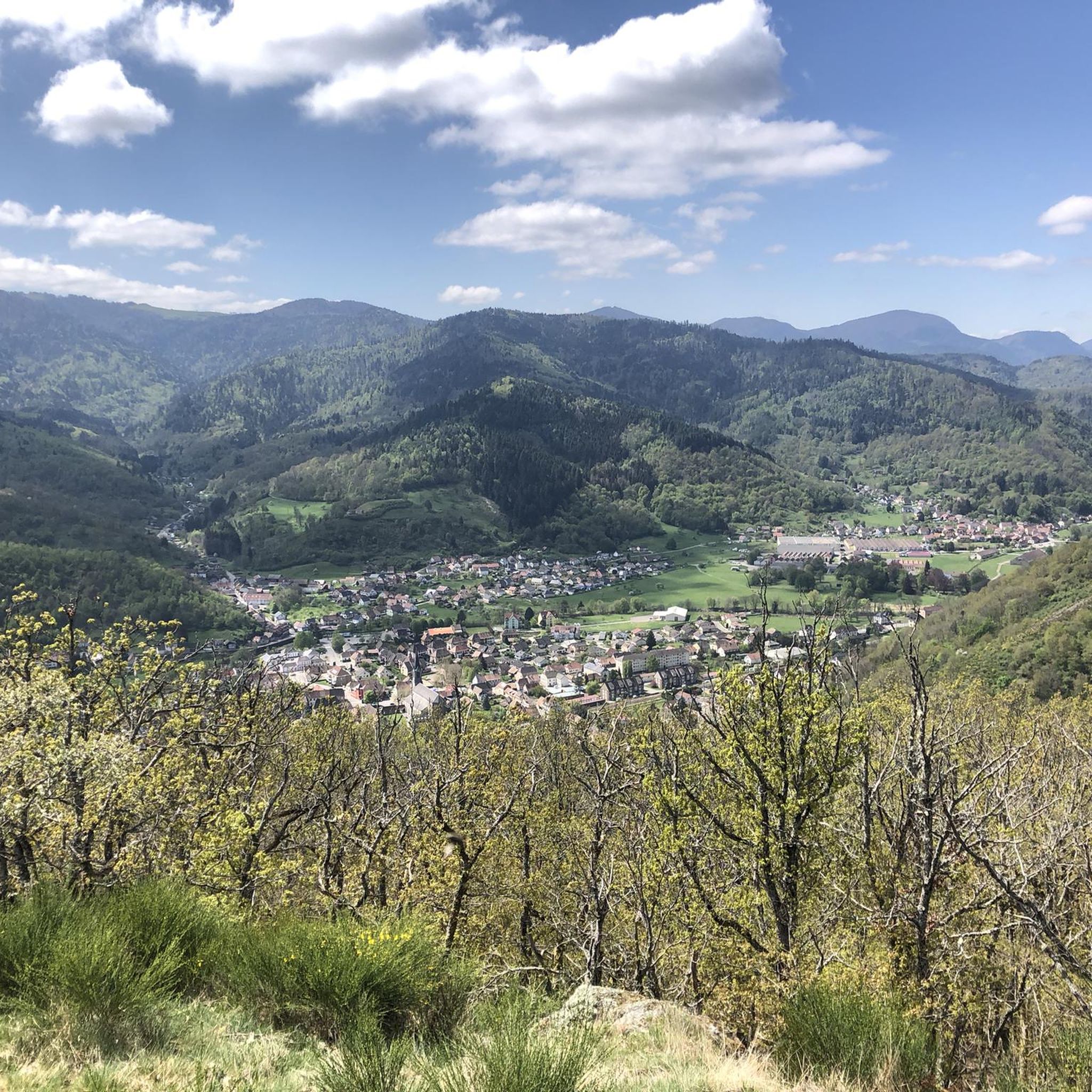
Hiking around Moosch
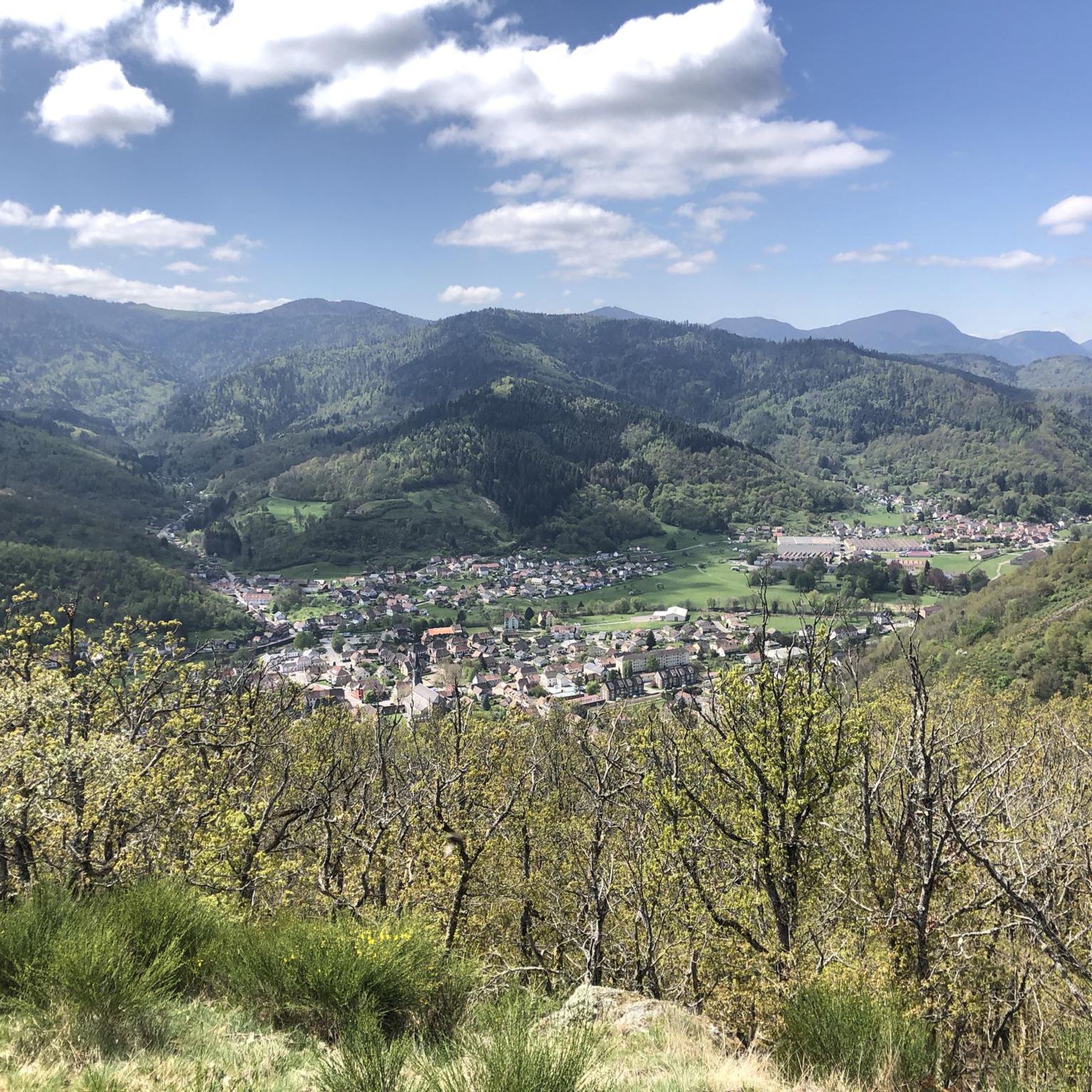
Cycling around Moosch
Road Cycling Routes around Moosch
Running Trails around Moosch
MTB Trails around Moosch
Gravel biking around Moosch
Mountain Hikes around Moosch


Tips from the Community

The gate was part of the city fortifications; the other two gates were demolished in the 19th century. Only the lower part of the Porte de Thann dates back to the 13th century; the superstructure with its battlements and battlements was added in the 16th century. After the destruction in the First World War, the city gate was restored, and only three of its four floors were rebuilt. A museum was established in the building (Wikipedia).
6
0

old castle ruins
0
0

"The Musée de la Porte de Thann in Cernay is housed in a medieval city gate from the 13th century, a listed monument since 1920. In four atmospheric rooms you can discover the rich history of Cernay, from antiquity to the Second World War. The eye-catcher is the detailed model of the city in its medieval glory. A small but fascinating stop for those who love heritage and stories along the way."
9
0

The castle was built from 1224, with various extensions until the 16th century. Its initial purpose, in addition to being the residence of the Count of Ferrette, was to monitor the toll which regulated passage into the Thur valley. Its name means the “town of the angel” in homage to Saint Michael, chief of the angels and champion of Good, and it stands at the top of the Schlossberg, the “castle mount. » In 1673, Louis The king called on miners from Giromagny to demolish the castle with explosives. When the dungeon collapses, part of it remains stuck on the side, giving the ruins their current shape. The locals nickname the remains of the castle “The Witch’s Eye” because this dungeon evokes an eye watching over the city, but also in connection with the tumultuous past involving the city in witch hunting. Family walk through the old town offering upon arrival a beautiful view of the town and the surrounding hills.
0
0

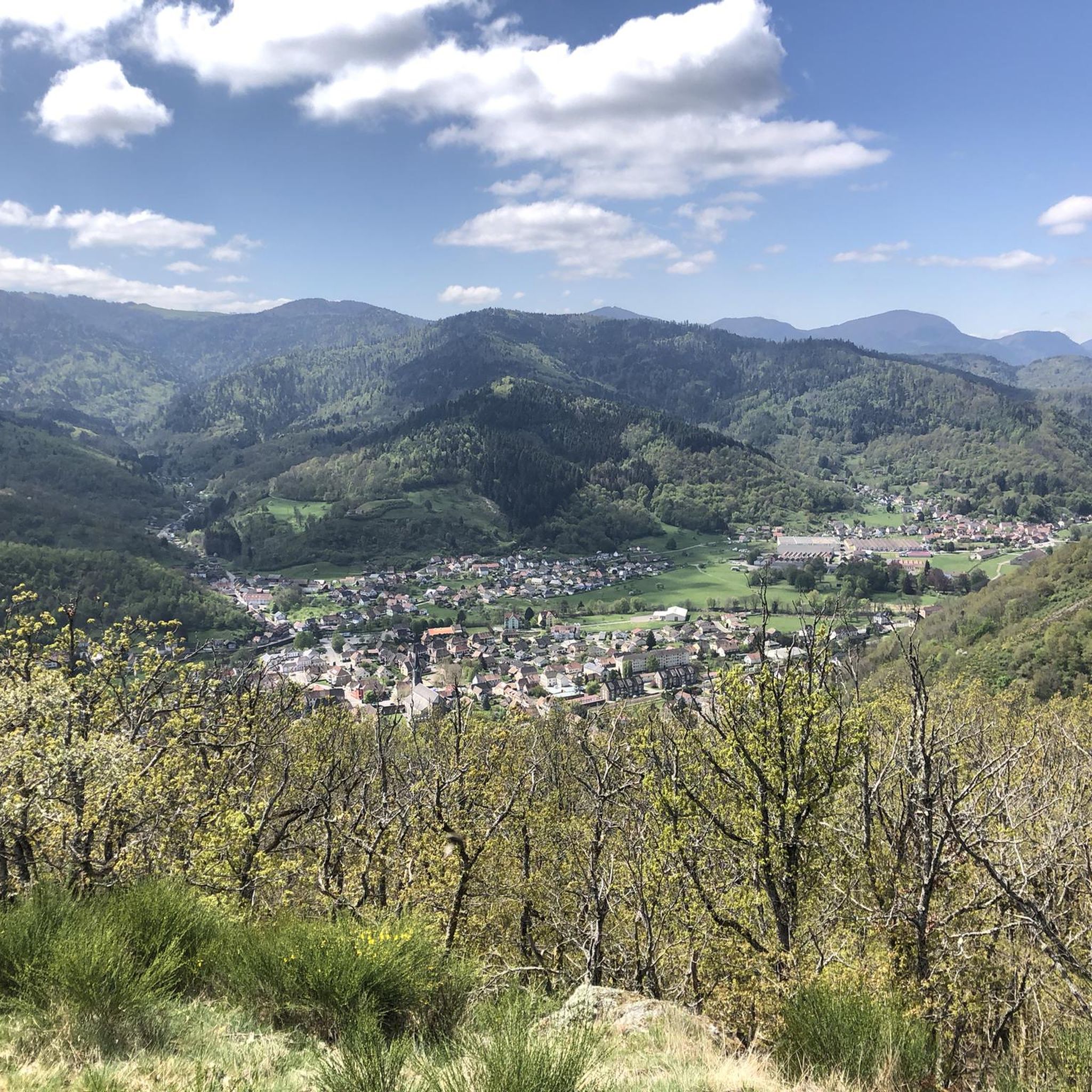
A worthwhile destination, good view of the city
0
1
The preservation over the many years is unique
0
1

A fallen tower as the central photo motif.
0
1

Nice viewpoint
0
1
Frequently Asked Questions
What are some unique historical features of castles near Moosch?
Near Moosch, you can explore castles with distinct historical elements. For instance, The Witch's Eye (Engelbourg Castle) in Thann is famous for its partially intact round keep, which locals call "l'Œil de la Sorcière" (the Witch's Eye) due to its unique shape after a 17th-century demolition. Another intriguing site is Wildenstein Castle Ruins in Kruth, which features a unique access tunnel carved into the rock, leading to its lower courtyard.
Are there castles near Moosch that offer panoramic views?
Yes, several castles in the region provide magnificent panoramic views. The Witch's Eye (Engelbourg Castle) offers sweeping views of Thann, the Thur valley, and the Vosges mountains. Similarly, the Ruins of Hohrupf Castle provide a great viewpoint of the Guebwiller valley, the Markstein, and the Rhine plain. The Ruins of Freundstein Castle, situated at 948 meters, also dominate the plain of Alsace.
What outdoor activities can I do near these castles?
The castles around Moosch are often integrated into natural landscapes, offering excellent opportunities for outdoor activities. You can find numerous hiking trails that lead to or pass by these historical sites. For example, the walk up to Engelbourg Castle provides scenic views. For more extensive outdoor adventures, explore the Mountain Hikes around Moosch guide, which includes routes like the Grand Ballon loop, or the Running Trails around Moosch for jogging enthusiasts. Cycling routes are also available in the area, detailed in the Cycling around Moosch guide.
Are there family-friendly historical sites near Moosch?
While many castle ruins involve walks that might be challenging for very young children, the historical context can be engaging for families. The Musée de la Porte de Thann in Cernay, housed in a medieval city gate, is considered family-friendly. It offers a detailed model of the city in its medieval glory and insights into local history, making it an accessible and educational stop.
What is the best time to visit the castles near Moosch?
The castles and their surrounding areas are generally accessible year-round. However, for the most comfortable hiking and best views, spring, summer, and early autumn are ideal. During these seasons, the weather is milder, and the natural landscapes are vibrant. Winter visits can be picturesque, especially after snowfall, but some paths might be more challenging due to ice or snow, and daylight hours are shorter.
How long does it typically take to visit a castle ruin near Moosch?
The duration of a visit can vary. For sites like The Witch's Eye (Engelbourg Castle), the walk up from Thann can take 20-40 minutes, and exploring the ruins themselves might add another 30-60 minutes. Wildenstein Castle Ruins also involves a walk to reach the site. Plan for at least 1 to 2 hours per castle ruin, including the approach, to fully appreciate the history and views.
Are there any less-known or 'hidden gem' castles to explore?
Beyond the more popular sites, the Ruins of Rougemont Castle offer a rewarding experience. Located at an altitude of 736m, this site provides magnificent views and archaeological panels explaining its history. Wildenstein Castle Ruins in Kruth, with its unique rock-cut tunnel and dramatic setting, also offers a blend of history and nature that feels off the beaten path.
Can I bring my dog to the castle ruins and surrounding trails?
Many of the outdoor castle ruins and hiking trails in the region are dog-friendly, provided your dog is kept on a leash. Sites like Engelbourg Castle and Wildenstein Castle Ruins are freely accessible, making them suitable for walks with your canine companion. Always ensure to clean up after your pet and respect other visitors and wildlife.
What kind of historical significance do these castles hold?
The castles around Moosch are primarily medieval ruins that played crucial roles in the defense and control of the Thur valley and the broader Alsace region. They were often strategically located on hilltops to guard trade routes and monitor territories. For example, Engelbourg Castle guarded the entrance to the Thur valley, while Wildenstein Castle was rebuilt in the 16th century to adapt to firearms warfare. Many were damaged during conflicts like the Thirty Years' War, offering insights into centuries of regional history.
Are there any museums related to the castles or local history?
Yes, the Musée de la Porte de Thann in Cernay is a notable historical site and museum. Housed within a 13th-century medieval city gate, it showcases the rich history of Cernay from antiquity to the Second World War, including a detailed model of the city in its medieval form. While not a castle itself, it provides valuable context to the region's fortified past.
What do visitors enjoy most about the castles around Moosch?
Visitors frequently highlight the stunning panoramic views from the castle ruins, the historical atmosphere, and the opportunity for peaceful walks in nature. The unique features, such as the "Witch's Eye" at Engelbourg Castle and the rock-cut tunnel at Wildenstein, are often mentioned as captivating elements. The blend of history with outdoor exploration is a major draw, as evidenced by the numerous photos and upvotes from the komoot community.
Most popular routes around Moosch
Most popular attractions around Moosch

Get inspired with the komoot mobile app


Explore more
Looking for the best castles somewhere else? Discover other guides around Moosch:
