Top 20 Mountain Passes around Urbis
Top mountain pass trails around Urbis provide access to varied terrain and scenic routes. The region features passes known for their historical significance and challenging climbs, appealing to both cyclists and hikers. These routes often traverse forested areas and offer expansive views of the surrounding landscapes. The mountain passes around Urbis are characterized by their natural beauty and opportunities for outdoor activity.
Best mountain passes around Urbis
- The most popular mountain passes is Markstein, a mountain pass that serves…
Last updated: October 13, 2026
Markstein
Highlight • Mountain Pass
A renowned farm inn is located nearby, ideal for a lunch break between two cycling trips.
Translated by Google •
Tip by

Haag Pass
Highlight • Mountain Pass
Translated by Google •
Tip by

Sign up now to discover places like this
Get recommendations on the best single tracks, peaks, & plenty of other exciting outdoor places.
Ascent from Soultz to Col du Grand Ballon
Highlight (Segment) • Climb
Translated by Google •
Tip by

Col du Bramont (Southwest)
Highlight (Segment) • Mountain Pass
With a length of 7 kilometers, this pass has a drop of 385 meters, with a maximum gradient of 7%.
Translated by Google •
Tip by
Climb to Col Amic
Highlight (Segment) • Mountain Pass
This pass has an average gradient of 4.8% over 9.6 kilometers. The slope is therefore rather …
Translated by Google •
Tip by
Sign up for free to discover even more mountain passes around Urbis.
Already have an account?
Start today with a free account
Your next adventure awaits.
Popular around Urbis




Tips from the Community

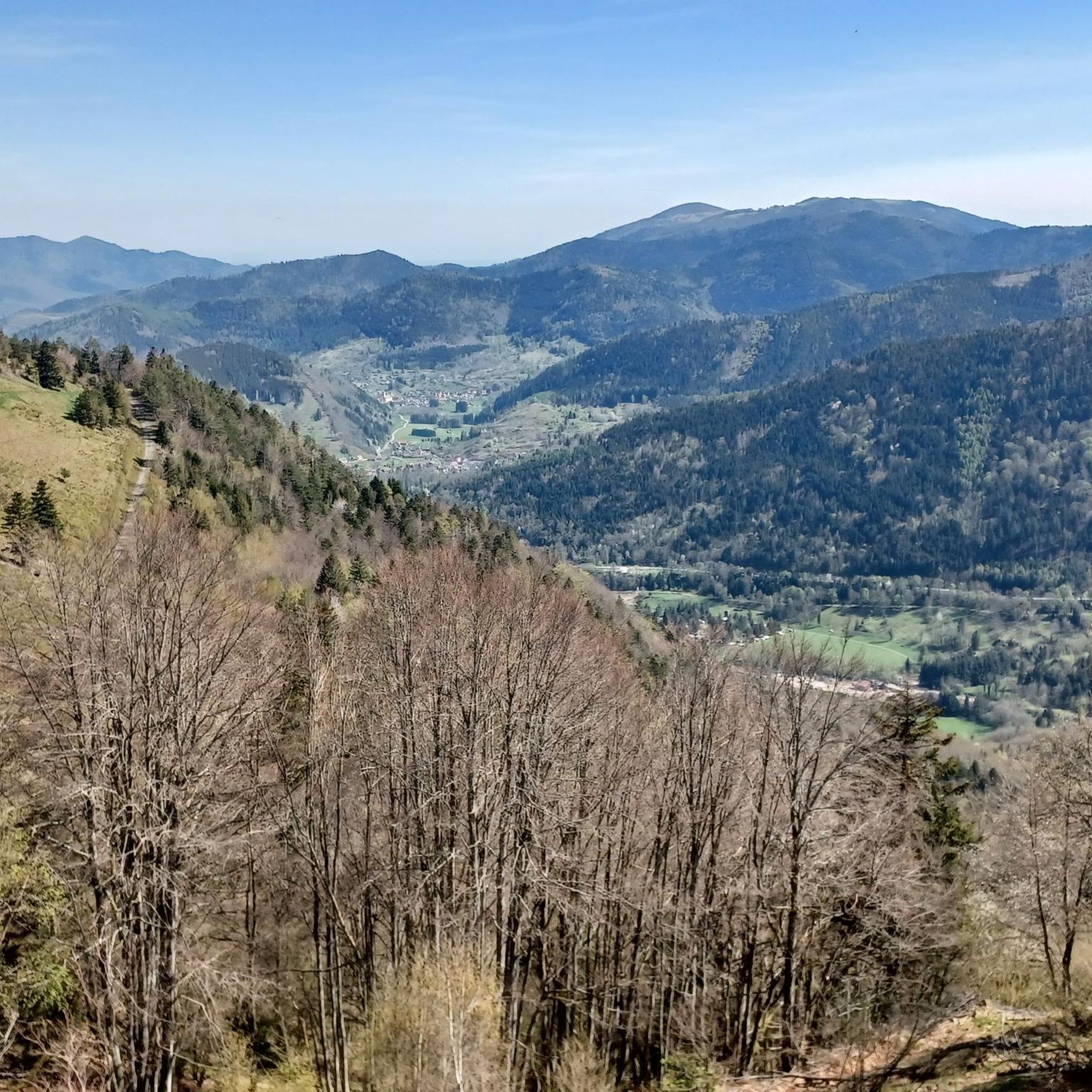
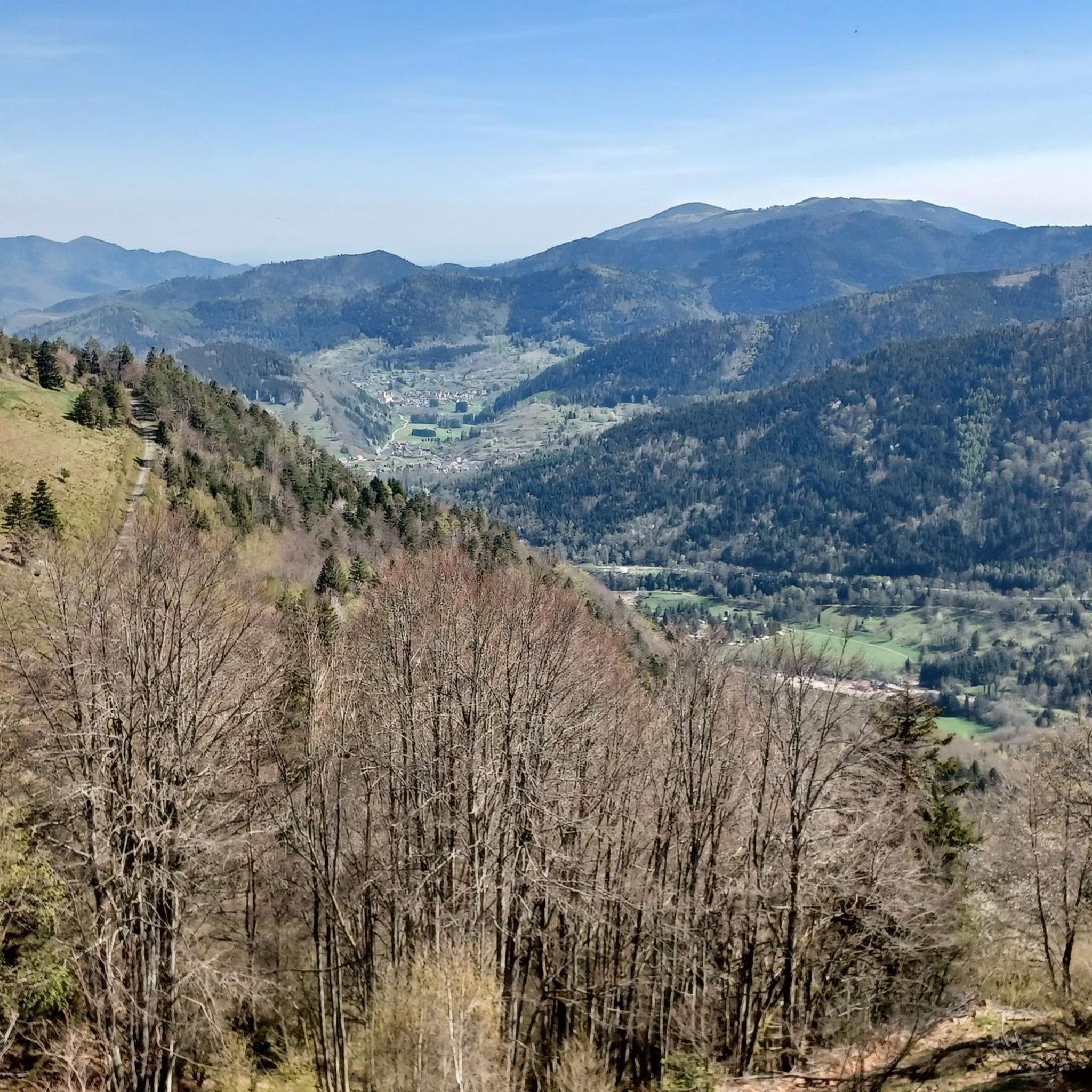
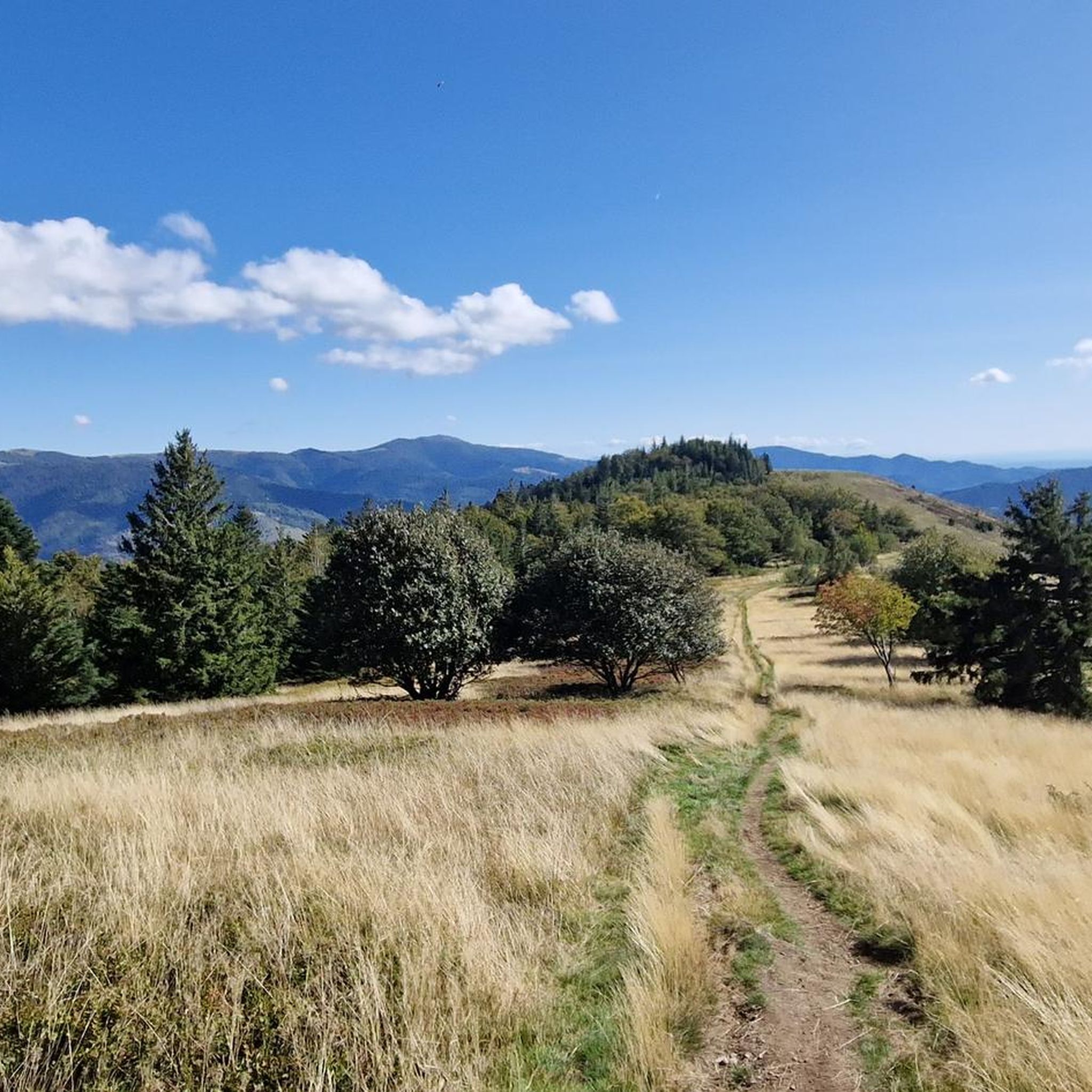
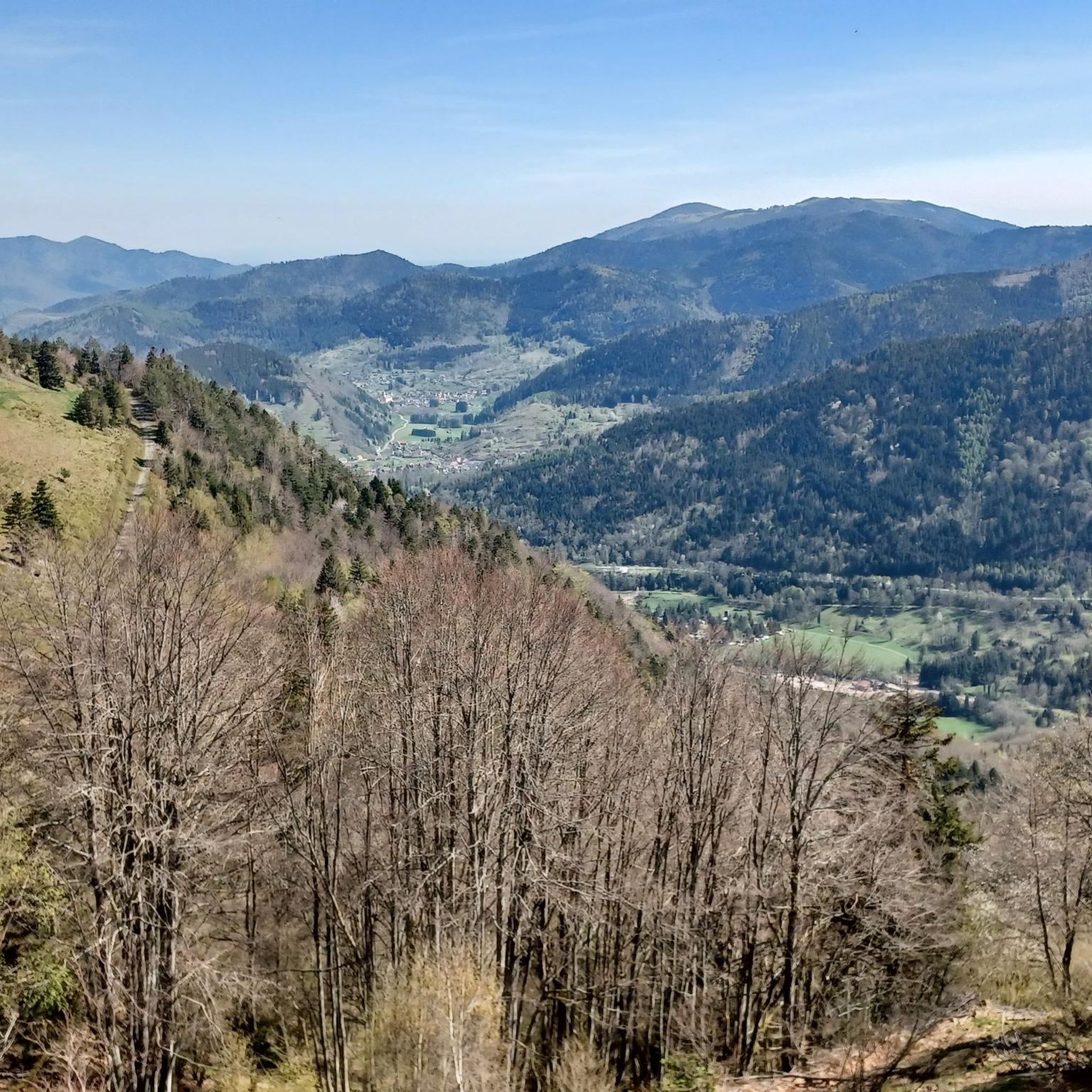
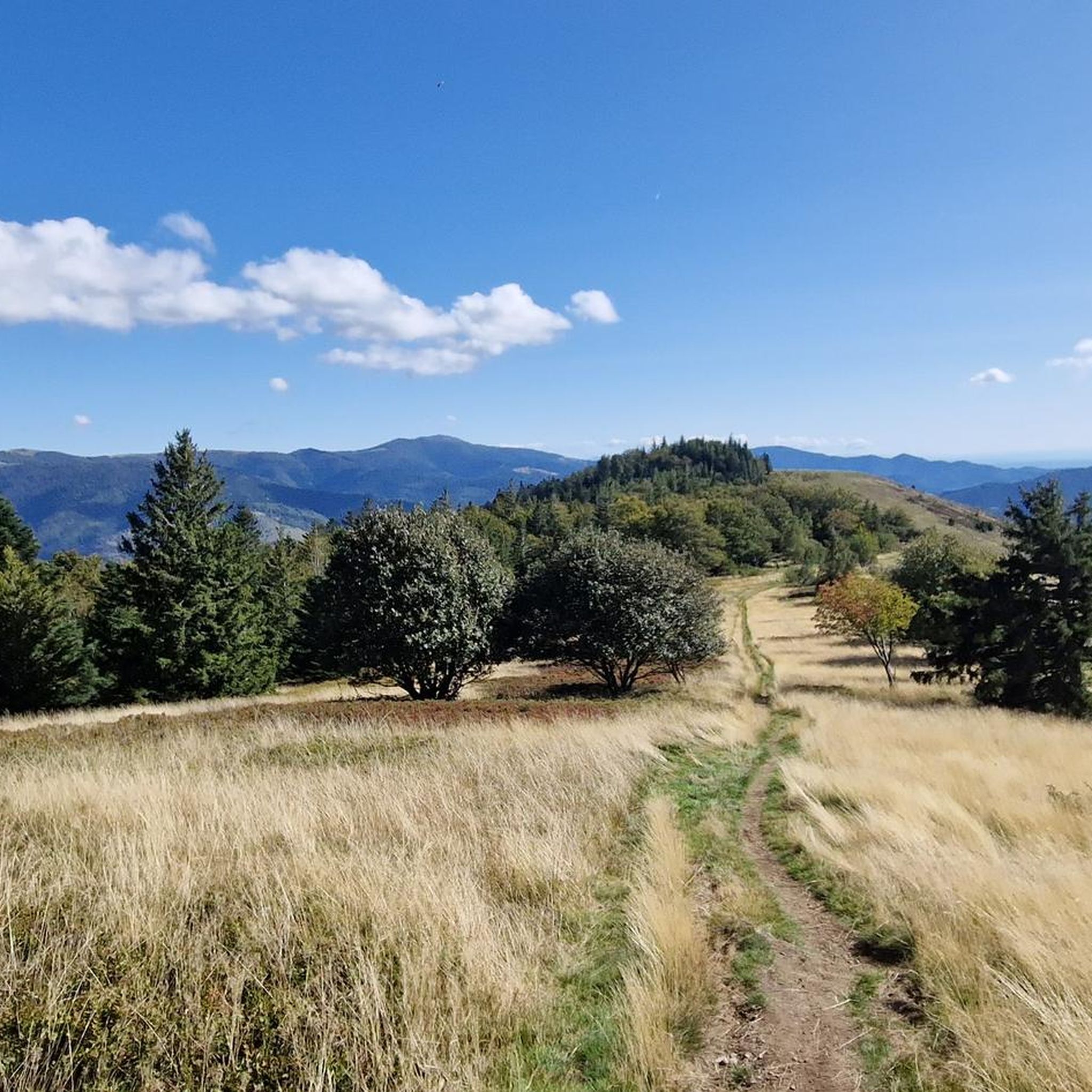
When you drive from the Route des Crêtes towards Le Grand Ballon, you pass the Col du Haag (1233 m) almost unnoticed. Yet, this pass marks a special point on the southern flank of the highest mountain in the Vosges. Here, steep roads from the Thurdal leave the wooded slopes and reach the open heights of the massif. From the col, a typical Vosges landscape unfolds with mountain meadows, scattered farms, and sweeping views. The proximity of the Grand Ballon is felt everywhere: the imposing summit towers above the pass and forms the natural goal of the final climbing kilometers. For cyclists, the Col du Haag is mainly known as the point where difficult climbs from the valleys converge before the road continues to rise to the highest point of the Vosges.
6
0
Le Markstein (1184 m) is meer dan alleen een kruispunt op de Route des Crêtes. Het is echter een echte bergpas en het hoogste punt van de oversteek tussen het Lauch- en Thurdal. Het ligt in het hart van het Vogezenmassief, midden een populair wintersportgebied dat nauw verbonden is met de Grand Ballon
6
0
The climb starts relatively calmly; the first 4.5 kilometers hardly show any significant incline, while the road runs slightly undulating along the Lac de Kruth-Wildenstein reservoir. Only after that does the real climbing work begin over a distance of about 3.5 to 4 kilometers. From that moment on, the road winds its way up via 12 characteristic hairpin bends. The gradient during this section is very constant and fluctuates almost continuously around 5 to 6%, making the climb ideal for finding a steady rhythm. The road is well-asphalted and leads entirely through a dense pine forest. This allows you to cycle delightfully in the shade, although due to the dense vegetation at the top and during the climb, there are few sweeping views of the valley. Once at the top (955m), you can descend directly to the north side towards La Bresse or join the well-known Route des Crêtes to extend the ride to, for example, the Col de la Schlucht or the Grand Ballon.
6
0

It's an ideal starting point for hikes to the Grand Ballon, the Storkenkopf, and many more. Here you can enjoy a hearty meal before or after a hike.
4
0

From Soultz: Very nice climb. The road surface is great, runs smoothly and you mainly drive through a shady forest with the occasional glimpse through the trees. Few cars encountered, at the end a beautiful meadow and then at the top you can continue to the Grand Ballon.
1
0

rather inconspicuous col that is easily missed.
4
0

The inconspicuous pass directly below the Grand Ballon leads a wallflower existence. Since the newly asphalted route from Geishouse up, however, reaching this intermediate destination marks the point where you come across motorized traffic again and at the same time have the worst behind you and can really enjoy the last few meters up to the Grand Ballon.
5
0
Frequently Asked Questions
What are some notable mountain passes around Urbis?
The region features several significant mountain passes. Markstein is a magnificent viewpoint and an important hub for starting routes. Haag Pass is an intermediate pass on the scenic Route des Crêtes, offering views of wooded slopes and the Rhine plain. Another must-see is Ballon d'Alsace, known for its historical significance in cycling as the first pass conquered in the Tour de France.
What do visitors enjoy most about the mountain passes around Urbis?
Visitors appreciate the natural beauty and varied terrain, which offers opportunities for both cycling and hiking. The passes are well-regarded by the komoot community, with over 600 upvotes and more than 40 photos contributed by users, highlighting the scenic routes and expansive views.
Are there good parking options at the mountain passes?
Yes, for instance, Markstein offers good parking space, making it convenient for visitors to park their cars and start their cycling or hiking routes from there.
What kind of outdoor activities can I do near these mountain passes?
The area around Urbis is excellent for various outdoor activities. You can find numerous cycling routes, including challenging road cycling tours like the Ballon d'Alsace – Voie verte along the Moselle loop, and more moderate options such as the Col de Bramont loop. For hikers, there are trails ranging from easy marshland walks to difficult ascents like the Perches Pass. You can explore more options in the Cycling around Urbis, Road Cycling Routes around Urbis, and Hiking around Urbis guides.
Are there specific hiking trails near the mountain passes?
Absolutely. Near passes like Haag Pass and Ballon d'Alsace, you'll find many hiking trails. For example, the Haag Pass is at the intersection of many hiking trails. You can find a variety of routes, from easy loops like the Petit Drumont summit to more challenging ones like the Perches Pass – View of Lac des Perches loop. Discover more in the Hiking around Urbis guide.
Are there cafes or pubs near the mountain trails?
Yes, many of the mountain passes and routes have refreshment opportunities nearby. For example, near Markstein, there is a renowned farm inn. The Route des Crêtes, which passes through Haag Pass, also features 'Ferme' (cozy Alsatian country inns) along its entire route, offering places to stop for a break.
What is the difficulty level of mountain passes around Urbis?
The mountain passes around Urbis offer a range of difficulty levels. Some, like Haag Pass, are intermediate. Climbs such as the Col du Bramont (Southwest) are described as not too difficult, with moderate slopes. The region caters to various fitness levels, from moderate slopes to more challenging ascents.
Can I find circular walks around the mountain passes?
Yes, circular walks are available. For instance, the Haag Pass is an ideal point to start a round on the Grand Ballon. The nearby hiking guide also lists several loop trails, such as the Petit Drumont summit loop. Explore more options in the Hiking around Urbis guide.
Are there any historical sites or points of interest on the mountain passes?
Yes, some passes have historical significance. Ballon d'Alsace is notable for being the first pass conquered in the Tour de France in 1905. The Route des Crêtes, which includes Haag Pass, was originally laid out by French troops during the First World War and passes several sites from that period.
Are there any hidden gem mountain passes in the Urbis region?
While the guide highlights popular passes, the Ascent from Soultz to Col du Grand Ballon is described as a quiet option, leading pleasantly through shady forest on a small, winding road, with very low traffic, making it a less-traveled but rewarding route.
What is the best time of year to visit the mountain passes around Urbis?
The Route des Crêtes, which includes several passes, is mainly accessible in the snow-free months. During summer, routes like the Ascent from Soultz to Col du Grand Ballon offer pleasant shade in the woods, making it an ideal time for cycling and hiking.
Most popular routes around Urbis
Most popular attractions around Urbis

Get inspired with the komoot mobile app


Explore more
See even more epic mountain passes by checking out these guides around Urbis:
