Attractions and Places To See around Marcilly-Sur-Vienne - Top 14
Best attractions and places to see around Marcilly-Sur-Vienne include a blend of historical sites, natural landscapes, and access to the wider Loire Valley region. This rural commune in Indre-et-Loire, France, is shaped by the Vienne River and its alluvial plain, featuring hills and valleys. The area contains classified natural zones of ecological interest, offering opportunities to explore local heritage and natural beauty.
Best attractions and places to see around Marcilly-Sur-Vienne
- The most popular attractions is Courtineau Valley and Troglodyte Houses…
Last updated: October 9, 2026
Courtineau Valley and Troglodyte Houses
Highlight • Historical Site
Translated by Google •
Tip by

Courtineau Valley
Highlight (Segment) • Other
Translated by Google •
Tip by
Sign up now to discover places like this
Get recommendations on the best single tracks, peaks, & plenty of other exciting outdoor places.
Crissay-sur-Manse Village
Highlight • Settlement
Translated by Google •
Tip by
Les Ormes
Highlight • Other
Translated by Google •
Tip by

Saint-Maurice Church of L'Île-Bouchard
Highlight • Religious Site
Translated by Google •
Tip by

Sign up for free to discover even more attractions around Marcilly-Sur-Vienne.
Already have an account?
Start today with a free account
Your next adventure awaits.



Tips from the Community

Crissay-sur-Manse is one of the most beautiful villages in France. The Manse River, which gives the village its name, flows through the southern part of the municipality. Sights: - Saint-Maurice Church (early 16th century) - Houses from the 15th and 16th centuries - Castle ruins (15th century)
0
0


L'Île-Bouchard has a unique configuration as it consists of two suburbs, Saint Maurice and Saint Gilles, after which the two churches are named, are respectively on the left and right banks of the Vienne, connected by a bridge and or L' Île, the cradle of the city. Source: https://nl.frwiki.wiki/wiki/L%27%C3%8Ele-Bouchard
0
0

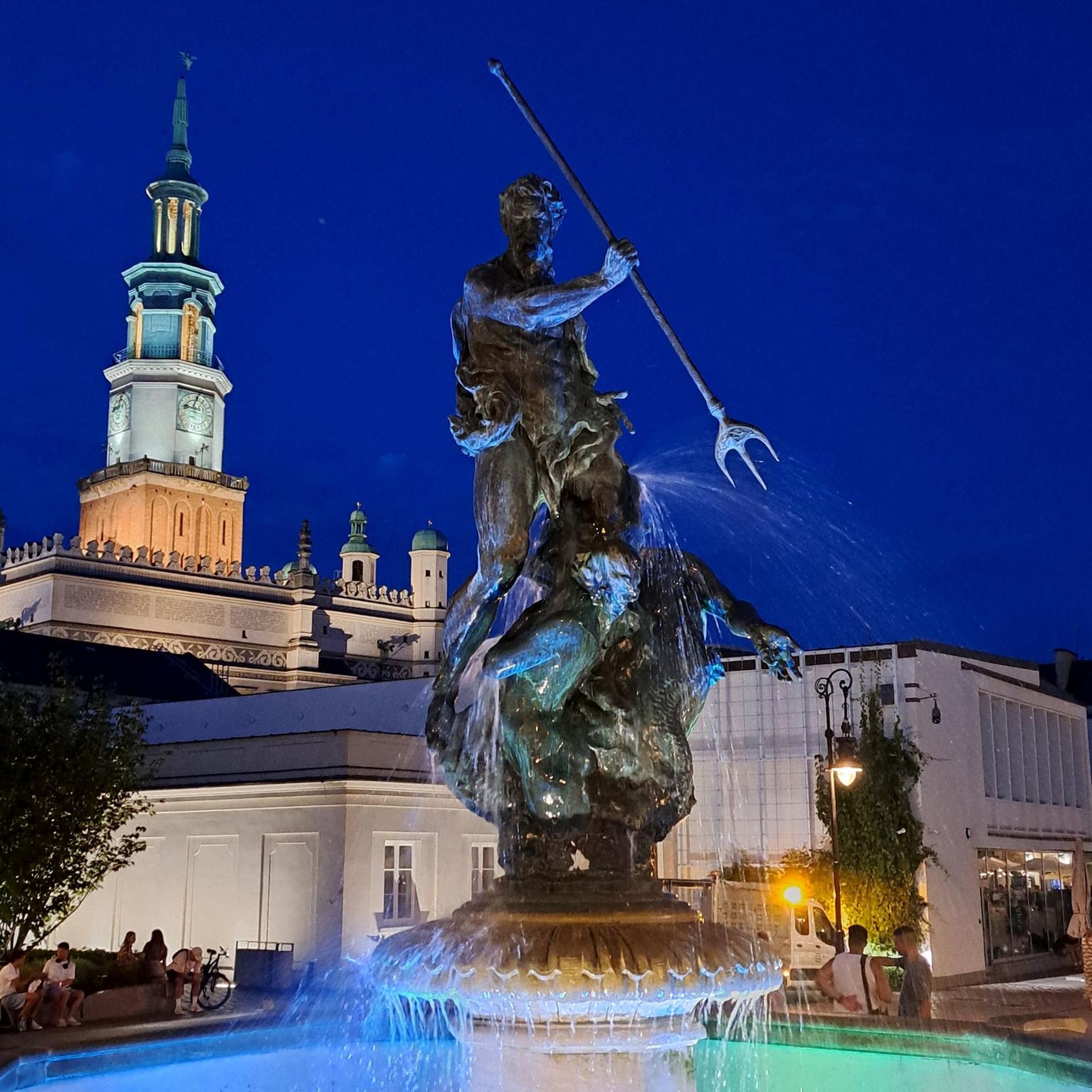
Small village known for its castle, built on the edge of Vienne: the Château des Ormes, which is listed and open to the public between June and September. You can also discover by strolling an old post house, the castle of Fontaine, the chapel of Falaise but also the very beautiful Halles and the old wash house, in the heart of the village.
1
0

A very nice road
0
0

Crissay sur manse is one of the most beautiful villages in France. These stone houses, its church, its washhouse make it a must in the area.
0
0

The Courtineau valley is a valley located in the municipalities of Saint-Epain and Sainte-Maure-de-Touraine, in the department of Indre-et-Loire, in the Center-Val de Loire region. Six kilometers long, it has many troglodyte dwellings, water mills, washhouses ... It is classified as a natural area of ecological, faunistic and floristic interest (ZNIEFF) because of its remarkable character. The chapel of Notre-Dame-de-Lorette, carved into the rock, would have been the refuge of a hermit in the fourteenth century2. On March 6, 1429, Joan of Arc would have taken shelter there to protect herself from a downpour while she was traveling the Courtineau valley to go to Chinon to see King Charles VII, after two nights spent in Sainte-Catherine-de -Proudwood. The water mills: - The Moulin de la Chaise: from 1241 to 1789, it belonged to the Chapter of Saint-Martine de Tours and depended on the Provost of Saint-Epain. - The Courtineau mill - The Malicorne mill: in the fourteenth and at least until the seventeenth century, it depended on the seigneury of Sainte-Maure-de-Touraine. We grew hemp there - The Souvres mill. - The mill of Mareille, large building of three floors which appears on the map of Cassini and the Napoleonic land register of 18274. According to the elders, the building was before 1900 a sawmill, the paddle wheel was placed further. The village of Courtineau is made up of troglodyte houses. In the mid-twentieth century he still owned a café, a grocery store and a school.
2
0
The Courtineau valley is a valley located in the municipalities of Saint-Epain and Sainte-Maure-de-Touraine, in the department of Indre-et-Loire, in the Center-Val de Loire region. Six kilometers long, it has many troglodyte dwellings, water mills, washhouses ... It is classified as a natural area of ecological, faunistic and floristic interest (ZNIEFF) because of its remarkable character. The chapel of Notre-Dame-de-Lorette, carved into the rock, would have been the refuge of a hermit in the fourteenth century2. On March 6, 1429, Joan of Arc would have taken shelter there to protect herself from a downpour while she was traveling the Courtineau valley to go to Chinon to see King Charles VII, after two nights spent in Sainte-Catherine-de -Proudwood. The water mills: - The Moulin de la Chaise: from 1241 to 1789, it belonged to the Chapter of Saint-Martine de Tours and depended on the Provost of Saint-Epain. - The Courtineau mill - The Malicorne mill: in the fourteenth and at least until the seventeenth century, it depended on the seigneury of Sainte-Maure-de-Touraine. We grew hemp there - The Souvres mill. - The mill of Mareille, large building of three floors which appears on the map of Cassini and the Napoleonic land register of 18274. According to the elders, the building was before 1900 a sawmill, the paddle wheel was placed further. The village of Courtineau is made up of troglodyte houses. In the mid-twentieth century he still owned a café, a grocery store and a school.
1
0
Frequently Asked Questions
What historical sites can I explore in Marcilly-sur-Vienne itself?
In Marcilly-sur-Vienne, you can visit the historic Église Saint-Blaise, known for its flamboyant tracery window and stained glass. While a private residence, the 16th and 17th-century Château de la Motte is historically significant. Don't miss the 17th-century Pigeonnier Carré des Mariaux and several old washhouses, including one fed by a natural spring on the Chemin de la Fontaine.
Are there any natural areas or viewpoints to enjoy near Marcilly-sur-Vienne?
Yes, the village is shaped by the Vienne River and its alluvial plain, offering picturesque views along hiking trails. The commune also contains two classified natural areas of ecological, faunistic, and floristic interest (ZNIEFF). You can also see the location of the historic 'Maison du Passeur' and a viewpoint from the remains of an old bridge.
What are the best places to experience local history and troglodyte dwellings?
The Courtineau Valley and Troglodyte Houses is an excellent choice. This 6-kilometer valley, located in Saint-Epain and Sainte-Maure-de-Touraine, features numerous troglodyte dwellings, water mills, and washhouses. It's also home to the rock-carved Chapel of Notre-Dame-de-Lorette, where Joan of Arc is said to have sheltered.
Which picturesque villages are worth visiting in the region?
You can explore Crissay-sur-Manse Village, recognized as one of France's most beautiful villages with its stone houses and 16th-century church. The village of Les Ormes also offers charm with its listed Château des Ormes, an old post house, and a beautiful old washhouse. Additionally, Richelieu and Chinon both boast protected historical centers.
What options are there for family-friendly activities?
For family fun, consider visiting the Aquarium de Loudun or the Aquarium du Val-de-Loire. If you're looking for outdoor adventure, Saint Benoit Aventure offers an 'acrobranche' (tree-top adventure) park with courses suitable for all ages.
Can I go cycling near Marcilly-sur-Vienne?
Yes, the area around Marcilly-sur-Vienne offers various cycling opportunities. You can find numerous routes for touring bicycles, mountain bikes, and road cycling. For detailed routes, check out the Cycling around Marcilly-Sur-Vienne guide, the MTB Trails around Marcilly-Sur-Vienne guide, or the Road Cycling Routes around Marcilly-Sur-Vienne guide.
What kind of outdoor activities are available on the Vienne River?
The Vienne River provides excellent opportunities for water activities. You can enjoy canoeing or kayaking on the river. In Chinon, you can also experience traditional Gabares boat trips, offering a unique perspective of the waterway.
Are there any notable châteaux or castles to visit nearby?
The Loire Valley is famous for its châteaux. Within a reasonable distance, you can visit the charming Château du Rivau, the beautiful Château d'Azay-le-Rideau, or the historically significant Château de Chinon. The Château des Ormes is also open to the public seasonally, and the renowned Château de Chenonceau is a classic Loire Valley highlight.
What cultural or unique historical sites are there beyond the main attractions?
Beyond the well-known sites, you can visit the Prieuré Saint Côme, the former residence of the poet Pierre de Ronsard. The village of Maillé also offers a museum commemorating its tragic history as a martyr village during World War II, providing a poignant cultural experience.
What do visitors particularly enjoy about the attractions around Marcilly-sur-Vienne?
Visitors appreciate the blend of historical richness and natural beauty. The Courtineau Valley and Troglodyte Houses is highly regarded for its unique historical context and natural setting. The picturesque Crissay-sur-Manse Village is loved for its charm and well-preserved architecture, making it a favorite for strolls and photography.
Are there any specific religious buildings of interest?
Yes, in the nearby L'Île-Bouchard, you can find the Saint-Maurice Church of L'Île-Bouchard. This church is part of the unique configuration of L'Île-Bouchard, which consists of two suburbs, Saint Maurice and Saint Gilles, each with its own church, connected by a bridge over the Vienne.
Most popular routes around Marcilly-Sur-Vienne

Get inspired with the komoot mobile app


Explore more
Still not found the Highlight you’re looking for? See guides of the top attractions in other regions:
