Attractions and Places To See around Irancy - Top 20
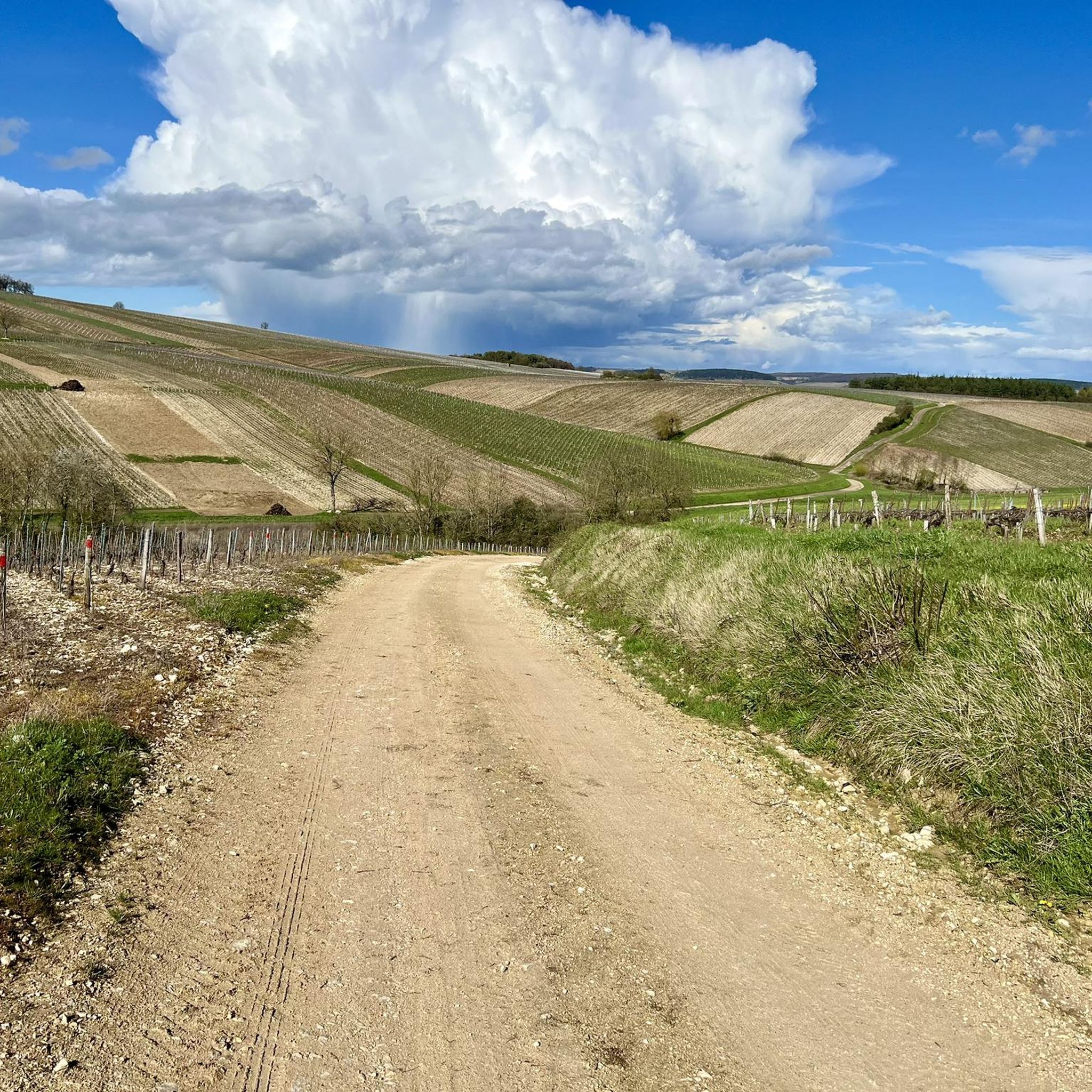
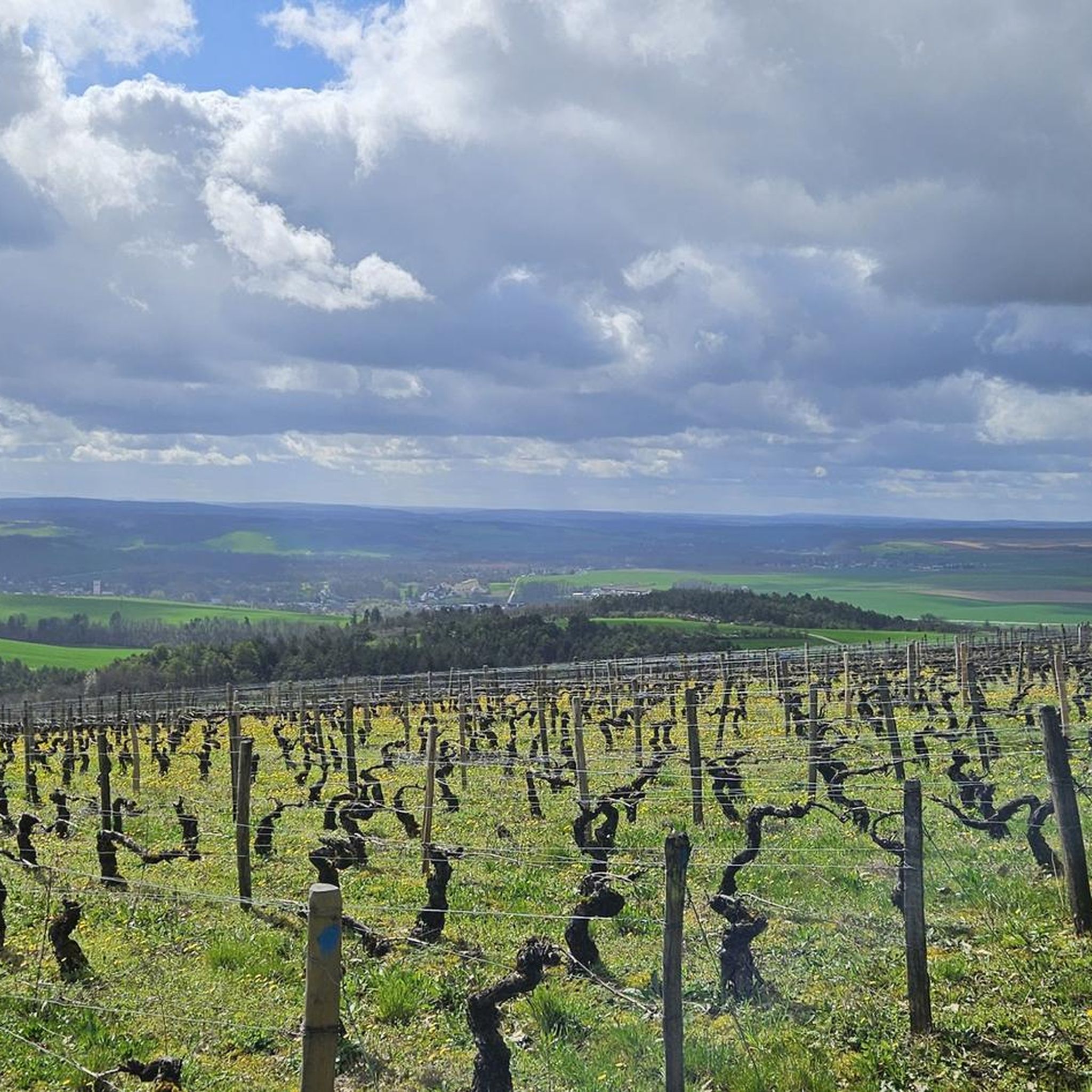
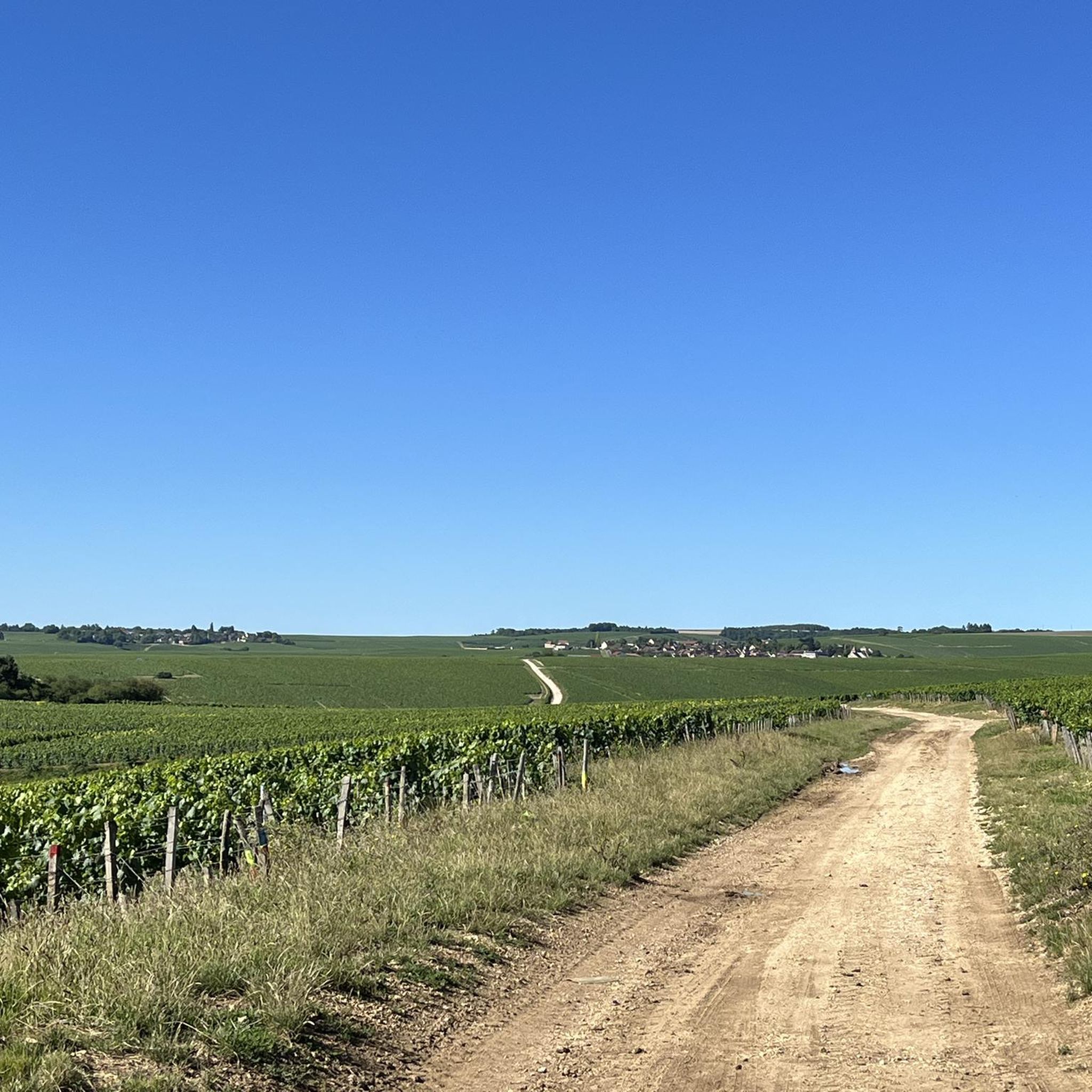
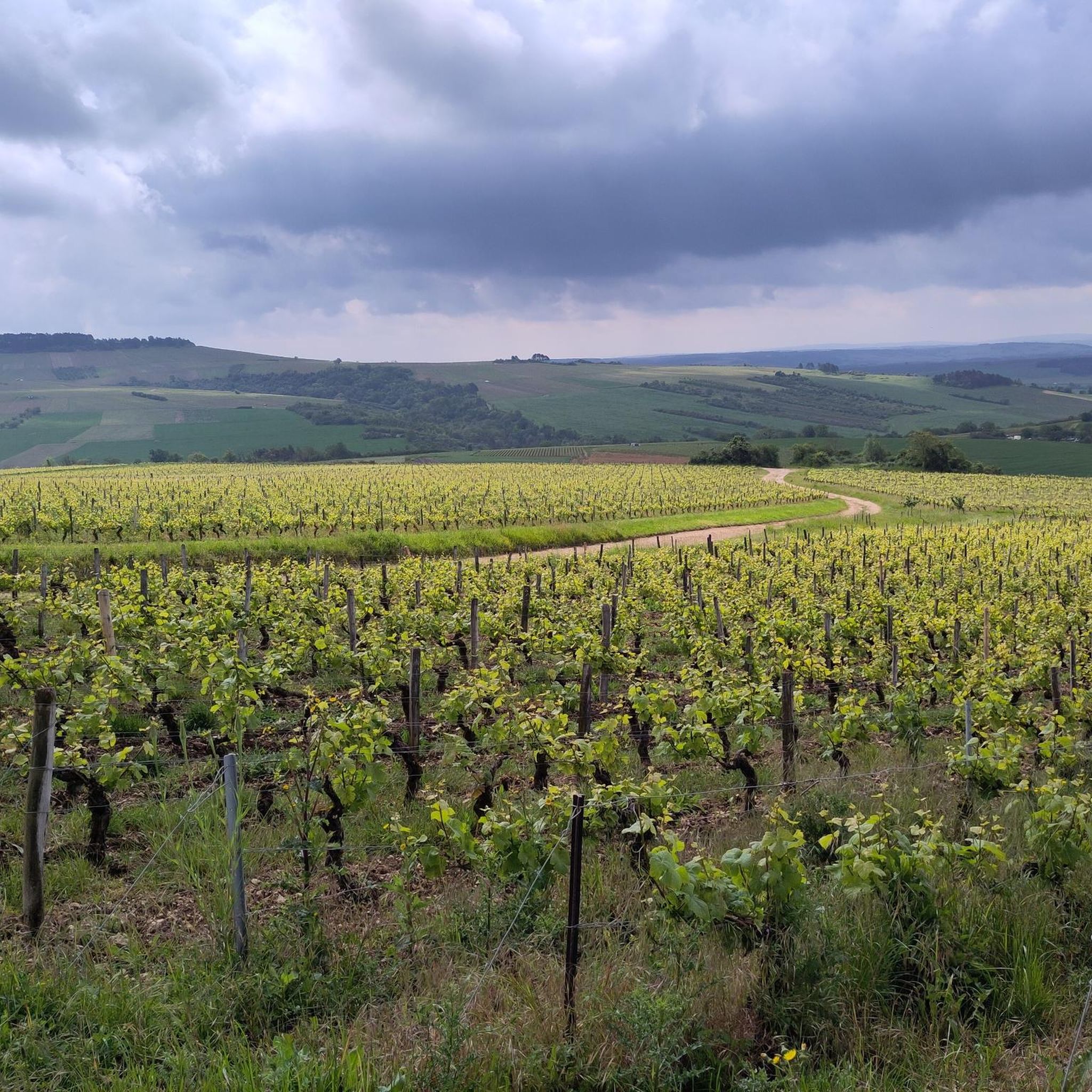
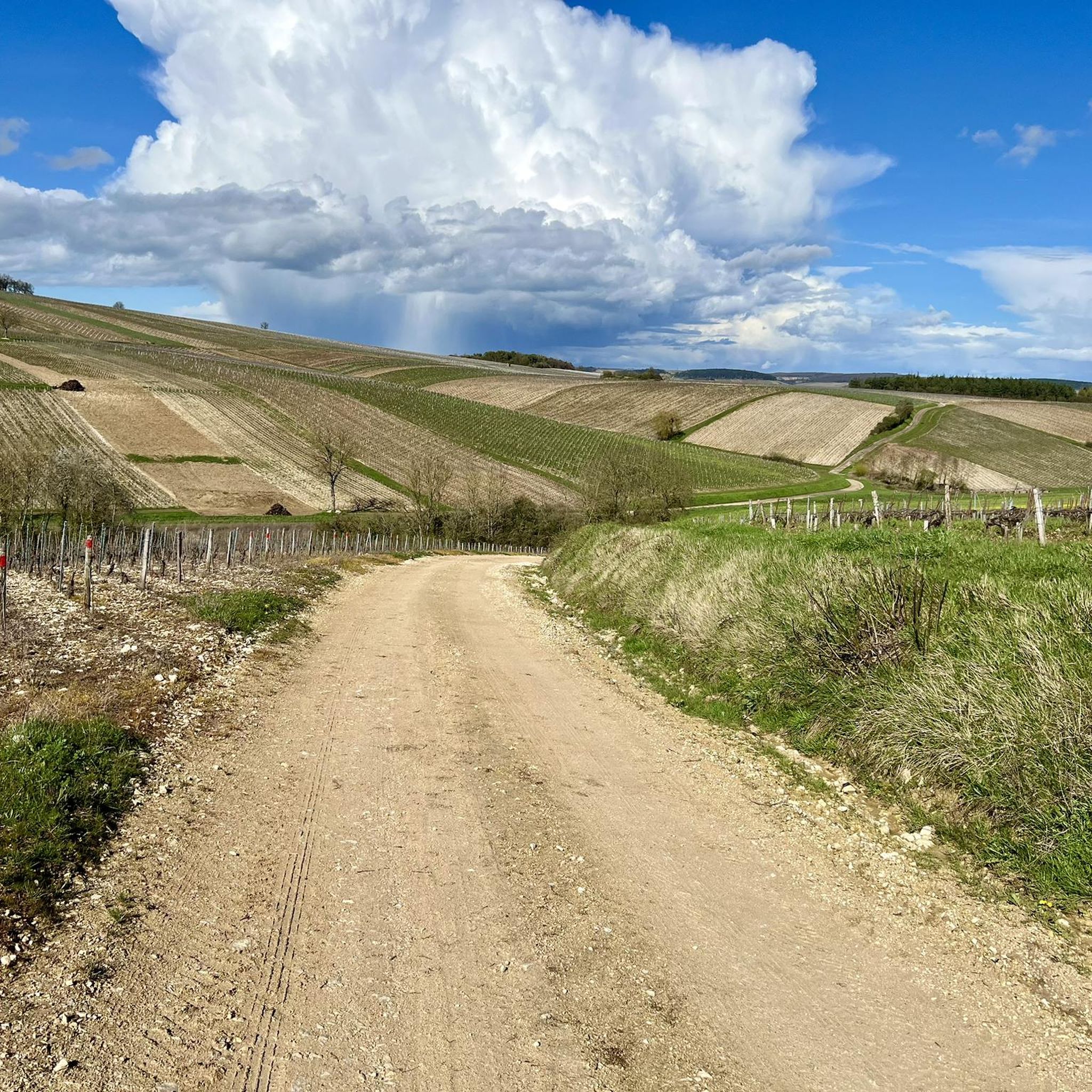
Best attractions and places to see around Irancy, a village in the Yonne department of Burgundy-Franche-Comté, France, offers a blend of historical landmarks, natural beauty, and cultural experiences. The area is situated in an amphitheater-like valley, bordered by hills covered with vineyards and cherry trees, creating a microclimate that protects its renowned Pinot Noir grapes. Irancy is also notable as the birthplace of architect Jacques-Germain Soufflot.
Best attractions and places to see around Irancy
- The most popular attractions is Paul Bert Bridge, a bridge that offers views of Auxerre and its old town. A small balcony near the statue of Paul Bert provides a vantage point for enjoying the scenery.
- Another must-see spot is Church of Saints Peter and Paul, Cravant, a religious building with unique architecture in Burgundy. Its impressive dimensions reflect Cravant's historical significance, and the interior showcases a Renaissance choir and vaulted ceilings.
- Visitors also love Bridge to the Île aux Plaisirs, a pedestrian and bicycle bridge. This bridge connects the SNCF train station and the old town of Auxerre, offering views of the city and the Yonne river.
- Irancy is known for its historical architecture, religious buildings, and scenic viewpoints. The region offers a variety of attractions to see and explore, from village walks to vineyard landscapes.
- The attractions around Irancy are appreciated by the komoot community, with more than 200 upvotes and 26 photos shared across the highlights.
Last updated: August 26, 2026
Church of Saints Peter and Paul, Cravant
Highlight • Religious Site
Its impressive dimensions remind us that Cravant was a city of more than 3000 inhabitants.
The church then belonged to the bishops of Auxerre who came there regularly and did everything to make it beautiful and imposing. The interior of the church, with its nave, its Renaissance choir, its chapels, its keystones and its vaulted ceilings, bears witness to its prestigious past.
It was built in the 9th century, enlarged in the 12th century then rebuilt at the end of the 16th century.
bourgogne-tourisme.com/abbayes-et-autre-edifices-religieux/eglise-de-saint-pierre-et-saint-paul-de-cravant-3
Translated by Google •
Tip by

Belombre Castle
Highlight • Other
Translated by Google •
Tip by
Sign up now to discover places like this
Get recommendations on the best single tracks, peaks, & plenty of other exciting outdoor places.
Sign up for free
Saint Peter's Church of Auxerre
Highlight • Religious Site
The church is open during the day. One should go far ahead to admire the enormous height of the dome.
Translated by Google •
Tip by

Pierre Merlier Museum
Highlight • Monument
ot-auxerre.fr/offres/musee-pierre-merlier-escolives-sainte-camille-fr-2643474
Translated by Google •
Tip by
Paul Bert Bridge
Highlight • Bridge
Translated by Google •
Tip by

Sign up for free to discover even more attractions around Irancy.
Sign up for free
Already have an account?
Start today with a free account
Your next adventure awaits.
Login or Signup

Tips from the Community

In Escolives-Sainte-Camille lies the Chateau de Belombre. The origins of this château on the Yonne date back to the early 16th century. The current château was completed by the renovation of the former manor house in the 17th century.
0
0

The extremely impressive church in Cravant was dedicated to the two SAINTS "PIERRE et PAUL". They are also known as the "Princes of the Apostles" and their common feast day in the calendar of saints is June 29th. * Simon, nicknamed Peter (Rock), was a fisherman on Lake Genesareth when he - together with his brother Andrew - was called by Jesus Christ to be a "fisher of men". According to Catholic understanding, he is the highest apostle and the two thousand year long line of popes - currently Francis - are his successors. In statues and paintings, Peter is almost always depicted with two keys in his hand; this attribute refers to the Bible verse in Matthew: "I will give you the keys of the kingdom of heaven; whatever you bind on earth will be bound in heaven, and whatever you loose on earth will be loosed in heaven." (Chapter 16, Verse 19). * Paul was initially an opponent of the Christian movement and was not called to the apostleship of Jesus Christ during his lifetime like the other apostles, but was only converted later with the famous "Damascus experience". His attribute is the sword with which he was executed. According to the Roman law of the time, such a sentence was a "privilege" (quick death and not, like other types of execution, associated with a long, painful death struggle) that was available to the citizens of Rome.
0
0

The stronghold of Belombre was the seat of part of the lordship of Escolives held, in 1507, by the lieutenant general of Auxerre, Blanchet David. Marie David brought it to Jacques de Meung dit de La Ferté, who died on June 4, 1589, massacred by the Leaguers of Auxerre. Madeleine de La Ferté Meung, her granddaughter, transmitted Bellombre to the La Bussière family and Catherine de La Bussière brought it to the Girard d'Azy family. The children of Paul de Girard sold it, around 1656, to François de Chastellux, who ceded this first half of Escolives in 1670, to Robert Chaponnel, Receiver General of Finances. He died on October 28, 1678 without issue, while he was undertaking the reconstruction of the castle. Anne Robineau, receiver general of Finances in Provence, who carried out the project developed by Chaponnel and built a new castle on the land surrounded by a moat on the site of the medieval manor. In 1709, Louis Gayot, buyer, united the two shares of the land of Escolives before selling the Château de Bélombre in November 1726, to Joseph Le Muet, King's attorney in the bailiwick of Auxerre. Rosalie Le Muet married in 1804, Jean Jacques Claude Baudenet d'Annoux. Their son, Louis-Hugues, who feared the dangerous invasions of the waters of the Yonne, decided to demolish the castle which he rebuilt on vast basements around 1870. The estate is located on the left bank of the canal. It is a large single-story building. Corner chains and harped stone legs support the entablature and an attic floor in the overhang of the broken roof. The moat and the stone bridge decorated with elegant 18th century ironwork have been preserved. (1) MH protected elements: facades and roofs; water pit ; the pillars of the entrance gate; the vestibule and the interior staircase with its wrought iron banister: registration by decree of December 6, 1977. The facades and roofs of the outbuildings; the terrace located to the southwest of the castle and the sleeping bridge; the bridge thrown over the moat, in front of the northeast facade of the castle; the gardens surrounding the castle; the perspective alley and the double water alley: registration by decree of June 7, 1993 The Chateau de Belombre 89290 Escolives-Sainte-Camille, private property, cannot be visited.
0
0

At the statue of the namesake Paul Bert you will find a small balcony from which you can enjoy the view of the old town in peace.
1
1
View of the 18th century castle from the cycle path.
2
1
In 2019 a former outbuilding and the former studio of Pierre Merlier were fitted out in order to present and highlight different periods of the work of this artist. In 2020 a 3rd room offered visitors a larger number of wood sculptures, terracotta and polyurethane bas-reliefs, bronzes, paintings. The surprise is total, provoked by the quantity, the diversity, the themes tackled, the materials used, the theatrical and not museum staging of a unique and singular work. The buildings, the proximity of the Canal du Nivernais bordered by the towpath make this Museum an attractive place. https://www.ot-auxerre.fr/offres/musee-pierre-merlier-escolives-sainte-camille-fr-2643474/
3
0
The Saint Pierre Saint Paul church is a remarkable building. It has a unique architecture in Burgundy. Its impressive dimensions remind us that Cravant was a city of more than 3000 inhabitants. The church then belonged to the bishops of Auxerre who came there regularly and did everything to make it beautiful and imposing. The interior of the church, with its nave, its Renaissance choir, its chapels, its keystones and its vaulted ceilings, bears witness to its prestigious past. It was built in the 9th century, enlarged in the 12th century then rebuilt at the end of the 16th century. https://www.bourgogne-tourisme.com/abbayes-et-autre-edifices-religieux/eglise-de-saint-pierre-et-saint-paul-de-cravant-3
3
0
The church is located in the heart of ancient Auxerre, outside the 3rd century city wall but included in the 11th century wall. The portal of the old religious community, the main access to the church, is at the bottom of rue Joubert near rue du Pont. The location has been occupied by a place of worship dedicated to Saint Peter since at least the 6th century. Concerning the older occupation of the place, archaeological excavations carried out in 2007 on the north-west side of the current church demonstrated a continuity of the habitat, taken up and modified several times, until the end of the Merovingian period. . The current nave was inaugurated in 1894, after destruction in 1891 of the previous nave from the 12th and 13th centuries. https://fr.wikipedia.org/wiki/%C3%89glise_Saint-Pierre_d%27Auxerre
2
0
Frequently Asked Questions
What historical landmarks can I explore around Irancy?
Irancy and its surroundings are rich in history. You can visit the majestic Church Saint-Germain in Irancy, which combines architectural elements from the late 12th to the 18th century. Nearby, the Church of Saints Peter and Paul in Cravant showcases unique Burgundy architecture and reflects Cravant's historical significance. Another notable site is Saint Peter's Church of Auxerre, located in the heart of ancient Auxerre, with a history dating back to at least the 6th century. While not open for visits, you can also view Belombre Castle from the cycle path, an 18th-century stronghold with a rich past.
Are there any family-friendly attractions or activities near Irancy?
Yes, several attractions around Irancy are suitable for families. The Paul Bert Bridge offers fantastic views of Auxerre and its old town, with a small balcony perfect for enjoying the scenery. The Pierre Merlier Museum in Escolives-Sainte-Camille, located near the Canal du Nivernais, presents a diverse collection of sculptures and paintings by the artist, which can be an engaging cultural experience for all ages. Additionally, exploring the village of Irancy itself with its traditional vineyard houses and narrow streets is a pleasant family activity.
What natural features or scenic viewpoints can I find in the Irancy region?
The Irancy region is renowned for its beautiful natural landscape. The village is nestled in a valley surrounded by hills covered with extensive vineyards and cherry trees, creating a picturesque natural amphitheater. This mosaic of vines, cherry orchards, and cereals changes beautifully with the seasons. You can enjoy panoramic views of Auxerre from the Paul Bert Bridge. The unique microclimate created by the surrounding hills also contributes to the region's distinct natural character.
What outdoor activities, like cycling or running, are available near Irancy's attractions?
The area around Irancy offers excellent opportunities for outdoor activities. For road cycling, you can explore routes like the 'Mailly-le-Château Bridge – Vincelles Lock loop' or the 'Nivernais Canal Cycle Route loop'. Gravel biking enthusiasts can tackle more challenging routes such as 'The Yonne and the Park Rocks – The Saussois Rocks loop'. If you prefer running, there are trails like the 'Banks of the Yonne and Castle – Pont sur Yonne loop' or the 'Saint-Germain d'Irancy church loop'. You can find more details and routes in the dedicated guides for Road Cycling Routes around Irancy, Gravel biking around Irancy, and Running Trails around Irancy.
What is Irancy known for culturally or historically, beyond its churches?
Beyond its religious buildings, Irancy is deeply rooted in viticultural heritage and is the birthplace of a famous architect. It's renowned for its red wines, primarily made from Pinot Noir grapes, and was the first red wine in the Yonne to receive AOC status in 1999. The village is also the birthplace of Jacques-Germain Soufflot, the celebrated architect behind the Pantheon in Paris. His original home is a point of interest, and the main street bears his name. A walk through the village reveals traditional vineyard houses, some with remarkable architectural styles from the early 16th century.
Can I visit the vineyards or learn about Irancy's wine production?
Irancy is famous for its red wines, and the surrounding hills are covered with vineyards. The Irancy vineyard is composed of many specific areas known as 'climats,' each with its own distinct personality, such as Palotte, Les Mazelots, Le Paradis, and Veaupessiot. While specific visitor information for wine tasting isn't provided here, wine tasting in the cool cellars of local vignerons is a popular activity in the region, offering a chance to learn about the production of its renowned Pinot Noir and César grape wines.
What is the best time to visit Irancy for outdoor activities and sightseeing?
The landscape around Irancy, with its vineyards and cherry trees, changes beautifully with the seasons. Spring and summer offer lush greenery and pleasant weather for hiking, cycling, and exploring the village and vineyards. Autumn brings vibrant colors to the vineyards, making it an ideal time for scenic walks and wine-related activities. The unique microclimate, protected by surrounding hills, generally makes it suitable for outdoor pursuits for much of the year, avoiding the harshest northern winds and frost.
Are there any museums or art spaces to visit near Irancy?
Yes, the Pierre Merlier Museum in Escolives-Sainte-Camille is a notable art space. It's housed in a former outbuilding and studio of the artist Pierre Merlier, showcasing his diverse work including wood sculptures, terracotta, polyurethane bas-reliefs, bronzes, and paintings. The museum offers a unique and singular artistic experience, located conveniently near the Canal du Nivernais.
What makes the architecture of Irancy village unique?
The architecture of Irancy village is unique for its blend of traditional vineyard houses and historical styles. A stroll through its narrow streets reveals houses often built on basements, reflecting the region's viticultural heritage. Some houses near the Town Hall Square date back to the early 16th century and feature remarkable details such as sundials, carved stone, mullioned windows, and turrets, offering a glimpse into the village's rich architectural past.
What do visitors particularly enjoy about the attractions around Irancy?
Visitors to the Irancy area appreciate the blend of historical charm, scenic beauty, and cultural richness. The views from the Paul Bert Bridge are often highlighted as breathtaking. The unique architecture of churches like Saints Peter and Paul in Cravant and the monumental presence of Saint Peter's Church of Auxerre are also highly regarded. The Pierre Merlier Museum is praised for its impressive and diverse collection. Overall, the komoot community has shown strong appreciation, with over 200 upvotes and 26 photos shared across the highlights, indicating a positive visitor experience.
Are there any specific 'climats' or vineyard areas in Irancy that are notable?
Yes, the Irancy vineyard is characterized by many specific vineyard areas known as 'climats,' each contributing to the distinct personality of the wines. Some of the notable 'climats' in the region include Palotte, Les Mazelots, Le Paradis, and Veaupessiot. These areas are integral to the viticultural heritage and the unique flavors of Irancy's red wines.

Get inspired with the komoot mobile app


Explore more
Still not found the Highlight you’re looking for? See guides of the top attractions in other regions:
