The best walks and hikes around Noé
4.4
(43)
330
hikers
80
hikes
Hiking trails around Noé offer a variety of paths through rural landscapes, often featuring forests and open fields. The terrain generally includes gentle elevation changes, making many routes accessible for a range of abilities. Hikers can explore areas around small villages and discover local natural features. The region provides opportunities for walks that combine natural scenery with glimpses of local architecture.
Best hiking trails around Noé
- The most popular hiking route is The forest of Champ-Fêtu and the castle of…
Last updated: June 18, 2026
3.5
(4)
9
hikers
10.3km
02:48
160m
160m
Moderate hike. Good fitness required. Mostly accessible paths. Sure-footedness required.
4.3
(4)
7
hikers
6.10km
01:41
100m
100m
Easy hike. Great for any fitness level. Easily-accessible paths. Suitable for all skill levels.

Sign up for free
5.0
(3)
3
hikers
9.79km
02:39
140m
140m
Moderate hike. Good fitness required. Easily-accessible paths. Suitable for all skill levels.
2
hikers
9.56km
02:35
130m
130m
Moderate hike. Good fitness required. Easily-accessible paths. Suitable for all skill levels.
5.0
(1)
2
hikers
8.99km
02:30
170m
170m
Moderate hike. Good fitness required. Easily-accessible paths. Suitable for all skill levels.
Get access to more routes and recommendations from other explorers.
Sign up for free
Already have an account?
Our route recommendations are based on thousands of hikes, rides, and runs completed by other people on komoot.
Start today with a free account
Your next adventure awaits.
Login or Signup
Tips from the Community


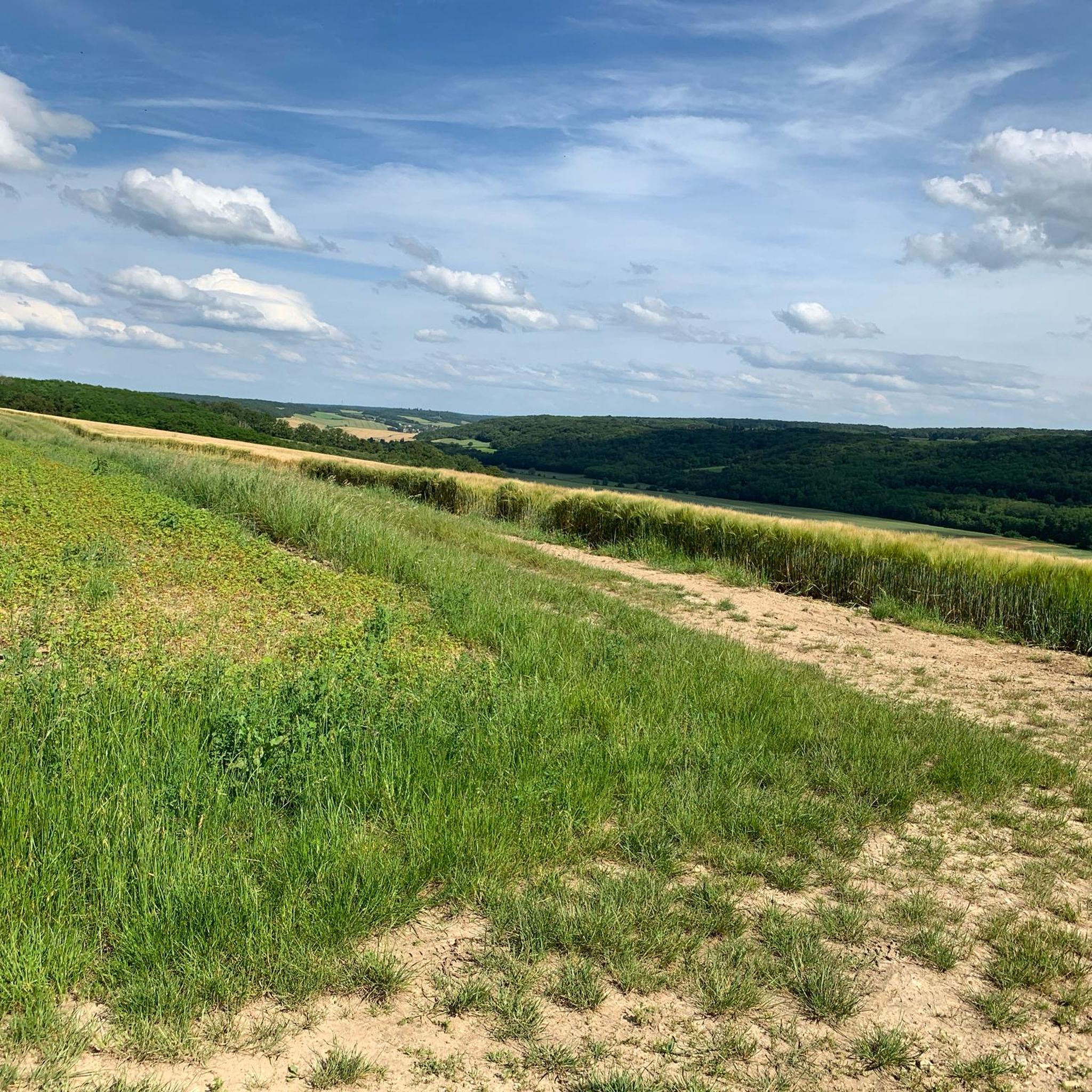
Buried in the forest, this castle is hidden and surrounded by trees. It's a real treat to look for this place and not be able to spot it from afar - little adventure.
2
0
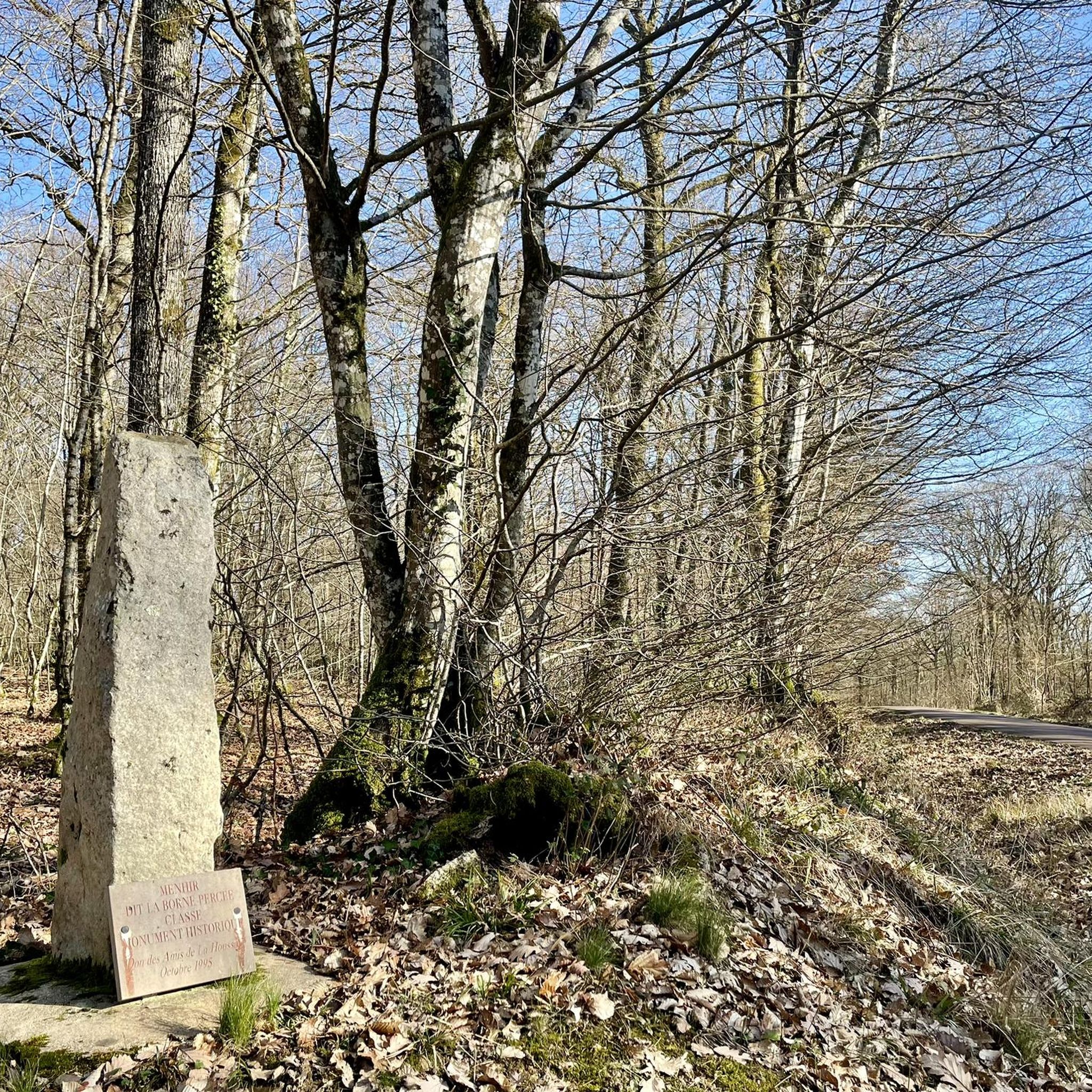
In the middle of the forest, you will find at this intersection a menhir 1.3 meters high with this plan.
2
0

This pierced stone is in fact a megalith in cliquart sandstone (variety of hard sandstone) with a height of around 1.40 m in square shape and which, according to recent archaeological expertise, dates from the Iron Age (around 700 years BC) . It is located at the crossroads of two very pleasant roads that cross the forest.
0
0

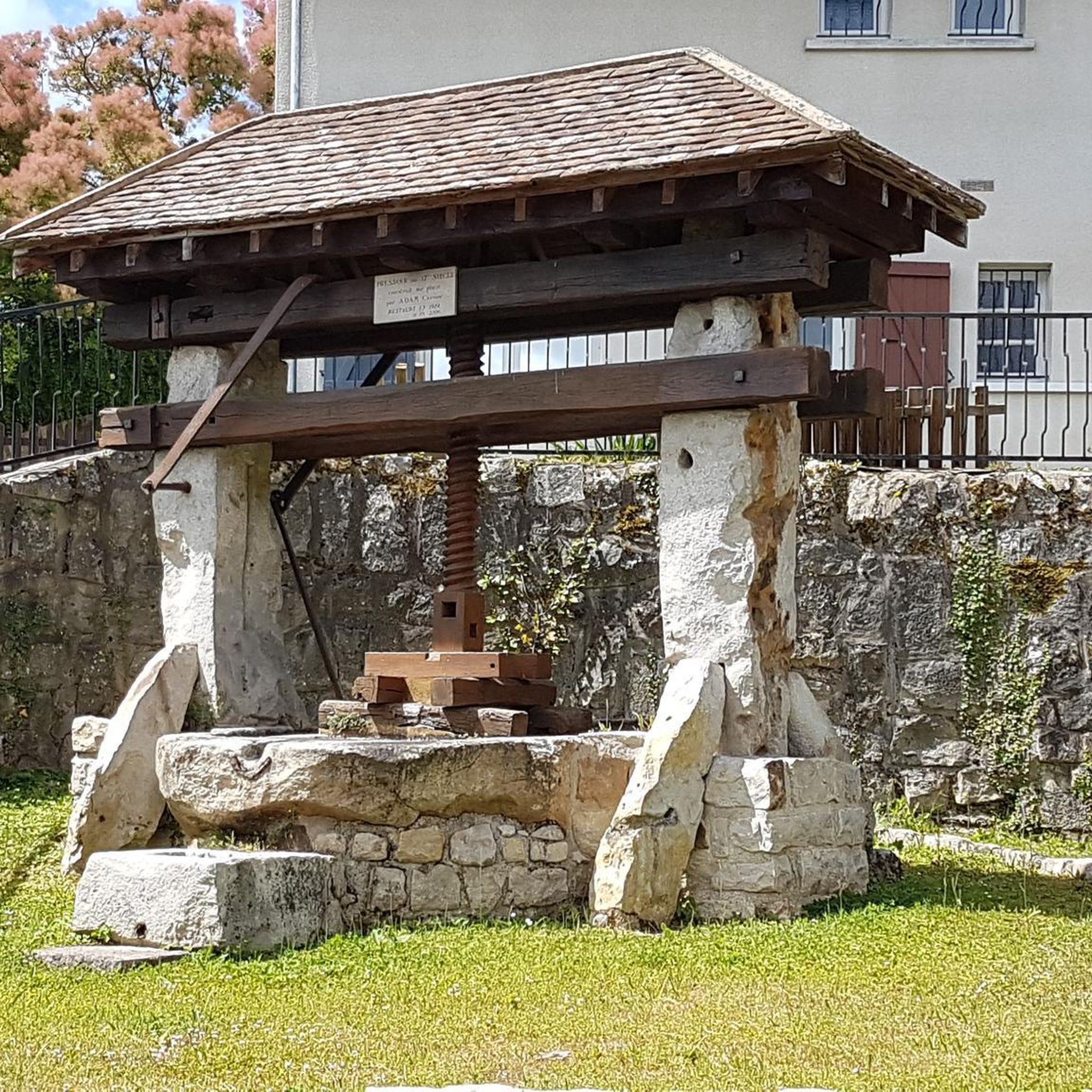
The Aqueduc de la Vanne is a 156 km long aqueduct from the Yonne department in the Bourgogne-Franche-Comté region to Paris. The Aqueduc de la Vanne, built between 1866 and 1874, was the second line to improve the water supply of Paris that Eugène Belgrand built at the instigation of Georges-Eugène Haussmann as part of the Napoleon III. desired urban renewal.
6
0
Frequently Asked Questions
How many hiking trails are available around Noé?
There are over 60 hiking trails around Noé, offering a variety of paths through rural landscapes, forests, and open fields. These routes range from easy strolls to more moderate excursions, with no difficult trails identified.
Are there easy hiking options suitable for beginners or families in Noé?
Yes, Noé offers a good selection of easy hikes. Approximately half of the trails, around 30 routes, are classified as easy. An example is the Vanne Aqueduct loop from Malay-le-Grand, which is about 3.4 miles (5.5 km) long and takes around 1 hour 30 minutes to complete.
What kind of terrain can I expect on hikes around Noé?
The terrain around Noé generally features gentle elevation changes, making many routes accessible. You can expect to hike through rural landscapes, often featuring forests and open fields, with paths connecting small villages. The region provides opportunities for walks that combine natural scenery with glimpses of local architecture.
Are there any circular hiking routes in the Noé area?
Yes, there are several circular routes available. For instance, the forest of Champ-Fêtu and the castle of la Houssaye — loop from Noé is a popular moderate circular trail. Another option is the Malay Chaumont Noé loop from Malay-le-Grand, which is an easy 5.1 km (3.2 miles) route.
What notable natural features or landmarks can I see while hiking near Noé?
While hiking, you might encounter diverse natural features. The nearby Plateau de la Verrerie offers panoramic views and a unique peat bog ecosystem. You can also discover the Allée des Hêtres Tortueux (Twisted Beeches Alley) near La Bletterie, an ancient path lined with majestic, over 400-year-old twisted beech trees, creating a distinctive atmosphere.
Are there any historical or cultural attractions near the hiking trails?
Yes, the region around Noé offers several historical and cultural points of interest. You could visit Saint Stephen's Cathedral in Sens, explore the town of Villeneuve-sur-Yonne, or see the historic Porte de Sens. There are also religious buildings like the Church of Our Lady of the Assumption and Saint-Maurice Church.
What do other hikers enjoy most about hiking in Noé?
The area is highly rated by the komoot community, with an average score of 4.4 stars from over 30 reviews. Hikers often praise the varied terrain, the peaceful forest paths, and the opportunity to connect several charming villages, offering open countryside views.
Is Noé a good destination for dog-friendly hikes?
Many trails in rural and forested areas like Noé are generally suitable for dogs, provided they are kept under control. The varied terrain and open spaces offer good opportunities for walks with your canine companion. Always check local regulations for specific routes regarding leash requirements.
What is the best time of year to go hiking in Noé?
The region around Noé offers pleasant hiking conditions through much of the year. Spring and autumn provide comfortable temperatures and beautiful scenery with blooming flowers or changing foliage. Clear winter days can offer panoramic views, including the possibility of seeing Mont Blanc from higher points like the Plateau de la Verrerie.
Are there any longer, more challenging routes for experienced hikers?
While Noé does not feature 'difficult' graded trails, there are moderate routes that offer a longer challenge. For example, the Chigy and the Three Vanne Villages Trail is a moderate 9.8 miles (15.8 km) path that traverses varied terrain and connects several villages, requiring a good level of fitness.
Are there any specific viewpoints or scenic spots along the trails?
Yes, the Plateau de la Verrerie, at an altitude of 1,015 meters, is a notable scenic spot offering panoramic views. On clear winter days, it's even possible to see Mont Blanc from this vantage point. Many trails also offer open countryside views as they connect villages.
Most popular attractions around Noé

Get inspired with the komoot mobile app


Explore more
Browse the best Hikes in other regions.
