Attractions and Places To See around Lignac - Top 8
Attractions and places to see around Lignac include historical landmarks, natural beauty, and cultural sites within the Indre department of central France. The commune is nestled in the Boischaut Sud natural region, characterized by its green environment and gentle valleys, with the Anglin River flowing through it. Lignac is also situated within the expansive Brenne Regional Natural Park, known for its numerous lakes and diverse wildlife. This area provides opportunities to explore untouched nature, historical sites, and picturesque landscapes.
Best…
Last updated: May 5, 2026
Château de la Rochechevreux
Highlight • Castle
Translated by Google •
Tip by

Brosse Castle
Highlight • Castle
Translated by Google •
Tip by

Sign up now to discover places like this
Get recommendations on the best single tracks, peaks, & plenty of other exciting outdoor places.
Sign up for free
Guillaume Castle
Highlight • Other
Translated by Google •
Tip by

Viewpoint Saint-Benoît-du-Sault
Highlight • Settlement
Translated by Google •
Tip by
Circuit of the 7 Fords – Brenne Regional Nature Park
Highlight • Trail
Circuit to be done without moderation 😄 with a departure from the Bélabre campsite.
Translated by Google •
Tip by

Sign up for free to discover even more attractions around Lignac.
Sign up for free
Already have an account?
Start today with a free account
Your next adventure awaits.
Login or Signup

Tips from the Community

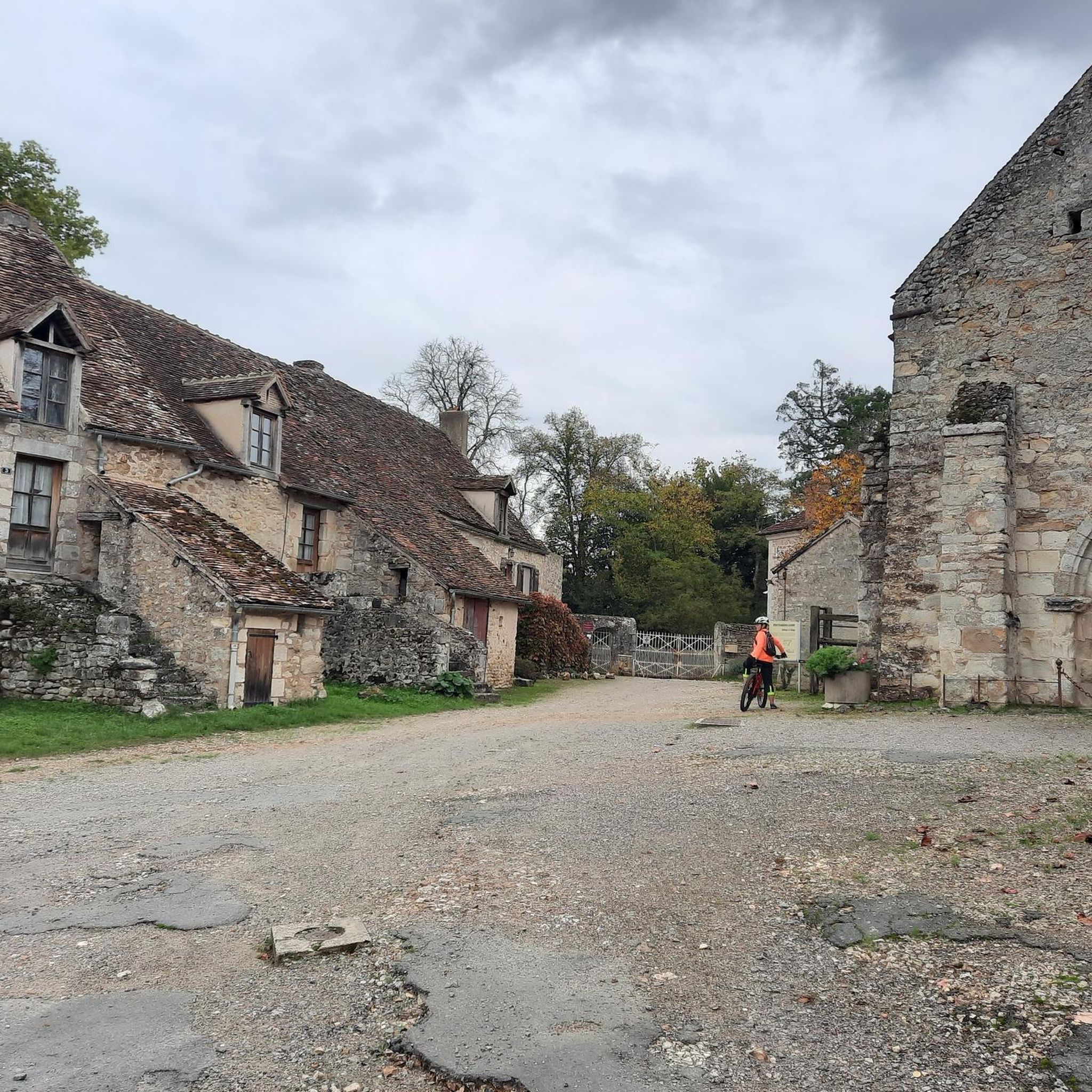
Once a mighty fortress, now remains perched on a rocky ridge, with a round keep as a silent witness. In 1369, Brosse was set on fire, but generations returned to save the stones and preserve the ruins.
3
0

Located on a small height which offers a very extensive view of the valley, the castle is made up of two buildings at right angles with several turrets. With the exception of a few buttresses, the traces of fortifications still visible at the beginning of the 17th century have now disappeared.
0
0

Located on a small height which offers a very extensive view of the valley, the castle is made up of two buildings at right angles with several turrets. With the exception of a few buttresses, the traces of fortifications still visible at the beginning of the 17th century have today disappeared to make way for an imposing habitation.
0
0


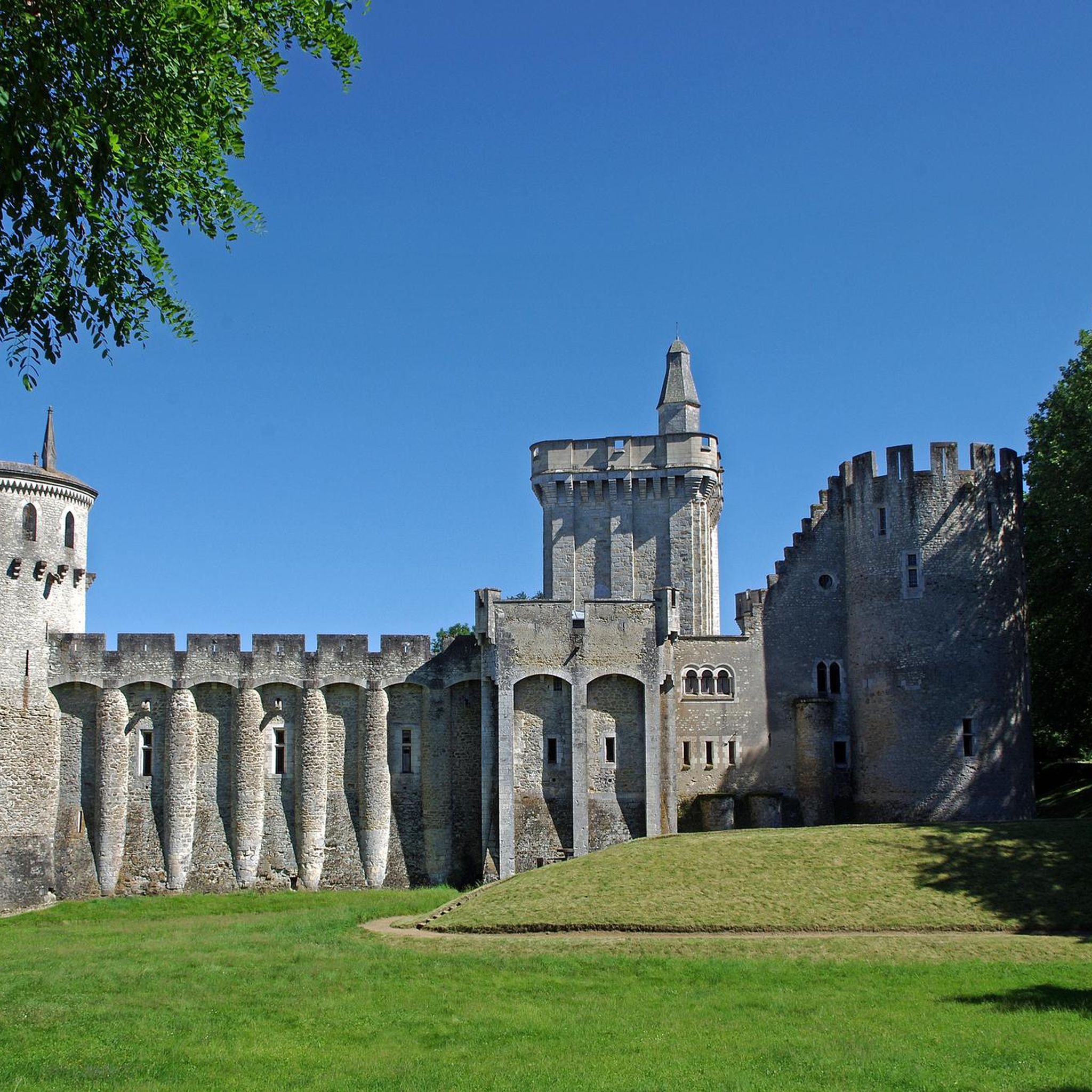
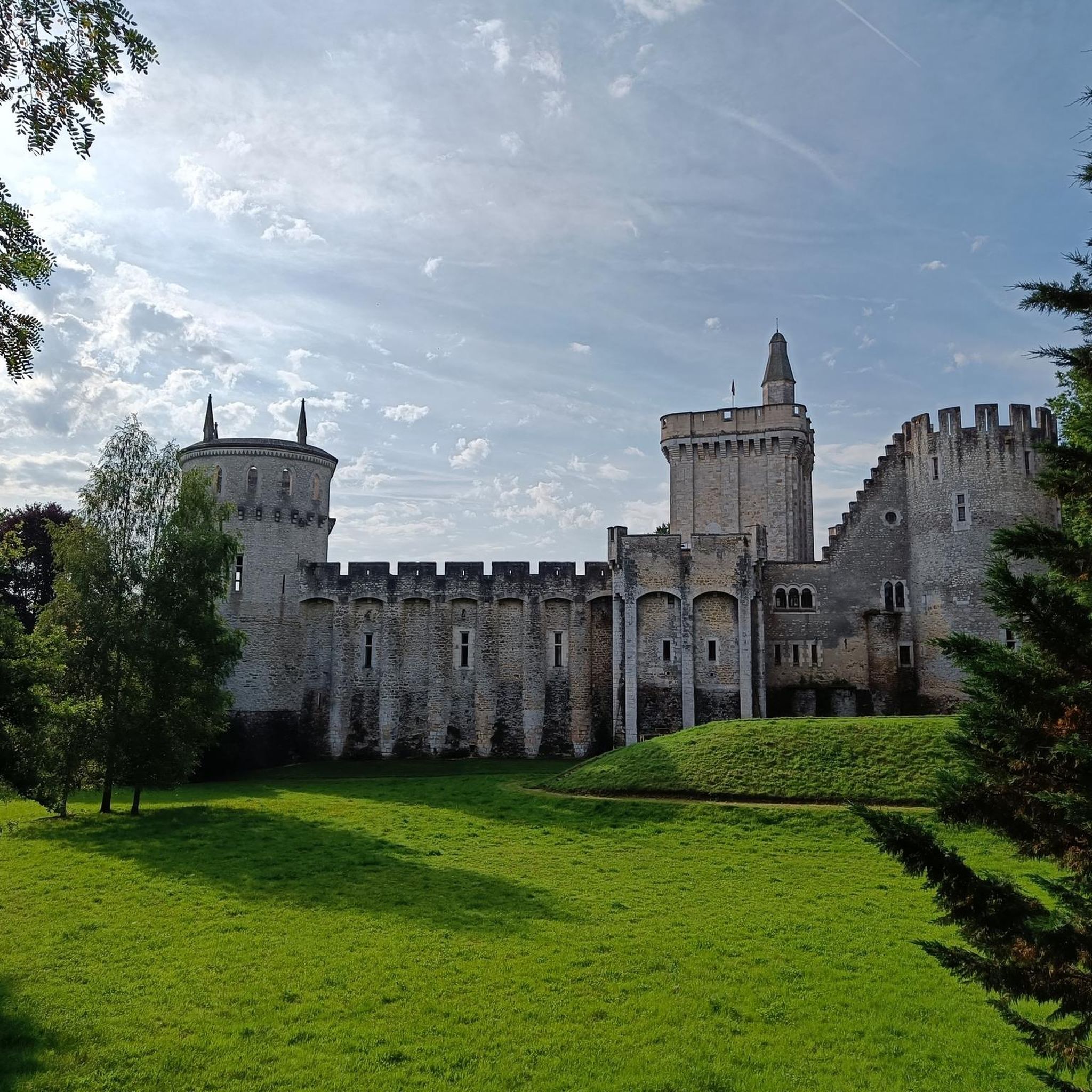
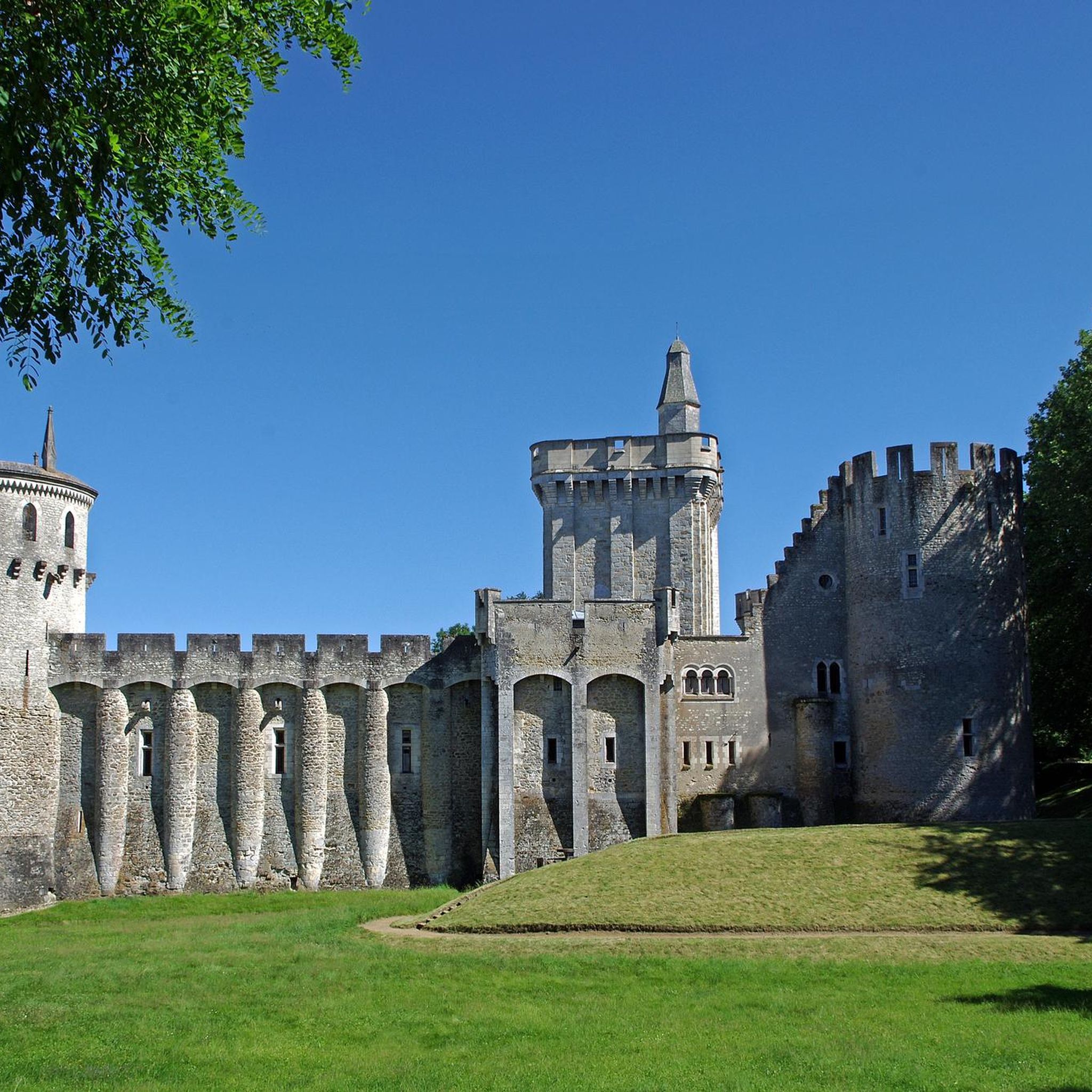
This impressive castle was built in the 11th century and was occupied by Guillaume X, father of Aliénor d'Acquitane. The queen of France from 1137 to 1152 was born in this castle. The castle was dismantled by Richelieu but was renovated in the 19th century.
2
0
When you walk through one of the most picturesque villages in France, remember that it is just as beautiful from the outside. Don't forget to run on the outskirts of the village, passing by this viewpoint. You will not regret it !
2
0
This impressive castle was built in the 11th century and was occupied by Guillaume X, father of Aliénor d'Acquitane. The queen of France from 1137 to 1152 was born in this castle. The castle was dismantled by Richelieu but was refurbished in the 19th century.
3
0
All that remains of the medieval fortress today is the circular keep and its curtain wall from the 13th century and the towers either side.
2
0
Frequently Asked Questions
What historical landmarks can I explore in and around Lignac?
Lignac and its surroundings are rich in history. You can visit Guillaume Castle, an impressive 11th-century fortress where Eleanor of Aquitaine was said to be born. The village of Lignac also features the historic Church of St. Christophe, dating back to the 11th and 12th centuries. Nearby, the Brosse Castle ruins in Chaillac offer a glimpse into medieval France with its circular keep and curtain walls.
Are there any natural parks or scenic areas for outdoor activities near Lignac?
Absolutely. Lignac is nestled within the expansive Brenne Regional Natural Park, renowned for its numerous lakes, ponds, and diverse wildlife. The commune itself is part of the Boischaut Sud natural region, characterized by its green environment and gentle valleys, with the Anglin River flowing through it. This area provides ample opportunities for nature walks and cycling, allowing you to explore untouched and varied landscapes, including the Vavret valley.
What kind of views can I expect to find around Lignac?
For extensive views, visit Château de la Rochechevreux, which is situated on a small height offering panoramic vistas of the valley. Additionally, the Viewpoint Saint-Benoît-du-Sault provides scenic perspectives of Saint-Benoît-du-Sault, recognized as one of France's 'Most Beautiful Villages'.
Are there family-friendly attractions or activities in the Lignac area?
The region offers several family-friendly options. Exploring the Brenne Regional Natural Park is great for all ages, with opportunities for easy nature walks and wildlife spotting. The village of Saint-Benoît-du-Sault, accessible from the Viewpoint Saint-Benoît-du-Sault, is also considered family-friendly due to its picturesque medieval streets and charming atmosphere.
What outdoor activities, like cycling or running, can I do near Lignac's attractions?
The Lignac area is excellent for outdoor enthusiasts. You can find numerous cycling routes, such as the 'Château de la Rochechevreux – Guillaume Castle loop', which allows you to explore historical sites while enjoying the landscape. For mountain biking, there are trails like the 'Guillaume Castle – Château de la Rochechevreux loop'. Runners can enjoy routes like the 'Val d'Anglin via Château Guillaume Trail'. You can find more details and routes on the Cycling around Lignac, MTB Trails around Lignac, and Running Trails around Lignac guide pages.
What is the best time of year to visit Lignac for outdoor activities?
The region's green environment and gentle valleys are particularly pleasant during the warmer months. From June to September, the weather is generally favorable for exploring historical sites like Château-Guillaume, which is open to visitors during this period. Spring and early autumn also offer comfortable temperatures for cycling and nature walks in the Brenne Regional Natural Park.
Are there any specific trails or walks recommended for nature lovers?
Yes, the Brenne Regional Natural Park offers many opportunities for nature walks. The commune's location in the Boischaut Sud region, with the Anglin River flowing through it, provides a picturesque setting for exploring. You can enjoy discovering the untouched and varied nature, including the Vavret valley. The 'Circuit of the 7 Fords – Brenne Regional Nature Park' is a notable trail for mountain bikers, which can also be enjoyed for walking in sections.
What do visitors enjoy most about the attractions around Lignac?
Visitors frequently appreciate the blend of historical significance and natural beauty. The impressive architecture of castles like Guillaume Castle and the panoramic views from spots like Château de la Rochechevreux are highly rated. The charm of medieval villages like Saint-Benoît-du-Sault and the serene landscapes of the Brenne Regional Natural Park also receive positive feedback.
How long should I plan for a visit to the main attractions in Lignac?
To fully appreciate the historical sites and natural beauty, consider dedicating at least a full day, or even a weekend, to the Lignac area. Visiting Guillaume Castle and exploring the village of Château-Guillaume, including its discovery trail, could take a few hours. Add time for enjoying the views from Château de la Rochechevreux and wandering through Saint-Benoît-du-Sault, plus any desired outdoor activities in the Brenne Regional Natural Park.
Can I find any hidden gems or less-known spots for outdoor exploration near Lignac?
Beyond the main highlights, the Boischaut Sud natural region itself is a hidden gem, offering a green environment with gentle valleys and the Anglin River. Exploring the smaller paths and trails within the Brenne Regional Natural Park can lead to serene spots and opportunities for wildlife spotting away from more frequented areas. The Vavret valley is one such area known for its untouched nature.
What are the characteristics of the Brenne Regional Natural Park near Lignac?
The Brenne Regional Natural Park, where Lignac is located, is often called the 'Land of a Thousand Ponds' due to its extensive network of lakes and ponds. It's a haven for diverse wildlife, particularly birds, making it an excellent spot for birdwatching. The park's landscape is a mosaic of wetlands, forests, and agricultural areas, providing a unique and tranquil environment for nature exploration.

Get inspired with the komoot mobile app


Explore more
Still not found the Highlight you’re looking for? See guides of the top attractions in other regions:
