Attractions and Places To See around Chaudardes - Top 20
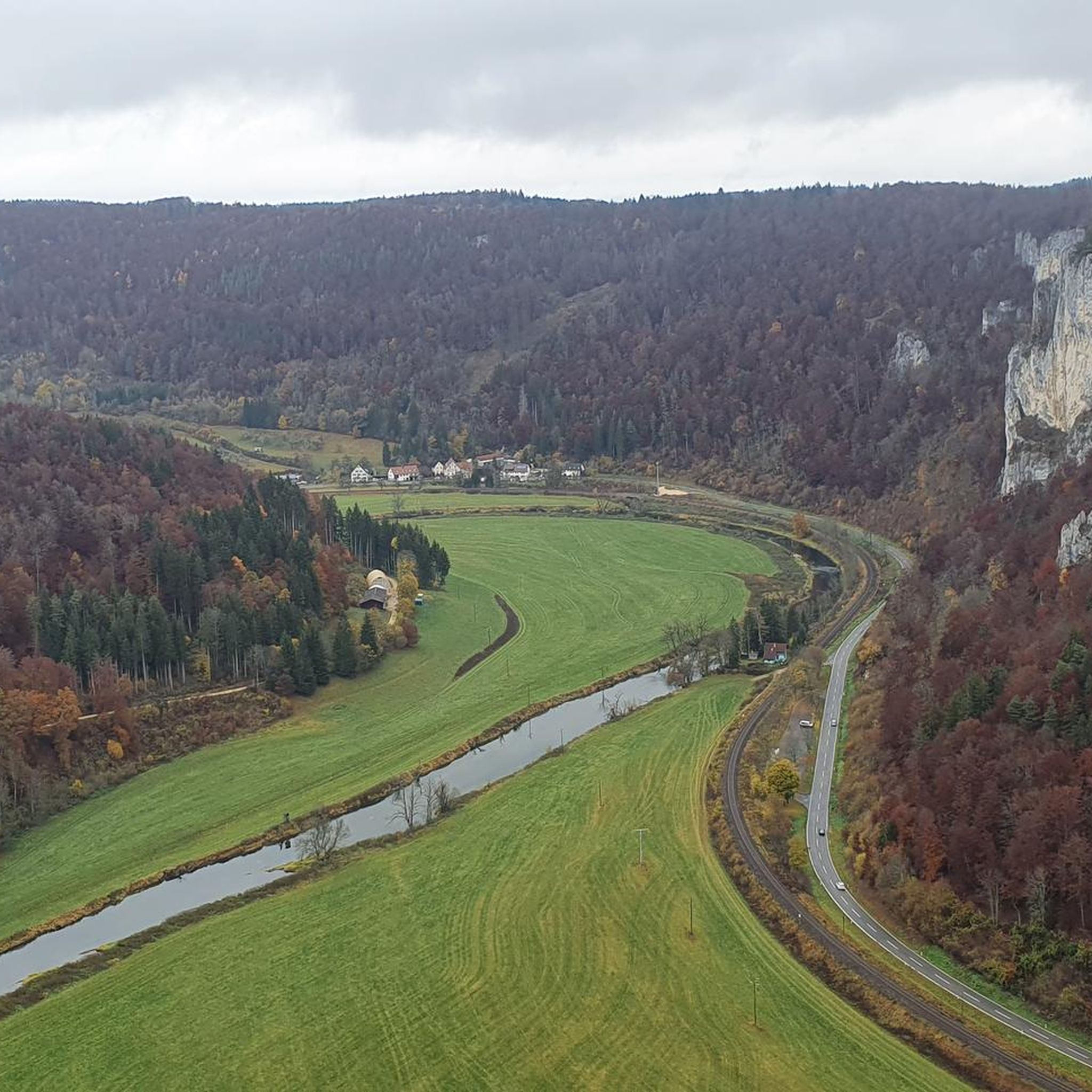
Attractions and places to see around Chaudardes include a landscape rich in historical significance and natural features within the Aisne department. The region is notably associated with the Cuiry-lès-Chaudardes Neolithic settlement, an important archaeological site. Surrounding Chaudardes, visitors can explore various historical landmarks, war memorials, and natural reserves. The area offers a blend of cultural insights and opportunities to experience the local environment.
Best attractions and places to see around Chaudardes
- The most popular attractions is Vauclair Abbey Ruins,…
Last updated: October 11, 2026
Vauclair Abbey Ruins
Highlight • Historical Site
Translated by Google •
Tip by

California Plateau
Highlight • Viewpoint
Translated by Google •
Tip by
Sign up now to discover places like this
Get recommendations on the best single tracks, peaks, & plenty of other exciting outdoor places.
Ferme d'Hurtebise War Memorial
Highlight • Monument
Translated by Google •
Tip by
Napoleon Statue in Craonne
Highlight • Monument
Translated by Google •
Tip by

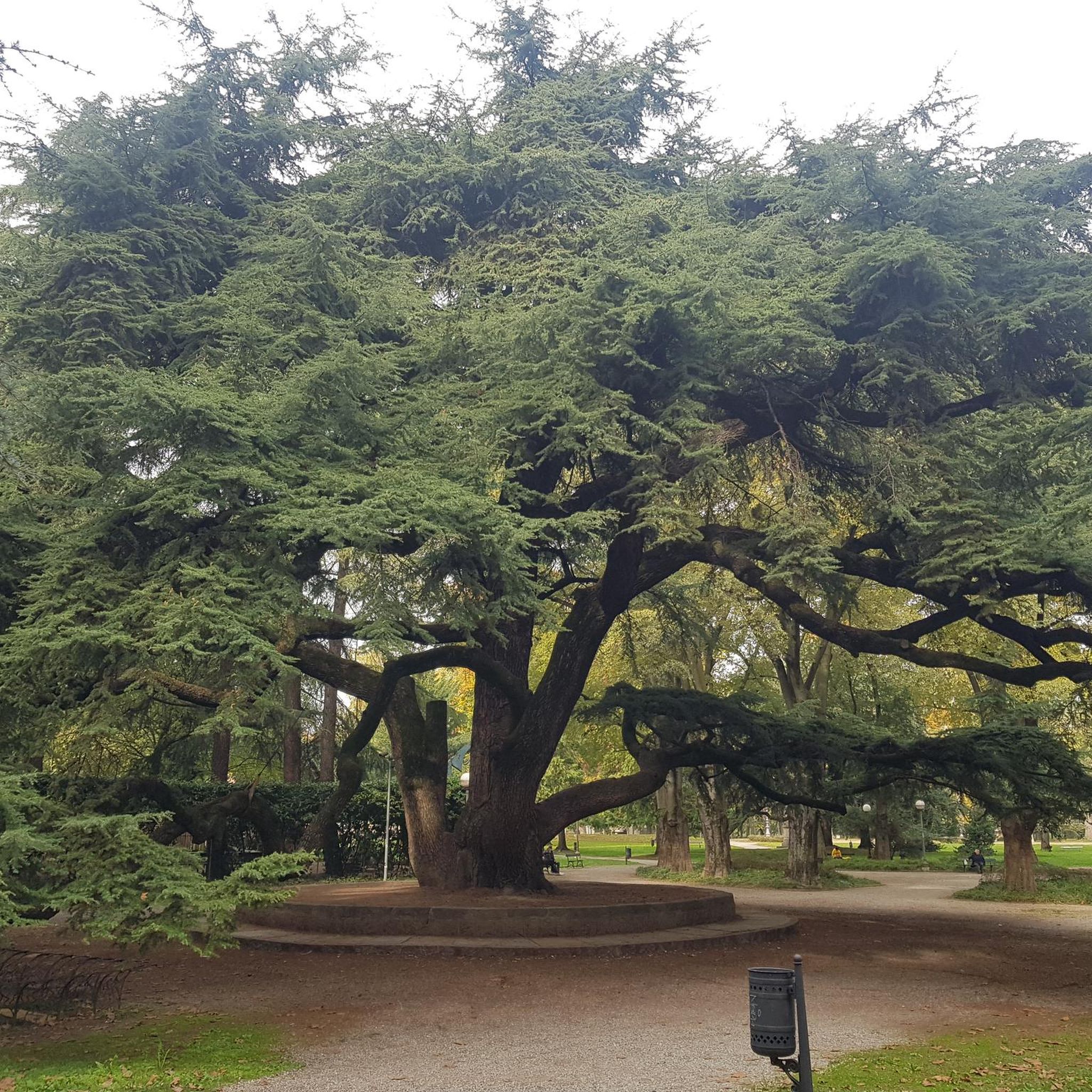
Ailles village monument
Highlight • Other
Translated by Google •
Tip by

Sign up for free to discover even more attractions around Chaudardes.
Already have an account?
Start today with a free account
Your next adventure awaits.
Tips from the Community

The Vauclair Abbey near Bouconville-Vauclair in the Aisne department was founded in 1134 by Bernard of Clairvaux as a Cistercian monastery. In the Middle Ages, it developed into an important monastic complex; it was significantly expanded, particularly in the 13th century. During the First World War, Vauclair was located directly in the combat zone of the Chemin des Dames and was almost completely destroyed by artillery fire in 1917. The ruins visible today have been archaeologically investigated, excavated, and partially secured since the 1960s. Directly next to the ruins, there is now a medicinal herb garden with around 400 species and a conservation orchard. This verger conservatoire preserves old regional apple and pear varieties; according to the French Garden Association, there are about 84 different varieties represented there. Together with the monastery ruins, the site thus commemorates not only the history of the Cistercians but also their close connection to agriculture, horticulture, and botany.
1
0

In 1914, the peasant village of Ailles covered about 340 hectares, one third of which was forest. 61 houses were grouped around the church of Saint-Martin. The population was declining: in the 1901 census there were still 147 inhabitants, while in 1911 there were only 118. In honor of the Battle of Craonne, a magnificent elm had been planted on March 7, 1814. A century later, it witnessed a new battlefield as French and German shells wiped the village off the map...
1
0
Hidden in the middle of the forest, this Cistercian abbey, founded in 1134 by Bernard of Clairvaux, appears like a mirage. Its majestic ruins bear witness to a turbulent past. From the Hundred Years' War and the French Revolution to the First World War, the abbey suffered considerable destruction. In the 1960s, the site was overgrown with brambles and forgotten. Thanks to the archaeological excavation group "Sources" led by Father Courtois, it experienced a rebirth.
2
0
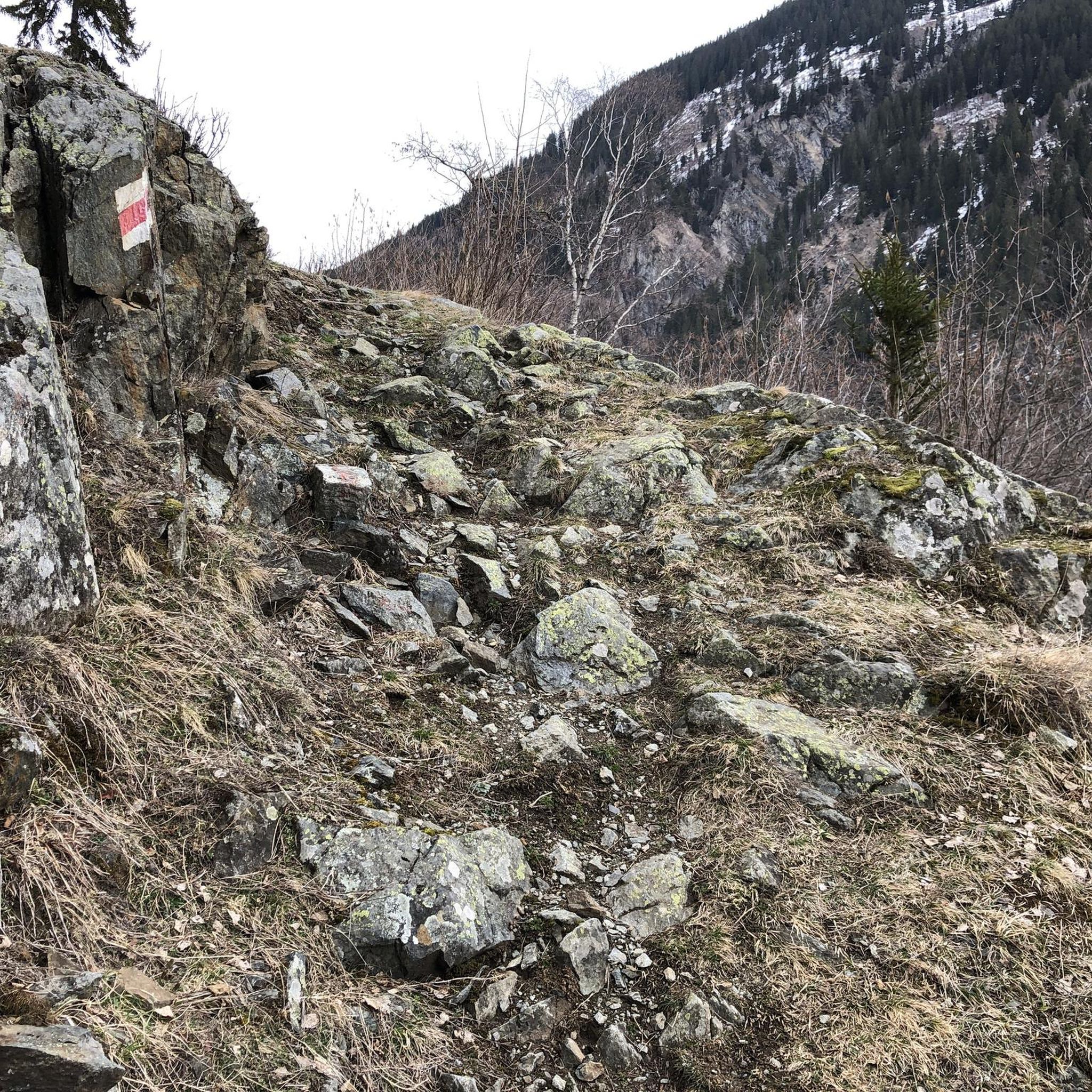
The Plateau de Californie in the heart of the Chemin des Dames is, like Verdun, a symbolic site of the First World War. However, while Verdun was quickly elevated to a national symbol of victory, the Plateau de Californie and the Chemin des Dames were long associated with the bitter failure of the Nivelle Offensive in April 1917, the subsequent mutinies, and the collapse in the summer of 1918, and were subjected to a process of exclusion, forgetting, and repression after the First World War. Before 1914, the Plateau de Californie, above the former village of Craonne, was a place for walks and recreation. After the war, pine trees were planted on the plateau, classified as a "red zone", as the land could no longer be cultivated. Today's visitors can follow the marked paths, discovering remnants of trenches and shell craters. Thematic information panels on the First World War, reading panels, and panoramic views of the Aisne valley now line the plateau along this marked hiking trail. Source: https://www.chemindesdames.fr
1
0

This stone statue of Napoleon I , sculpted by Georges Thurotte in 1974, commemorates the victory of the French armies at Craonne against the Russian and Prussian armies of General Blücher on March 7, 1814 . It was built on the site of the Vauclair mill which served as an observation post during this battle...
0
0
This stone statue of Napoleon I, sculpted by Georges THUROTTE, commemorates the victory of the French armies at Craonne against the Russian and Prussian armies of General Blücher on March 7, 1814, which left 12,000 dead (7,000 French and 5,000 Russians, whose mass graves were scattered during the fighting of the First World War. Placed high on a mound and built on the former site of the Moulin de Vauclerc, which served as an observatory for the emperor, the limestone statue represents the Emperor scanning the horizon in a dignified position.
0
0

The Plateau de Californie, situated above the ruined village of Craonne, was a strategic high point during the First World War. In April 1917, it became the scene of fierce fighting during the Nivelle Offensive. French troops suffered heavy losses here in their attempt to break through the German lines.
5
0
On the eastern edge of the Chemin des Dames plateau lies the Ferme d’Hurtebise, a place that played a crucial role during both the Napoleonic Wars and the First World War. In 1814, it was the scene of the Battle of Craonne, and exactly a century later it again became a strategic junction in the struggle between French and German troops. From September 1914 onwards, fierce fighting took place here. The farm overlooked the Ailette and Aisne valleys, making it a fiercely contested observation post. French units, including Zouaves and the 12th and 49th Infantry Regiments, tried to hold or retake the farm, often with heavy losses. The family that owned the farm sheltered in the cellar for days while the building was under fire. After months of fighting and bombardment, the farm was reduced to ruins, crisscrossed by trenches. Today the site is a symbol of resistance and sacrifice, and is part of the Chemin des Dames memorial landscape.
6
0
Frequently Asked Questions
What historical sites related to World War I can I visit near Chaudardes?
The region around Chaudardes is rich in World War I history. You can visit the Ferme d'Hurtebise War Memorial, a site that played a crucial role during both the Napoleonic Wars and WWI, serving as a strategic observation post. Another significant location is Cerny-en-Laonnois, chapelle & Lanterne des Morts, which commemorates the immense human suffering along the Chemin des Dames. Additionally, the Cormicy National Necropolis pays homage to the fallen of the Great War.
Are there any ancient historical sites around Chaudardes?
Yes, the most significant ancient site is the Cuiry-lès-Chaudardes Neolithic Settlement. This important archaeological site, discovered in 1972, features well-preserved longhouses from the Linear Pottery Culture, offering insights into early agricultural practices and daily life from approximately 5,100-4,950 BC.
What significant architectural landmarks are accessible from Chaudardes?
You can explore several impressive architectural landmarks. The exceptional early Gothic architecture of Laon Cathedral is approximately 22 km away. Further afield, about 23-24 km, Reims boasts the UNESCO-listed Cathedral of Notre-Dame of Reims, known for its impressive interior and rose window, along with the Towers of Reims Cathedral and the Tau Palace. Chateau Coucy, a historic chateau, is also within reach, approximately 36-37 km from Chaudardes.
Where can I find natural reserves or beautiful landscapes near Chaudardes?
For nature enthusiasts, several reserves are located nearby. These include the Réserve naturelle du marais de Vesles-et-Caumont (about 30-31 km), the Réserve naturelle des Landes de Versigny (approximately 36 km), and the Réserve naturelle du Coteau de Chartèves (about 39-41 km). These areas offer opportunities to experience the local environment and observe wildlife.
Are there opportunities for hiking or walking near Chaudardes?
Yes, the area offers various trails for walking and running. You can find numerous routes, including the Vauclair Abbey and Californie Plateau Loop, or shorter running loops from nearby villages like Roucy and Cuissy-et-Geny. For more detailed options, explore the Running Trails around Chaudardes guide.
What cycling opportunities are available around Chaudardes?
Cyclists can enjoy a range of routes, from gravel biking to mountain biking. For gravel adventures, consider routes like the Vauclair Abbey – Lake Ailette loop from Craonne. Mountain bikers can explore trails such as the Fort de Chenay – Vineyard of the Chenay loop. You can find more options in the Gravel biking around Chaudardes guide and the MTB Trails around Chaudardes guide.
Are there family-friendly attractions in the Chaudardes area?
Many historical sites in the area are suitable for families, offering educational experiences. For instance, the Vauclair Abbey Ruins and the Ferme d'Hurtebise War Memorial are categorized as family-friendly. Exploring these sites can provide engaging insights into the region's past for all ages.
What are some picturesque villages or local markets to visit near Chaudardes?
You can visit Parfondeval, recognized as a 'Most Beautiful Village,' located about 47-49 km away. Several charming 'Villes fleuries' (villages in bloom) like Chamery (27 km), Vivaise (30 km), and Rilly-la-Montagne (32 km) are also nearby. For local markets, various towns host them on different days, including Fismes (Saturdays), Laon (Thursdays), and Soissons (Wednesdays & Saturdays).
What do visitors enjoy most about the attractions around Chaudardes?
Visitors particularly appreciate the historical depth and the serene atmosphere of the sites. For example, the Vauclair Abbey Ruins are valued as a remarkable remnant of a once-important abbey, offering a glimpse into centuries of history. The war memorials, like the Cerny-en-Laonnois chapel, are seen as poignant reminders of past conflicts and human resilience.
Can I visit sites related to Napoleon near Chaudardes?
Yes, you can visit the Napoleon Statue in Craonne. This stone statue commemorates the victory of the French armies at Craonne against Russian and Prussian forces in 1814. It stands on a mound, the former site of the Moulin de Vauclerc, which served as an observatory for the Emperor.
Are there any wine-related attractions near Chaudardes?
Yes, Epernay, located around 41 km from Chaudardes, is renowned for its grand wine houses and vineyards. It sits in the heart of the Champagne region, which is a UNESCO World Heritage Site, offering excellent opportunities for wine tasting and tours.
Most popular routes around Chaudardes

Get inspired with the komoot mobile app


Explore more
Still not found the Highlight you’re looking for? See guides of the top attractions in other regions:
