Attractions and Places To See around Courcelles-Sur-Vesle - Top 15
Best attractions and places to see around Courcelles-Sur-Vesle, a commune in the Aisne department of France, offer a mix of historical landmarks, cultural sites, and natural areas. The region is characterized by its historical significance, particularly related to World War I, and its proximity to the Champagne vineyards. Visitors can explore ancient structures, war memorials, and scenic landscapes. The area provides opportunities for both historical exploration and outdoor activities.
Best attractions and places to see around Courcelles-Sur-Vesle
- The most popular…
Last updated: July 1, 2026
Fort of Condé
Highlight • Other
Translated by Google •
Tip by

Malmaison German Cemetery
Highlight • Historical Site
Showing Translation
Tip by

Sign up now to discover places like this
Get recommendations on the best single tracks, peaks, & plenty of other exciting outdoor places.
Sign up for free
Château de la Folie
Highlight • Other
Translated by Google •
Tip by

Marin Dugourny Memorial, Chemin des Dames
Highlight • Monument
Translated by Google •
Tip by
Trail between woods and fields
Highlight (Segment) • Trail
Translated by Google •
Tip by

Sign up for free to discover even more attractions around Courcelles-Sur-Vesle.
Sign up for free
Already have an account?
Start today with a free account
Your next adventure awaits.
Login or Signup


Tips from the Community

Marcel Duquenoy; Small memorial stone along the D18 between the Ferme de la Royère and the Ferme de Malval. It commemorates Marcel Duquenoy, a 20-year-old aspiring officer from Calais in the 350th Infantry Regiment, who was killed in the wood opposite the monument on 6 May 1917 during the Battle of La Malmaison. The inscription is from his parents: “En souvenir de notre fils disparu dans le bois en face” – a personal tribute in a landscape marked by collective loss.
6
0
Jean Dauly Memorial; This sober monument commemorates Jean Dauly, a soldier in the 350th Infantry Regiment, who was killed on 6 May 1917 at the age of 20 during heavy fighting in the forest opposite the current location. It stands along the D18 between the Ferme de La Royère and the Ferme de Malval. The inscription bears witness to the personal loss: “Regretté de sa mère, de toute sa famille et de ses comarades. Priez pour lui”.
7
0
This large German war cemetery is located near Fort de La Malmaison, along the Chemin des Dames. It was established in 1941 by the Wehrmacht to centralize scattered graves from the Aisne region. After the war, the site was officially recognized by a Franco-German convention in 1954 and solemnly inaugurated in 1965. Nearly 11,850 German soldiers rest here, primarily fallen during the 1940 campaign and the fighting after the Allied landings in Normandy in 1944. Between 1960 and 1961, over 6,800 bodies were reburied from six surrounding departments. The cemetery is sober and serene, with rows of dark crosses and a memorial stone. It serves as a silent reminder of the fierce fighting in this region and is an important stop on remembrance routes along the Chemin des Dames.
6
0

great hike on foot and by mountain bike. see hiking the mountains of Missy see you in 2025. To discover .
0
0


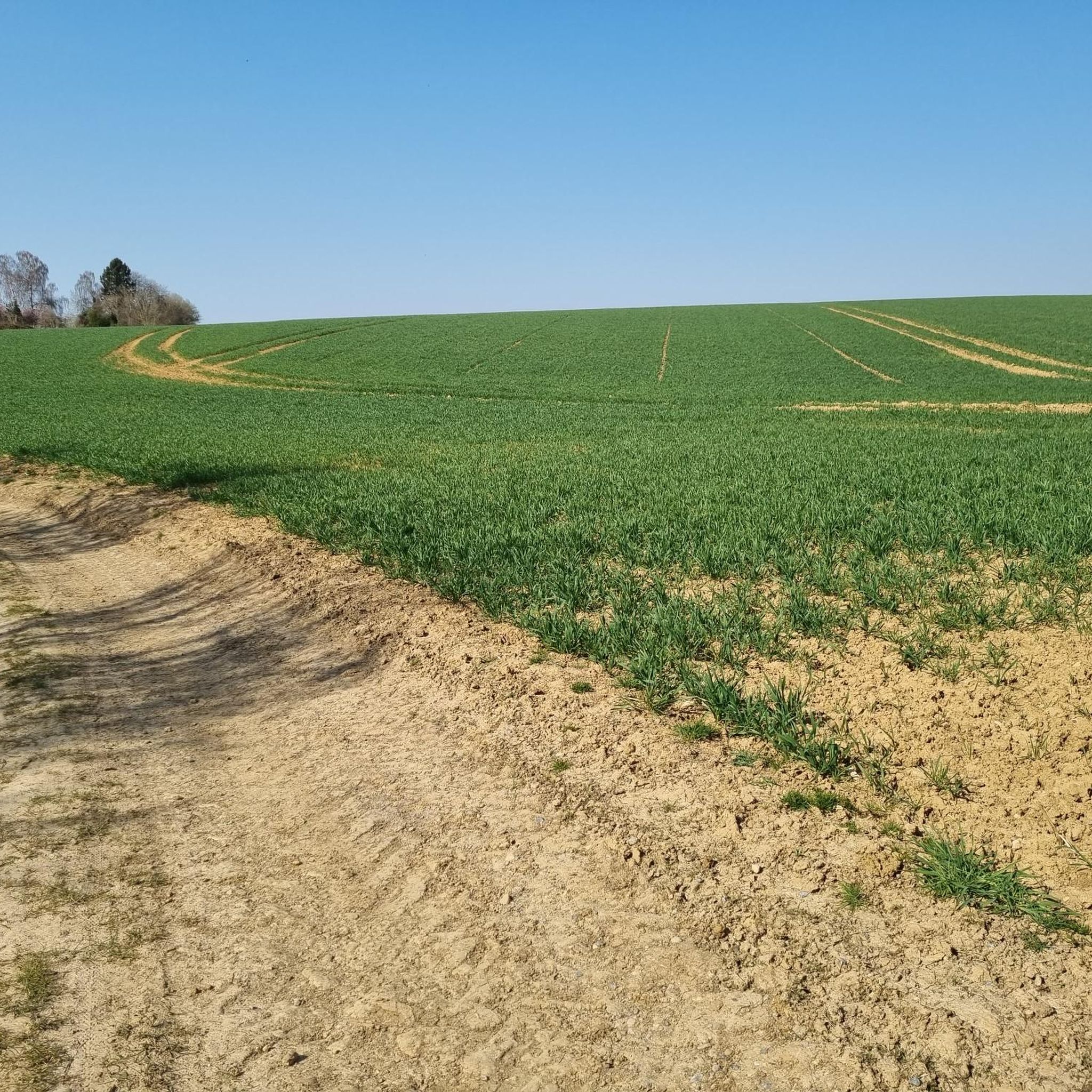
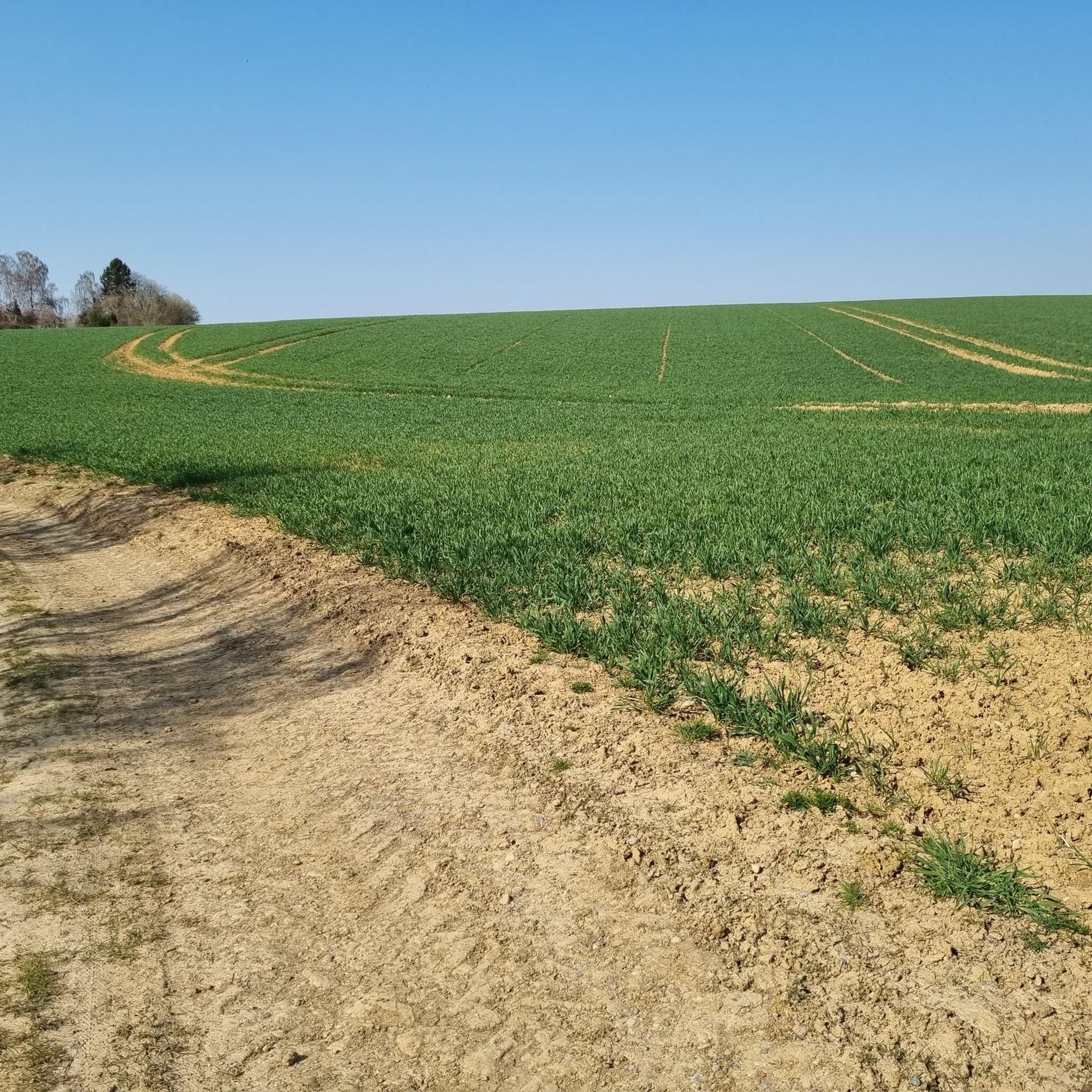
Here you will follow a fantastic path that runs along the edge of the woods which almost seem to hang above you.
2
0

Along the Chemin des Dames there are numerous memorial steles for individual soldiers, troops and units that fought here in 1917. You have to be aware that although today you can drive there comfortably on a highway, back then you were directly on the front line of one of the bloodiest battles of the World War.
2
0

Such places – usually referred to as "war cemeteries" or "military cemeteries" – are still very important today as memorials to the countless war dead. "Now let your servant, Lord, depart in peace, as you have promised..." reads the so-called "Song of Simeon" (Gospel of Luke, chapter 2, verse 29). The many people buried here, however, by no means departed in peace, but became victims of war and inhuman tyranny. The most important and at the same time eternal function of military or honor cemeteries, or war cemeteries, is therefore to keep the memory of this suffering alive and – every generation anew (!) – to admonish to the lasting preservation of peace.
0
0
Frequently Asked Questions
What historical sites can I explore around Courcelles-sur-Vesle?
The region is rich in history, particularly related to World War I. You can visit the well-preserved Fort of Condé, a major site of battles. Another significant location is the Malmaison German Cemetery, a solemn reminder of the conflict. The Marin Dugourny Memorial along the Chemin des Dames also commemorates individual soldiers. Beyond WWI, the impressive Louis XIV-style Château de Courcelles-sur-Vesle, dating from 1690-1694, offers a glimpse into 18th-century French life, and the local Église Saint-Léger has roots in the 12th century.
Are there any châteaux or castles to visit in the area?
Yes, the most prominent is the Château de Courcelles-sur-Vesle, a grand Louis XIV-style château with extensive French and English gardens. It once hosted figures like Jean-Jacques Rousseau and now operates as a hotel and restaurant. Additionally, you can find the historical remnants of Château de la Folie, a former 12th-13th century fortress that was destroyed during the Great War.
What outdoor activities are available near Courcelles-sur-Vesle?
The area offers various outdoor activities. You can enjoy cycling on routes like the 'Château du Bas loop from Limé' or the 'Saint-Médard Church loop from Braine' for both road and touring bikes. For runners, there are several trails, including a 'Running loop from Courcelles-sur-Vesle'. Explore these and more on the dedicated guides for Road Cycling Routes, Cycling, and Running Trails around Courcelles-sur-Vesle.
Can I explore the Champagne vineyards from Courcelles-sur-Vesle?
Absolutely. Courcelles-sur-Vesle serves as an excellent starting point for discovering the renowned Champagne region. You can easily access itineraries that lead to major Champagne houses and local winemakers, stretching from Château-Thierry up the Marne valley to Epernay, and across the Montagne de Reims.
Are there any family-friendly attractions or activities?
Many historical sites, such as the Malmaison German Cemetery and the Marin Dugourny Memorial, are suitable for families interested in history. The extensive 23-hectare park of the Château de Courcelles-sur-Vesle, with its French and English gardens and hornbeam maze, offers pleasant strolls for all ages. The surrounding countryside also features developed 'gravières' (repurposed gravel pits) which are great for family bike rides.
What are some significant towns or cities near Courcelles-sur-Vesle worth visiting?
Several notable cities are within easy reach. Reims, about 35 minutes away, is famous for its magnificent cathedral and vibrant shopping streets. Laon, a fortified city 40 minutes away, boasts authentic cobbled streets and its own impressive Notre-Dame Cathedral. Soissons, a 20-minute drive, is one of France's most ancient towns, offering historical attractions like the Cathédrale Saint-Gervais-et-Saint-Protais and the Saint-Jean-des-Vignes Abbey.
What natural features can I enjoy in the region?
Beyond the formal gardens of the Château de Courcelles-sur-Vesle, the wider area includes several forests perfect for nature walks, such as Bois de Dole, Forêt de Nesles, and Bois de Saint-Jean. The green and hilly landscape also makes it suitable for golf, with courses available nearby. The 'gravières' in the countryside provide scenic routes for cycling.
What do visitors particularly enjoy about the Fort of Condé?
Visitors appreciate that the Fort of Condé is well-preserved and can be explored with a guide, offering a deep dive into its history. The surrounding area is noted for its beauty, with green spaces, benches, and tables, making it a pleasant spot for reflection. Many find it a powerful place to experience the tangible history of World War I, describing it as an 'almost small green overgrown labyrinth' where the past can be felt.
Are there any unique religious sites or chapels in the vicinity?
Yes, the region has several historic religious structures. The local Église Saint-Léger, primarily built between the late 12th and early 13th centuries, houses a classified Madonna and Child statue. The Chapelle du Calvaire, originally built in 1265, has a unique history tied to a crusader's vow. Additionally, the Chapelle de Vauberlin, located in the hamlet of Vauberlin, has roots in an ancient priory, with its 13th-century choir still standing.
What is the Chemin des Dames and how can I visit it?
The Chemin des Dames is a historic ridge located approximately 25 minutes from Courcelles-sur-Vesle, famous as a major battleground during World War I. Key sites along this route include the Fort of Condé, the Malmaison German Cemetery, and the Marin Dugourny Memorial. Other points of interest like La Caverne du Dragon and Le Plateau de Californie are also part of this significant historical landscape. It's recommended to explore these sites to understand the region's wartime past.
What kind of cycling routes are available for different skill levels?
The area offers a range of cycling routes. For easy rides, you can find options like the 'Château du Bas loop from Limé' or a 'Bike loop from Chassemy'. Moderate routes include the 'Saint-Médard Church loop from Braine' and the 'Viewpoint – Bike shop - Cycle Fossé loop from Braine'. These routes cater to both road cyclists and those on touring bicycles, providing diverse experiences through the countryside. You can find more details in the Cycling around Courcelles-Sur-Vesle guide.
Most popular routes around Courcelles-Sur-Vesle

Get inspired with the komoot mobile app


Explore more
Still not found the Highlight you’re looking for? See guides of the top attractions in other regions:
