Attractions and Places To See around La Chapelle-Saint-Aubert - Top 20
Best attractions and places to see around La Chapelle-Saint-Aubert include a mix of historical sites and natural landscapes. This small rural commune in Brittany, France, offers a traditional agrarian setting amidst a bocage landscape of rolling hills and valleys. While the commune itself is tranquil, the surrounding region features significant landmarks and cultural sites. These attractions provide insights into the area's rich history and natural beauty.
Best attractions and places to see around La Chapelle-Saint-Aubert
- The most popular attractions is Fougères Castle, a castle that is considered one of Europe's largest medieval fortresses. It stands on a rocky outcrop surrounded by marshland, with its imposing towers and walls dominating the skyline.
- Another must-see spot is Place du Marchix – Half-timbered houses, a historical site located in Fougères' oldest district. This square is characterized by beautifully preserved half-timbered houses, many dating back to the 16th century, and was historically the site of Fougères' first market.
- Visitors also love Saint Léonard Church, a historical church in Fougères. Its tower can be visited in high season, offering a panorama of Fougères, its monuments, and the surrounding countryside.
- La Chapelle-Saint-Aubert is known for its medieval fortresses, historical churches, and traditional rural landscapes. These attractions offer a variety of experiences, from exploring ancient architecture to enjoying scenic views.
- The attractions around La Chapelle-Saint-Aubert are appreciated by the komoot community, with 195 upvotes and 222 photos shared by visitors.
Last updated: July 6, 2026
Fougères Castle
Highlight • Castle
Translated by Google •
Tip by

Place du Marchix – Half-timbered houses
Highlight • Historical Site
Translated by Google •
Tip by

Sign up now to discover places like this
Get recommendations on the best single tracks, peaks, & plenty of other exciting outdoor places.
Sign up for free
Saint Léonard Church
Highlight • Other
Translated by Google •
Tip by

Public Garden
Highlight • Rest Area
Translated by Google •
Tip by
Belfry of Fougères
Highlight • Historical Site
Translated by Google •
Tip by
Sign up for free to discover even more attractions around La Chapelle-Saint-Aubert.
Sign up for free
Already have an account?
Start today with a free account
Your next adventure awaits.
Login or Signup
Popular around La Chapelle-Saint-Aubert




Tips from the Community

The bell tower, also called the belfry, was built by the townspeople in 1397 and is considered the oldest surviving building of its kind in Brittany. Architecturally, it is based on Flemish models that the cloth merchants of Fougères had encountered on their travels. The tower's largest bell is named "Roland Chapelle." In the past, the belfry served not only as a bell tower, but also as a fire watchtower and town hall. Today, the tower offers visitors impressive views of the medieval old town and its surroundings.
1
0
The Place du Marchix is located in the city's oldest district. The square takes its name from the Old French word "marchié," as Fougères's first market once took place here. The district is characterized by well-preserved half-timbered houses dating back to the 16th century, many of which are listed as historical monuments. The square was once a center for artisanal businesses such as tanneries and cloth manufacturers, which used the nearby river to process leather and fabrics.
1
0
The Jardin Public is centrally located in the city and extends over several terraces offering sweeping views of the old town and the Château de Fougères. Created in 1865, the park combines features of an English landscape garden, French garden architecture, and botanical design.
1
0
The Église Saint-Léonard was built in the 12th century and acquired its present form in the flamboyant Gothic style in the 15th and 16th centuries. During the French Revolution, the church was deprived of its sacred function, but in the 19th century, under architects such as Aristide Tourneux, it underwent extensive renovations, including a new main façade with a large rose window. Inside, 19th-century stained-glass windows depicting episodes from the life of Saint Léonard can be seen.
1
0

The Fougères Belfry is a clock tower built in the enclosed town of Fougères from the late 14th century onward. It is the oldest surviving bell tower in Brittany. Although it lacks a clock face, this building contains bells that have shaped the life of the town of Fougères for more than six hundred years.
0
0
The largest fortress in Europe, the castle of Fougères stands on a rocky outcrop surrounded by marshland. The first castle of Fougères was built around the turn of the millennium to defend the north-eastern part of the border area of the Duchy of Brittany. Built at the crossroads of important trade routes, this primitive fortress had the main objective of monitoring the powerful neighbors and preventing their raids on Breton lands. To the north, Normandy belonged to the kings of England at the time.
4
1
The church tower can be visited in high season, where you can discover an incredible panorama of Fougères as well as its monuments and the surrounding countryside. Here you will have the opportunity to discover the secret interior of its tower, its impressively large bell and of course... a spectacular 360° view of the city, the castle and the valley!
1
0

As you visit Place du Marchix, nestled in one of France’s most picturesque medieval towns, you’ll be surrounded by beautifully preserved half-timbered houses. Full of rustic charm that harks back to its days as a bustling market, you’ll be captivated by the sight of Château de Fougères, one of Europe’s largest medieval fortresses, whose imposing towers and walls dominate the skyline. The square itself offers a peaceful retreat with quiet cafes and local shops, making it a great place to take a break and appreciate the history of this charming town.
2
0
Frequently Asked Questions
What historical attractions can I explore near La Chapelle-Saint-Aubert?
The region boasts several significant historical sites. You can visit the impressive Fougères Castle, one of Europe's largest medieval fortresses, located in the nearby town of Fougères. Also in Fougères, explore the historic Place du Marchix with its beautifully preserved half-timbered houses, and the Belfry of Fougères, the oldest surviving clock tower of its kind in Brittany. Further afield, about 43 km away, lies the world-renowned UNESCO World Heritage site of Mont Saint-Michel and its towering abbey.
Are there any natural landscapes or viewpoints to enjoy in the area?
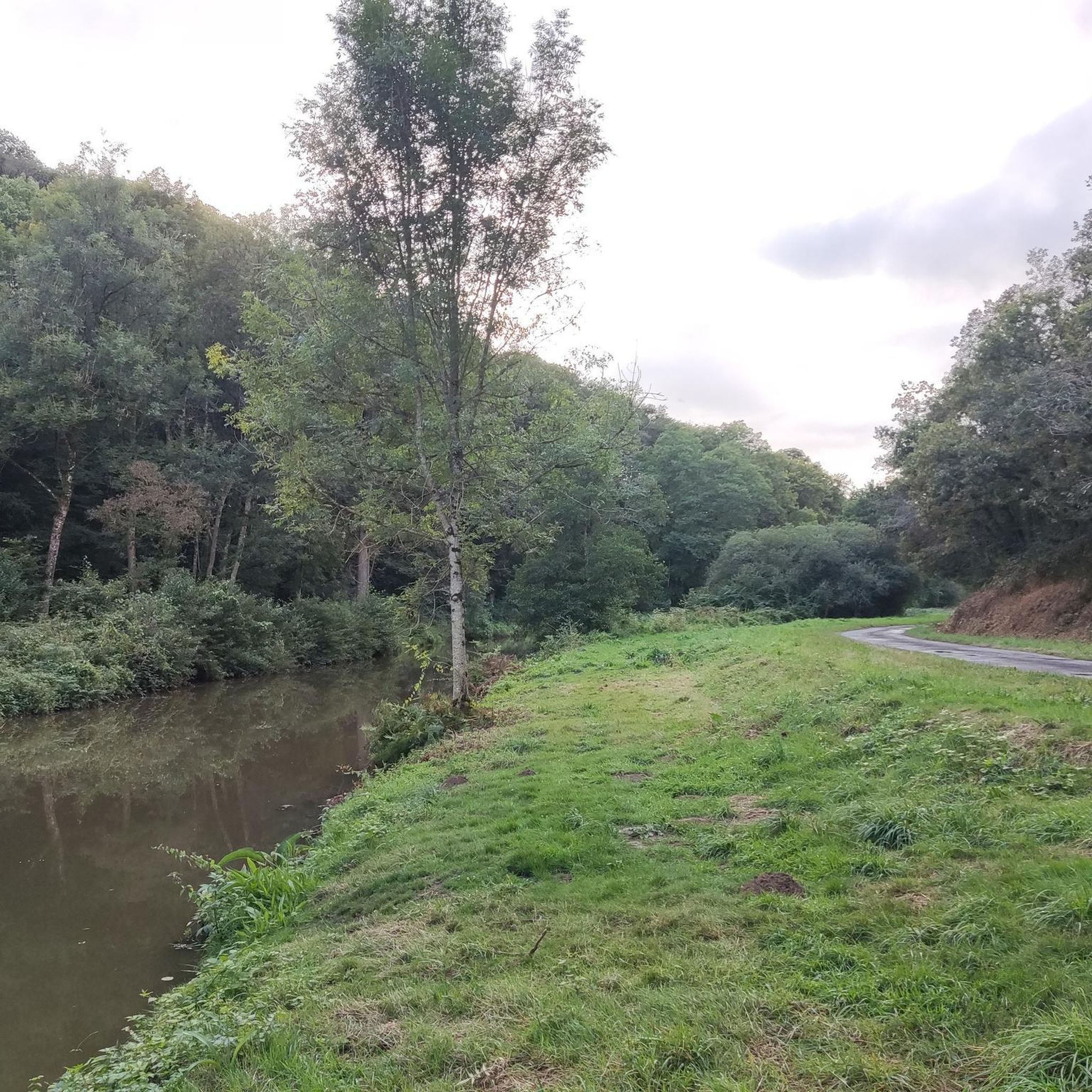
La Chapelle-Saint-Aubert itself is characterized by a tranquil bocage landscape of rolling hills and hedgerows along the Couesnon River, ideal for experiencing traditional Breton rural life. In Fougères, the Public Garden offers sweeping views of the old town and the Château de Fougères. You can also get panoramic views of Fougères and the surrounding countryside from the tower of Saint Léonard Church during high season.
What kind of outdoor activities, like hiking or cycling, are available?
The rural landscape around La Chapelle-Saint-Aubert is perfect for outdoor enthusiasts. You can find numerous routes for cycling, gravel biking, and mountain biking. For example, explore the 'Fougères–Vitré Greenway' or the 'Regalante greenway'. Discover more detailed routes and guides for cycling, gravel biking, and MTB trails in the region.
Are there family-friendly attractions around La Chapelle-Saint-Aubert?
Yes, several attractions are suitable for families. The Place du Marchix in Fougères, with its charming half-timbered houses, offers a pleasant historical stroll. The Public Garden in Fougères is also a great spot for families, featuring beautiful landscapes and space to relax. Exploring the grounds of Fougères Castle can also be an engaging experience for children.
What do visitors enjoy most about the attractions in this region?
Visitors particularly appreciate the rich history and stunning architecture of sites like Fougères Castle, often described as one of the best medieval castles in the region. The picturesque setting of Place du Marchix and the panoramic views from the Saint Léonard Church tower are also highly rated. The komoot community has shared 222 photos and given 195 upvotes, highlighting the visual appeal and historical significance of the area.
Can I visit Mont Saint-Michel from La Chapelle-Saint-Aubert?
Yes, Mont Saint-Michel is approximately 43 km (27 miles) south of La Chapelle-Saint-Aubert, making it a feasible day trip. This iconic UNESCO World Heritage site, with its magnificent abbey, is a must-see regional landmark. You can also find the modest Romanesque Chapelle Saint-Aubert on a rocky outcrop at Mont Saint-Michel, accessible at low tide.
Are there any specific churches of historical interest in the area?
Beyond the historical church within La Chapelle-Saint-Aubert itself, the town of Fougères offers two notable churches. The Saint Léonard Church, originally built in the 12th century, features flamboyant Gothic architecture and offers panoramic views from its tower. The Saint-Sulpice Church in Fougères, built between 1380 and 1760, is known for its wooden-vaulted nave and 16th-century granite carvings.
What is the best time to visit La Chapelle-Saint-Aubert for outdoor activities?
The region's temperate climate makes it suitable for outdoor activities for much of the year. Spring and autumn generally offer pleasant temperatures for cycling, hiking, and exploring the historical sites without the peak summer crowds. Summer is also popular, especially for those who enjoy warmer weather, though attractions can be busier.
Are there any hidden gems or less crowded spots to discover?
While the major attractions like Fougères Castle are popular, the rural landscape of La Chapelle-Saint-Aubert itself offers a tranquil escape. Exploring the local bocage landscape and the quiet agricultural roads can lead to charming, less-traveled paths. The modest historical church within La Chapelle-Saint-Aubert provides a glimpse into local history away from the larger tourist hubs.
What is the significance of the Fougères Belfry?
The Belfry of Fougères, built in 1397, holds significant historical importance as the oldest surviving building of its kind in Brittany. Architecturally influenced by Flemish models, it served multiple roles throughout history, including a bell tower, fire watchtower, and town hall. Today, it offers impressive views of Fougères' medieval old town.
Can I find dog-friendly trails or areas for walks?
While specific dog-friendly designations are not always explicit, the extensive network of rural paths and trails around La Chapelle-Saint-Aubert, including those used for cycling and gravel biking, are generally suitable for walks with dogs, provided they are kept on a leash and owners adhere to local regulations. The natural bocage landscape offers plenty of opportunities for scenic strolls.
Most popular routes around La Chapelle-Saint-Aubert
Most popular attractions around La Chapelle-Saint-Aubert

Get inspired with the komoot mobile app


Explore more
Still not found the Highlight you’re looking for? See guides of the top attractions in other regions:
