Attractions and Places To See around La Gripperie-Saint-Symphorien - Top 20
Attractions and places to see around La Gripperie-Saint-Symphorien include a variety of historical sites, religious buildings, and natural features within the Charente-Maritime region. This area, while not densely populated with attractions within the commune itself, serves as a central point for exploring the rich cultural and natural landscape of its surroundings. Visitors can discover ancient fortifications, significant churches, and unique marshland environments. The region offers a blend of historical depth and natural beauty, making it a destination for those interested…
Last updated: October 19, 2026
Brouage Citadel
Highlight • Castle
Translated by Google •
Tip by

Saint-Pierre Church of Hiers-Brouage
Highlight • Religious Site
Translated by Google •
Tip by

Sign up now to discover places like this
Get recommendations on the best single tracks, peaks, & plenty of other exciting outdoor places.
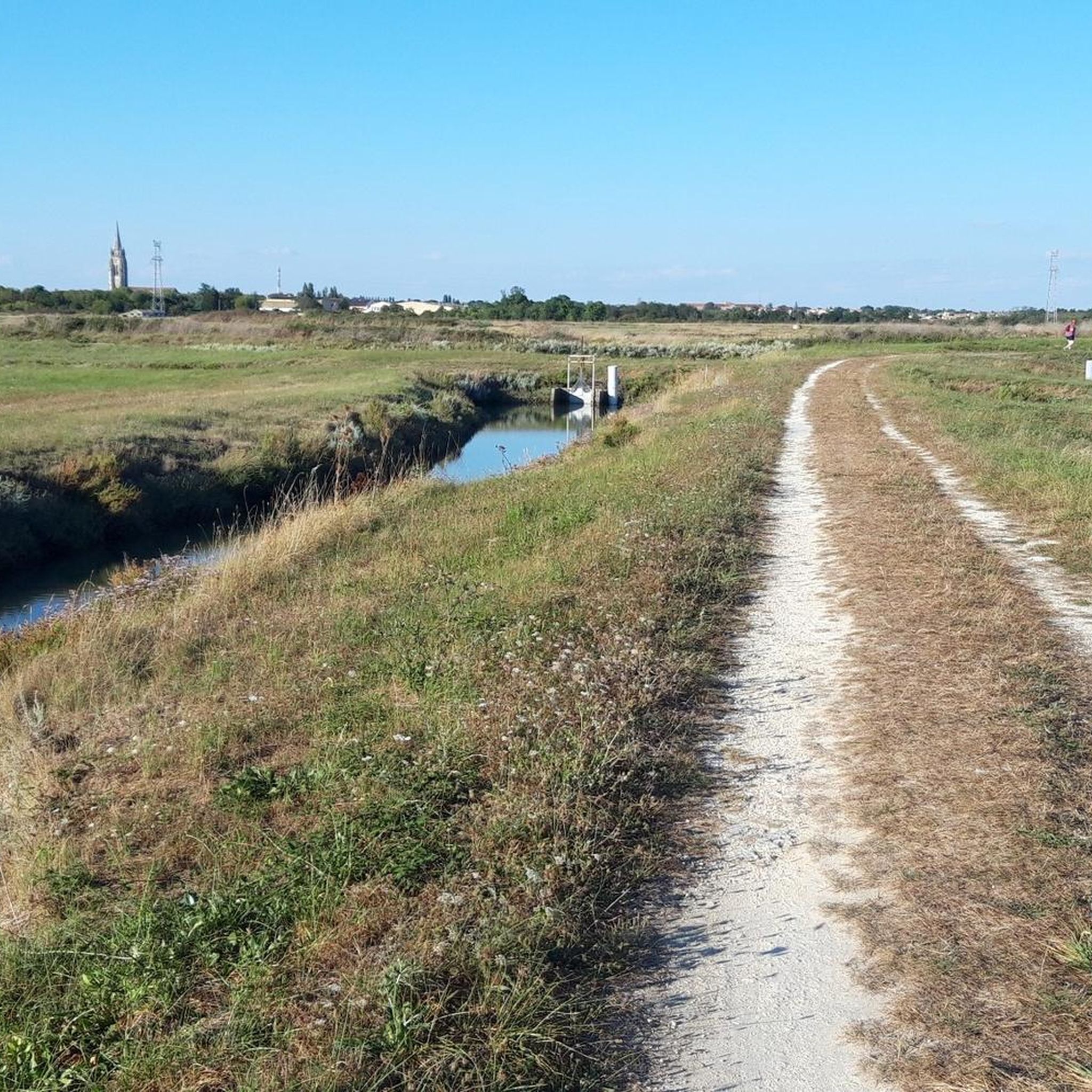
Mornac-sur-Seudre Marshes
Highlight • Natural
Once a fishing and …
Translated by Google •
Tip by

Hiers
Highlight • Other
Translated by Google •
Tip by

Saint Peter's Church, Marennes
Highlight • Religious Site
Translated by Google •
Tip by
Sign up for free to discover even more attractions around La Gripperie-Saint-Symphorien.
Already have an account?
Start today with a free account
Your next adventure awaits.
Popular around La Gripperie-Saint-Symphorien

Tips from the Community

Very beautiful church. A must-see!
0
0

fortified village, former port of departure for the Americas, today it is located approximately 1.5km from the shore...
0
0

The bell tower of this church is visible from afar! Coming from the north and from the port of Cayenne, it towers high above the landscape. The interior of the church is in need of renovation, but the stained glass windows beautifully depict various saints and biblical stories.
0
0

Nestled in the heart of the marshes of the Presqu’Île d’Arvert, Mornac-sur-Seudre is a small village with a dual face: oyster farming by tradition and artisanal by passion. It is a “Village of Stones & Water” (as the Charente-Maritime label promises) and is one of the “Most Beautiful Villages of France®”, and it also has the “Ville et Métiers d’” label. Art",. Mornac is a village where you have to take your time to soak up its atmosphere and charm. So you park your car in the large car park and visit it on foot to savor every detail and exchange with locals generous with anecdotes and craftsmen eager to share their know-how. Here, everything is on a human scale. We discover the village through the Place des Halles. The shelter, made of wood and supported by stone pillars, is ideal for meeting and resting. The terraced houses replace the old fortifications which protected the town in the Middle Ages. From Les Halles the main street takes you to the port. However, you should not hesitate to stroll through the small streets and alleys of the old town where you can literally get lost! This spiral part of Mornac is called the “Arab quarter”. The church dominates the village from its fortified bell tower. Original in many ways, the Romanesque building houses a font made of real shell. On August 2, 1943, lightning caused a fire which changed the appearance of the bell tower. The port is bordered by traditional and typical cabins. Each one has different colors. There is something for every taste. The small Seudre road allows you to follow them to the foot of the estuary. We arrive, at the very end, at the “goule de l’ach’neau”. We feel alone in the world. Everything is flat, horizontal. It’s time to tell you: the name Mornac means “calm waters”. From the port, possibility of a sea trip..... depending on the tide!!! For those on land, from Chemin de la Corderie, you can take the marked Détours® loops, between April and October, on the embankments of the pedestrian cutoffs. Possibility of taking advantage of guided tours of the village during the season. Mornac and its marshes can also be visited by bike using the shared Chemins de la Seudre routes. If the walk seems too long to you, you can combine the bike ride with the Train des Mouettes (Mornac-sur-Seudre is a stopover station for the tourist train)
0
0

This Saint Pierre de Sale Catholic church is characterized by its majestic bell tower door from the fifteenth century. It was placed under monument protection in 1840. Climbing the bell tower is possible in summer.
0
0

More information can be found here: https://meinfrance.com/brouage-schoenste-doerfer-zitadelle/
0
1
Mornac-sur-Seudre is located in the Charente-Maritime department in the Nouvelle-Aquitaine region and has 855 inhabitants. The place is one of the most beautiful villages in France. Once a fishing and trading port, today business focuses primarily on oyster farming and the salt mined from the marshes.
2
1

The stronghold of Brouage is a former salt trading port named Jacopolis-sur-Brouage, which became a Catholic war port wanted by Cardinal Richelieu who named it Brouage in 1627 to compete with the Huguenot stronghold of La Rochelle. Brouage is also considered to be perhaps the birthplace of the geographer Samuel de Champlain who participated in the founding and colonization of New France, and who is the founder of the city of Quebec in Canada. A military port on the edge of the Atlantic Ocean until the beginning of the 18th century, the town is today inland and surrounded by marshes. Attention: inside the citadel the streets are almost exclusively paved.
2
0
Frequently Asked Questions
What historical sites can I explore near La Gripperie-Saint-Symphorien?
The region is rich in history. You can visit the impressive Brouage Citadel, a 17th-century stronghold that was once a significant salt trading and Catholic war port, now surrounded by marshes. Another notable site is the Saint-Pierre Church of Hiers-Brouage, known for its Renaissance-style facade and historical ties to Samuel de Champlain.
Are there any natural attractions or unique landscapes to see?
Yes, the area offers unique natural features. The Mornac-sur-Seudre Marshes are a must-see, known for oyster farming, salt mining, and being part of one of France's 'Most Beautiful Villages'. You can also explore the ancient Gulf of Saintonge, which has transformed into the Brouage marshes, now a protected natural space.
What religious buildings are worth visiting in the vicinity?
Beyond the Saint-Pierre Church of Hiers-Brouage, which holds historical memories including the baptism of Samuel de Champlain, you can also visit Saint Peter's Church, Marennes. This church features an impressive 85-meter bell tower, the tallest religious edifice in the Charente-Maritime department, offering panoramic views after climbing 289 steps.
What outdoor activities are available around La Gripperie-Saint-Symphorien?
You can enjoy various outdoor activities. For hiking, explore routes like the 'Romanesque Church of St. Symphorien loop from La Gripperie-Saint-Symphorien' or 'Along the Canals – Hiers loop from Marennes-Hiers-Brouage'. Cyclists can try the 'Brouage Marsh – Chenal de Mérignac loop' or the 'Saint-Nazaire Church – Porche de Pont l'Abbé loop'. Find more options in the hiking, road cycling, and running guides for the area.
Are there family-friendly attractions or activities in the region?
Yes, several attractions are suitable for families. The Brouage Citadel and Saint-Pierre Church of Hiers-Brouage are listed as family-friendly historical sites. The Mornac-sur-Seudre Marshes also offer family-friendly trails and opportunities for sea trips, depending on the tide. The wider Charente-Maritime department also boasts numerous amusement parks.
What are some lesser-known historical gems in the area?
Beyond the major sites, consider visiting the village of Hiers, built on an old island in the Santon archipelago. It was once an island in the middle of the Gulf of Saintonge and played a strategic role in controlling navigation. You can also explore the remnants of the 11th-century Donjon de Broue in Saint-Sornin, which overlooks the ancient Gulf of Brouage.
What is the significance of the Brouage area?
Brouage is historically significant as a former salt trading port and a Catholic war port, notably fortified by Cardinal Richelieu. It is also considered a potential birthplace of Samuel de Champlain, the founder of Quebec. Today, the Brouage Citadel stands inland, surrounded by marshes, offering a glimpse into its military past and connection to New France.
Can I learn about traditional trades or local culture?
Yes, in Rochefort, you can visit the Corderie Royale, a historic naval building transformed into a museum showcasing traditional rope-making. Rochefort also hosts the Musée des commerces d'autrefois (Museum of Old Trades), displaying everyday shops of the last century with period objects and furniture.
Are there any islands accessible from this region?
The Charente-Maritime coast is home to several islands. You can explore Île d'Oléron, Île de Ré, Île d'Aix, and Île Madame, all offering unique natural beauty and experiences. These islands are easily accessible and provide diverse landscapes and activities.
What are the best ways to experience the marshlands?
The marshlands, such as the Mornac-sur-Seudre Marshes, can be explored on foot or by bike. Marked trails like the Détours® loops are available between April and October. You can also take advantage of guided tours of villages like Mornac, or combine a bike ride with a trip on the tourist Train des Mouettes, which stops in Mornac-sur-Seudre.
What are some notable maritime attractions nearby?
Off the coast, you can see the iconic sea fort of Fort Boyard, famous from television, which can be visited by boat. Further out, the historic Phare de Cordouan lighthouse is located seven kilometers offshore at the mouth of the Gironde estuary. In Rochefort, when docked, you might also be able to explore L'Hermione, a faithful reproduction of Lafayette's frigate.
What do visitors particularly enjoy about the attractions around La Gripperie-Saint-Symphorien?
Visitors appreciate the blend of historical depth and natural beauty. The komoot community has highlighted the appeal of the area with over 50 photos and more than 165 upvotes, particularly enjoying the well-preserved historical sites like the Brouage Citadel and the unique landscapes of the marshlands.
Most popular routes around La Gripperie-Saint-Symphorien

Get inspired with the komoot mobile app


Explore more
Still not found the Highlight you’re looking for? See guides of the top attractions in other regions:
