The best cycling routes around Saint-Jean-D'Angle
4.2
(401)
2,813
riders
139
rides
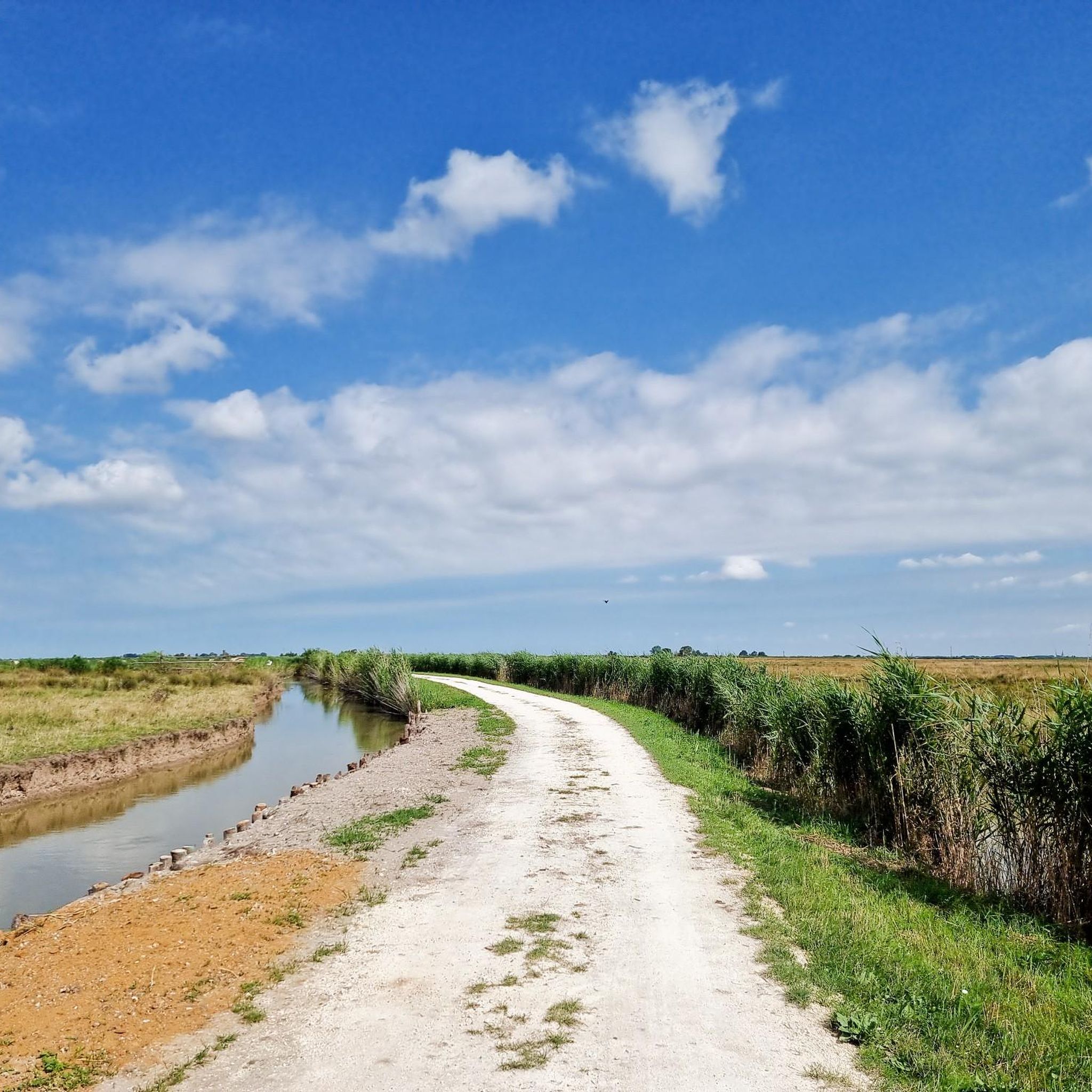
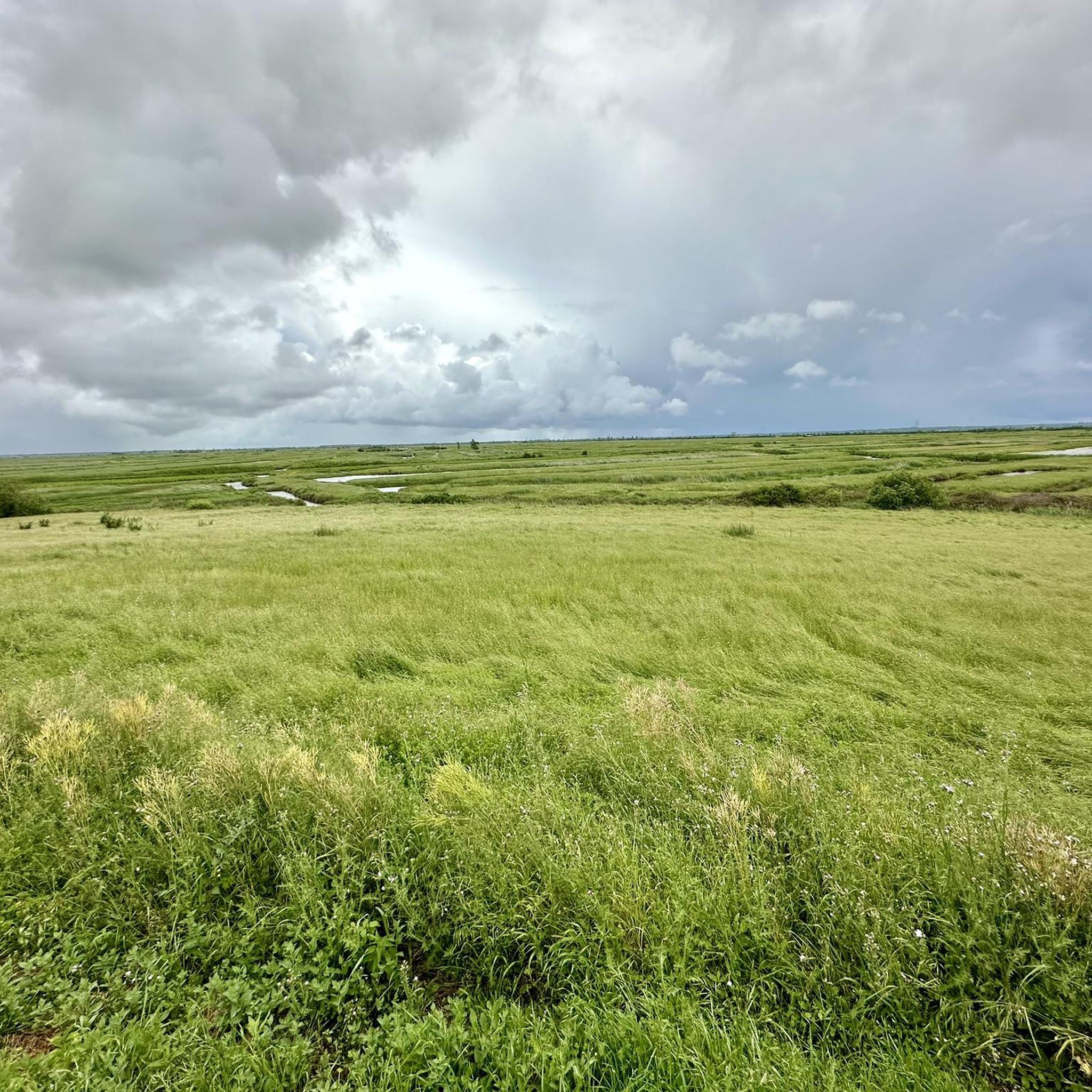
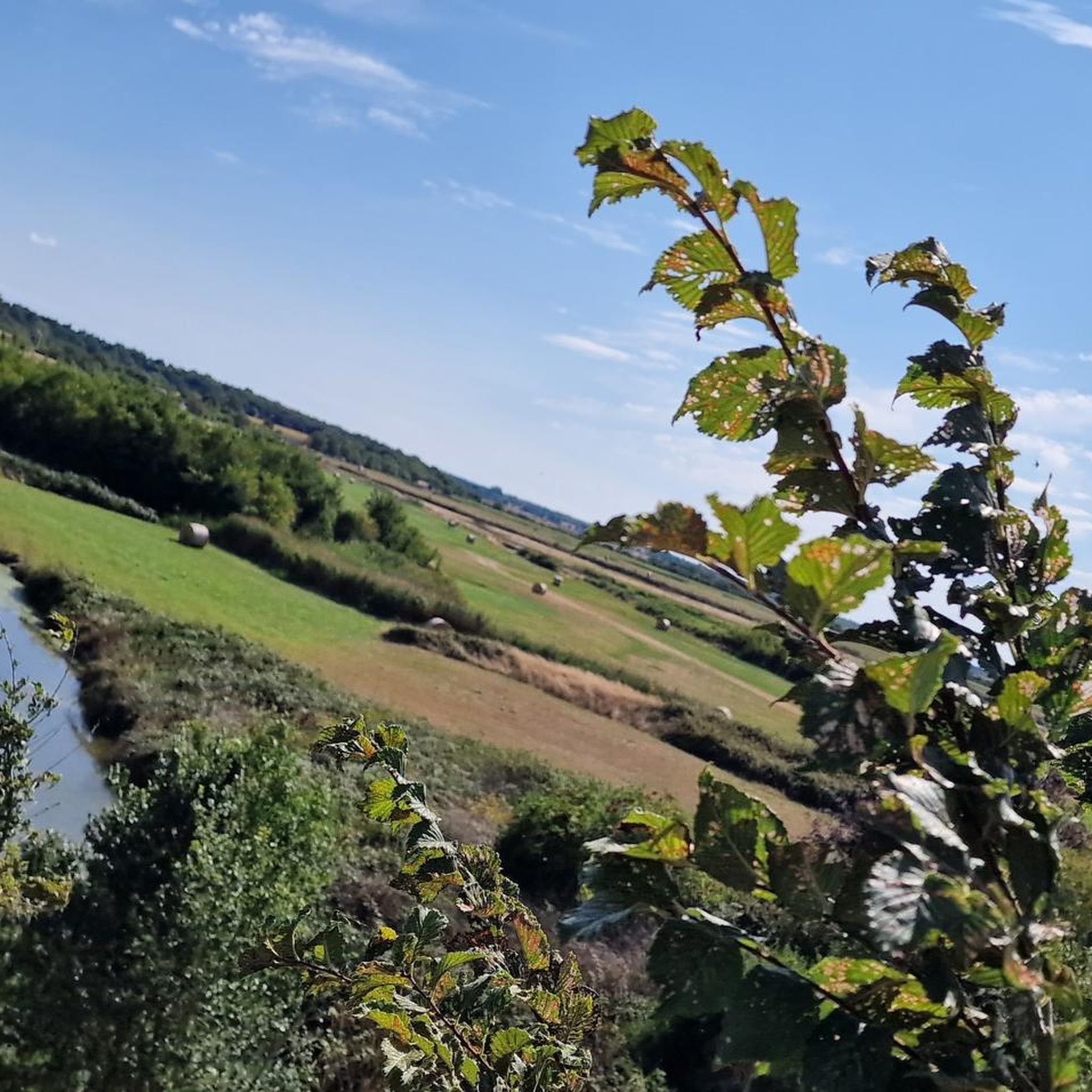
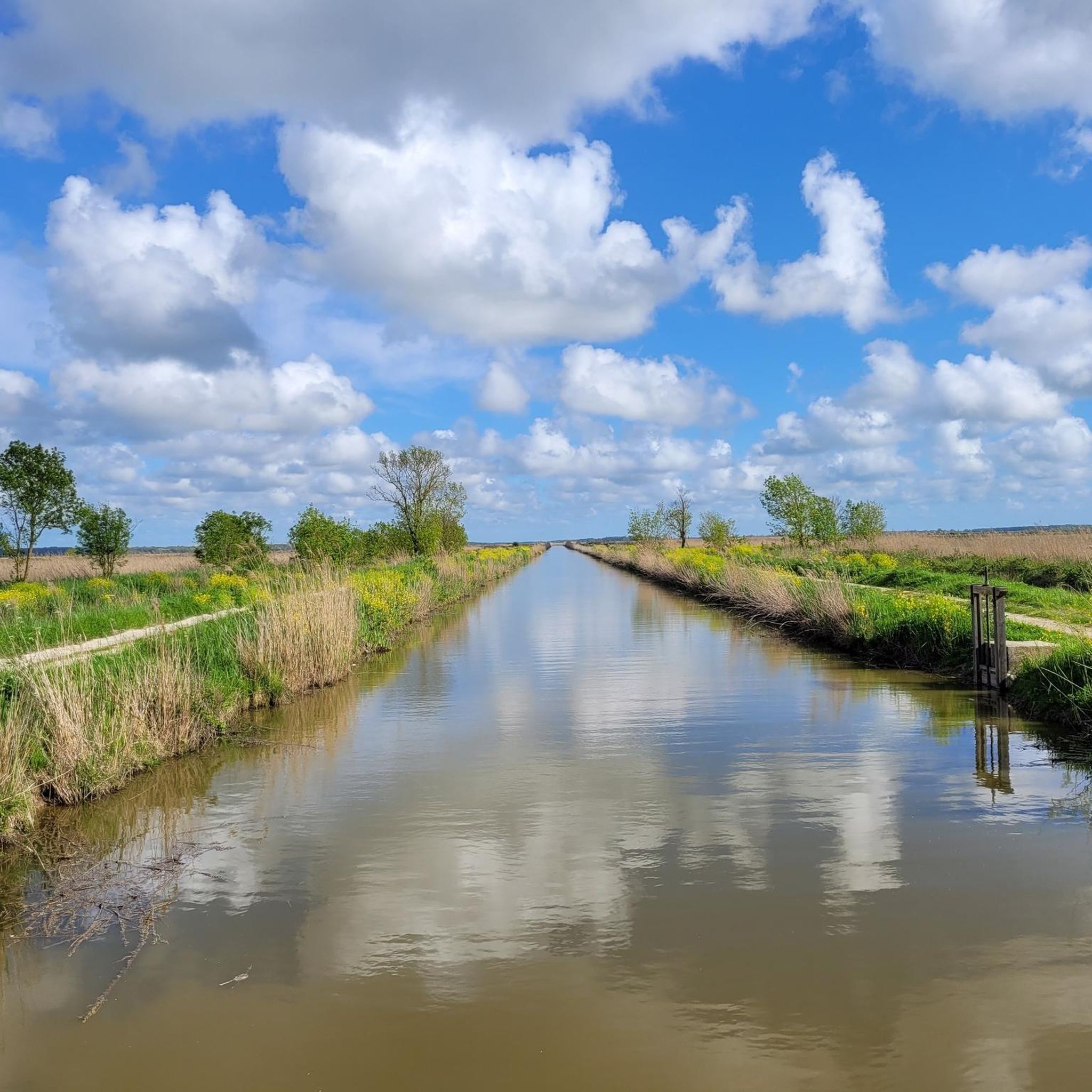
Touring cycling around Saint-Jean-D'Angle, located in Charente-Maritime, offers diverse landscapes for cyclists. The region features meandering river valleys, such as the Boutonne and Charente, alongside extensive agricultural lands, including vineyards. Cyclists will encounter a mix of forests, meadows, and marshlands like the Marais Poitevin and the Marshes of Rochefort Ocean. The terrain generally presents gentle gradients with some moderate climbs, making it accessible for various fitness levels.
Best touring cycling routes around Saint-Jean-D'Angle
- The most popular touring cycling route is…
Last updated: October 14, 2026
4.4
(29)
269
riders
Hard bike ride. Very good fitness required. Mostly paved surfaces. Suitable for all skill levels.
3.4
(10)
27
riders
Easy bike ride. Great for any fitness level. Mostly paved surfaces. Suitable for all skill levels.

4.0
(2)
17
riders
25.2km
01:46
110m
110m
Easy bike ride. Great for any fitness level. Mostly paved surfaces. Suitable for all skill levels.
4.0
(2)
17
riders
25.6km
01:50
100m
110m
Easy bike ride. Great for any fitness level. Mostly paved surfaces. Suitable for all skill levels.
5.0
(2)
8
riders
39.0km
02:41
120m
120m
Moderate bike ride. Good fitness required. Mostly paved surfaces. Suitable for all skill levels.
Get access to more routes and recommendations from other explorers.
Already have an account?
Our route recommendations are based on thousands of hikes, rides, and runs completed by other people on komoot.
Start today with a free account
Your next adventure awaits.

Tips from the Community

One of the most beautiful dovecotes in France, built of ashlar and of vast proportions. Built in the 16th century, it is a masterpiece of the early Renaissance with its dome and its great ornamental richness. It consists of 2959 nesting holes worked in limestone ashlar and intended for a pair of pigeons. Inside, a mobile system of wooden ladders on brackets allows access to all the nesting holes. The essential purpose of pigeon breeding was the recovery of their droppings, a rich fertilizer. Possibility of a visit by appointment by contacting the town hall.
0
0

The carrelets of Saint-Palais-sur-Mer are among the most emblematic elements of the Charente coastline. Their history blends traditional fishing, tourist development, and local heritage. 🐟 Origin of the carrelets Originally, the word "carrelet" referred to a square fishing net used since the 17th century. A precise description can be found as early as 1769, in the writings of the scholar Henri-Louis Duhamel du Monceau, who mentioned this type of fishing on the Saintonge coast. 👉 At that time, these were not yet the current huts, but simply a net operated from rudimentary structures. ⚓ Artisanal fishing structures The first local carrelets were simple wooden platforms, built by the fishermen themselves to stand above the water. They were mainly used to catch shrimp, fish, and crabs near the shore, without going out to sea. 👉 It was a family and coastal fishery, less dangerous than sea fishing. 🏖️ 19th – early 20th century: transition to a leisure activity At the turn of the 20th century, with the rise of seaside resorts like Saint-Palais, the carrelets evolved. Holidaymakers and notable figures adopted this practice: construction of fixed jetties, appearance of huts on stilts. The carrelets then became places for relaxation as much as for fishing. 👉 They already contributed to the postcard image of the coast. 🪵 After 1945: democratization and multiplication After the Second World War, the number of carrelets increased sharply. They became a symbol of popular leisure and conviviality. The transition was gradually made from a means of subsistence to a recreational activity. 🌊 Storms and reconstruction The carrelets are fragile in the face of storms: 1999: massive destruction (up to 90% in some areas) 2010 (Xynthia storm): new damage Many have been rebuilt identically, respecting tradition. 🏛️ Today: protected heritage In Charente-Maritime, there are about 400 carrelets. They are: integrated into the public maritime domain allocated by administrative authorization (often renewed every 5 years) Since 2018, they have been recognized as cultural heritage of the department. 👉 In Saint-Palais, they can be observed in particular: at Pont du Diable at the conche du Concié at the Puits de l’Auture
0
0

beautiful and very interesting building
0
0

A beautiful trail with pine scents. A real treat.
0
0

very beautiful walk with fortified village.
0
0

It's a bike path without cars, but be careful, use Komoot and don't trust the "wise" advice of jokers.
1
0
fortified village, former port of departure for the Americas, today it is located approximately 1.5km from the shore...
0
0
Frequently Asked Questions
How many touring cycling routes are available around Saint-Jean-D'Angle?
There are over 130 touring cycling routes in the Saint-Jean-D'Angle area. These routes cater to various skill levels, with more than 85 easy routes, nearly 40 moderate routes, and a few more challenging options.
What kind of terrain can I expect when cycling in the Saint-Jean-D'Angle area?
The region around Saint-Jean-D'Angle offers a diverse landscape for touring cyclists. You'll encounter meandering river valleys, extensive agricultural lands including vineyards, and marshlands such as the Marais Poitevin and the Marshes of Rochefort Ocean. The terrain generally features gentle gradients, making it accessible for many, with some routes including moderate climbs.
What do other cyclists say about touring cycling in Saint-Jean-D'Angle?
The touring cycling routes around Saint-Jean-D'Angle are highly rated by the komoot community, with an average score of 4.4 stars from over 300 reviews. More than 2,200 touring cyclists have used komoot to explore the varied terrain, often praising the scenic beauty and well-maintained paths.
Are there routes suitable for beginners or families?
Yes, Saint-Jean-D'Angle is very welcoming for beginners and families. Over 85 of the touring cycling routes are classified as easy, featuring gentle gradients and often passing through charming villages and agricultural lands. An example is the Potable Water Fountain loop from Champagne, which is an easy 15.8-mile (25.5 km) trail.
What is the best time of year to go touring cycling in Saint-Jean-D'Angle?
The Charente-Maritime department, where Saint-Jean-D'Angle is located, generally enjoys mild weather, making spring and early autumn ideal for touring cycling. During these seasons, the temperatures are pleasant, and the landscapes are particularly vibrant, whether you're exploring river valleys, forests, or coastal paths.
Are there any circular touring cycling routes in the region?
Yes, many routes in the area are designed as loops, allowing you to start and end in the same location. For example, the Marais de Brouage Gravel Path – Brouage Citadel loop from Saint-Agnant offers a moderate 20.3-mile (32.6 km) ride through marshlands and past historical sites.
Can I find routes that explore the marshlands around Saint-Jean-D'Angle?
Absolutely. The region is known for its unique marshland environments, such as the Marais Poitevin and the Marshes of Rochefort Ocean. A popular route that explores these areas is the Fun routes – Marais de Brouage loop from Rochefort, a moderate 39.0-mile (62.7 km) trail.
What interesting landmarks or attractions can I see along the cycling routes?
The touring cycling routes around Saint-Jean-D'Angle often pass by significant landmarks. You can cycle past the historic Brouage Citadel, a fortified village, or the impressive Rochefort Transporter Bridge. The Potable Water Fountain – Trizay Abbey loop from Saint-Agnant also takes you near historical sites like Trizay Abbey.
Are there longer touring cycling routes for experienced cyclists?
Yes, for more experienced cyclists looking for longer distances, the region offers several options. The Rochefort Transporter Bridge – Rochefort Transporter Bridge loop from Rochefort is a moderate 44.0-mile (70.8 km) route, providing a substantial ride with scenic views.
Is Saint-Jean-D'Angle suitable for dog-friendly cycling?
While specific routes may have restrictions, many of the quieter paths and rural roads around Saint-Jean-D'Angle are suitable for cycling with a well-behaved dog, especially if they are accustomed to a bike trailer or running alongside. Always ensure your dog is safe, hydrated, and that local regulations are followed, particularly in protected natural areas like the marshlands.
Where can I find parking for touring cycling routes in Saint-Jean-D'Angle?
Parking is generally available in the villages and towns that serve as starting points for many routes, such as Saint-Agnant, Rochefort, or Champagne. Look for designated public parking areas, especially near local amenities or attractions, which often provide convenient access to the cycling network.
Are there places to eat or stay near the cycling routes?
Yes, the region is dotted with charming villages and towns that offer various amenities. You'll find cafes, restaurants, and accommodation options in places like Rochefort, Saint-Agnant, and other settlements along the major cycling routes. These provide excellent opportunities for a break or an overnight stay during your tour.
Most popular routes around Saint-Jean-D'Angle
Most popular attractions around Saint-Jean-D'Angle

Get inspired with the komoot mobile app


Explore more
Browse the best Cycling routes in other regions.
