Attractions and Places To See around Tirepied - Top 20
Best attractions and places to see around Tirepied, a commune in the Manche department of Normandy, France, offer a diverse range of experiences. This region serves as a gateway to historical, cultural, and natural attractions. Visitors can explore a variety of points of interest within a reasonable distance, from iconic landmarks to serene natural features.
Best attractions and places to see around Tirepied
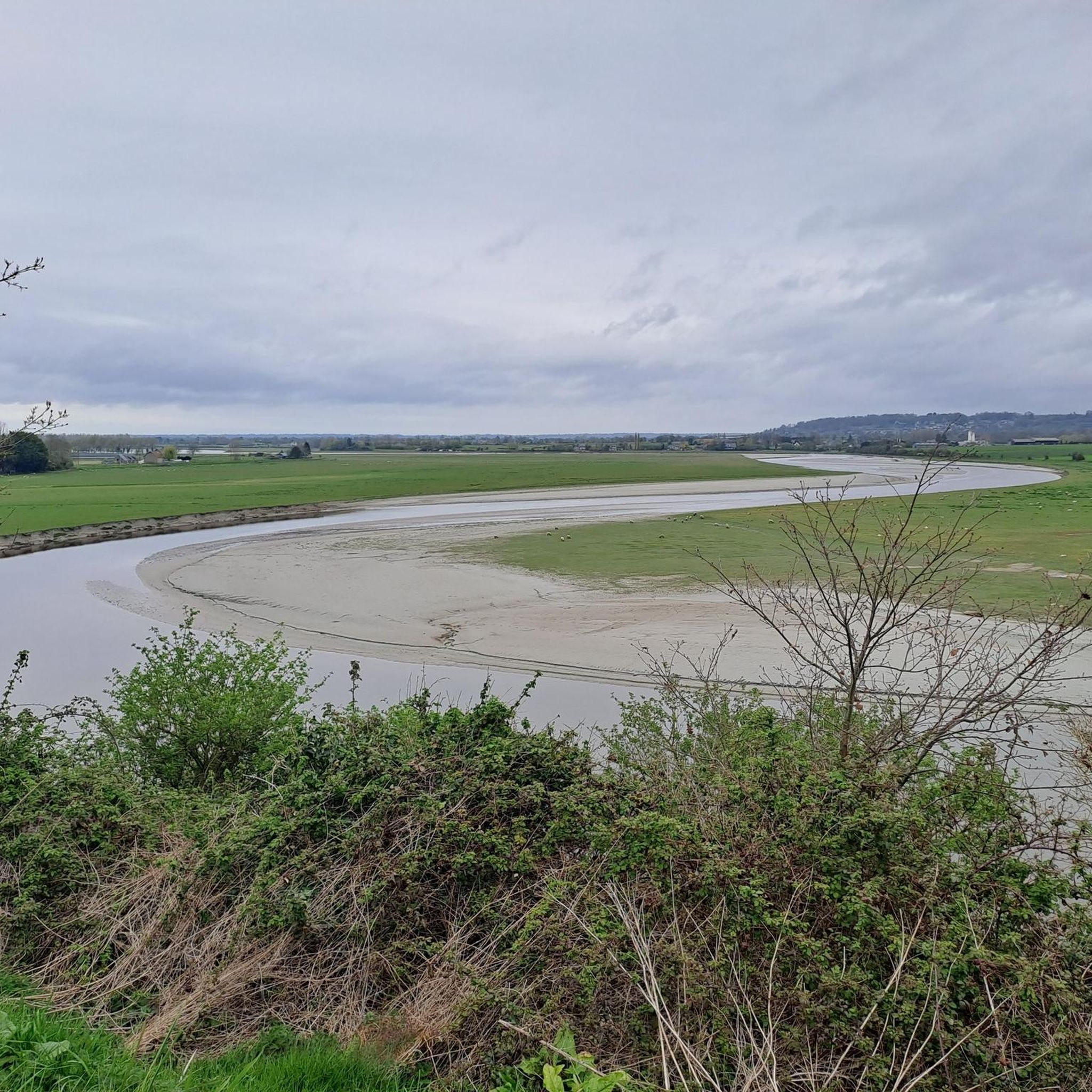
- The most popular attractions is Banks of the Sélune at Pontaubault, a river that gradually opens…
Last updated: June 23, 2026
Pontaubault Bridge
Highlight • Bridge
Un Oradour évité:
Dans le …
Tip by

Montgommery Castle
Highlight • Castle
Translated by Google •
Tip by

Sign up now to discover places like this
Get recommendations on the best single tracks, peaks, & plenty of other exciting outdoor places.
Sign up for free
Château d'Avranches
Highlight • Castle
Translated by Google •
Tip by

Kirche Notre-Dame-des-Champs
Highlight • Historical Site
Translated by Google •
Tip by
Banks of the Sélune at Pontaubault
Highlight • River
Translated by Google •
Tip by

Sign up for free to discover even more attractions around Tirepied.
Sign up for free
Already have an account?
Start today with a free account
Your next adventure awaits.
Login or Signup

Tips from the Community

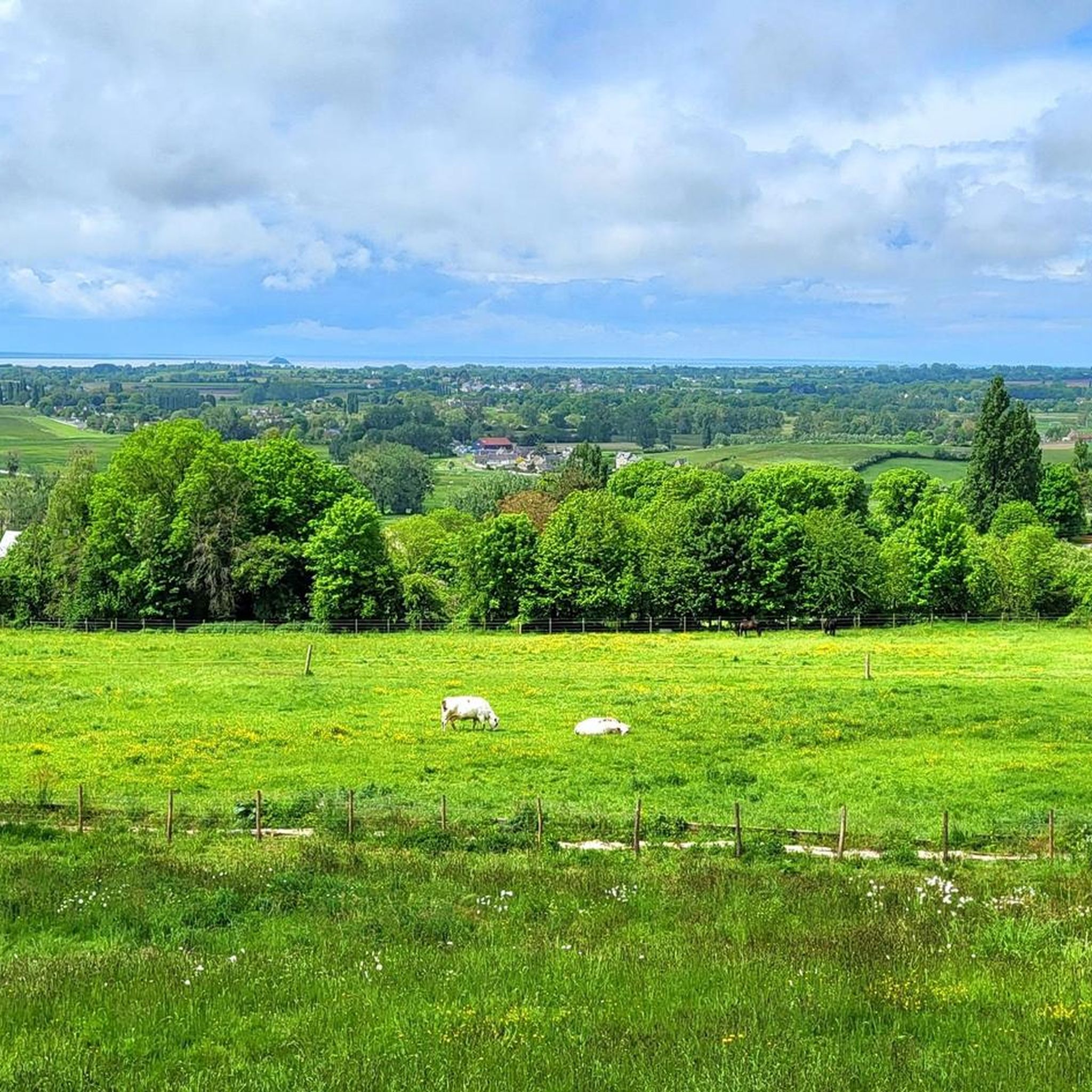
Magnificent landscape with its green pastures of salt meadows. Gradually approaching Mount Mich Mich
2
0

Nice opportunity for a break. Picnic area with a good view
2
0

A bridge with a long history! Even the Romans passed along here! And at the end of World War II, American troops passed through here to liberate France. Today, people make pilgrimages past the bridge on their way to Mont St. Michel.
1
0

Montgommery Castle was built in the 17th century by the Montgommery family, prominent Protestants involved in the death of King Henry II of France. The castle is Renaissance style, with a terrace, a balcony and a chapel dedicated to Saint Marguerite. You can explore the castle and its surroundings, and learn more about its history and architecture. You can also play a game of Ducey-Code, a live investigation game that mixes puzzles and history in the castle. The castle is open from Wednesday to Sunday, from 2:00 p.m. to 6:00 p.m.
3
0

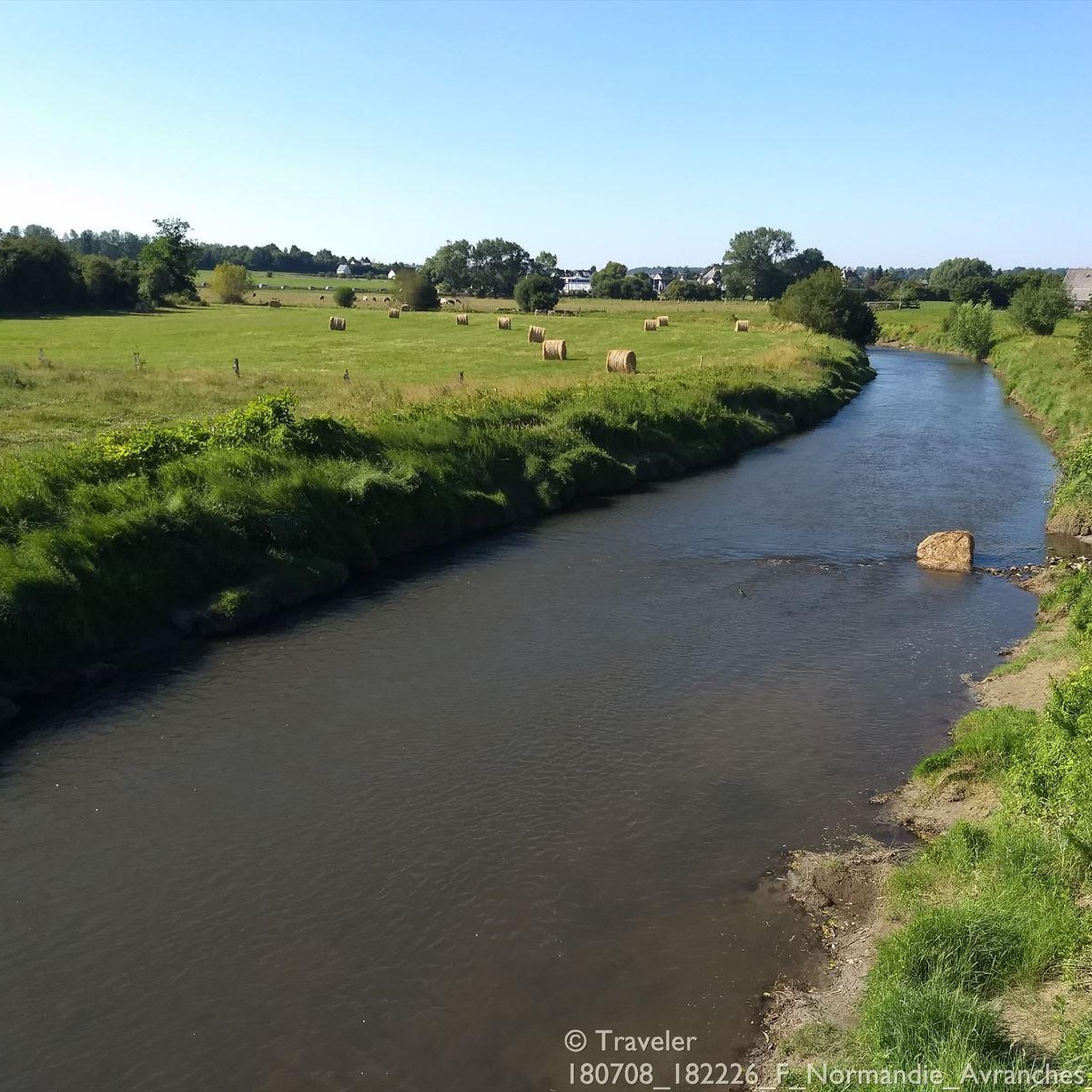
The “Pont de Pontaubault” is a beautiful work of art, the construction of which dates back to the 15th century. It is the first bridge to cross the Sélune, between Saint-Quentin-sur-le-Homme (right bank) and Pontaubault (left bank). It is located on the old road from Avranches to Rennes, via Saint-James. Since the arrival of the A84 motorway it has mainly been used locally. The bridge has eleven arches and is built with stone masonry. There is a picnic area at the bridge, near the railway viaduct of the Caen-Rennes line, not far from the salt meadows where sheep graze. During big tides many spectators and kayakers come to enjoy the spectacle provided by the tide. The bridge has a rich history. It was bombed several times during World War II but withstood these attacks, allowing 100,000 men and 1,500 vehicles to cross. A memorial plaque recalls that "the fate of the war lay on this bridge".
3
1

Friendly cafe at the entrance of the city next to the bridge
1
0

The old Notre-Dame des Champs church was located, as its name suggests, outside the city, to the south. This very simple church, known from a photo and a few engravings, dates from the end of the 17th century. Having become too small and work becoming necessary, the idea was accepted, around 1855, of constructing a new building, especially after the collapse of the Saint-André cathedral. Plans and an estimate were drawn up by the architect Nicolas Théberge, architect from La Manche and “child of the parish”. We also owe the latter other buildings in the neo-Gothic style such as Saint-Patrice du Teilleul in 1851, Saint-Hilaire-du-Harcouët in 1855, Saint-Pair de Sartilly or Sainte-Croix de Saint-Lô in 1860. However, it was not until April 12, 1863 to witness the laying of the first stone. The "neo-Gothic" style decided on by the architect involves the construction of a building with bold proportions that completely break with those of the modest church that we wish to replace. The means of the city and the parish were insufficient, especially since the reconstruction of Saint-Gervais had been very expensive, and in 1865 the mayor of Avranches and the archpriest traveled to Paris to seek help state finance. This long-requested aid was not finally granted until 1876 and the consecration of the church by Bishop Germain took place on November 13, 1892. The slow construction of the building was marred by many sometimes tragic events such as, in 1868, the death of a twenty-seven-year-old mason who fell from the height of the rose window where he was working. The architect Théberge, who died in 1866, was replaced by Cheftel. Delayed by the First World War, which mobilized all the workforce, the two towers of the facade were completed between 1926 and 1937; at this time, the large organs were also installed, the wind tunnel of which immediately benefited from electricity. In June 1944, the church was seriously damaged by a fire following the bombardment of the city. Restoration work lasted several years and the reopening to worship only took place in February 1962. The church is in the form of a nave with a façade with two towers (unfinished arrows), a projecting transept, and an ambulatory choir with an axial chapel (never built)1. The church had been provided with a set of windows signed Duhamel-Marette, destroyed by the bombings of 1944
0
0
Montgommery Castle was rebuilt in the 17th century. At the beginning of the 16th century, the castle took the name of the Montgommery family. Famous, Gabriel I of Montgommery, owner of the castle, took part in the rue Saint-Antoine tournament and, by bad luck, mortally wounded King Henri II in the eye. Interestingly, this did not result in his own death. It was his conversion to Protestantism that led to his execution and the confiscation of his castle. Two years after his death, Henry III authorized Gabriel I de Montgommery's son, Gabriel II, to reoccupy the castle.
6
0
Frequently Asked Questions
What historical sites can I visit near Tirepied?
The region around Tirepied is rich in history. You can explore the Pontaubault Bridge, a 15th-century structure with significant World War II history. Another notable site is Montgommery Castle, a 17th-century castle with Renaissance architecture. In Avranches, just a short drive away, you'll find the historic Château d'Avranches and the impressive Kirche Notre-Dame-des-Champs.
Are there any natural attractions or viewpoints around Tirepied?
Yes, for nature lovers, the Banks of the Sélune at Pontaubault offer scenic views where the river gradually opens into a vast bay. The Château d'Avranches also provides beautiful panoramic views over the bay of Mont-Saint-Michel and the Sée valley. Further afield, the Couesnon river and its estuary are noted for their natural beauty, and forests like Forêt de Saint-Sever and Forêt de Fougères offer tranquil landscapes.
What family-friendly activities are available near Tirepied?
Families have several options. The Montgommery Castle and Château d'Avranches are both considered family-friendly historical sites. For more active fun, the Zoo de Champrepus and Ange Michel amusement park are within easy reach. The Banks of the Sélune at Pontaubault also offer a pleasant, family-friendly setting for a break or picnic.
Where can I go hiking near Tirepied?
There are several hiking opportunities around Tirepied. You can find various routes, including easy walks like the 'Hiking loop from Le Petit-Celland' or the 'Kirche Notre-Dame-des-Champs – Donjon of Avranches loop from Avranches'. For more options and detailed routes, explore the dedicated Hiking around Tirepied guide.
Are there cycling or mountain biking routes in the area?
Yes, the region offers great routes for both gravel biking and mountain biking. For gravel biking, consider routes like the 'Sélune Riverbank – Pontaubault Bridge loop from Avranches' or the 'View of Mont Saint-Michel Bay – Saint-Jean-le-Thomas Beach loop from Avranches'. Mountain bikers can explore trails such as the 'Belvedere – Parking à vélos sécurisé loop from Avranches'. More detailed routes are available in the Gravel biking around Tirepied and MTB Trails around Tirepied guides.
What is Mont-Saint-Michel and how far is it from Tirepied?
Mont-Saint-Michel is an iconic abbey and island, a UNESCO World Heritage site known for its unique silhouette and spiritual significance. It is approximately 19 km from Tirepied, making it a highly recommended day trip for visitors to the region.
What can I do in Avranches, which is close to Tirepied?
Avranches, located just 8.3-8.8 km from Tirepied, offers several attractions. You can visit the Château d'Avranches for historical insights and views, explore the Jardin des Plantes, or see the Kirche Notre-Dame-des-Champs. The Scriptorial d'Avranches, a museum dedicated to Mont Saint-Michel manuscripts, is also a cultural highlight. Avranches also hosts a lively market on Saturdays.
Are there any markets nearby to experience local life?
Yes, several nearby towns host markets on different days, offering a glimpse into local life and produce. Avranches has a market on Saturdays, Brécey on Fridays, and Ducey on Tuesdays. Villedieu-les-Poêles and Saint-Hilaire-du-Harcouët both have markets on Tuesdays and Wednesdays respectively.
What are some lesser-known natural spots or 'hidden gems' in the area?
Beyond the well-known sites, you might enjoy the Réserve naturelle régionale du Marais de Sougeal, a regional nature reserve about 28 km away, perfect for nature observation. The Roches de Ham, located 39 km from Tirepied, are also a unique natural rock formation worth exploring for their scenic beauty.
What seaside experiences are available near Tirepied?
For a seaside experience, Granville is about 28 km away and is known for its long sandy beach and 19th-century villas, offering a classic resort atmosphere. Further out, the Île des Rimains and Chausey islands (41 km) provide beautiful coastal scenery, and Pointe du Grouin (42 km) offers dramatic sea views.
Are there any notable gardens or parks to visit?
Yes, the region features several beautiful gardens. The Jardin des Plantes in Avranches is a cultivated garden close by. Further afield, you can visit the Parc du château de Bonnefontaine (32 km), the Parc floral de Haute-Bretagne (33 km), or the Jardin du château de La Ballue (36 km) for diverse floral and landscape designs.
What do visitors particularly enjoy about the attractions around Tirepied?
Visitors often appreciate the blend of historical significance and natural beauty. For instance, the Pontaubault Bridge is valued for its rich WWII history, while the Banks of the Sélune at Pontaubault are loved for their magnificent landscapes and peaceful setting, especially the green pastures of the salt meadows. The historical castles also offer engaging insights into the region's past.
Most popular routes around Tirepied

Get inspired with the komoot mobile app


Explore more
Still not found the Highlight you’re looking for? See guides of the top attractions in other regions:
