Attractions and Places To See around Arthez-De-Béarn - Top 20
Best attractions and places to see around Arthez-De-Béarn include a variety of historical landmarks, cultural sites, and natural features. This historic fortified village is nestled in the Béarnais hills, offering panoramic views of the Pyrénées mountains. It is also situated on the Puy-en-Velay route of the Camino de Santiago, adding to its cultural significance. The region provides opportunities for exploring medieval architecture and enjoying the natural landscape.
Best attractions and places to see around Arthez-De-Béarn
- The most popular attractions is…
Last updated: October 19, 2026
Sauvelade Abbey
Highlight • Religious Site
fr.wikipedia.org/wiki/Sauvelade
The monastery church is very simple, …
Translated by Google •
Tip by

Saint Peter's Church
Highlight • Religious Site
Translated by Google •
Tip by

Sign up now to discover places like this
Get recommendations on the best single tracks, peaks, & plenty of other exciting outdoor places.
Caubin Chapel
Highlight • Religious Site
Showing Translation
Tip by

Église Saint Pierre
Highlight • Other
During the formation of the Principality of the Pyrenees, around the 10th …
Showing Translation
Tip by
Moncade Castle - Orthez
Highlight • Other
Translated by Google •
Tip by

Sign up for free to discover even more attractions around Arthez-De-Béarn.
Already have an account?
Start today with a free account
Your next adventure awaits.


Tips from the Community

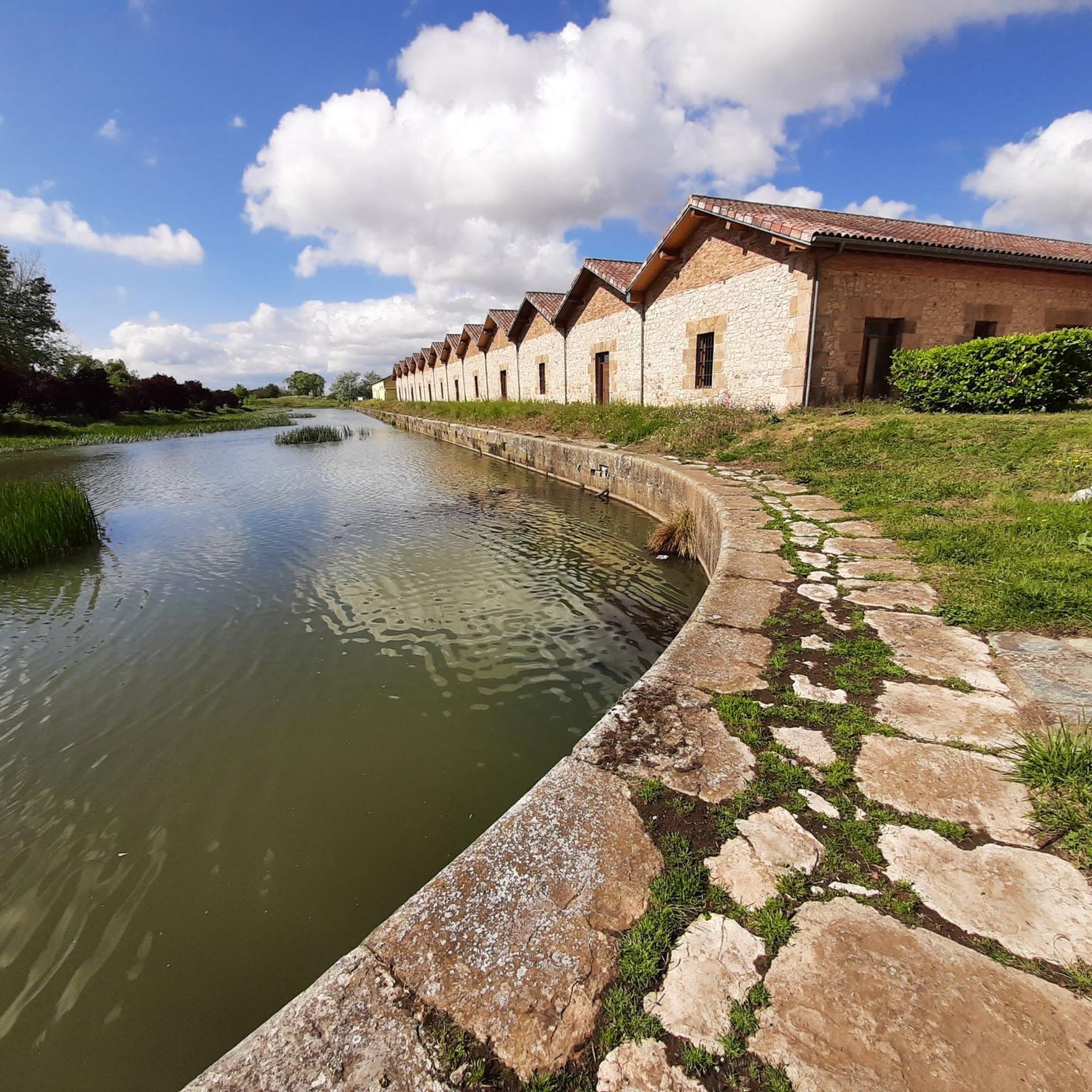
Imposing Romanesque church from the 12th century, dedicated to the apostle St. James. It belonged to the complex of the Benedictine abbey, which was active until the Revolution. After the sale of the buildings in 1793, the church threatened to fall into disrepair and was restored from 1860. Restoration and improvement works were also carried out in 1970 and 2016-2017.
2
0
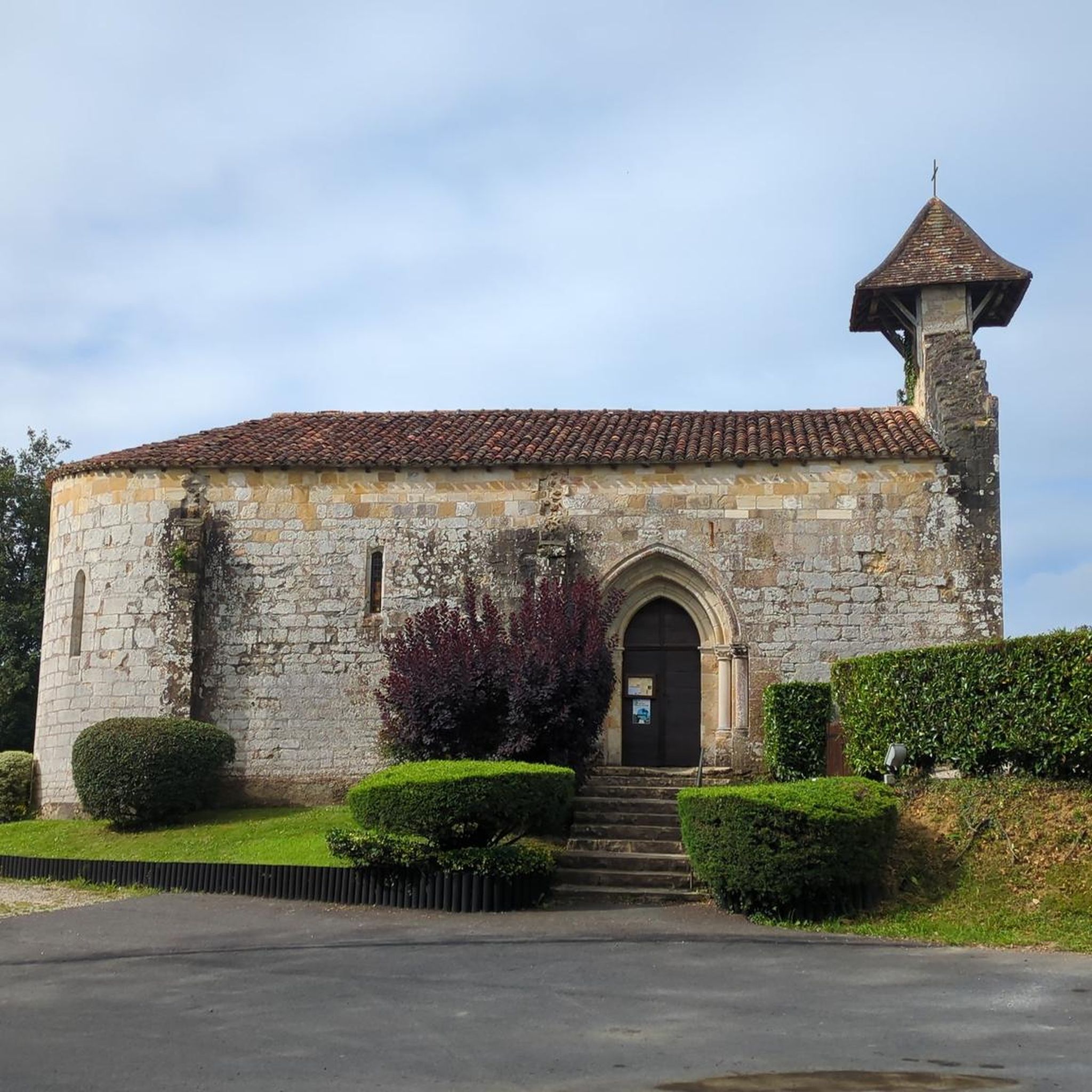
The Romanesque chapel was built on the orders of the Viscount of Béarn, Gaston IV, known as the Crusader (1090-1130), upon his return from the First Crusade. It was entrusted to the Knights of Saint John of Jerusalem and experienced its heyday until the mid-16th century, when the Wars of Religion broke out. Inside, behind the beautiful Gothic arches, we can see the tomb with the figure of a medieval knight. On the outside, the details of the capitals are worth seeing.
2
0
The site of the abbey of Saint-Pierre de LARREULE was of great importance in the history of Béarn. During the formation of the Principality of the Pyrenees, around the 10th century, monks organized the large-scale clearing and development of the land; their abbeys were economic units. Only part of the Romanesque abbey church, built in the 12th century and rebuilt in the 16th century after significant destruction by Protestant troops, remains of the abbey. Three Romanesque capitals as well as several listed statues from the 17th and 18th centuries can still be seen there. As the nave (oriented East-West) was never rebuilt, the old Romanesque transept (oriented North-South) served as the nave from the 17th century onwards, when the west wall was erected to complete the church.
2
0
The Romanesque chapel was built on the orders of the Viscount of Béarn, Gaston IV, known as the Crusader (1090-1130), upon his return from the First Crusade. It was entrusted to the Knights of Saint John of Jerusalem and experienced its heyday until the mid-16th century, when the Wars of Religion broke out. Inside, behind the beautiful Gothic arches, we can see the tomb with the figure of a medieval knight. On the outside, the details of the capitals are worth seeing. 'La petite église' can be read framed at the entrance of the church.
2
0

Chateau built by Gaston VIl Moncade from 1242 to 1262, protected by 3 lines of fortifications, and a "V"-shaped masonry moat. The main building protected the entrance to the keep. The ground floor, a pentagonal keep, without a door, served as a prison; on the first floor was the guardroom. This Castle was redeveloped by Gaston Febus in the 14th century. It was burned during the Wars of Religion, in 1569, and sold, at the Revolution, to demolition contractors who dismantled it. Remains restored in 1845.
0
0


A really very beautiful and well-restored church 👍🏽 Well worth seeing 🤩
0
0

A 12th-century historical monument, the chapel was saved by the association "Les Amis de Caubin" in 1966, who completed its restoration in 1974. Musical events have been held there since. Note that picnic tables and an oratory are located on the other side of the road.
1
0
Frequently Asked Questions
What historical landmarks can I explore in Arthez-de-Béarn?
Arthez-de-Béarn is a historic fortified village itself, offering a journey through its medieval past with charming streets and historical architecture. You can also visit the Saint Peter's Church, and the historic Sauvelade Abbey, which was founded by Benedictines in 1127.
Are there any significant religious sites in the area?
Yes, besides the Sauvelade Abbey and Saint Peter's Church, the region features the historic Chapel of Caubin, a Monument historique with a 14th-century Flamboyant Gothic tomb, and the 12th-century Romanesque Chapel of N'Haux, set in a beautiful green landscape. The Église Saint Etienne in the village also incorporates a 12th-century bell tower.
Where can I find panoramic views of the Pyrénées mountains?
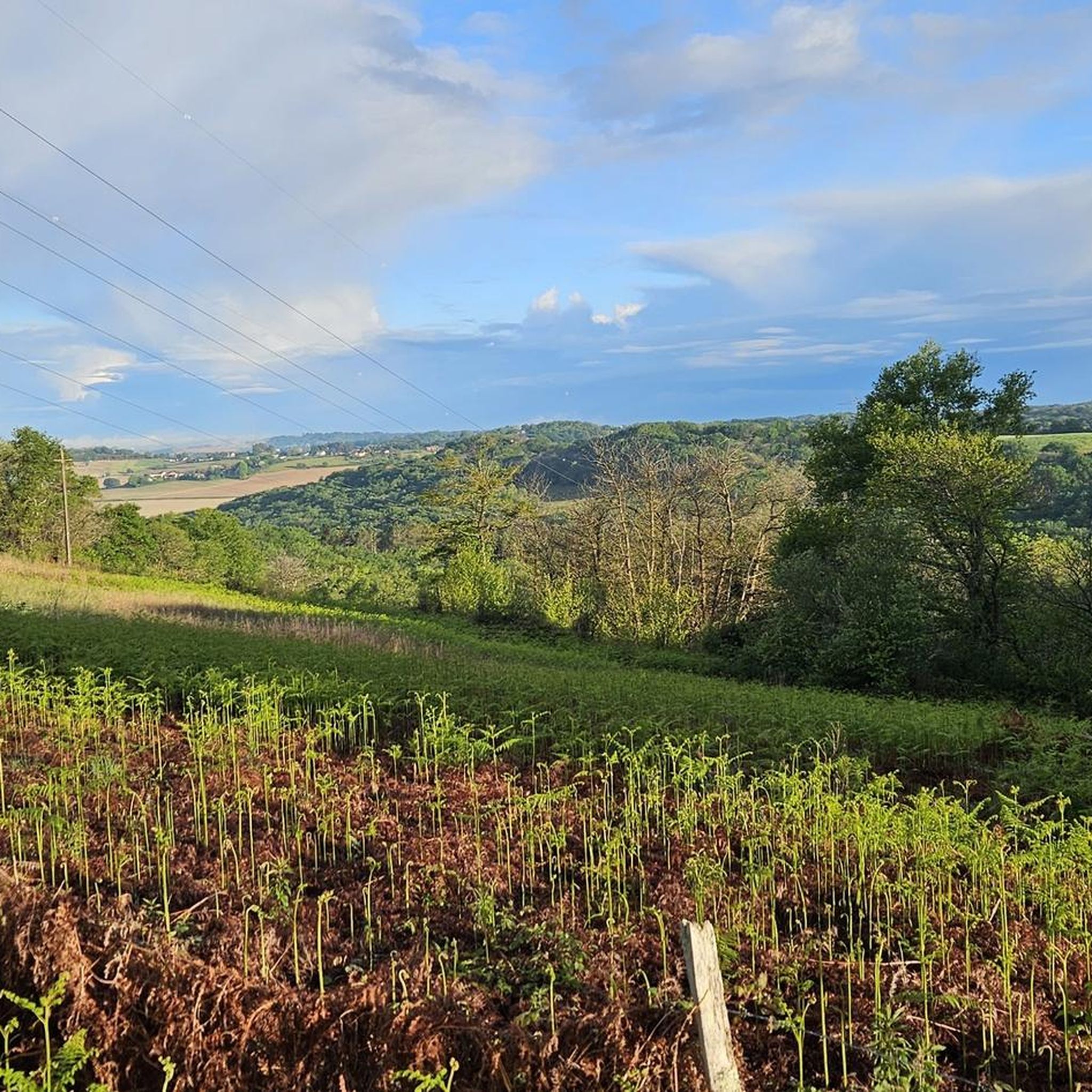
The garden of Église Saint Etienne in Arthez-de-Béarn offers sweeping views of the Pyrénées. Additionally, the village's location in the Béarnais hills provides picturesque landscapes, and the Moncade Tower in nearby Orthez also boasts panoramic views from its 110-meter height.
What natural attractions are there for walks and relaxation?
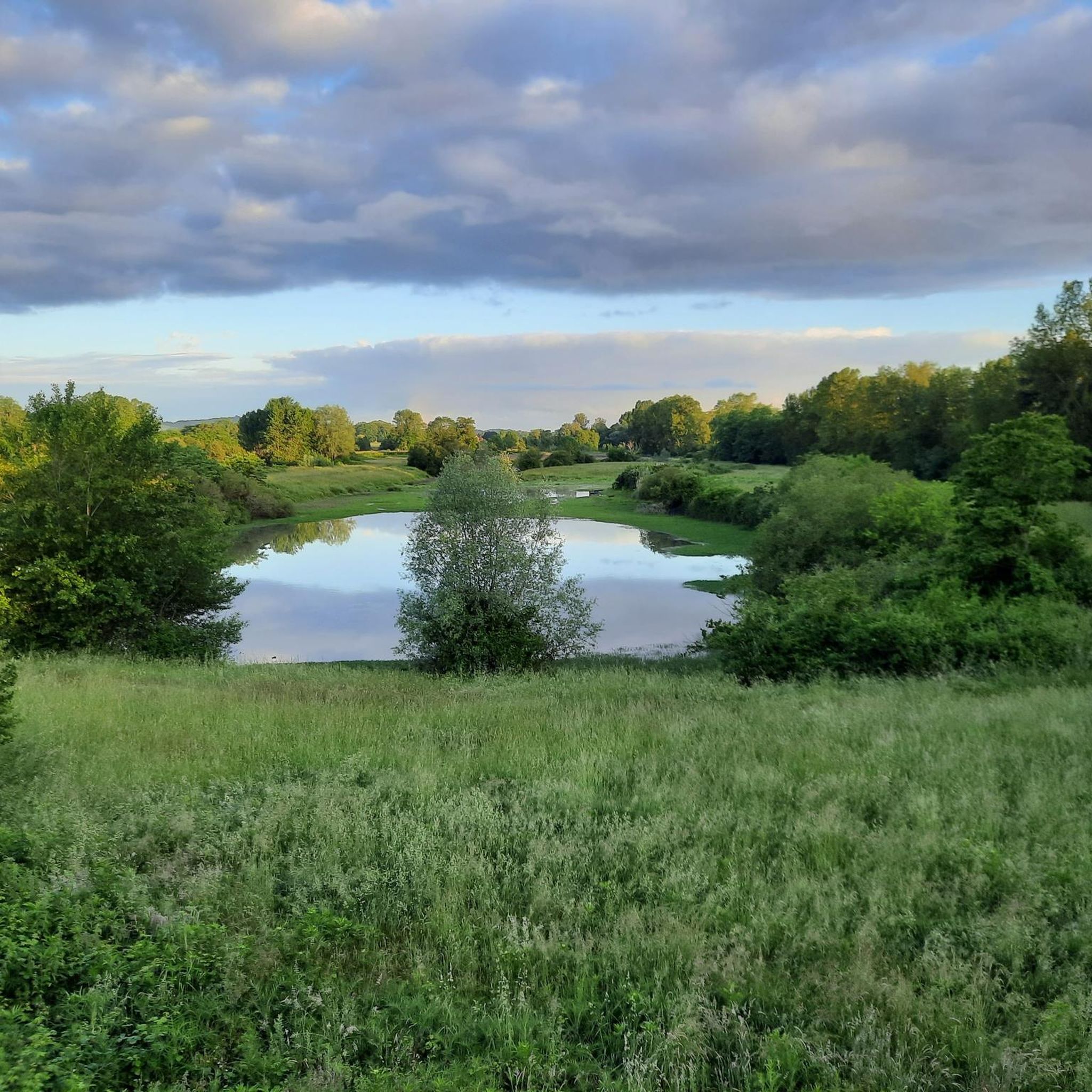
The Lakes of the Barthes de Biron offer a fishing center with three bodies of water and a path for walks and bike rides, complete with educational panels. The wider Cœur de Béarn region provides numerous picnic opportunities along the Gave de Pau, on slopes facing the Pyrénées, or in forests.
Are there opportunities for walking or cycling near Arthez-de-Béarn?
Absolutely. The region is ideal for peaceful strolls, walks, or bike rides on marked trails. For specific routes, you can explore various cycling routes and running trails around Arthez-de-Béarn, including paths along the Gave de Pau.
What family-friendly activities are available?
Families can enjoy the Lakes of the Barthes de Biron, which feature paths for walks and bike rides, and educational panels. The Pont Vieux of Orthez is also a great historical site for families to explore, offering views of the river. The Sauvelade Abbey is also considered family-friendly.
What is the best time of year to visit Arthez-de-Béarn for outdoor activities?
The region is generally pleasant for outdoor activities from spring through autumn. Spring and early summer offer lush landscapes and comfortable temperatures for walking and cycling, while autumn brings beautiful colors. Summers are also suitable, though it can be warmer.
What other historic towns are worth visiting in the Cœur de Béarn region?
Nearby, you can visit Orthez, a medieval town with the iconic Pont Vieux and Moncade Tower. Navarrenx is known as France's first bastioned city with impressive ramparts. Sauveterre-de-Béarn is a medieval village overlooking the Gave d'Oloron, and Salies-de-Béarn is a charming small town to explore.
Is Arthez-de-Béarn connected to the Camino de Santiago?
Yes, Arthez-de-Béarn is notably situated on the Puy-en-Velay route of the Camino de Santiago (Saint James Way). The Chapel of Caubin was an important stop for pilgrims during the Middle Ages, and Lacommande is another essential stop on the Camino paths in the region.
Where can I enjoy a picnic in Arthez-de-Béarn?
A pleasant picnic area is available in front of the Chapel of Caubin, under a shaded area with two picnic tables. The broader Cœur de Béarn region also offers many opportunities for picnics along the Gave de Pau, on slopes facing the Pyrénées, or within forests.
What do visitors particularly enjoy about the attractions near Arthez-de-Béarn?
Visitors appreciate the historical significance of sites like the Pont Vieux of Orthez, often noting its great views of the river. The Sauvelade Abbey is valued for its simple Cistercian architecture and its connection to the Way of St. James, providing good infrastructure for hiking. The Lakes of the Barthes de Biron are enjoyed for their walking and cycling paths and educational panels.
Are there specific road cycling routes recommended around Arthez-de-Béarn?
Yes, there are several road cycling routes. For example, you can find an easy 'Roadbike loop from Bergoue' or more moderate options like the 'Lac d'Arzacq loop from Bergoue' and routes that include the Pont Vieux of Orthez. You can explore these and more on the Road Cycling Routes around Arthez-De-Béarn guide.
Can I find running trails in the Arthez-de-Béarn area?
Yes, the area offers various running trails. You can find moderate running loops starting from Mont, Lacq, or Arthez-de-Béarn itself, with distances ranging from 7 to 11 kilometers. More details are available in the Running Trails around Arthez-De-Béarn guide.
Most popular routes around Arthez-De-Béarn

Get inspired with the komoot mobile app


Explore more
Still not found the Highlight you’re looking for? See guides of the top attractions in other regions:
