Attractions and Places To See around Cérences - Top 20
Best attractions and places to see around Cérences include a mix of historical landmarks, natural features, and cultural sites. This commune in the Manche department of Normandy offers insights into local heritage and the region's natural beauty. Visitors can explore preserved monastic architecture, unique coastal landscapes, and historical village churches. The area provides opportunities to discover both man-made monuments and significant natural environments.
Best attractions and places to see around Cérences
- The most popular attractions is Abbaye de La Lucerne…
Last updated: May 9, 2026
Abbaye de La Lucerne
Highlight • Religious Site
Translated by Google •
Tip by

Havre de la Vanlée
Highlight • Natural
Translated by Google •
Tip by

Sign up now to discover places like this
Get recommendations on the best single tracks, peaks, & plenty of other exciting outdoor places.
Sign up for free
Bréville-sur-Mer
Highlight • Settlement
Translated by Google •
Tip by

Notre-Dame Church
Highlight • Other
Translated by Google •
Tip by
Saint Clair Church
Highlight • Other
Translated by Google •
Tip by

Sign up for free to discover even more attractions around Cérences.
Sign up for free
Already have an account?
Start today with a free account
Your next adventure awaits.
Login or Signup
Tips from the Community

submersible road - wild haven - Pay attention to tide times in spring water!!
0
0

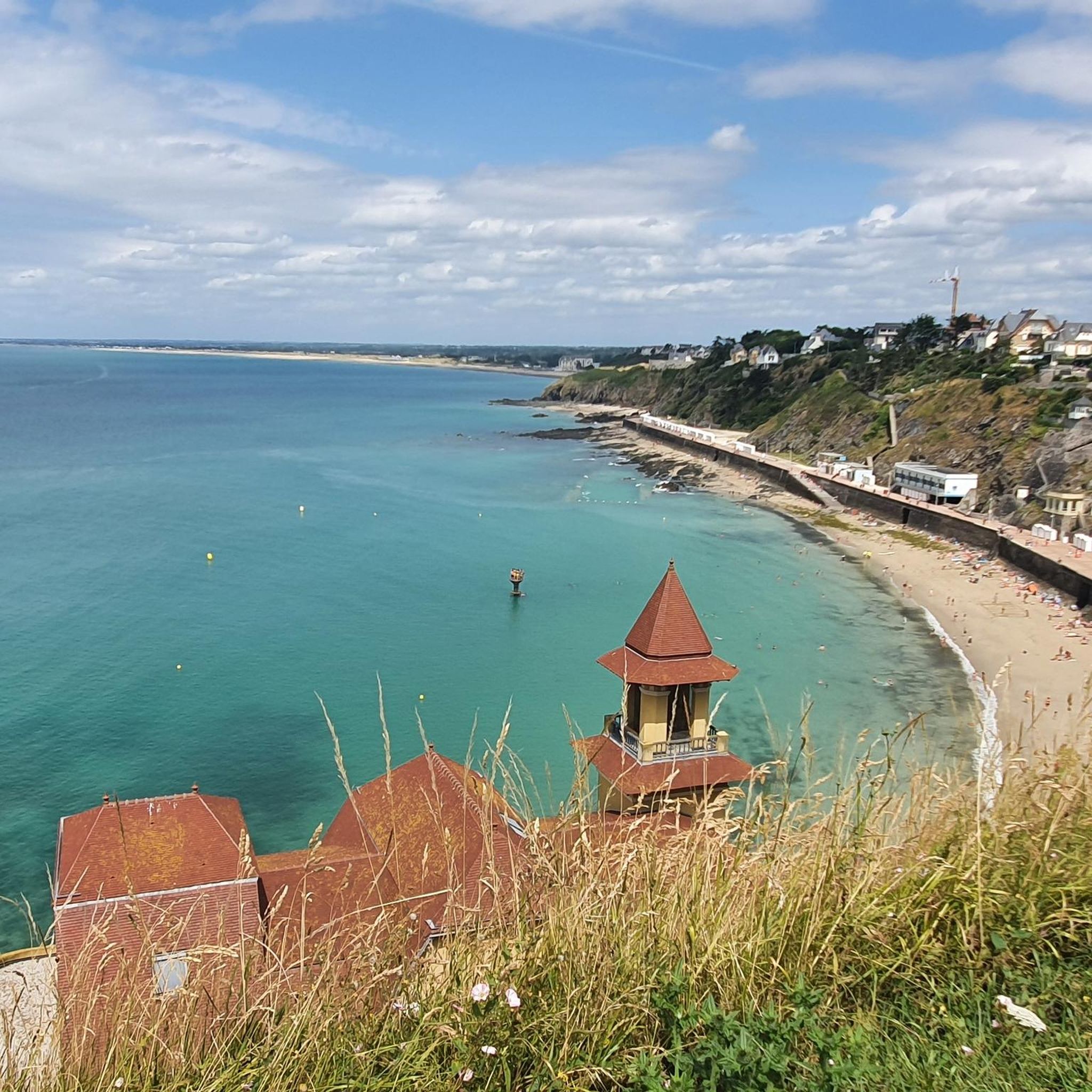
Bréville-sur-Mer is a village known for its fishing and agriculture. It was also in the 1950s a maneuvering area for troops stationed at the tip of the Roc de Granville. The Église Notre-Dame de Bréville-sur-Mer is an edifice catholique, from the 2nd half of the XIIth century. It is of Romanesque style and houses, among other things, a Vierge à l'Enfant from the XIVth century and a statue of Saint Hélier from the XVth century. L'église est inscrite aux monuments historiques. There are plenty of places to visit around Bréville-sur-Mer.
1
0
The Notre-Dame de Bréville-sur-Mer church is a Catholic building, from the second half of the 12th century. It is Romanesque in style and notably houses a 14th century Virgin and Child and a 15th century statue of Saint Helier2. The church is listed as a historical monument.
3
0

The Notre-Dame church in Bréville-sur-Mer is a medieval Catholic building, from the 2nd half of the 12th century. The nave and the choir were built in the 2nd half of the 12th century. The bedside is rectilinear. The choir was restored in the 15th century. The church has large windows from the 18th and 19th centuries. The southern Romanesque portal dates from the second half of the 12th century and the north portal from the beginning of the 13th century. The tower, restored in the 15th century, which has only one long and simple window ending in a straight lintel on each side, is topped by an octagonal stone spire. The latter has on each side a long and narrow dormer window made up of two columns resting on the base of the spire supporting a small arcade and a triangular eaves. The transition from the square to the octagon is made by a sort of half-pyramid housed in the corners. The church houses a 12th century bas-relief, an 18th century preaching pulpit, statues: Virgin and Child (14th century), Saint Helier (15th century). The Saint-Hélier Fountain is located near the northeast corner of the Notre-Dame Church cemetery. According to legend, the body of Saint Helier, a hermit in the 6th century in Jersey, was washed up in a lead coffin on the shore of Bréville. https://fr.wikipedia.org/wiki/%C3%89glise_Notre-Dame_de_Br%C3%A9ville-sur-Mer
3
0
The church was built in the 13th century, or even in the previous century, at the foot of a cliff. It is built on the site of a Gallo-Roman villa built between the 1st and 3rd centuries and of which, in 1972, vestiges (amphorae, brick walls, etc.) were found in the cemetery. Placed under the patronage of Saint Clair, it is built on the foundations of a monastery that he founded in 880. It is oriented southeast-northwest. It was given in 1186 to the White Abbey of Mortain. Under the Revolution, it was stripped bare, its bell tower collapsed, its bells broke. It was enlarged and rebuilt from 1829. A new parish church, dedicated to Notre-Dame-de-Lourdes, was built in 1958 to follow the development of the population. Abandoned without being desecrated, it was restored by the municipality in 1998 to house religious and cultural events. Near the church is the Saint-Clair fountain, where the monk would have come to pray.
2
0

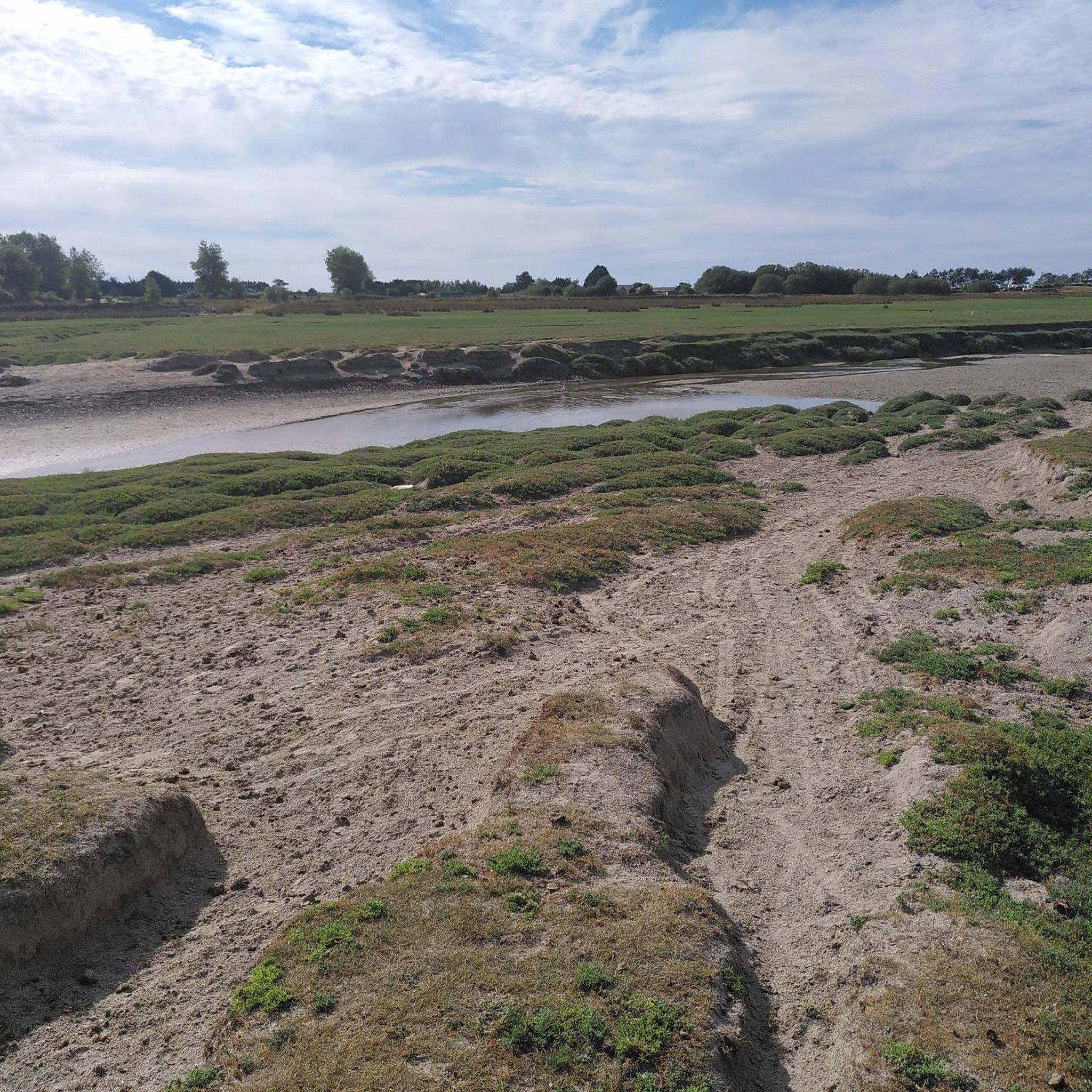
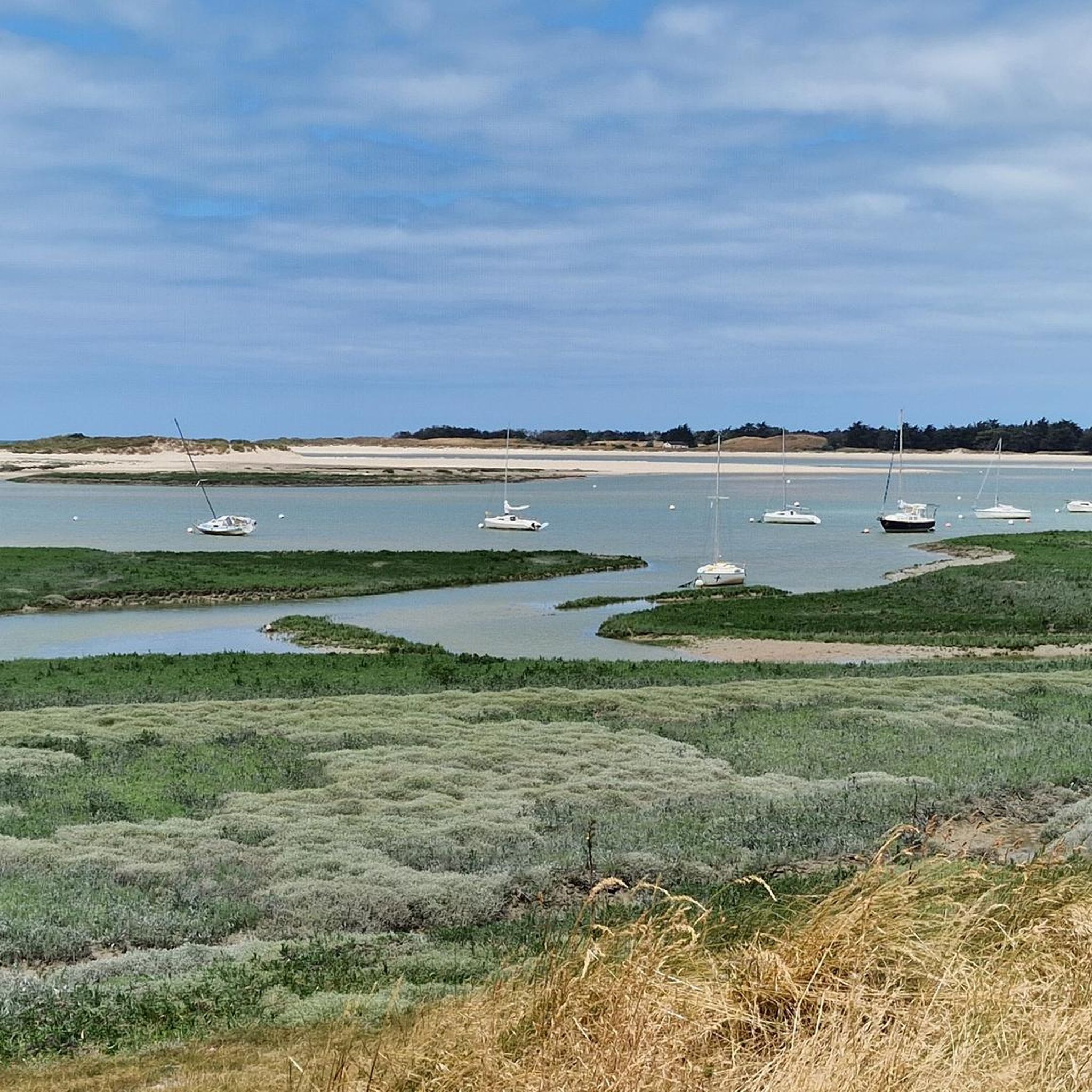
A small submersible road, sheep roaming free and salt meadows as far as the eye can see ... A must for nature lovers.
4
0

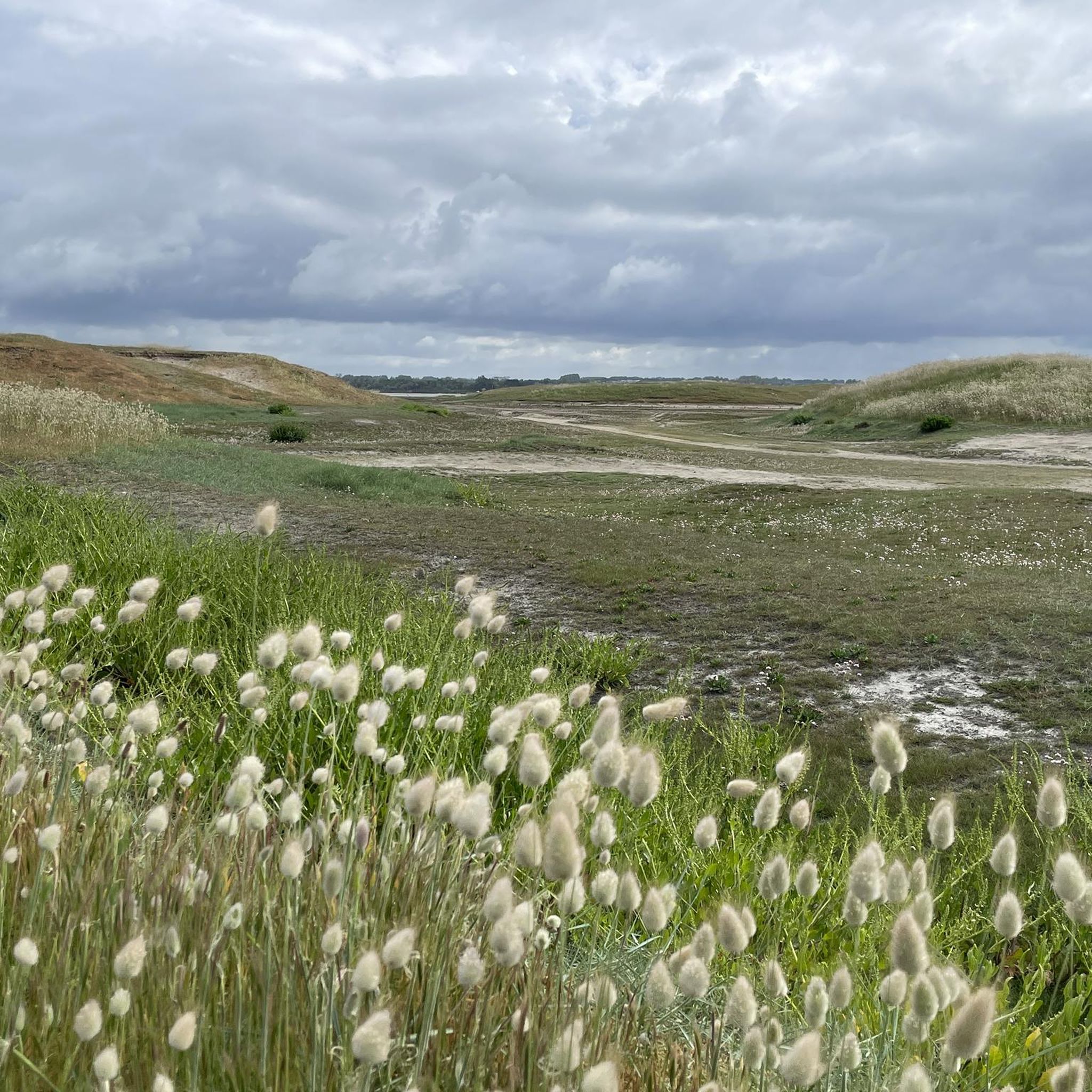
Salt marshes, wide strip of dunes, great beach with mussel and oyster farms that appear at low tide. Bathing at high tide, walks on the mudflat at low tide.
3
0
Founded in 1143 in the wooded Thar Valley, the Abbey of La Lucerne is a witness to Anglo-Norman architecture, between Romanesque and Gothic. Since 1959, for the third time in its history, this exceptional ensemble has benefited from remarkable preservation and restoration work to offer one of the most complete examples of medieval Premonstratensian architecture in France. Listed as a Historic Monument in 1928, the abbey strikes with the strength of its history led by passionate men. The emotion is born from the absolute simplicity of the architecture, its great luminosity and the preserved authenticity of its environment. Your entrance fees contribute to the preservation of the abbey by supporting the "Fondation Abbaye de La Lucerne d'Outremer", owner, which is in charge of its restoration, management and maintenance. Visitors can discover a 5-hectare monastic complex, preserved in its green setting on the edge of the forest: the Gatehouse and the courthouse, the church, the refectory, the cellars, the park crossed by an aqueduct, the abbey lodgings with the lake, the guest room and the dovecote. Source: https://www.manchetourisme.com
2
0
Frequently Asked Questions
What historical and cultural sites can I explore in and around Cérences?
Cérences and its surroundings are rich in history. You can visit the Abbaye de La Lucerne, a well-preserved monastic complex showcasing Anglo-Norman architecture. Within Cérences, the "Village Patrimoine" circuit highlights 12 historical, architectural, and industrial curiosities, including the Notre-Dame Church and the Moulin de la Chaussée. Nearby, the village of Bréville-sur-Mer features its own historic Notre-Dame Church and remarkable residences.
Are there any significant natural attractions near Cérences?
Yes, a prominent natural attraction is the Havre de la Vanlée. This classified natural heritage site is an estuary with salt meadows and salt flats, accessible via a submersible road during low tides. It's one of eight such havens along the west coast of the Cotentin peninsula, offering unique landscapes and opportunities to spot free-roaming sheep.
What kind of outdoor activities are available around Cérences?
The area around Cérences offers various outdoor activities. You can explore numerous hiking trails, with options ranging from easy to difficult, such as the 'Le havre de la Vanlée – Les Salines d'Amontville loop' or the 'Viewpoint over Gavray loop'. For cyclists, there are road cycling routes like the 'Hudimesnil pond – Manoir du Mesnil de Bas loop'. Runners can also find suitable trails, including the 'Running loop from Lengronne'. You can find more details on these activities in the dedicated guides for hiking, road cycling, and running around Cérences.
Are there family-friendly attractions in the Cérences area?
For families, the Abbaye de La Lucerne offers a spacious 5-hectare monastic complex with a park, which can be an engaging historical visit. Additionally, a short drive away near Granville, you'll find La Forêt des Elfes®, a natural adventure park with over 70 activities, including zip lines and monkey bridges, perfect for active family fun.
Where can I experience local heritage within Cérences itself?
Cérences is designated a "Village Patrimoine" (Heritage Village), offering a discovery circuit that highlights 12 remarkable historical, architectural, and industrial curiosities. This circuit includes points of interest like the Notre-Dame Church, the historic bell "Charlotte" in the town hall, the Moulin de la Chaussée, and the ancient washhouse of Lavoir de l'Hôtel au Roy, each with explanatory panels.
What is the <a href="https://www.komoot.com/highlight/1024389" target="_blank" rel="noopener">Abbaye de La Lucerne</a> known for?
The Abbaye de La Lucerne is renowned for being one of France's most complete examples of medieval Premonstratensian architecture. Founded in 1143, it beautifully blends Romanesque and Gothic styles within its 5-hectare monastic complex, which includes a church, refectory, cellars, and a park with an aqueduct.
What makes the <a href="https://www.komoot.com/highlight/1504382" target="_blank" rel="noopener">Havre de la Vanlée</a> unique?
The Havre de la Vanlée is unique for its dynamic coastal landscape, featuring salt meadows and salt flats that serve as an estuary for the Vanlée river. Its accessibility via a submersible road, which disappears during high tides, adds to its charm, as does the possibility of seeing sheep grazing freely in this natural heritage site.
Can I find Romanesque architecture in the churches around Cérences?
Yes, Romanesque architecture is a notable feature in the region. The Notre-Dame Church in Bréville-sur-Mer, dating from the second half of the 12th century, is a prime example. Its southern Romanesque portal and overall style reflect this historical period. The Saint Clair Church, built on the site of a Gallo-Roman villa, also has origins in the 12th or 13th century, showcasing early architectural styles.
What do visitors enjoy the most about the attractions around Cérences?
Visitors particularly appreciate the blend of historical preservation and natural beauty. The Abbaye de La Lucerne is praised for its well-preserved state and beautiful park. The Havre de la Vanlée is loved by nature enthusiasts for its unique salt marshes, wide dunes, and the chance to see free-roaming sheep. The overall appeal lies in discovering both significant man-made monuments and serene natural environments.
Are there any adventure parks for active fun near Cérences?
Yes, for those seeking active fun, La Forêt des Elfes® is located near Granville, a short drive from Cérences. This 100% natural adventure park offers a wide range of activities, including over 70 different challenges, 10 zip lines up to 26 meters high, a Tarzan jump, and various monkey bridges and net courses.
What are some unique historical features within Cérences itself?
Beyond the Notre-Dame Church, Cérences holds unique historical features such as "Charlotte," a historic bell from 1879 housed in the town hall's bell tower. You can also discover the Moulin de la Chaussée (mill on the causeway), a historic Michelin sign, and the Lavoir de l'Hôtel au Roy (washhouse), all part of the "Village Patrimoine" circuit that details the commune's past.
What is the best time to visit Cérences attractions?
While specific seasonal advice for all attractions isn't provided, the region of Normandy generally offers pleasant weather for exploring historical sites and natural landscapes from spring through early autumn (April to October). This period allows for comfortable walks and outdoor activities at sites like the Havre de la Vanlée and the Abbaye de La Lucerne.

Get inspired with the komoot mobile app


Explore more
Still not found the Highlight you’re looking for? See guides of the top attractions in other regions:
