Attractions and Places To See around Montigny - Top 18
Attractions and places to see around Montigny are primarily found in the Cher department of the Centre-Val de Loire region, offering a blend of historical sites and cultural heritage. This area is characterized by its rural landscape and significant architectural landmarks. Visitors can explore medieval castles, historic religious buildings, and villages renowned for traditional crafts. The region provides opportunities to discover local history and artistic traditions.
Best attractions and places to see around Montigny
- The most popular attractions is Pesselières Castle, a castle that dates from the 12th century and features a remarkable park. It includes a French-style garden with a 300-meter-long boxwood alley and a channel fed by two sources.
- Another must-see spot is La Borne, potters' village, a village known as a center for ceramic creation in France and internationally. Visitors can explore two museums dedicated to pottery, showcasing both traditional and contemporary works.
- Visitors also love Sainte-Madeleine Church of Jalognes, a Catholic religious building constructed in the 12th century. The church features a barrel-vaulted apse chapel, a nave, and aisles, with an interior adorned with sculptures, paintings, and stained glass windows.
- Montigny is known for its historical castles, religious buildings, and cultural villages. These attractions offer a variety of experiences for those interested in heritage and local traditions.
- The attractions around Montigny are appreciated by the komoot community, with 8 upvotes and 3 photos shared by visitors.
Last updated: July 7, 2026
La Borne, potters' village
Highlight • Other
La Borne being close to a large sandstone deposit, there are traces of this activity since the 12th century and it has continued to develop over time. In the 15th century, potters acquired mastery of cooking local clay. In the 17th century, the creation of the town of Henrichemont increased demand and concentrated the workshops in the hamlet, halfway between the quarries and the town. Then in the 19th century, at its peak, 21 workshops operated there.
Unlike many pottery villages, La Borne has been able to resist the new materials of the 20th century with the revival of pottery in the form of art.
Today, nearly 80 craftsmen and artists of twelve different nationalities work in the surrounding area and there are two museums in the village.
In the former Saint-Jean-Baptiste chapel, the Pottery Museum was created with a rather traditional and historical approach and in which we find works by renowned potters such as the Talbot family, Vassil Ivanoff and Jean Linard.
Then you will find the La Borne Contemporary Ceramic Center which has occupied the village's former girls' school since 1971 as well as a glass gallery more than 600 meters long inaugurated in 2010.
Every year around October you can participate in the Grands Feux, an event allowing you to discover how the hamlet's wood-fired ovens work.
Translated by Google •
Tip by

Pesselières Castle
Highlight • Castle
Translated by Google •
Tip by

Sign up now to discover places like this
Get recommendations on the best single tracks, peaks, & plenty of other exciting outdoor places.
Sign up for free
Saint-Aignan Church of Veaugues
Highlight • Religious Site
The current church was built in the 19th century, on the ruins of an old 12th century church. It was designed by the architect Leclère, in a neo-Gothic style.
The Saint-Aignan church is a masterpiece of neo-Gothic architecture. It is built in cut stone, and has an imposing façade with two twin towers. The interior of the church is also remarkable, with its Gothic vaults, stained glass windows and sculptures.
The Saint-Aignan church is unique in its kind by the presence of a tribune organ from 1889, built by the Aristide Cavaillé-Coll factory. This organ is considered one of the most beautiful in Europe
Translated by Google •
Tip by

Sainte-Madeleine Church of Jalognes
Highlight • Religious Site
The church is built of limestone rubble and consists of a barrel-vaulted apse chapel, closed by a cul-de-four vault, a barrel-vaulted nave and aisles, with doubleaux for the central nave, and a choir surrounded by an ambulatory. Arcades, supported by columns with capitals sculpted with foliage, separate the three naves.
The interior of the church is also remarkable. You can admire decorative elements such as sculptures, paintings and stained glass windows. The choir is decorated with a gilded wooden altarpiece, which represents the life of Saint Madeleine.
The Sainte-Madeleine church is a place of worship, but it is also a very interesting place to visit for history and architecture lovers. It is open to the public every day of the week, from 9 a.m. to 7 p.m. If you are passing through the region, do not hesitate to come and discover it!
Translated by Google •
Tip by
Trail above Morue🤗
Highlight (Segment) • Other
Translated by Google •
Tip by

Sign up for free to discover even more attractions around Montigny.
Sign up for free
Already have an account?
Start today with a free account
Your next adventure awaits.
Login or Signup
Tips from the Community

The Saint-Aignan church in Veaugues is a Catholic church located in the Cher department, in the Centre-Val de Loire region. It is dedicated to Saint Aignan, bishop of Orléans in the 5th century. The current church was built in the 19th century, on the ruins of an old 12th century church. It was designed by the architect Leclère, in a neo-Gothic style. The Saint-Aignan church is a masterpiece of neo-Gothic architecture. It is built in cut stone, and has an imposing façade with two twin towers. The interior of the church is also remarkable, with its Gothic vaults, stained glass windows and sculptures. The Saint-Aignan church is unique in its kind by the presence of a tribune organ from 1889, built by the Aristide Cavaillé-Coll factory. This organ is considered one of the most beautiful in Europe
0
0
The Sainte-Madeleine church in Jalognes is a Catholic religious building located in the Cher department, in the Centre-Val de Loire region. It was built in the 12th century, but was completely rebuilt and enlarged by the architect Charles Guillard in 1864, incorporating part of the 12th century nave. The church is built of limestone rubble and consists of a barrel-vaulted apse chapel, closed by a cul-de-four vault, a barrel-vaulted nave and aisles, with doubleaux for the central nave, and a choir surrounded by an ambulatory. Arcades, supported by columns with capitals sculpted with foliage, separate the three naves. The interior of the church is also remarkable. You can admire decorative elements such as sculptures, paintings and stained glass windows. The choir is decorated with a gilded wooden altarpiece, which represents the life of Saint Madeleine. The Sainte-Madeleine church is a place of worship, but it is also a very interesting place to visit for history and architecture lovers. It is open to the public every day of the week, from 9 a.m. to 7 p.m. If you are passing through the region, do not hesitate to come and discover it!
0
0

If you are a ceramist or an enlightened pottery lover, La Borne will surely mean something to you. Indeed, this village is a mecca for ceramic creation in France and internationally. La Borne being close to a large sandstone deposit, there are traces of this activity since the 12th century and it has continued to develop over time. In the 15th century, potters acquired mastery of cooking local clay. In the 17th century, the creation of the town of Henrichemont increased demand and concentrated the workshops in the hamlet, halfway between the quarries and the town. Then in the 19th century, at its peak, 21 workshops operated there. Unlike many pottery villages, La Borne has been able to resist the new materials of the 20th century with the revival of pottery in the form of art. Today, nearly 80 craftsmen and artists of twelve different nationalities work in the surrounding area and there are two museums in the village. In the former Saint-Jean-Baptiste chapel, the Pottery Museum was created with a rather traditional and historical approach and in which we find works by renowned potters such as the Talbot family, Vassil Ivanoff and Jean Linard. Then you will find the La Borne Contemporary Ceramic Center which has occupied the village's former girls' school since 1971 as well as a glass gallery more than 600 meters long inaugurated in 2010. Every year around October you can participate in the Grands Feux, an event allowing you to discover how the hamlet's wood-fired ovens work.
0
0

You have to take a few moments before to admire the Morue pond which is really magnificent
0
0

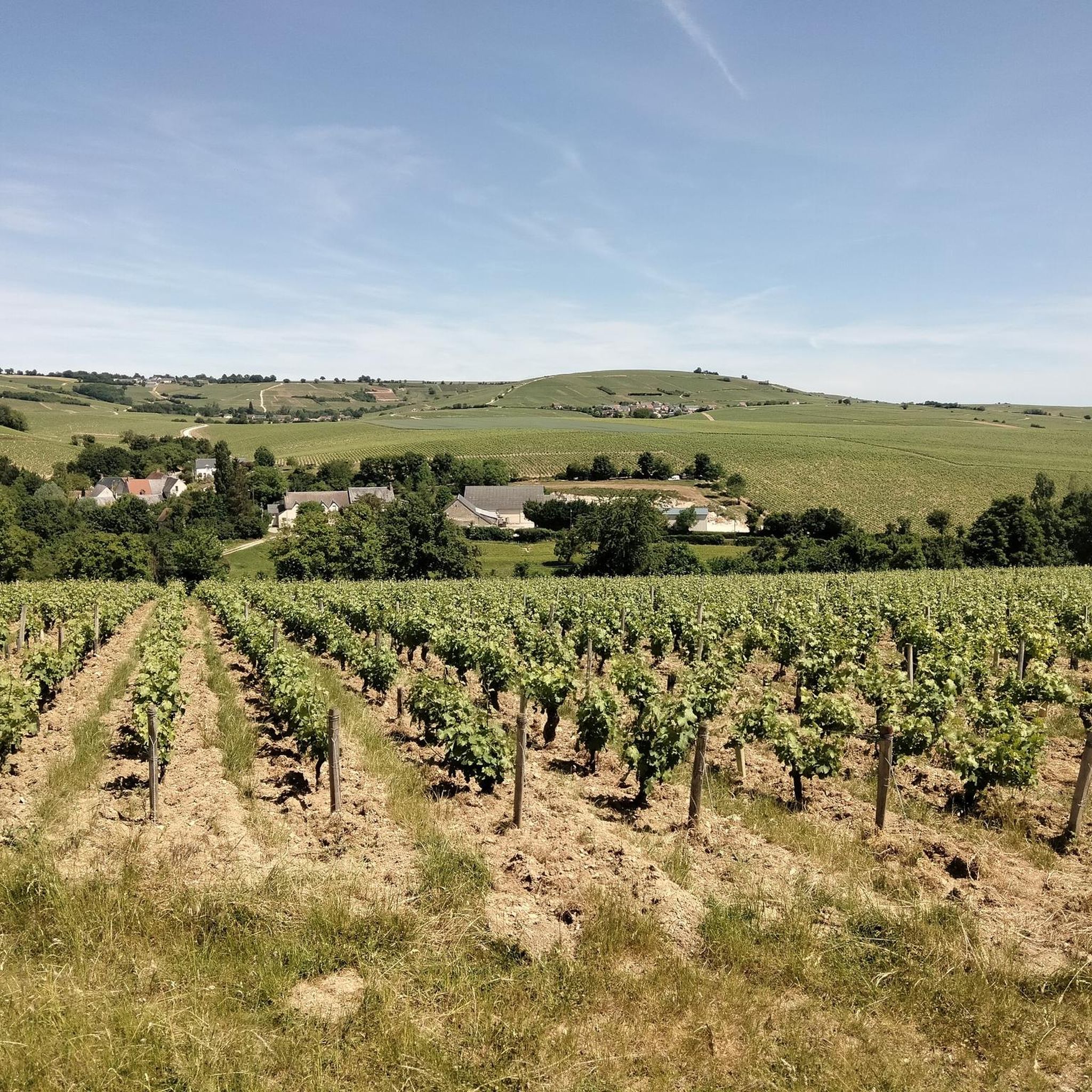
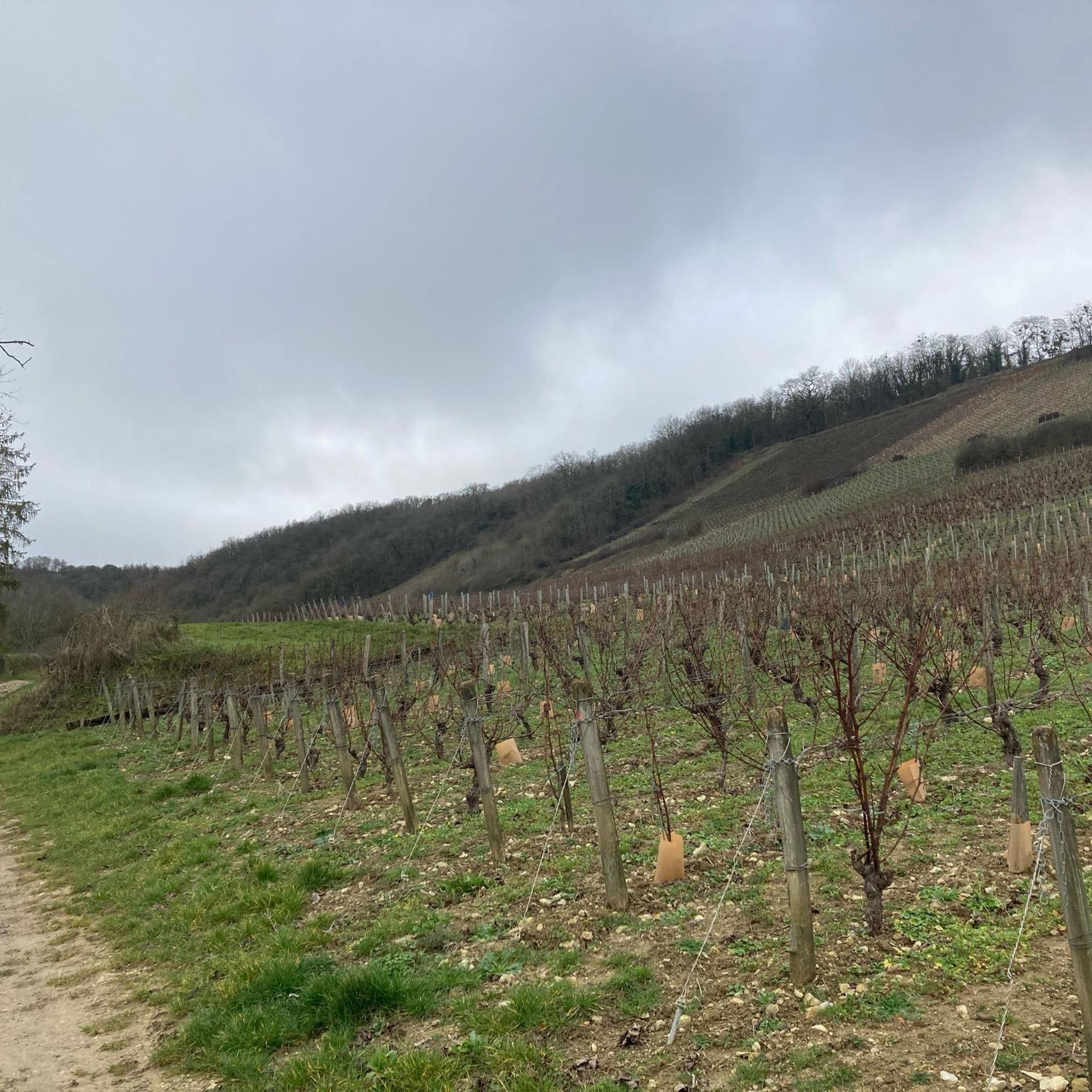
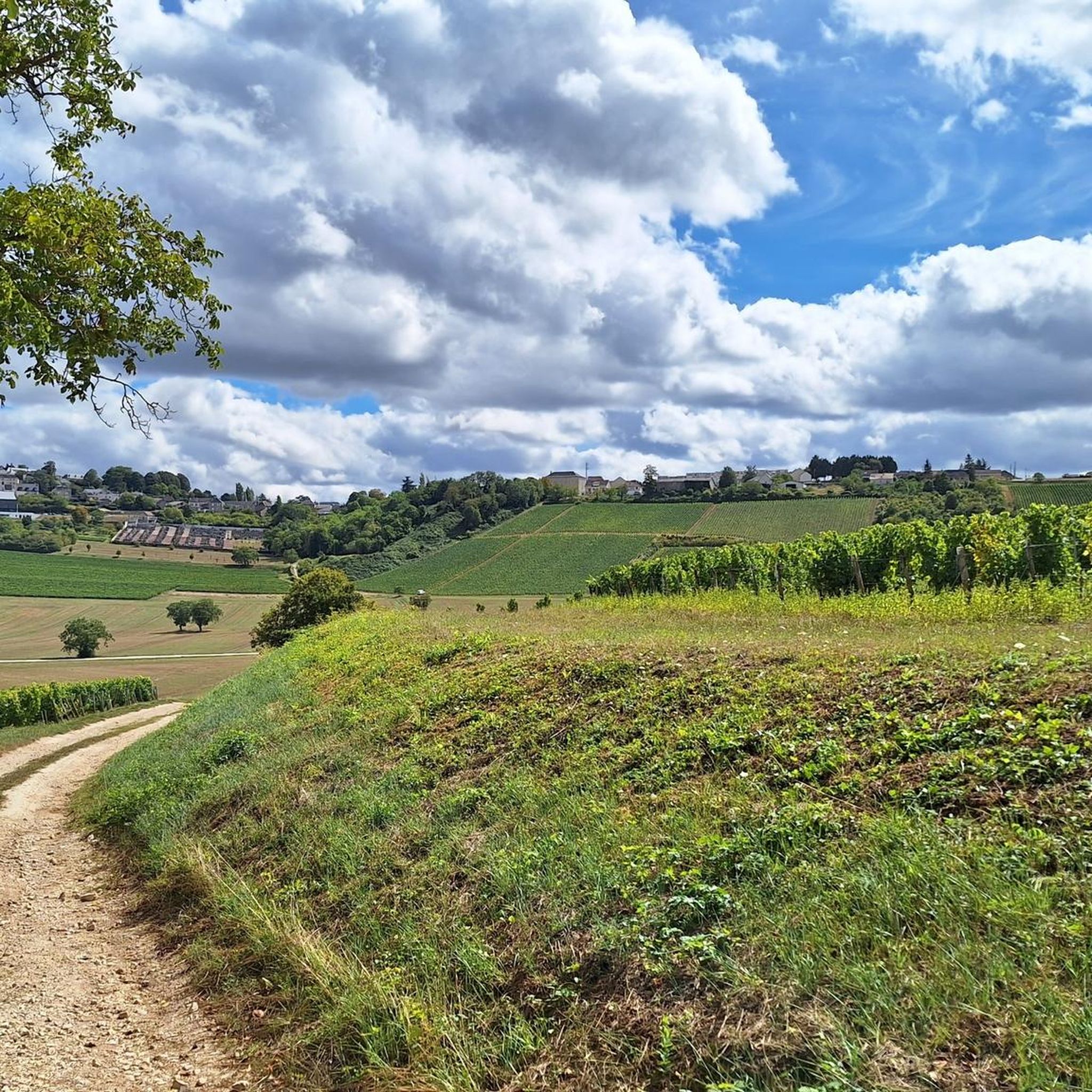
This path which follows the GR31 offers a part on flint which rolls under the wheels then the path becomes rolling to end with a ford (if you want to wet the wheels) on the Pré au Merle stream.
1
0

Stop at the mill, the traditional oil mill, very warm welcome and you can have a drink in the fridge
2
0

Dating from the 12th century, the castle of Pesselières is of Medieval type and includes a remarkable park. Indeed, the French-style garden consists of a 300-meter-long three-hundred-year-old boxwood alley, a channel fed by two sources. A hundred trees of remarkable species were planted in 2009, and the park received the Remarkable Garden label in 2013. The castle can be visited for € 8. More information: https://www.chateau-pesselieres.com/ and http://www.pesselieres.com/
3
0
Frequently Asked Questions
What historical sites can I visit around Montigny?
Montigny, located in the Cher department, offers a rich historical heritage. You can explore Pesselières Castle, a 12th-century medieval castle featuring a remarkable French-style garden with a 300-meter-long boxwood alley. Another significant historical site is the Sainte-Madeleine Church of Jalognes, a Catholic religious building constructed in the 12th century, known for its barrel-vaulted apse chapel and interior adorned with sculptures, paintings, and stained glass windows.
Are there any cultural attractions or unique villages to explore near Montigny?
Yes, a notable cultural attraction is La Borne, potters' village. This village is internationally recognized as a center for ceramic creation. Visitors can explore two museums dedicated to pottery, showcasing both traditional and contemporary works. The village also hosts the annual Grands Feux event around October, demonstrating wood-fired oven techniques.
What kind of outdoor activities, like cycling or mountain biking, are available near Montigny?
The area around Montigny offers various outdoor activities. For cycling, you can find routes like the "Château de Pesselières — loop from Montigny" or the longer "Loire Castles and Canal Loop." Mountain biking enthusiasts can explore trails such as the "Sancerre's main square – Single à travers bois Sancerre loop from Veaugues" or the "Tranchée de la Vallée🤗 – The Cathedral of Potteries loop from Morogues." You can find more details and routes in the Cycling around Montigny and MTB Trails around Montigny guides.
Are there hiking or running trails around Montigny?
Yes, there are several trails for hiking and running. One option is the Trail above Morue🤗, which follows part of the GR31 and offers scenic views of the Morue pond. For runners, there are various loops available, including a "Running loop from Neuilly-en-Sancerre" and a "Running loop from Morogues." Detailed routes and information can be found in the Running Trails around Montigny guide.
What are the natural features or green spaces to enjoy in the Montigny area?
While the guide focuses on historical and cultural sites, the region is characterized by its rural landscape. Pesselières Castle boasts a remarkable French-style garden with a 300-meter-long boxwood alley and a channel fed by two sources. The Trail above Morue🤗 offers views of the magnificent Morue pond, providing a tranquil natural setting.
What do visitors particularly enjoy about the attractions around Montigny?
Visitors appreciate the blend of historical depth and cultural richness. For instance, the traditional oil mill near Pesselières Castle is noted for its warm welcome. At La Borne, potters' village, ceramists and pottery lovers enjoy the village's status as a mecca for ceramic creation and the opportunity to see wood-fired ovens in action during the Grands Feux event.
Are there any family-friendly attractions in the Montigny area?
The Sainte-Madeleine Church of Jalognes is categorized as family-friendly, offering an interesting historical and architectural visit for all ages. Exploring the unique craft village of La Borne, potters' village, with its museums and artisan workshops, can also be an engaging experience for families.
What is the best time to visit Montigny and its attractions?
The region's attractions, including historical castles and cultural villages, can be enjoyed throughout much of the year. For outdoor activities like cycling and hiking, spring and autumn generally offer pleasant weather. If you're interested in the ceramic traditions of La Borne, potters' village, consider visiting around October to experience the annual Grands Feux event.
Can I find trails with varying difficulty levels for outdoor activities near Montigny?
Yes, the nearby routes offer a range of difficulty levels. For cycling, you can find moderate routes like the "Château de Pesselières — loop from Montigny" or more difficult options such as the "Loire Castles and Canal Loop." Mountain biking trails also vary, with moderate options like the "Sancerre's main square – Single à travers bois Sancerre loop from Veaugues." Running trails include moderate and difficult options, ensuring something for different fitness levels.
Are there any specific architectural landmarks to see in Montigny?
Beyond the historical structures, the Sainte-Madeleine Church of Jalognes is a notable architectural landmark. Originally built in the 12th century and later rebuilt and enlarged in 1864, it features a distinctive barrel-vaulted apse chapel and an interior with arcades supported by columns with sculpted capitals.
Where can I find more information about the specific routes for cycling, MTB, or running?
For detailed information on cycling routes, including distances and difficulty, please refer to the Cycling around Montigny guide. For mountain biking, the MTB Trails around Montigny guide provides options. Running enthusiasts can find suitable trails in the Running Trails around Montigny guide.

Get inspired with the komoot mobile app


Explore more
Still not found the Highlight you’re looking for? See guides of the top attractions in other regions:
