Attractions and Places To See around Teurthéville-Bocage - Top 20
Best attractions and places to see around Teurthéville-Bocage is a commune in the Manche department of Normandy, France. The region is characterized by its "bocage" landscape, featuring small fields, hedgerows, and scattered woodlands. It offers a combination of historical landmarks, such as châteaux and fortified farms, and natural features like the Saire river and its waterfall. This area provides diverse sites for exploration, appealing to those interested in history, architecture, and outdoor activities.
Best attractions and places to see around…
Last updated: July 6, 2026
Mouth of the Saire
Highlight • Other
Translated by Google •
Tip by

Ravalets Castle
Highlight • Castle
Translated by Google •
Tip by

Sign up now to discover places like this
Get recommendations on the best single tracks, peaks, & plenty of other exciting outdoor places.
Sign up for free
Fort of Cap Lévi
Highlight • Monument
Translated by Google •
Tip by

Fort of La Hougue
Highlight • Castle
Tip by

Waterfall on the Saire at Le Vast
Highlight • Waterfall
Translated by Google •
Tip by

Sign up for free to discover even more attractions around Teurthéville-Bocage.
Sign up for free
Already have an account?
Start today with a free account
Your next adventure awaits.
Login or Signup
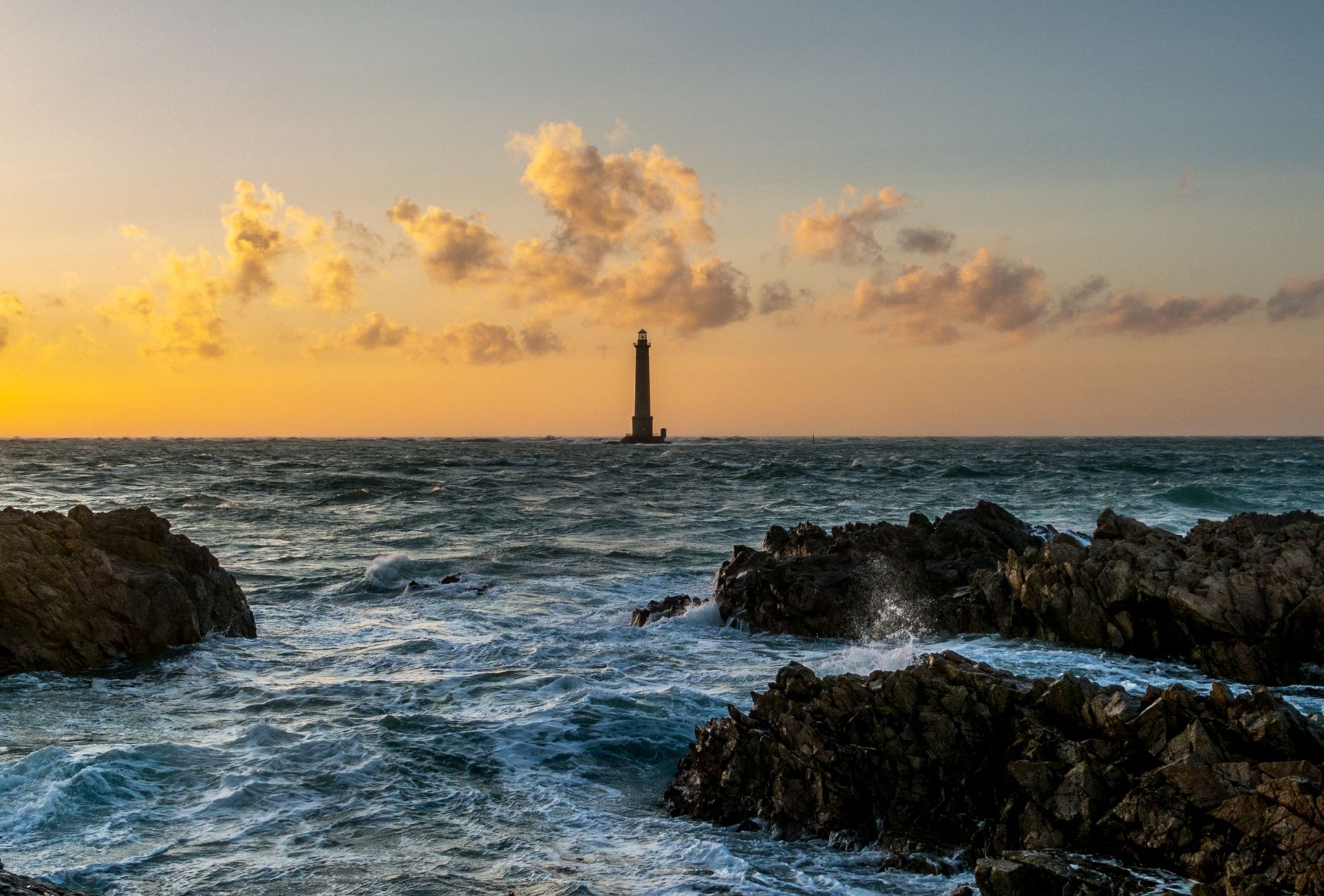
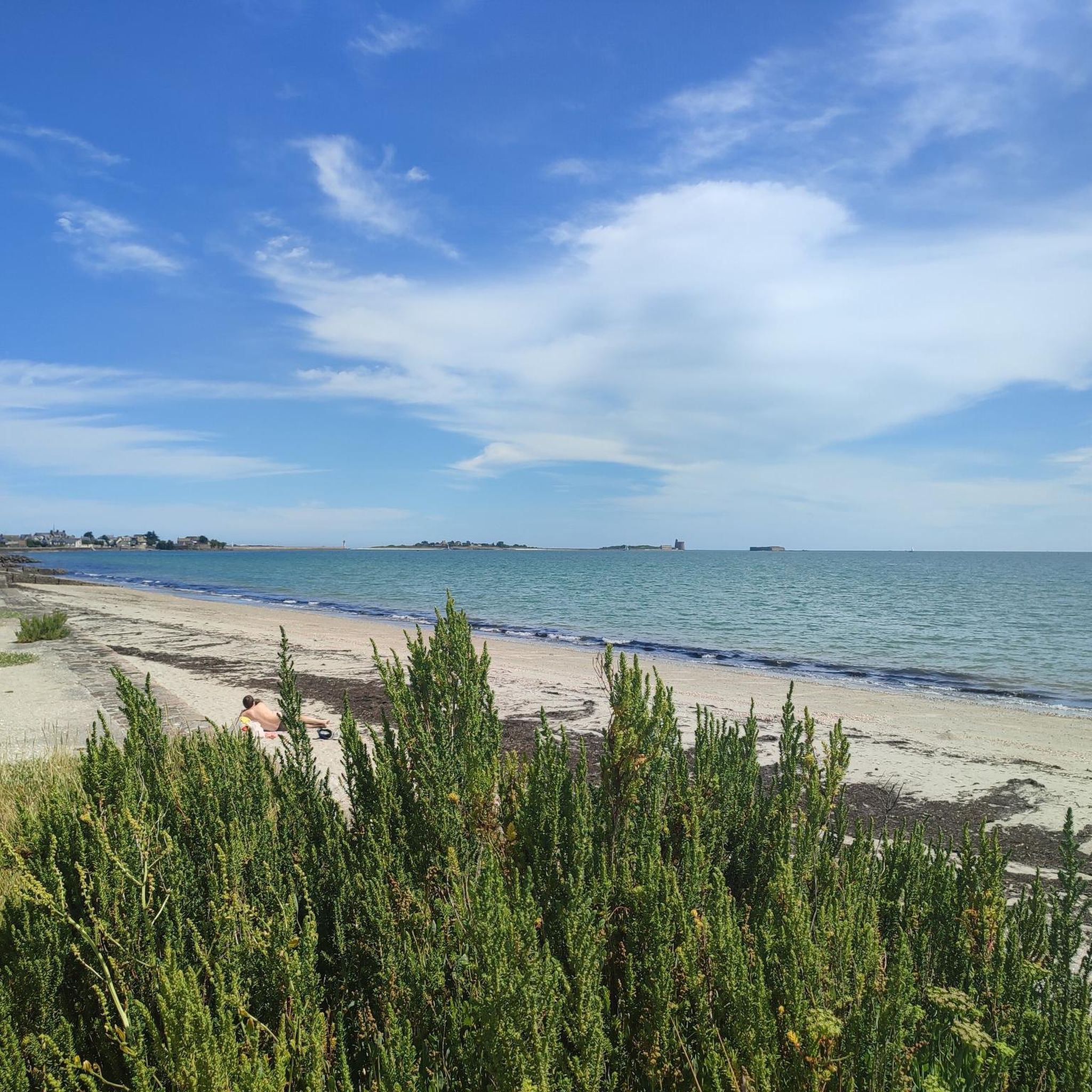
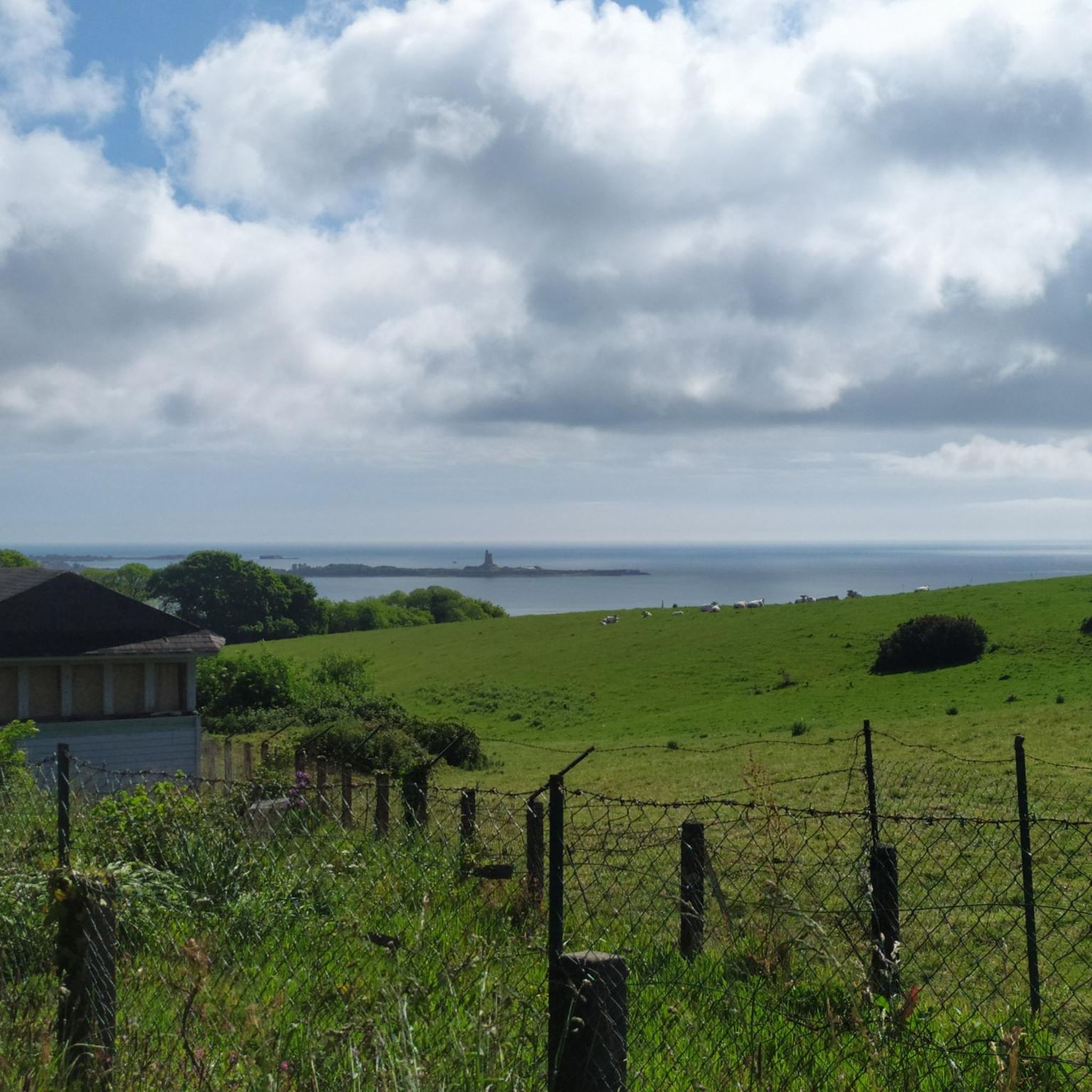
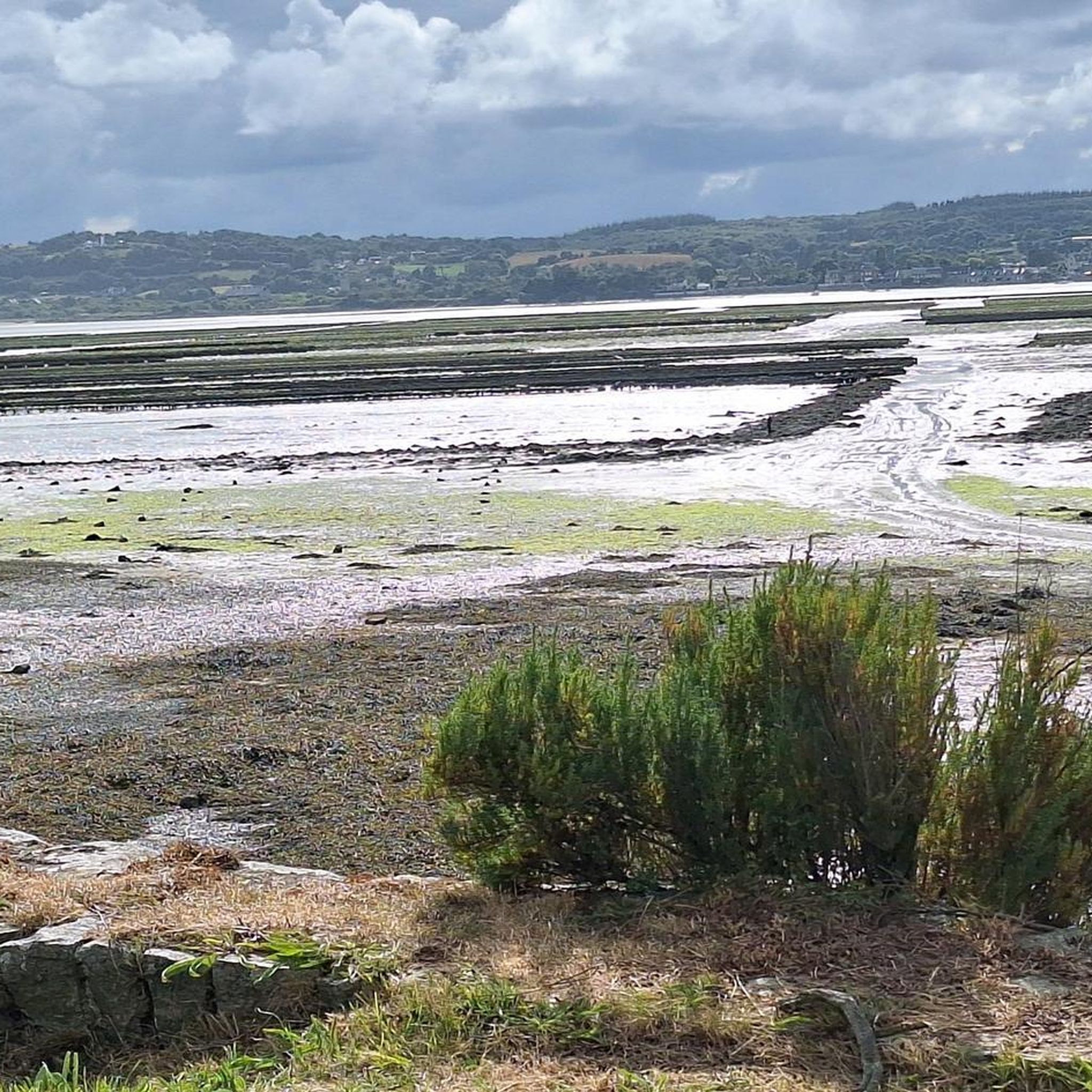
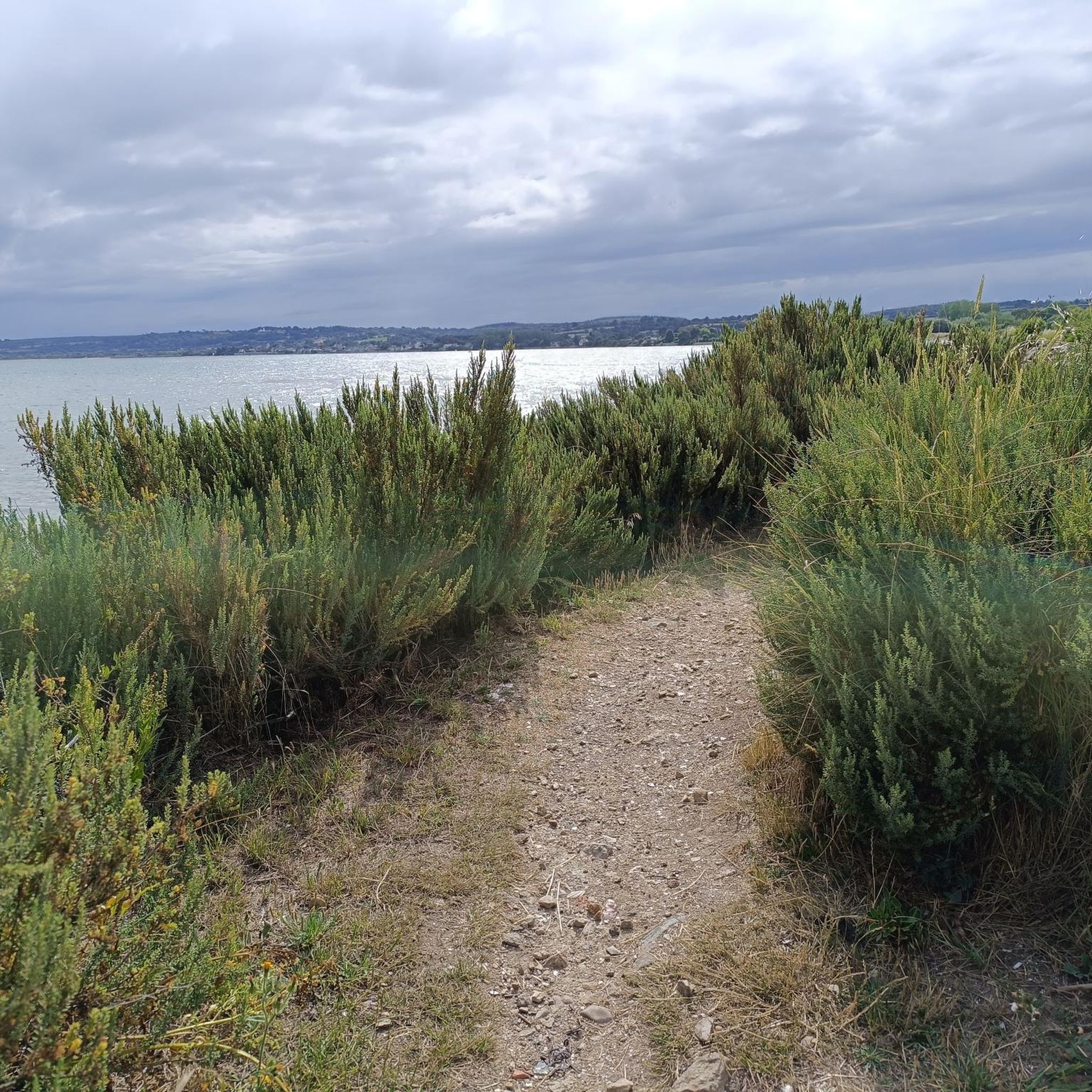
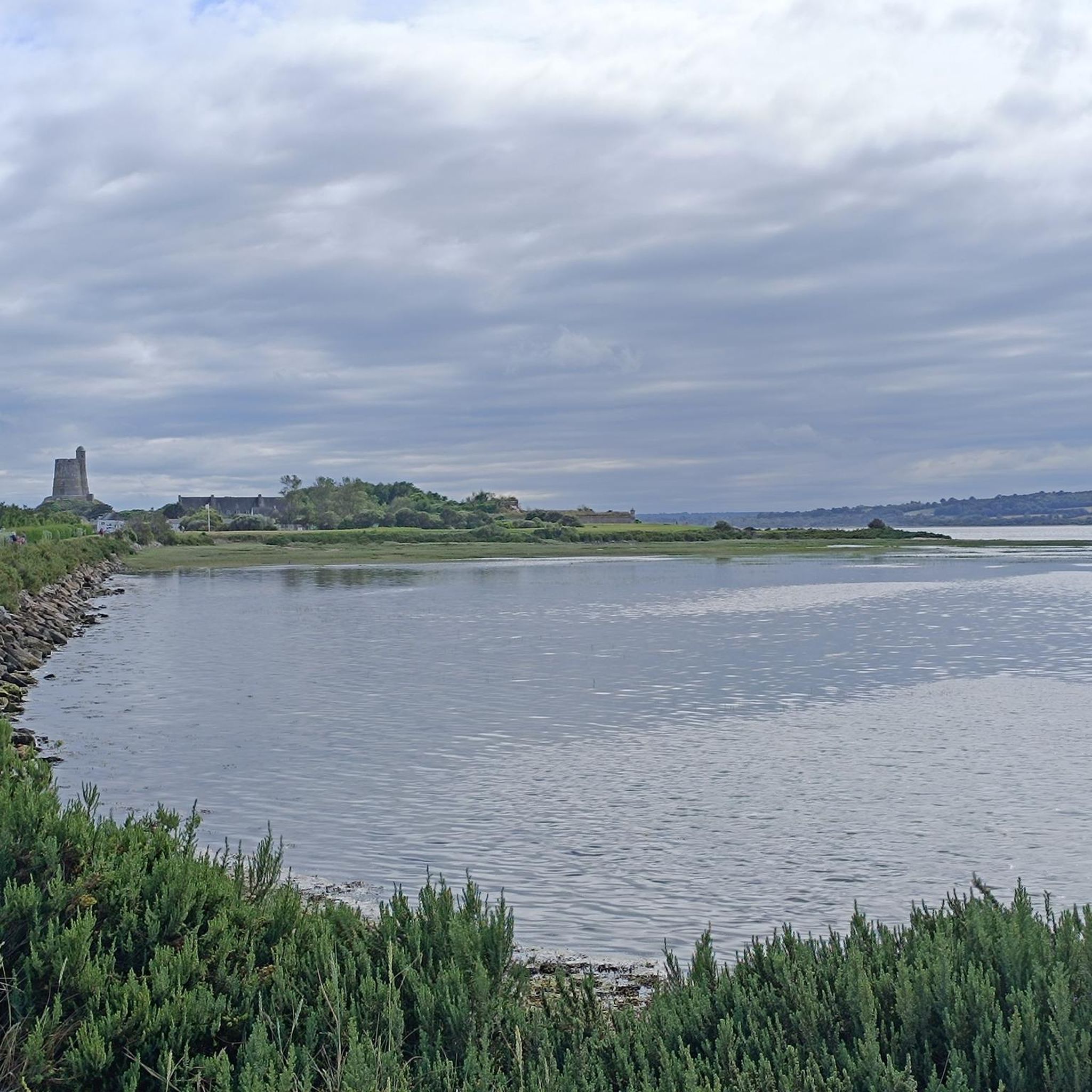
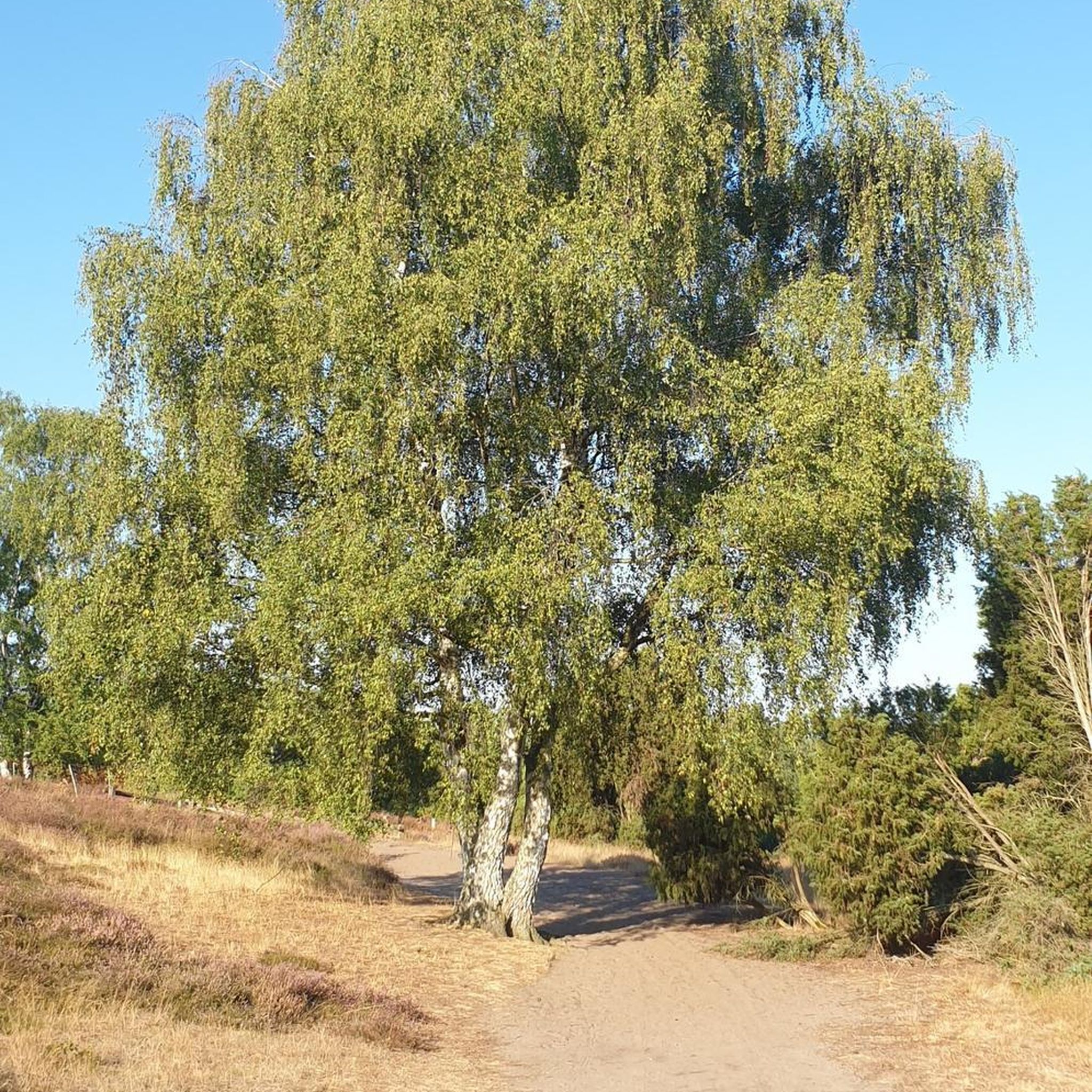
Other adventures around Teurthéville-Bocage

Tips from the Community

magnificent castle near Cherbourg
0
0

The hike is beautiful and safe. Except for one major drawback: if you have a dog, be careful because there are several farm properties with dogs running free!! There is a waterfall at the end of the hike.
1
0

A very beautiful castle to admire from all sides.
0
0
Magnificent tour. Not to be missed. Battery well charged. We loved it.
0
0

Free to visit, there are some information boards inside and you can park here and even spend the night. Great view.
0
0

Why visit Fort de La Hougue? History and Heritage: The fort is a crucial witness to French military history and an exceptional example of Vauban's genius, offering a fascinating dive into the past. Magnificent Landscapes: The fort offers sublime panoramic views of the sea and coastal landscapes, making the visit a moment of relaxation as much as discovery. Cultural Activities: The exhibitions and events organized at the fort enrich the visit by offering varied perspectives on local history and fortifications. In summary, Fort de La Hougue is a must-see site for lovers of history, military architecture, and beautiful landscapes. It combines culture, nature, and heritage in a unique setting in Normandy.
1
0
Fort de La Hougue is a remarkable historical site located in Saint-Vaast-la-Hougue, on the east coast of the Cotentin Peninsula, Normandy. This fort is one of two defensive works designed by the military engineer Vauban in the 17th century, the other being the fort of Tatihou, located on a neighboring island. Together, these fortifications have been classified as a UNESCO World Heritage Site since 2008 as an example of Vauban's military engineering. Points of Interest: Architecture and Military History: Fort de La Hougue was built between 1694 and 1699 on the orders of Louis XIV, following the French defeat at the Battle of La Hougue in 1692. This fort is a classic example of bastion fortifications, with thick walls, casemates, and a complex network of defenses designed to resist attacks from the sea. The 20-metre-high La Hougue Tower is the most emblematic element of the fort. This tower served as both an observation point and a last refuge in the event of an attack. UNESCO Heritage: The Fort de La Hougue is recognised by UNESCO as a masterpiece of Vauban's military engineering. This classification highlights the importance of the site in French and world military history, as well as the exceptional value of its architecture. A visit to this site allows you to better understand the defence techniques of the time and to appreciate Vauban's ingenuity in designing fortifications. Activities and Access: The fort is accessible on foot from Saint-Vaast-la-Hougue, and it is surrounded by coastal paths offering beautiful walks along the sea. These walks also allow you to discover the local flora and fauna. The nearby island of Tatihou can be reached by boat at high tide or on foot at low tide, offering a complementary excursion to explore another side of Vauban's fortifications.
1
0
The Cascade de la Saire in Vast is an enchanting natural site located in the Manche department of Normandy. Nestled in the Val de Saire, this waterfall is a hidden gem that attracts nature lovers and hikers. Points of Interest: Natural Beauty: The waterfall is formed by the Saire River that flows through the village of Vast. It is characterized by a picturesque waterfall that descends over several levels of rocks, creating a soothing spectacle of lapping and greenery. The setting around the waterfall is particularly bucolic, with dense and lush vegetation surrounding the site, offering a true haven of peace. Peaceful Ambiance: The Cascade de la Saire is an ideal place to relax and enjoy the tranquility of nature. The soothing sound of flowing water and the serene atmosphere make it a perfect place for a meditative break or a picnic in the great outdoors. It is a popular site for photographers and artists who come to capture the natural beauty of the region. Why visit the Cascade de la Saire in Vast? Bucolic Setting: This is a perfect place for those looking for tranquility and natural beauty, far from the noise and bustle of big cities. Easy Access: The waterfall is easily accessible, making it an ideal destination for a nature outing, whether for a hike, a picnic, or simply a relaxing stroll. Landscape Richness: The waterfall and its surroundings offer a typically Norman landscape, with meadows, woods, and rivers that will delight nature and photography lovers. In summary, the Cascade de la Saire in Vast is a small natural treasure in Normandy, offering a peaceful and picturesque getaway in a green and serene setting. It is an ideal destination for nature lovers and those who wish to discover the authentic charm of the Val de Saire.
1
0
Frequently Asked Questions
What natural features can I explore around Teurthéville-Bocage?
The region offers a beautiful blend of natural landscapes. You can discover the picturesque Waterfall on the Saire at Le Vast, which is set amidst meadows and woods. The entire Val de Saire, particularly the Mouth of the Saire, is known for its dense forests and charming river scenery. The area is also characterized by its unique 'bocage' landscape of hedgerows and scattered woodlands, perfect for nature enthusiasts.
Are there historical castles or manors to visit in the area?
Yes, the region is rich in historical architecture. The magnificent Ravalets Castle (Château de Tourlaville), a 16th-century French Renaissance masterpiece, is a must-see. Teurthéville-Bocage itself has a château dating from the 16th to 19th centuries, and you can also find ancient manors like the 13th-century Manoir d'Inthéville and the fortified farm 'La Vacquerie'.
What significant historical fortifications are near Teurthéville-Bocage?
You can visit the impressive Fort of La Hougue, a UNESCO World Heritage site built by Vauban in 1694, offering insights into 17th-century military architecture. Another notable site is the Fort of Cap Lévi, a 19th-century Napoleonic fortress that has been adapted for accommodation.
What outdoor activities can I do near these attractions?
The 'bocage' landscape around Teurthéville-Bocage is ideal for outdoor activities. Hiking is very popular, with numerous trails catering to various skill levels. You can also find excellent cycling routes. For specific cycling tours, explore options like the 'La Hougue Dike – Saint-Vaast-la-Hougue loop' or the 'Mouth of the Saire – Saint-Vaast-la-Hougue loop' on the Cycling around Teurthéville-Bocage guide. For running, consider routes such as 'La Saire – View of Tatihou Island loop' or 'Port of Saint-Vaast-la-Hougue loop' from the Running Trails around Teurthéville-Bocage guide.
Are there family-friendly attractions around Teurthéville-Bocage?
Absolutely! Many attractions are suitable for families. The Ravalets Castle offers beautiful grounds to explore. The Waterfall on the Saire at Le Vast is a lovely spot for a family outing. For more diverse experiences, consider a short drive to the Parc Animalier Saint Martin or the Airborne Museum in Sainte-Mère-Église.
What is the best time of year to visit Teurthéville-Bocage for outdoor activities?
The mild climate of the Val de Saire makes it pleasant for outdoor activities for much of the year. Spring and summer are ideal for hiking and cycling, with lush landscapes and comfortable temperatures. The 'bocage' scenery is particularly vibrant during these seasons.
Can I find viewpoints to enjoy scenic panoramas?
Yes, the region offers several scenic viewpoints. The Fort of La Hougue provides excellent views of the coast and surrounding area. From the lock bridge over the Saire, you can enjoy a beautiful panorama of the river's estuary, with the water appearing wonderfully turquoise green depending on the light.
Are there any World War II historical sites nearby?
While Teurthéville-Bocage itself is not a primary WWII site, the wider region of Normandy is historically significant. You can visit the Airborne Museum in Sainte-Mère-Église or the World War II Museum in Quinéville for a deeper understanding of the events in the area during that period. The Stèle la Pergée near La Cascade also commemorates RAF airmen shot down in 1940.
What are some lesser-known historical gems in the area?
Beyond the main castles, explore the 13th-century Manoir d'Inthéville, partially inscribed as a historical monument, with its facades, roofs, and defense tower. The 'Maison de Teurthéville' in Bertheauville is also one of the oldest houses in the commune, with origins possibly dating back to the 12th or 13th centuries, offering a glimpse into the region's deep past.
Are there opportunities for gravel biking around Teurthéville-Bocage?
Yes, the varied terrain of the region is well-suited for gravel biking. You can find several routes, including longer excursions like the 'Anse du Brick – View from Pied Sablon to Cap Levi loop' or the 'Canal de Carentan – Ravalet Castle loop'. More options are available on the Gravel biking around Teurthéville-Bocage guide.
What kind of coastal natural areas can I visit if I venture a bit further?
For those willing to explore beyond the immediate vicinity, the dramatic landscapes of Cap Lévi, Baie de Sallenelles, the Dunes de Biville, Cap de Carteret, and Cap de la Hague offer stunning coastal hikes and breathtaking natural beauty. These areas provide a different perspective of Normandy's diverse environment.
Most popular routes around Teurthéville-Bocage
Most popular attractions around Teurthéville-Bocage

Get inspired with the komoot mobile app


Explore more
Still not found the Highlight you’re looking for? See guides of the top attractions in other regions:
