Attractions and Places To See around Cargèse - Top 20
Best attractions and places to see around Cargèse include a blend of cultural heritage and natural beauty on Corsica's west coast. The village is known for its history of Greek colonization and its position overlooking the Gulf of Sagone. Visitors can explore historical landmarks, cultural sites, and diverse natural landscapes. The region offers a variety of attractions, from dramatic red granite headlands to historical towers and clear-water beaches.
Best attractions and places to see around Cargèse
- The most popular attractions is Piana Calanques via the Old Mule Track, a gorge that features bizarre rocky landscapes. This World Natural Heritage site requires security and attention due to the path on many stones and rocks.
- Another must-see spot is Capu d'Orto, a summit overlooking the Calanques de Piana. At the summit, visitors are rewarded with a magnificent 360-degree panoramic view of the coast and the Gulf of Porto.
- Visitors also love Calanques of Piana, a gorge where the beauty of the rocks and the road itself create a notable experience. These awe-inspiring rock formations of red granite plunge into the Mediterranean.
- Cargèse is known for Genoese towers, historical landmarks, and natural landscapes. The area offers a variety of sites, from ancient defensive structures to coastal views and unique rock formations.
- The attractions around Cargèse are appreciated by the komoot community, with more than 460 upvotes and over 520 photos shared.
Last updated: October 9, 2026
Piana Calanques via the Old Mule Track
Highlight (Segment) • Gorge
Translated by Google •
Tip by

Capu d'Orto
Highlight • Summit
Translated by Google •
Tip by

Sign up now to discover places like this
Get recommendations on the best single tracks, peaks, & plenty of other exciting outdoor places.
Turghiu Tower
Highlight • Historical Site
Translated by Google •
Tip by

Heart of Piana
Highlight • Other
Translated by Google •
Tip by

Orchinu Tower
Highlight • Viewpoint
Its construction was financed in 1505 by the pieves of Paomia, Revinda and Salona: the four towers of Paomia (today Cargèse), Orchinu, Omigna and Capu Rossu communicated with each other to warn the local populations of the arrival of Barbary ships.
The cliffs and rocky environments of Orchinu Point are home to the nests of many species of birds: the large osprey and the fast peregrine falcon, the tireless pale swift, with its incessant flight, the delicate rock swallow, the cormorant Mediterranean crested.
It was in the Gulf of Chiuni, at the foot of Orchinu, that the submarine Casabianda made its first delivery of weapons (and men) to the Corsican resistance, on the night of December 14 to 15, 1942: the numerous support actions of this submarine were a determining element for the liberation of Corsica in 1943.
Translated by Google •
Tip by

Sign up for free to discover even more attractions around Cargèse.
Already have an account?
Start today with a free account
Your next adventure awaits.


Tips from the Community

One of the top highlights, the rock formations with the heart, of Piana
1
0


You definitely have to see it.
2
0
Old Genoese tower as the central destination of the hike.
0
0

To be done by bike or on foot to enjoy all the views and the shapes of the rocks but outside the busiest times because it can be dangerous
0
1

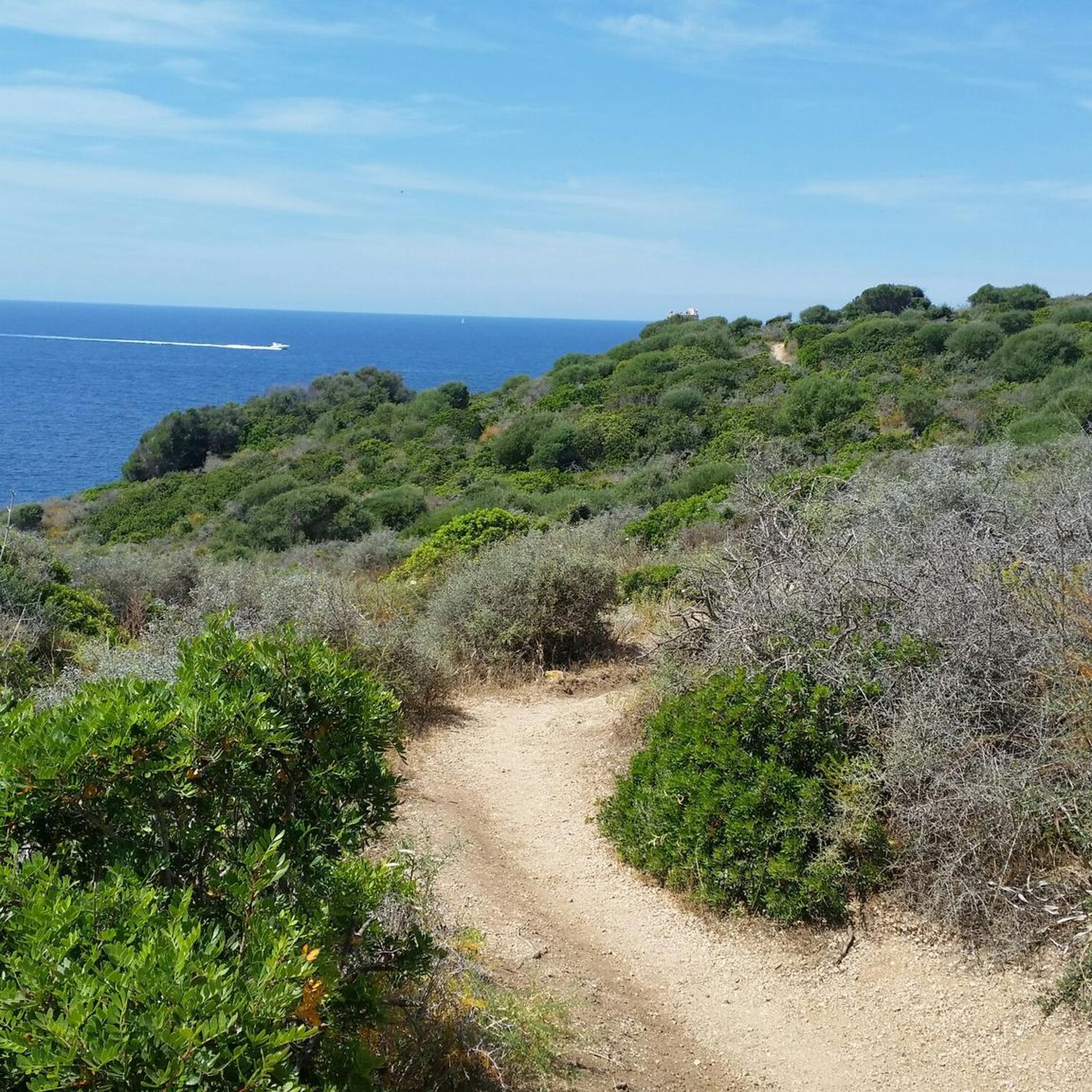
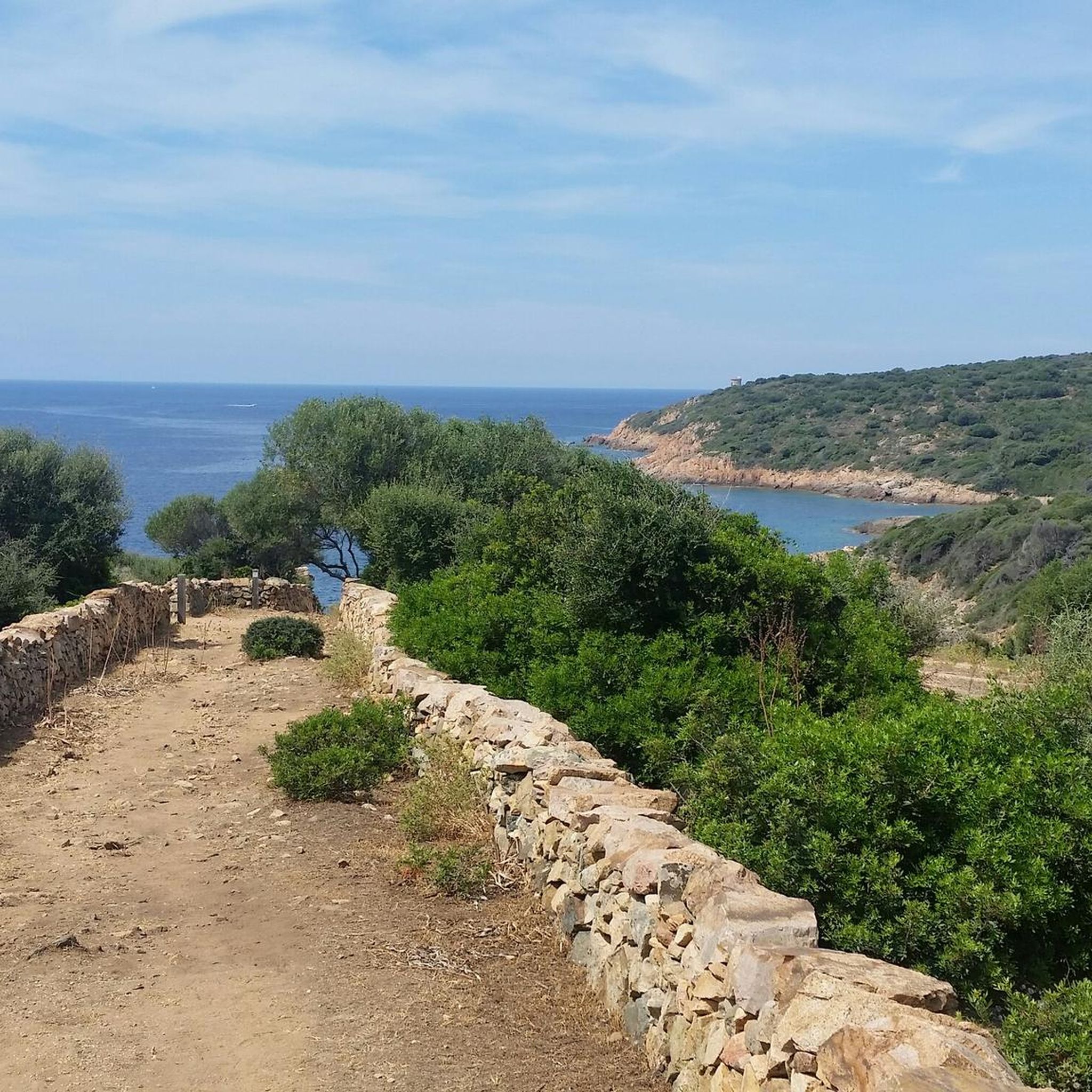
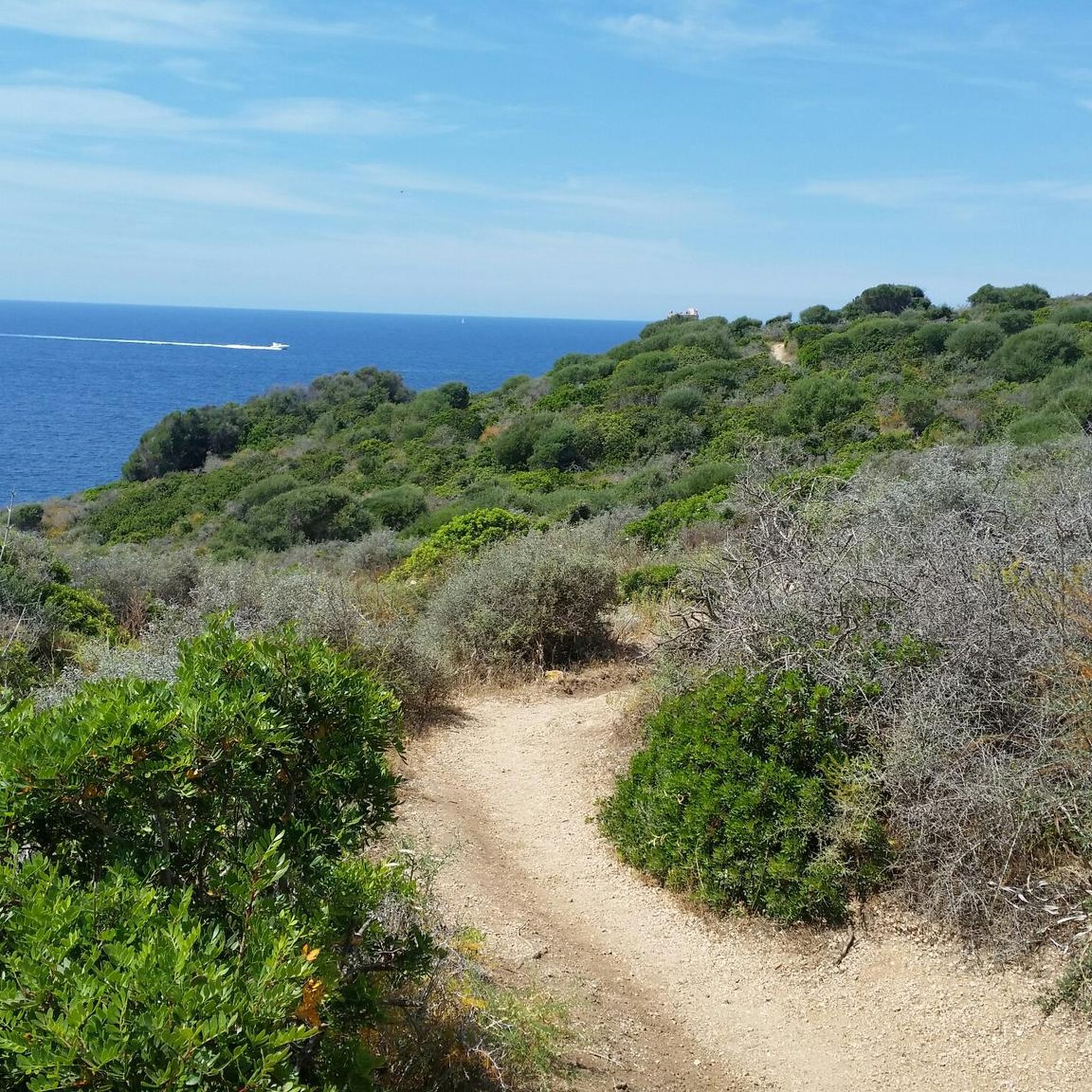
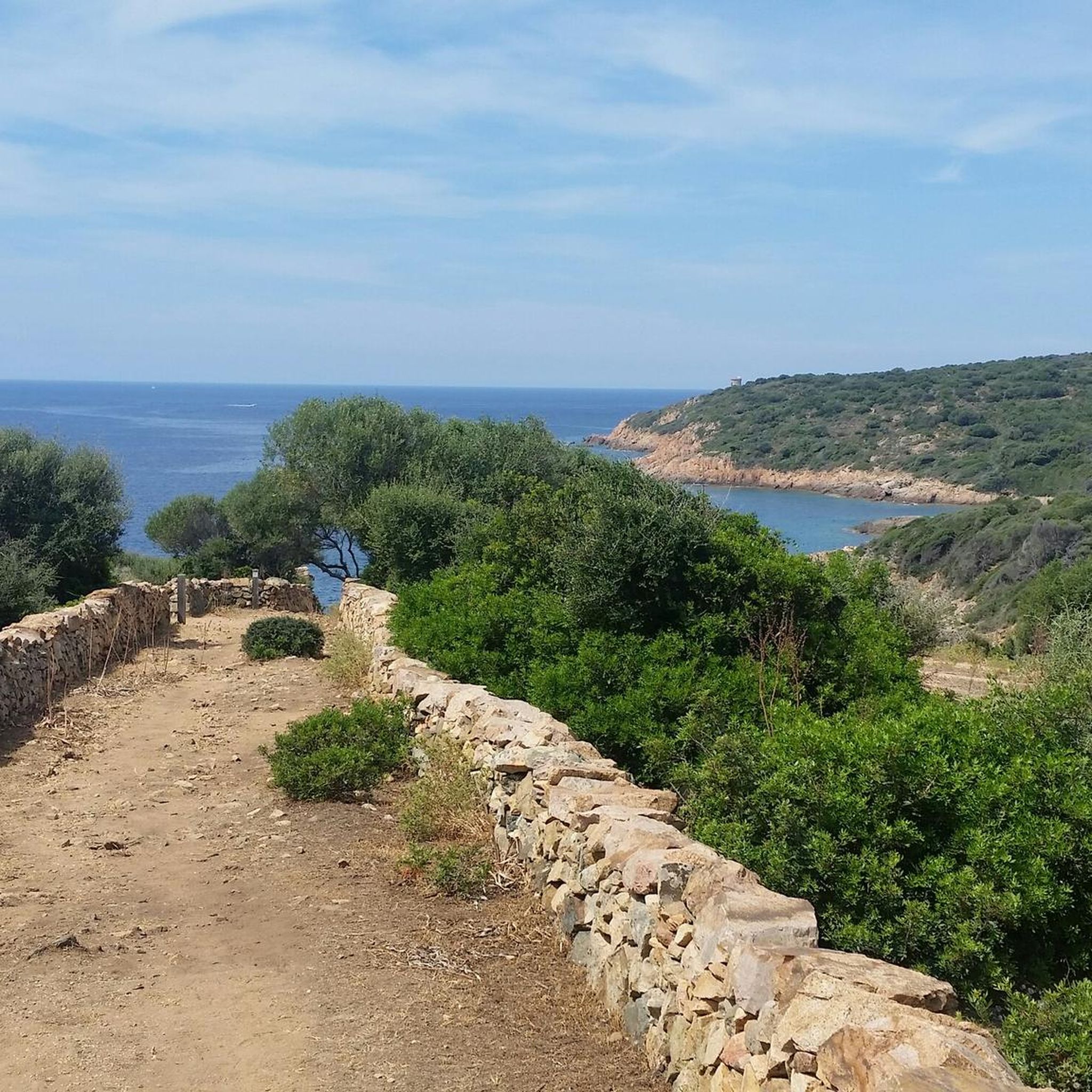
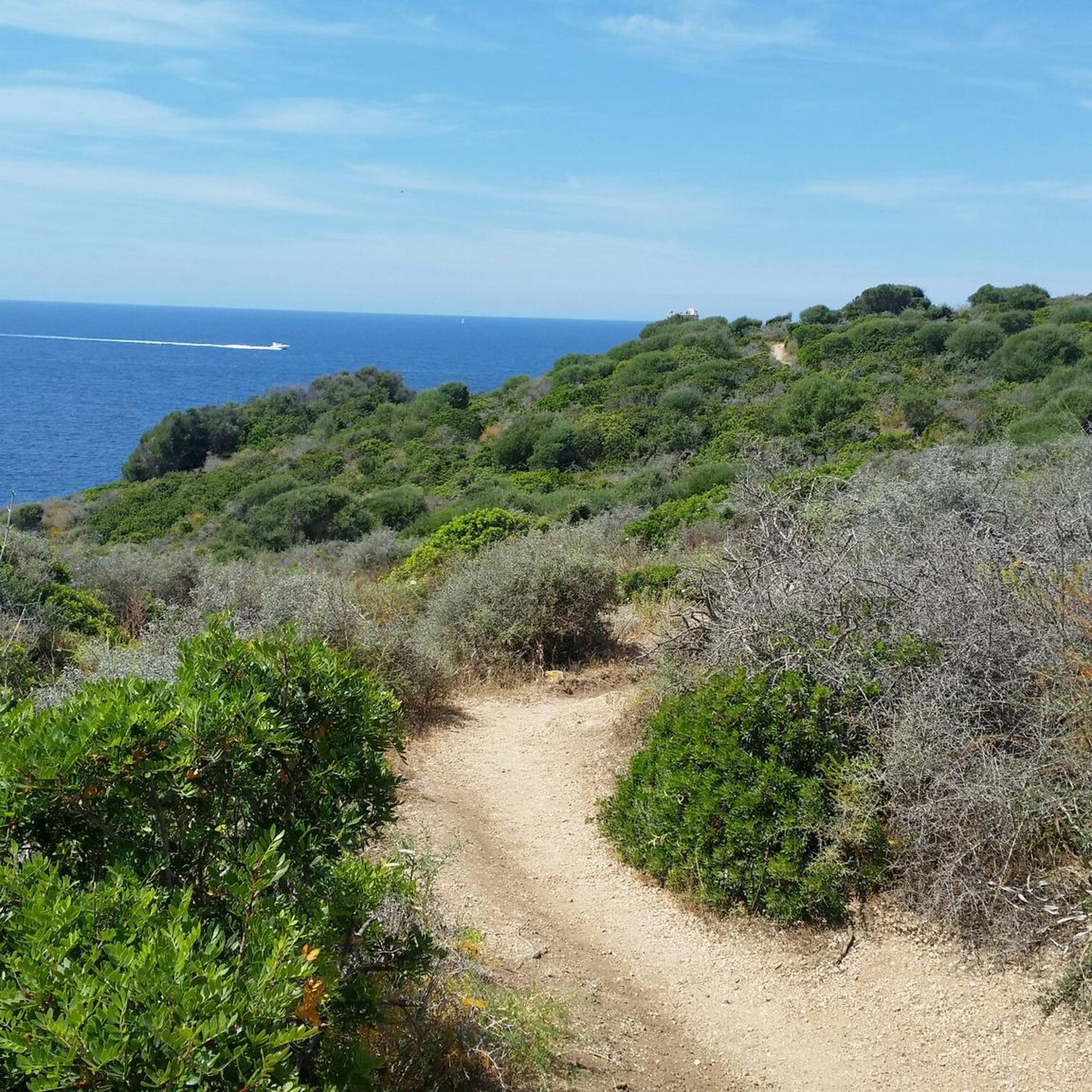
In the town of Cargèse at an altitude of 172 meters on the promontory of Punta d'Orchinu, on the ridge, stands a partly ruined Genoese tower, which can be seen from a long distance. Orchinu offers a grandiose landscape of maquis bordered by cliffs which plunge into the sea. Here we find the same landscape marked by the presence of dry stone walls, ruined houses, wheat threshing areas, all vestiges of the past agricultural area of the site which the shrubby vegetation gradually hides. Its construction was financed in 1505 by the pieves of Paomia, Revinda and Salona: the four towers of Paomia (today Cargèse), Orchinu, Omigna and Capu Rossu communicated with each other to warn the local populations of the arrival of Barbary ships. The cliffs and rocky environments of Orchinu Point are home to the nests of many species of birds: the large osprey and the fast peregrine falcon, the tireless pale swift, with its incessant flight, the delicate rock swallow, the cormorant Mediterranean crested. It was in the Gulf of Chiuni, at the foot of Orchinu, that the submarine Casabianda made its first delivery of weapons (and men) to the Corsican resistance, on the night of December 14 to 15, 1942: the numerous support actions of this submarine were a determining element for the liberation of Corsica in 1943.
5
0
We know with what fervor Mary has been venerated in Corsica since the 4th century, according to historians, and much earlier than in the rest of the Christian world. She is officially the protector of the island. The Cunsulta de Corte on January 30, 1735 decreed a national holiday on September 8, the day of the Immaculate Conception.
7
0
Frequently Asked Questions
What natural features can I explore around Cargèse?
Cargèse is surrounded by stunning natural beauty. You can explore the dramatic red granite headland of Capo Rosso, offering spectacular panoramic views. The nearby Calanques of Piana, a UNESCO World Heritage site, feature awe-inspiring rock formations plunging into the Mediterranean. The region also boasts several beautiful beaches like Plage de Pero, Plage de Menasina, and Plage de Chiuni, all with clear waters and fine sands.
What historical landmarks can I visit in Cargèse?
Cargèse is rich in history, particularly known for its unique Greek colonization heritage. You can visit the two 19th-century churches, the Latin Church of the Assumption and the Greek Church of Saint Spyridon, which stand facing each other as symbols of the village's dual culture. The coastline is also dotted with 16th and 17th-century Genoese towers, such as the Orchinu Tower, Tour de l'Omigna, and Tour de Cargèse, which were built for defense and offer historical insights and great views.
Are there hiking opportunities near Cargèse?
Yes, there are numerous hiking opportunities. You can explore the Piana Calanques via the Old Mule Track, a World Natural Heritage site with bizarre rocky landscapes. For a challenging ascent with rewarding views, consider hiking to Capu d'Orto, which offers a magnificent 360-degree panoramic view of the coast and the Gulf of Porto. For more options, check out the Mountain Hikes around Cargèse guide.
Where can I find beautiful beaches for swimming and relaxation?
Cargèse offers several beautiful beaches. Plage de Pero (or Peru beach) is the closest to the town center, stretching almost 1 km with amenities like kayak rentals. Other options include the wilder Plage de Menasina south of the village, Plage de Chiuni known for its fine sand, and Plage de Stagnoli, a wide beach with shallow water and a restaurant.
Are there any unique rock formations to see?
Absolutely. The Calanques of Piana are a must-see, famous for their awe-inspiring red granite formations. Within the Calanques, you can also find the notable Heart of Piana, a distinctive rock formation that is a popular photo spot.
What is the cultural significance of Cargèse?
Cargèse holds unique cultural significance due to its history of Greek colonization. This heritage is most visibly represented by the two churches, the Latin Church of the Assumption and the Greek Church of Saint Spyridon, which symbolize the peaceful coexistence of two distinct Christian rites. The Greek church, in particular, houses icons brought by the original Greek colonists.
Are there family-friendly activities or attractions in Cargèse?
Yes, Cargèse offers several family-friendly options. The local beaches like Plage de Pero provide safe swimming and amenities. Easy walks around the village and along the coast are suitable for families. Boat trips to explore the Calanques de Piana and Scandola Nature Reserve are also popular and offer an exciting experience for all ages.
When is the best time of year to visit Cargèse for outdoor activities?
The best time for outdoor activities in Cargèse is generally from spring to early autumn. Spring (April-May) offers pleasant temperatures for hiking and exploring, with lush landscapes. Summer (June-August) is ideal for beach activities and water sports, though it can be quite warm. Early autumn (September-October) still provides good weather for outdoor pursuits with fewer crowds.
Are there any viewpoints offering panoramic views?
Yes, Cargèse and its surroundings are rich with panoramic viewpoints. The summit of Capu d'Orto offers a magnificent 360-degree view of the coast and the Gulf of Porto. The Genoese towers, such as the Orchinu Tower and Tour de l'Omigna, also provide excellent vantage points. Additionally, the dramatic Capo Rosso headland is renowned for its spectacular coastal views.
Can I go scuba diving or enjoy other water sports in Cargèse?
Cargèse is an excellent spot for water sports. You can find opportunities for scuba diving in the clear Mediterranean waters. Other popular activities include jet-skiing, windsurfing, and boat trips to explore the stunning coastline, including the Calanques de Piana and the Scandola Nature Reserve.
How can I explore the Calanques de Piana and Scandola Nature Reserve?
The Calanques de Piana can be explored by car along the scenic coastal road, on foot via various hiking trails like the Old Mule Track, or by boat for a unique perspective from the sea. The Scandola Nature Reserve, a UNESCO World Heritage site, is best experienced via boat tours departing from Cargèse, offering a close-up view of its rich marine life and dramatic cliffs.
What kind of wildlife can I expect to see around Cargèse?
The natural environments around Cargèse, particularly near the Genoese towers like Orchinu Tower, are home to various bird species. You might spot the large osprey, the fast peregrine falcon, the tireless pale swift, the delicate rock swallow, and the Mediterranean crested cormorant. The maquis landscape also supports diverse flora and smaller fauna.
Are there any easy hiking routes suitable for beginners near Cargèse?
While many trails offer intermediate to difficult challenges, some sections of coastal paths and walks around the beaches can be suitable for beginners and families. For specific easy routes, you can consult the Running Trails around Cargèse guide, which includes some routes with 'easy' difficulty grades, such as "Punta d'Omigna – Omigna Tower loop from Cargèse / Carghjese" for MTB, which might have accessible sections for walking.
Most popular attractions around Cargèse

Get inspired with the komoot mobile app


Explore more
Still not found the Highlight you’re looking for? See guides of the top attractions in other regions:
