Attractions and Places To See around Marigny-Sur-Yonne - Top 11
Best attractions and places to see around Marigny-Sur-Yonne include a mix of historical sites and natural landscapes. This village in the Nièvre department is situated near the Canal du Nivernais and on the edge of the Morvan Regional Natural Park. The area offers opportunities for exploring waterways, historical landmarks, and expansive natural beauty.
Best attractions and places to see around Marigny-Sur-Yonne
- The most popular attractions is Canal de Nivernais Towpath, a cycle way that offers varied scenery with locks,…
Last updated: October 19, 2026
Canal de Nivernais Towpath
Highlight (Segment) • Cycleway
Translated by Google •
Tip by

Collancelle Locks
Highlight • River
Translated by Google •
Tip by

Sign up now to discover places like this
Get recommendations on the best single tracks, peaks, & plenty of other exciting outdoor places.
Canal du Nivernais
Highlight • Other
During the cold winter of 1782-1783, the Morvan forest was no longer sufficient to supply the capital with wood. It became necessary to transport wood from other forests, those of Bazois.
Showing Translation
Tip by

The Nivernais Canal
Highlight • Other
During the harsh winter of 1782-1783, the Morvan forest was no longer sufficient to supply the capital with wood. Wood had to be transported from other forests, particularly from the Bazois.
Showing Translation
Tip by
Canal du Nivernais
Highlight • Other
During the cold winter of 1782-1783, the Morvan forest was no longer sufficient to supply the capital with wood. It became necessary to transport wood from other forests, those of Bazois.
Showing Translation
Tip by
Sign up for free to discover even more attractions around Marigny-Sur-Yonne.
Already have an account?
Start today with a free account
Your next adventure awaits.

Tips from the Community

The Canal du Nivernais During the harsh winter of 1782-1783, the Morvan forest was no longer sufficient to supply the capital with wood. Wood had to be transported from other forests, particularly from the Bazois. To solve this problem, the construction of a small channel between the Loire and the Yonne was considered. Work began in 1784 with the boring of "La Montagne" at La Collancelle, and in 1786, the construction of a navigable canal was planned. After 56 years of construction, the three tunnels were completed in 1840, and on March 15, 1841, the Nivernais Canal was officially opened. In the first four decades, the canal saw an increase in traffic, as it served as a means of transport for heavy loads such as stone, wood, and coal. With the decline in demand for wood in the capital and the advent of the railway, the decline of navigation on the canal began. In the 1970s, political will and financial support were needed to promote river tourism, ecotourism, and cycling tourism. To this day, the Canal du Nivernais is one of the busiest canals in France, thanks to its gentle cruising.
0
0
The Nivernais Canal During the cold winter of 1782-1783, the Morvan forest was no longer sufficient to supply the capital with wood. It became necessary to transport wood from other forests, those of Bazois. Work was then considered to build a small channel between the Loire and the Yonne. In 1784, construction began with the drilling of "La Montagne" from La Collancelle, and in 1786, the construction of a navigation canal was planned. In 1840, the construction of the three tunnels was completed, then on March 15, 1841, the official commissioning of the Nivernais Canal took place. In the first 40 years, traffic on the canal increased, and it was also used as a means of transport for heavy loads (especially stone, but also wood and coal). With the decline in demand for wood in the capital and the development of the railway, navigation on the canal began to decline. In the 1970s, political will and funding were needed to develop river tourism, ecotourism, and cycle tourism. To this day, the Canal du Nivernais is one of the busiest canals in France due to its philosophy of gentle roaming.
0
0
The Nivernais Canal During the cold winter of 1782-1783, the Morvan forest was no longer sufficient to supply the capital with wood. It became necessary to transport wood from other forests, those of Bazois. Work was then considered to create a small channel between the Loire and the Yonne. In 1784, construction began with the boring of "La Montagne" in La Collancelle, and in 1786, the construction of a navigation canal was planned. In 1840, the construction of the three tunnels was completed, then on March 15, 1841, the official opening of the Nivernais Canal took place. In the first 40 years, traffic on the canal increased, and it was also used as a means of transport for heavy loads (particularly stone, but also wood and coal). With the decline in demand for wood in the capital and the development of the railway, navigation on the canal began to decline. In the 1970s, political will and funding were needed to develop river tourism, ecotourism, and cycle tourism. To this day, the Canal du Nivernais is one of the most frequented canals in France, thanks to its philosophy of gentle roaming.
0
0

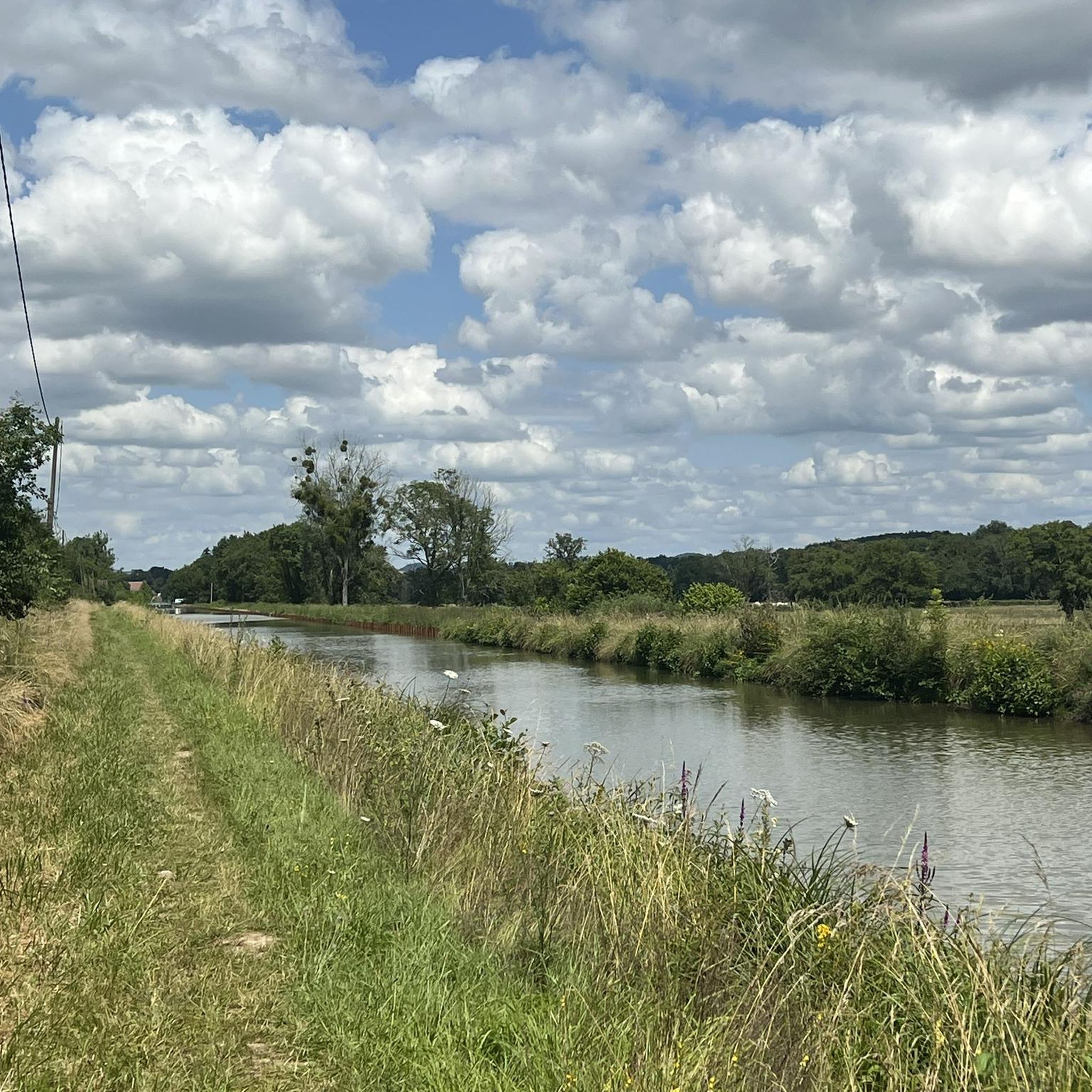
Very nice cycle route along the canal with many sights.
2
0

The site of lock 02 on the Seine slope, known as Crain lock at La Collancelle. There you will find 16 locks on a 3 km stretch of the Nivernais canal. It's a great place to watch boats pass by and see the lock in action.
1
0

Here you will find 16 locks on a 3 km stretch of the Nivernais canal. It's a great place to watch boats go by and see the lock in action. The Voie Verte along the canal is also a pleasant walk.
2
0


A route vert runs along the entire Canal du Nivernais. Good to cycle. Check in advance whether there are places for breaks or bring your own food. The eckluses (locks) give a little bump but easy to cycle for people who are used to the flat Netherlands.
2
0
Frequently Asked Questions
What natural attractions can I explore near Marigny-Sur-Yonne?
Marigny-Sur-Yonne is on the edge of the Morvan Regional Natural Park, offering expansive natural beauty. You can visit the Morvan Regional Park Visitor Centre for discovery trails and a botanical garden. The region also features several lakes like Étangs de Baye et Vaux, Lac de Chaumeçon, Lac de Pannecière, and Lac des Settons, which provide opportunities for boat cruises, swimming, and water sports.
Are there historical sites to visit within Marigny-Sur-Yonne?
Yes, within the village, you can visit L'Église Saint-Léger, a Romanesque church dating back to the 13th century. The Château de Marigny-sur-Yonne, a renovated castle along the Canal du Nivernais, is also notable, surrounded by well-preserved 18th-century farms.
What are the options for cycling along the Canal du Nivernais?
The Canal de Nivernais Towpath is ideal for cycling, offering varied scenery with locks, bascule bridges, and old farms. It's a pleasant experience suitable for all ages. Many cycle paths crisscross the region, and you can find specific routes in the Cycling around Marigny-Sur-Yonne guide.
Where can I find significant historical and cultural sites a short drive from Marigny-Sur-Yonne?
Several significant sites are nearby. Vézelay, a UNESCO World Heritage site, is famous for its Romanesque Basilica of Sainte-Madeleine. You can also visit the historic center of Clamecy with its Collegiale Saint-Martin, or explore the medieval buildings in Avallon. Bazoches Castle, once the base of military engineer Vauban, offers a fascinating historical visit.
Are there any family-friendly activities or attractions in the area?
The Canal de Nivernais Towpath is considered family-friendly for cycling. Observing boats navigate the Collancelle Locks is also an engaging activity for families. Additionally, the Morvan Regional Park Visitor Centre offers discovery trails suitable for all ages. Lac de Pannecière and Lac des Settons provide beaches for swimming and pedal boating.
What kind of water activities are available on the rivers and lakes nearby?
The Yonne River is popular for fishing. For more active pursuits, canoeing and kayaking opportunities are available on the Yonne River (about 15 km away) and on the Cure River near Avallon. Lakes such as Étangs de Baye et Vaux offer boat cruises, while Lac de Pannecière has a beach for swimming, and Lac des Settons provides water skiing and pedal boating.
What is special about the <a href="https://www.komoot.com/highlight/3761902" target="_blank" rel="noopener">Collancelle Locks</a>?
The Collancelle Locks are a remarkable series of 16 locks spread over a 3 km stretch of the Nivernais canal. It's a great place to observe boats navigating the locks and witness this impressive feat of engineering in action. The adjacent Voie Verte also offers a pleasant walk.
Can I find hiking trails around Marigny-Sur-Yonne?
Yes, numerous walking trails crisscross the region, especially within the Morvan Regional Natural Park. The
What is there to see in the nearby town of <a href="https://www.komoot.com/highlight/6296228" target="_blank" rel="noopener">Corbigny</a>?
Corbigny, located just 3 km from Marigny-Sur-Yonne, features an 18th-century abbey and a vibrant commercial street. It is known for its regular markets and hosts classical music concerts (Fêtes Musicales) and annual antique markets in August.
What unique historical projects can I visit in the wider region?
A truly unique historical project is Guedelon, located about 50 km away. Here, a medieval castle is being constructed from scratch using only 13th-century techniques and materials, offering a fascinating glimpse into medieval building practices.
What do visitors particularly enjoy about the <a href="https://www.komoot.com/highlight/3378546" target="_blank" rel="noopener">Canal de Nivernais Towpath</a>?
Visitors appreciate the varied scenery along the Canal de Nivernais Towpath, noting the locks, bascule bridges, and charming old farms. It's described as a beautiful stretch, sometimes sunny, sometimes shady, and great for cycling, even with children, due to its flat and easy terrain.
Are there any castles to visit near Marigny-Sur-Yonne?
Besides the Château de Marigny-sur-Yonne, you can visit Chitry‑les‑Mines Castle, a beautiful 14th-century castle with historical ties to writer Jules Renard. Bazoches Castle, once the base of Vauban, is also a significant historical site worth exploring.
What are some other charming villages or towns to explore in the vicinity?
Beyond Corbigny, you can explore the well-preserved medieval village of Montreal, the town of Saulieu with its Basilica Saint-Andoche, La Charité-sur-Loire known for its abbey church, and Noyers-sur-Serein, which is recognized as one of France's 'Most Beautiful Villages'.
Most popular routes around Marigny-Sur-Yonne

Get inspired with the komoot mobile app


Explore more
Still not found the Highlight you’re looking for? See guides of the top attractions in other regions:
