Attractions and Places To See around Athies - Top 20
Best attractions and places to see around Athies, a commune in the Pas-de-Calais department of northern France, include historical sites and natural areas. The region is known for its significant World War I memorials and cemeteries, reflecting its past. Athies also provides access to the nearby city of Arras, which features UNESCO World Heritage sites. The surrounding landscape includes protected natural wetlands, offering diverse outdoor experiences.
Best attractions and places to see around Athies
- The most popular attractions is Canadian…
Last updated: October 9, 2026
Canadian National Vimy Memorial
Highlight (Segment) • Monument
Translated by Google •
Tip by

Marais de Maroeuil
Highlight (Segment) • Natural
Translated by Google •
Tip by

Sign up now to discover places like this
Get recommendations on the best single tracks, peaks, & plenty of other exciting outdoor places.
Arras Citadel
Highlight • Castle
Translated by Google •
Tip by

Towards the Canadian trenches of Vimy
Highlight • Monument
Translated by Google •
Tip by
Canadian Memorial
Highlight • Other
Translated by Google •
Tip by

Sign up for free to discover even more attractions around Athies.
Already have an account?
Start today with a free account
Your next adventure awaits.
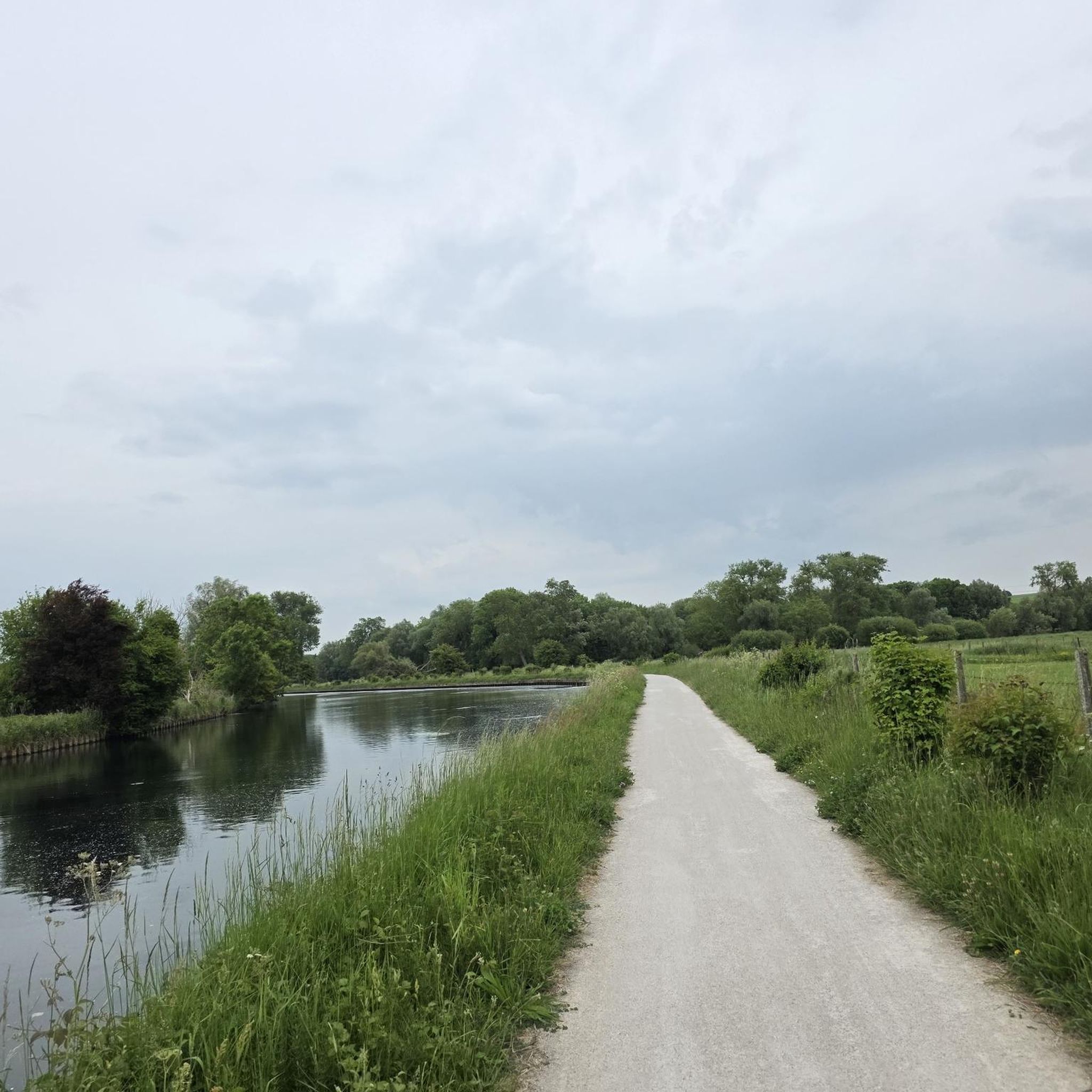
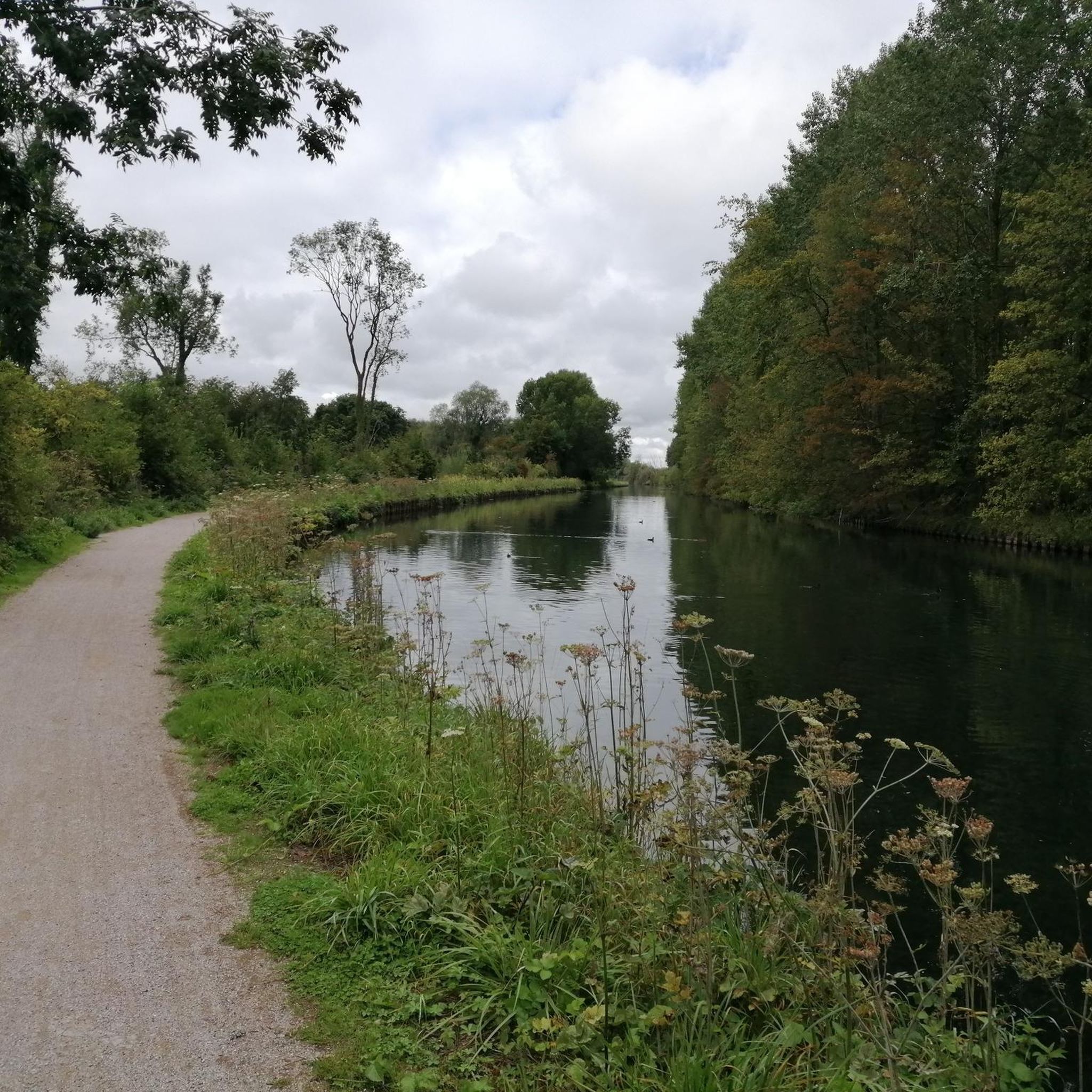

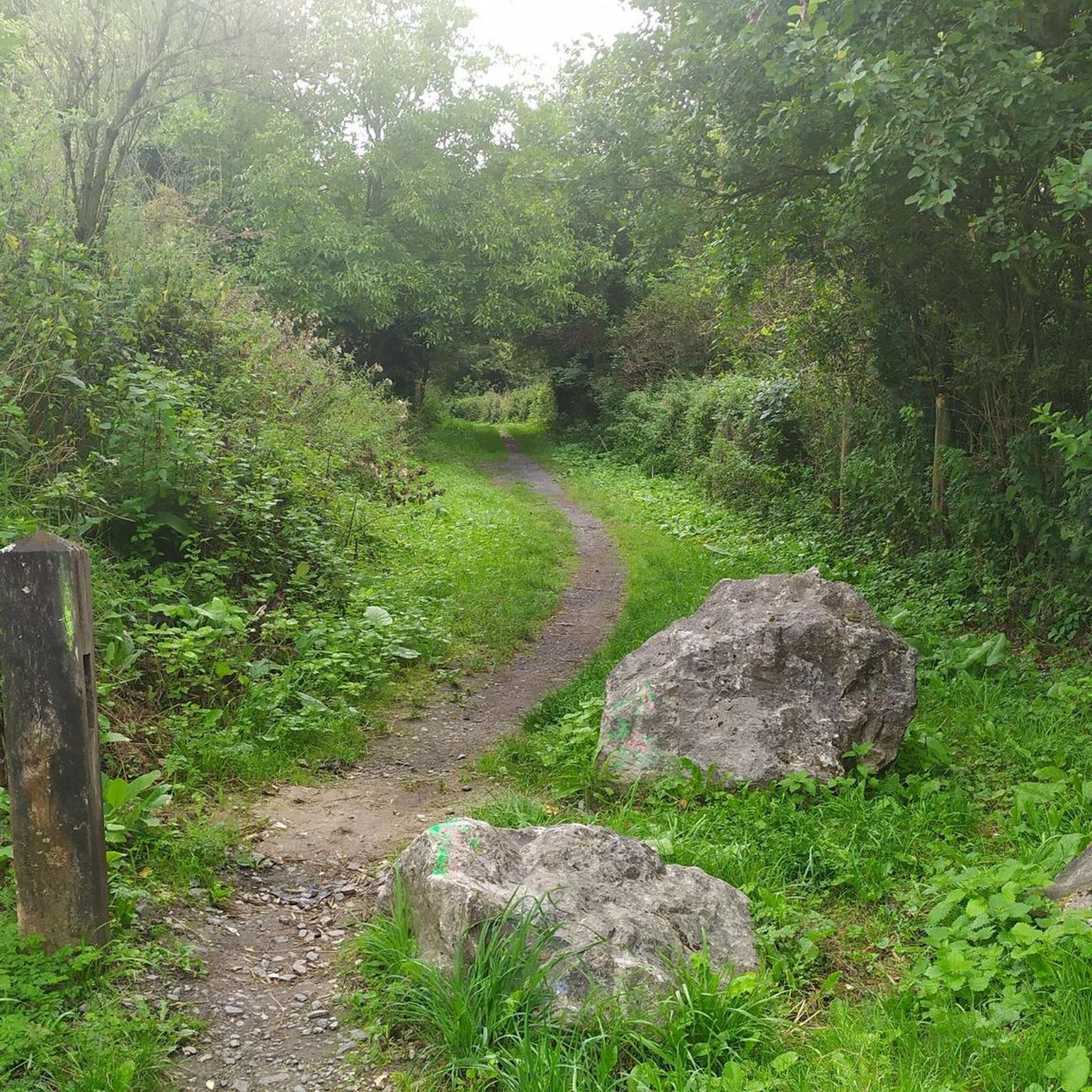


Tips from the Community

Magnificent memorial. The site as a whole is pleasant and rather touristy.
0
0

A remarkable story about the Canadian trenches concerns the preparations for the attack on Vimy Ridge in April 1917. The Canadian divisions used an underground quarry and created additional corridors towards the front. These tunnels and trenches played a crucial role in the success of the attack, with the Canadians managing to retake the strategically important ridge in just three days.
7
0

The Vimy Memorial is the most prestigious Canadian monument in Europe. It is located on the very site of the 1917 fighting near Vimy in the Pas-de-Calais region of France. Erected on the highest point of the hill, Hill 145, the objective of the operations that began on April 9, 1917, it overlooks the Douai Plain. In 1921, architect and sculptor Walter S. Allward (1875-1955) won the competition from the Canadian Battlefield Memorials Commission. The significance of the battles at the site and the favorable location at the top of the hill allowed Vimy to receive the most prestigious work.
1
0

a very pleasant treetop adventure course is taking shape on this route inside the citadel
2
0

I went there late one evening, a calm that does you good, a great panorama night and day
0
0

Such places are still very important today as memorials to the countless war dead. "Now, Lord, you let your servant depart in peace, as you have said..." says the so-called "Hymn of Simeon" (Luke's Gospel, Chapter 2, Verse 29). However, the many people buried here did not depart in peace, but became victims of war and an inhuman tyranny. The most important and at the same time everlasting function of the military or honorary cemeteries or war graves is therefore to keep the memory of this suffering alive and - every generation anew (!) - to remind them of the need to maintain peace in the long term.
0
0

beautiful journey, beautiful scenery
0
0

Did you know that you can be on Canadian territory in Northern France? The Mémorial de Vimy is located between Lens and Arras. An area of 110 hectares that France lent to Canada shortly after WWI. It is the place where Canadian troops reclaimed a ridge from the Germans in 1917. An unexpected and spectacular victory. But also a precious one. Because in 3 days 3,600 Canadians died and 7,000 men were injured.
5
2
Frequently Asked Questions
What historical sites related to World War I can I visit near Athies?
The region around Athies is rich in World War I history. You can visit the impressive Canadian National Vimy Memorial, which commemorates Canadian soldiers who died in France with no known grave. Additionally, the Canadian trenches of Vimy offer a poignant look at the battlefield. Athies itself is home to the Athies Communal Cemetery Extension and the Point-du-Jour military cemetery, both British military cemeteries from the war. In nearby Arras, the Carrière Wellington museum provides insight into the underground tunnels used during the conflict.
Are there any natural areas or reserves to explore near Athies?
Yes, for nature lovers, the Marais de Maroeuil is a protected natural swamp area of approximately 20 hectares, known for its diverse flora and fauna, including a rare orchid species. The wider region also features several regional nature reserves, such as the Réserve naturelle régionale du Marais de Wagnonville, the Réserve naturelle régionale de la Tourbière de Vred, and the Réserve naturelle régionale du Pré des Nonnettes, all within a reasonable distance.
What cultural landmarks are there in the vicinity of Athies?
Beyond the war memorials, you can explore significant cultural landmarks. The city of Arras, just a short distance away, boasts the **Belfry and Town Hall of Arras**, which are part of the UNESCO World Heritage site 'Belfries of Belgium and France'. Arras also features the Arras Citadel, a 17th-century Vauban fortification also inscribed on the UNESCO World Heritage List. Further afield, the magnificent 13th-century Amiens Cathedral stands as France's largest Gothic cathedral.
What outdoor activities can I do near Athies?
The area around Athies offers various outdoor activities. You can find numerous hiking trails, such as the 'Marais de roeux loop from Fampoux' which is an easy option, or moderate routes like 'Chemin de Halage – The Scarpe by bike loop from Athies'. For more details and routes, visit the Hiking around Athies guide. Cyclists can explore gravel biking routes like 'The Scarpe by bike – Canadian Trail loop from Arras', detailed in the Gravel biking around Athies guide.
Are there family-friendly attractions around Athies?
Many of the historical sites are suitable for families, offering educational experiences. The Canadian National Vimy Memorial and the associated trenches provide an engaging way to learn about history. The Arras Citadel also offers green walking paths and leisure activities within its historic grounds, making it a pleasant outing for all ages. Exploring the natural trails of Marais de Maroeuil can also be a fun and educational activity for families.
What kind of running trails are available near Athies?
For runners, there are several trails to choose from. You can find routes like the 'Riverbank View in France loop from Saint-Laurent-Blangy' or a 'Running loop from Athies', both offering moderate difficulty. These trails often follow riverbanks or scenic paths. More options and detailed information can be found in the Running Trails around Athies guide.
What is the Scottish Monument near Athies?
The Scottish Monument is a significant memorial located along the Arras-Douai road (N50). It was erected by officers of the 9th Scots Division to commemorate the sacrifices made by Scottish soldiers during the First World War, serving as a tribute to their bravery and loss.
What is the best time of year to visit Athies and its attractions?
The best time to visit Athies and its surrounding attractions is generally during the spring (April to June) and autumn (September to October) months. During these periods, the weather is typically mild and pleasant for exploring historical sites and enjoying outdoor activities like hiking or cycling. Summer can also be enjoyable, though it may be warmer and more crowded, especially at popular memorials.
Can I find any unique viewpoints or panoramic spots in the Athies area?
While Athies itself is relatively flat, the Vimy Ridge, where the Canadian National Vimy Memorial is located, offers magnificent panoramic views of the mining area and the hills of the Artois region. This elevated position provides not only a historical perspective but also scenic vistas of the surrounding landscape.
What is the Church of St. Christopher in Athies?
The Church of St. Christopher is a local landmark in Athies, dating back to the twentieth century. It serves as a significant religious and architectural site within the commune, reflecting the local heritage and community life.
What do visitors appreciate most about the attractions near Athies?
Visitors frequently appreciate the profound historical significance of the World War I memorials, noting the solemn atmosphere and the detailed preservation of sites like the Canadian National Vimy Memorial. The blend of military history with accessible natural spaces like Marais de Maroeuil is also highly valued, offering diverse experiences from reflection to peaceful outdoor exploration.
Most popular attractions around Athies

Get inspired with the komoot mobile app


Explore more
Still not found the Highlight you’re looking for? See guides of the top attractions in other regions:
