The best cycling routes around Cleebourg
4.7
(36)
272
riders
23
rides
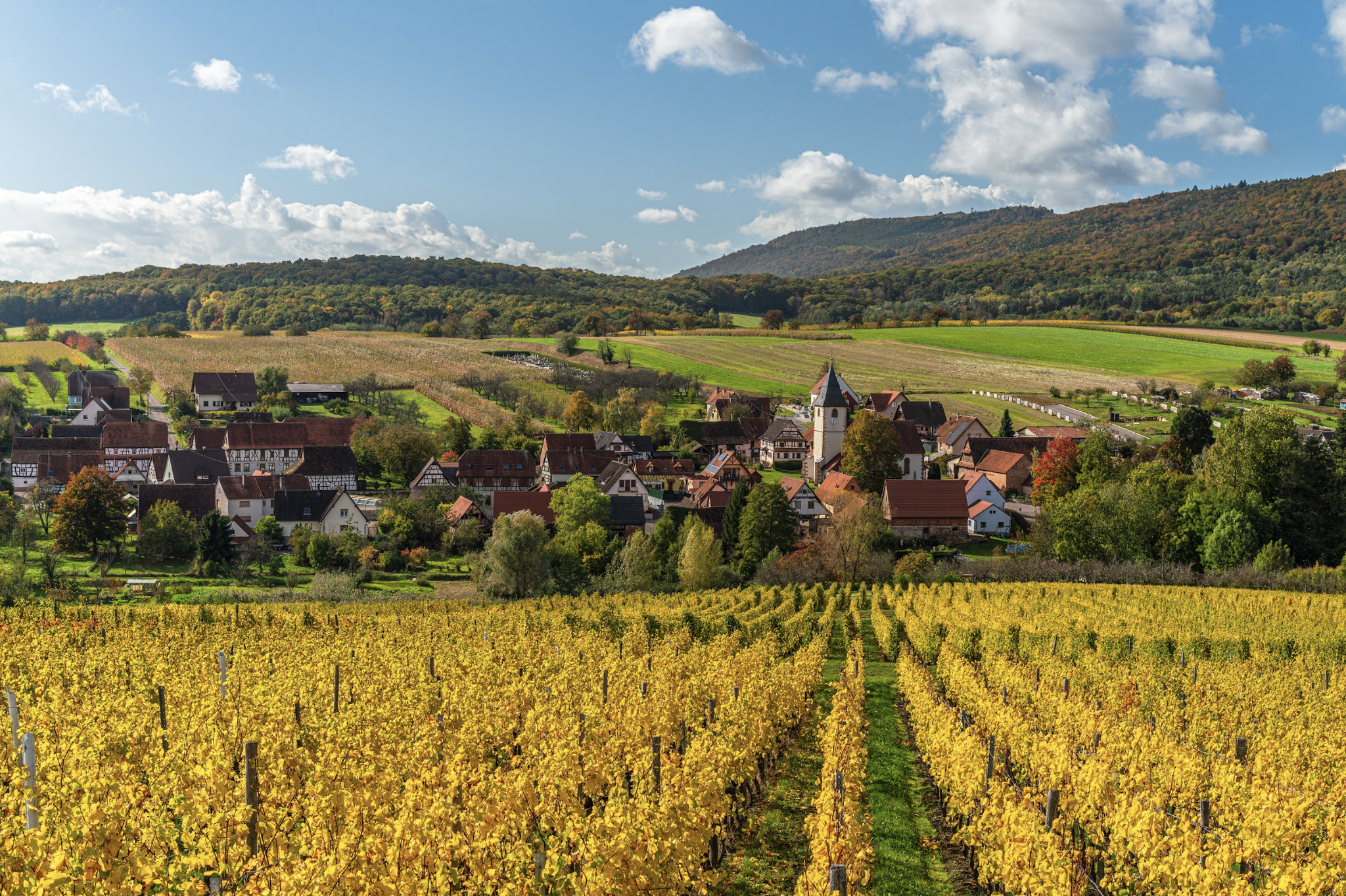
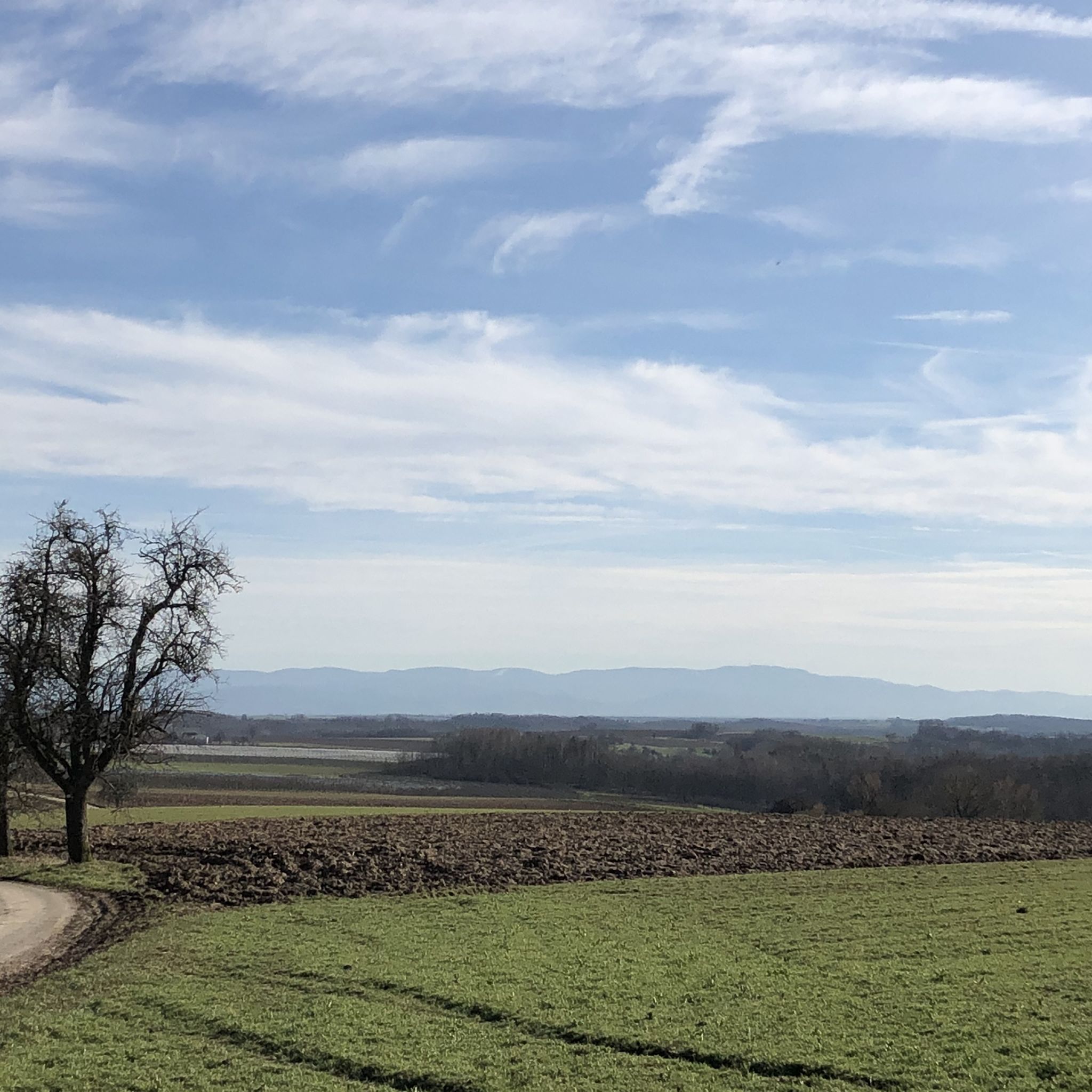
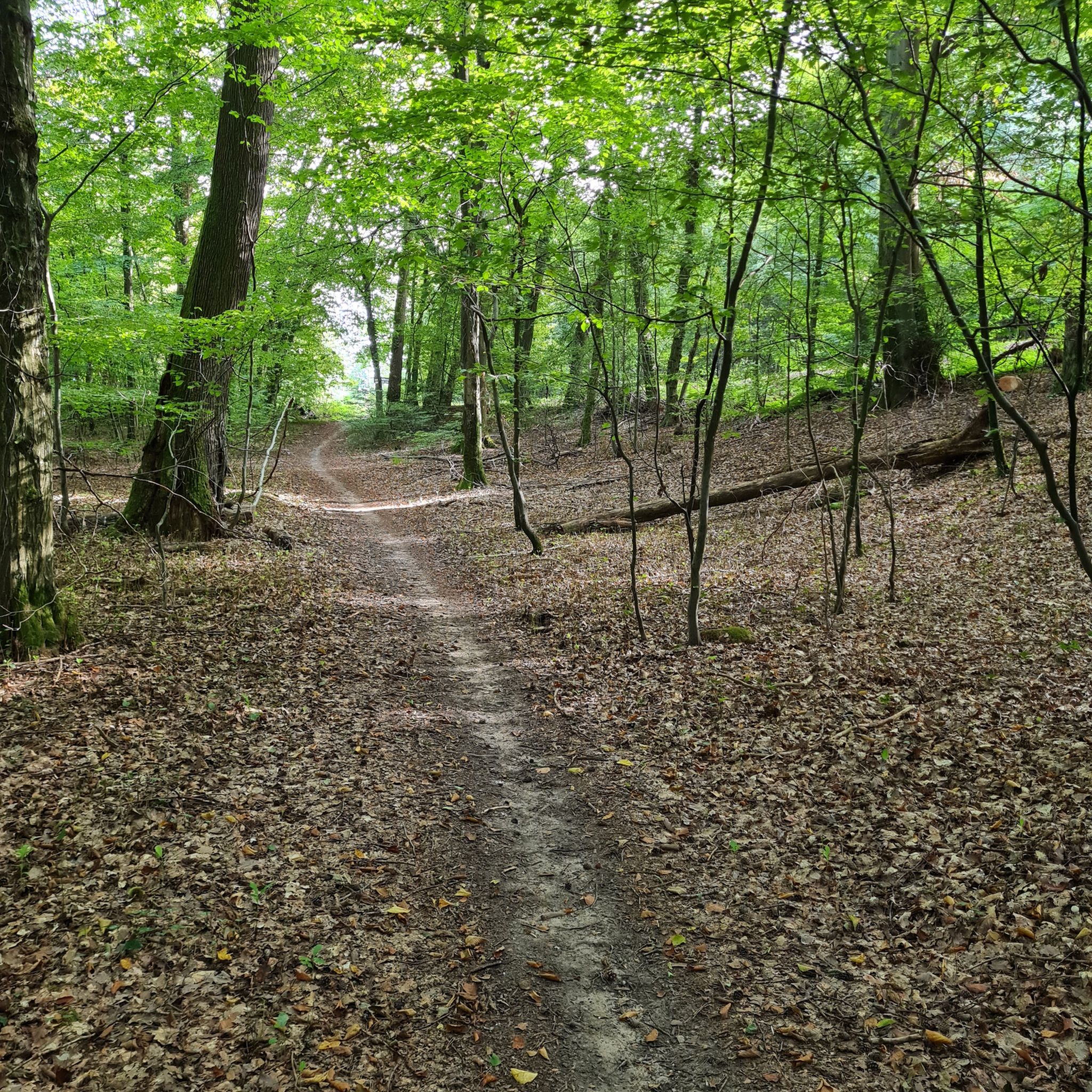
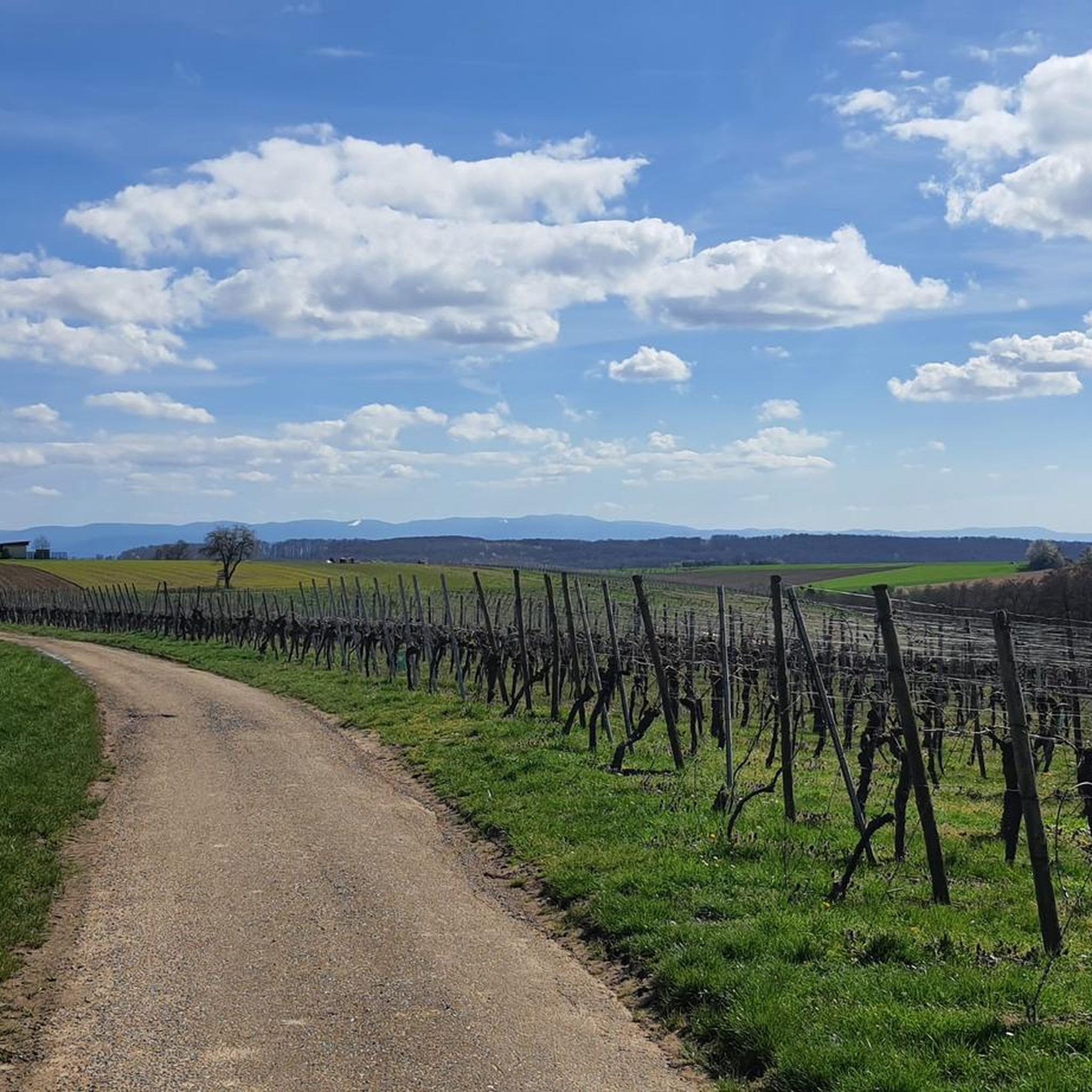
Touring cycling around Cleebourg features picturesque, rolling green countryside and extensive vineyards, forming part of the northern Alsace Wine Route. The region is characterized by gently rolling hills and diverse forests, bordering the Parc naturel régional des Vosges du Nord and the Wasgau region. Natural elements like the Lauter and Lauter Canal near Wissembourg further enhance the scenic routes. This landscape provides varied terrain for touring cyclists.
Best touring cycling routes around Cleebourg
- The most popular touring cycling route is…
Last updated: June 25, 2026
5.0
(2)
29
riders
14.5km
01:00
250m
250m
Moderate bike ride. Good fitness required. Mostly paved surfaces. Suitable for all skill levels.
5.0
(3)
18
riders
46.9km
02:54
280m
280m
Moderate bike ride. Good fitness required. Mostly paved surfaces. Suitable for all skill levels.

Sign up for free
4.0
(2)
51
riders
19.6km
01:59
490m
490m
Hard bike ride. Very good fitness required. You may need to push your bike for some segments of this route.
4.5
(2)
17
riders
21.5km
01:27
350m
350m
Moderate bike ride. Good fitness required. Mostly paved surfaces. Suitable for all skill levels.
5.0
(2)
14
riders
18.8km
01:16
310m
310m
Moderate bike ride. Good fitness required. Mostly paved surfaces. Suitable for all skill levels.
Get access to more routes and recommendations from other explorers.
Sign up for free
Already have an account?
Our route recommendations are based on thousands of hikes, rides, and runs completed by other people on komoot.
Start today with a free account
Your next adventure awaits.
Login or Signup
Other adventures around Cleebourg

Tips from the Community

A lovely spot for a rest and a visit to a cafe in good weather.
1
0


It's worth taking a look at the Lauter from the many bridges. The perspectives are always different.
7
0

Oak and linden trees were planted or planted in villages or communal forests in honor of the "King of Rome." In 1853, Napoleon benches were again erected in the Bas-Rhin department. This time on the orders of Prefect Auguste Cesar West. The reason was the wedding of Napoleon III (*April 20, 1808 - †January 9, 1873) to Eugénie de Montijo (*May 5, 1826 - †July 11, 1920). The year of installation was carved into the transverse lintel. In the following years, new Napoleon benches were repeatedly erected: in 1855, 1859, and 1860, because France was victorious in wars, and in 1856 because of the birth of Loulou the "Little Prince." During the 20th century, wooden benches were installed because they were more cost-effective and comfortable than sandstone benches. Many of the old benches fell victim to the two World Wars or the passage of time. The remaining benches are now cultural monuments that are carefully maintained and restored. [Rudolf Wild, Annweiler]
0
0
Napoleon Benches The benches, named after Napoleon Bonaparte (*15.08.1769 - }†05.05.1821), are slightly different from the resting stones, but serve the same purpose: to comfortably rest one's head and sit. They roughly resemble the letter "A": two sandstone pillars on the right and left, supported by a sandstone block (lintel) placed across them for resting burdens, and a sandstone block placed across them for sitting. After the French Revolutionary Wars (1792-1802), the borders of France extended to the Rhine. In 1811, at the behest of Prefect Adrien Lezay-Marnesia, these benches were erected in his Bas-Rhin department to commemorate the birth of Napoleon Bonaparte (*March 20, 1811 - †June 22, 1832). The inscription "A LA Naissance Du Roi De Rom" – erected for the birth of the King of Rome – was carved into the lintel. Also included are columns (in Steinweiler), drinking troughs, and fountains, as well as shrubs, fruit trees, etc.
0
0
"Bancs-reposoirs du Roi de Rome" At the initiative of the Prefect of the French department of Bas-Rhin, Adrien de Lezay-Marnésia, the benches were erected in 1811/12 to commemorate the birth of Napoléon-François-Joseph-Charles Bonaparte, the son of Napoleon Bonaparte. In a letter to the municipal administrations dated April 22, 1811, he stated that these stone benches should be placed along the country roads and that shady trees should be planted behind them. The costs were to be borne by the municipalities. The Alsatians called them the Navele Bänk (Napoleon's Bench, bancs de Napoléon) in their local dialect; this name is also common in the neighboring Palatinate region. Text: Rudolf Wild, Annweiler
0
0

The old wash benches on the Lauter are impressive.
4
0
Frequently Asked Questions
How many touring cycling routes are available around Cleebourg?
There are over 30 touring cycling routes around Cleebourg, catering to various skill levels. These include 1 easy route, 14 moderate routes, and 17 difficult routes, ensuring options for every touring cyclist.
What kind of terrain can I expect when touring cycling in Cleebourg?
The Cleebourg region offers a diverse landscape characterized by picturesque, rolling green countryside and extensive vineyards, which are part of the northern Alsace Wine Route. You'll also encounter gently rolling hills and diverse forests, especially near the Parc naturel régional des Vosges du Nord and the Wasgau region. Routes often feature vineyard paths, forested sections, and charming Alsatian villages.
Are there any long-distance touring cycling routes in the Cleebourg area?
Yes, the Cleebourg area is integrated into Alsace's tourist cycle path network, making it suitable for longer excursions. While many routes are day trips, you can combine them for multi-day adventures that explore vineyards, quaint villages, and forested paths. For example, the View of the Lauter – Wissembourg Town Center loop from Cleebourg is a moderate 46.8 km ride that can be part of a longer journey.
What natural features can I explore on a touring bike around Cleebourg?
Cyclists can enjoy the scenic beauty of the extensive vineyards, the Lauter valley, and the Lauter Canal near Wissembourg. The region also borders the Parc naturel régional des Vosges du Nord and the Wasgau region, offering diverse forests and rolling hills. You might also encounter beautiful lakes such as Seehofweiher or Étang de la Walk.
Are there any historical landmarks or attractions along the cycling routes?
Absolutely. The region is rich in history. You can cycle past the fortified town of Wissembourg with its impressive old town fortifications. Other notable sites include Fort Schoenenbourg, an imposing structure of the Maginot Line, and the ruins of Wegelnburg Castle, the highest castle in the Palatinate, offering panoramic views. You might also find historical sites like the St. Anna Iron Ore Mine Visitor Center.
Where can I find scenic viewpoints while cycling in Cleebourg?
Many routes offer stunning vistas. The vineyards themselves provide beautiful views, especially during certain seasons. Routes like the View of the Vosges – Place du Marche aux Choux loop from Cleebourg offer views towards the Vosges mountains. The Wegelnburg Castle Ruins also provide panoramic views of the surrounding landscape. The Chemin des Cimes (treetop walk) is another option for elevated perspectives.
What is the best time of year for touring cycling in Cleebourg?
The region's extensive vineyards suggest that spring and autumn are particularly beautiful for cycling, with blooming landscapes or vibrant fall colors. Summer also offers pleasant conditions, though it can be warmer. The Alsace tourist cycle path network is generally well-maintained for cycling throughout the warmer months.
Are there any family-friendly touring cycling routes in Cleebourg?
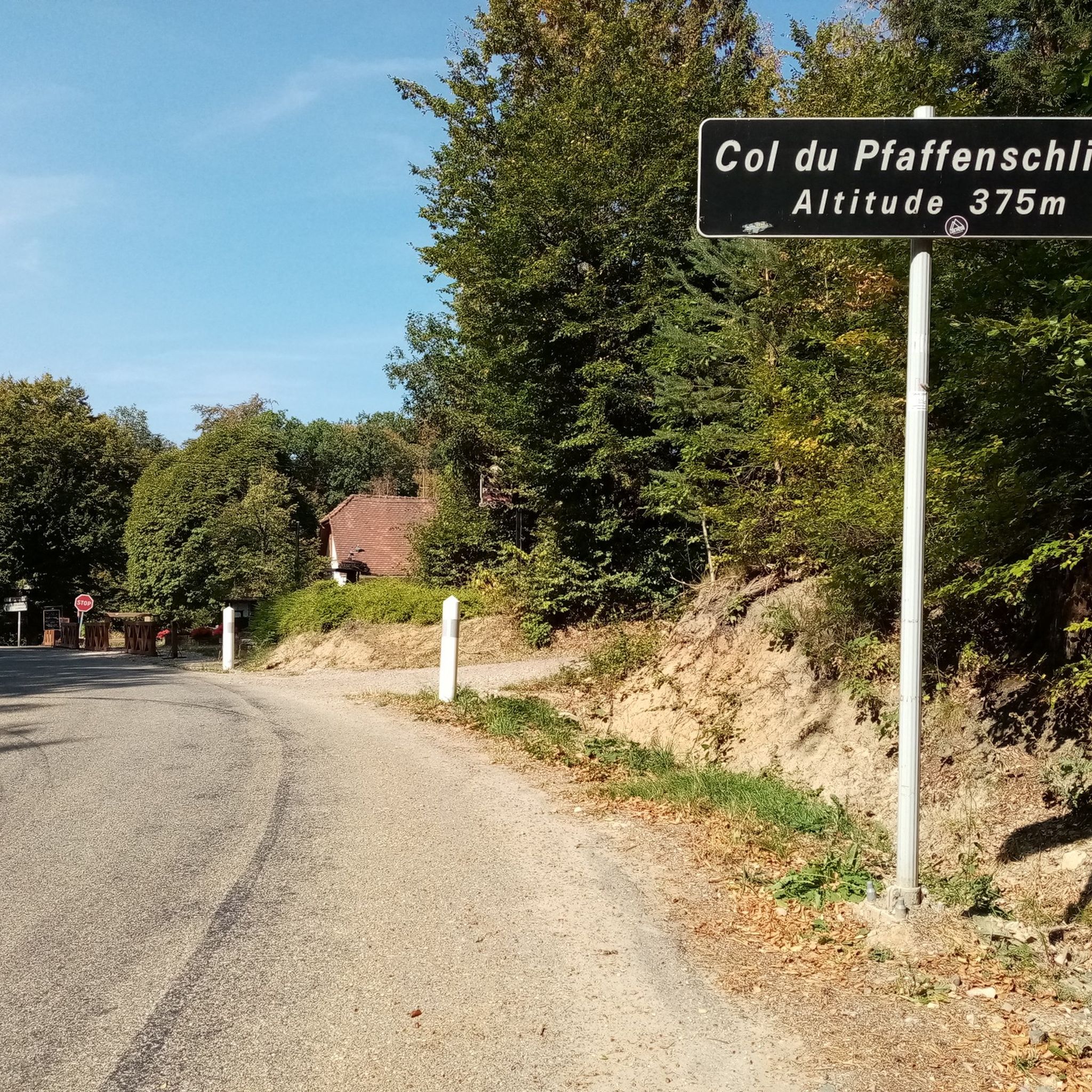
While the guide features routes ranging from moderate to difficult, the region's network includes options suitable for various ability levels. The general character of rolling vineyards and gently sloped forests means there are paths that can be enjoyed by families. For example, the Woerth and the Sauer – Pfaffenschlick Pass loop from Col du Pfaffenschlick is a moderate route that could be suitable for families with some cycling experience.
Can I find circular touring cycling routes around Cleebourg?
Yes, many of the touring cycling routes around Cleebourg are designed as loops, allowing you to start and end in the same location. Examples include the Col du Pigeonnier – Scherhol Refuge loop from Cleebourg, which takes you through forested hills, and the Col du Pigeonnier (432 m) loop from Cleebourg.
What do other touring cyclists enjoy the most about touring cycling in Cleebourg?
The area is highly rated by the komoot community, with an average score of 4.7 stars from over 20 reviews. Reviewers often praise the picturesque, rolling green countryside, the extensive vineyards, and the charming Alsatian villages that the routes connect. The varied terrain, from easy vineyard paths to more challenging routes with significant elevation gain, is also a highlight for many.
Are there specific cycling routes that pass through the famous Cleebourg vineyards?
Yes, the Cleebourg region is renowned for its vineyards, and many routes are designed to showcase them. For instance, the 29 km route from Wissembourg traverses the Cleebourg vineyards, offering beautiful scenery. You can also find more information about cycling through the vineyards on external resources like Cycle tour from Wissembourg to Hunspach by vineyards.
Are there any unique outdoor experiences besides cycling in Cleebourg?
Beyond cycling, the region offers other outdoor activities. The Chemin des Cimes (treetop walk) provides an accessible outdoor experience, and Cleebourg also features an arboreal trail for those interested in local flora. You can learn more about the arboreal trail here: The Cleebourg arboreal trail.
Most popular routes around Cleebourg
Most popular attractions around Cleebourg

Get inspired with the komoot mobile app


Explore more
Browse the best Cycling routes in other regions.
