The best road cycling routes around Douchy-Lès-Ayette
4.5
(39)
550
riders
139
rides
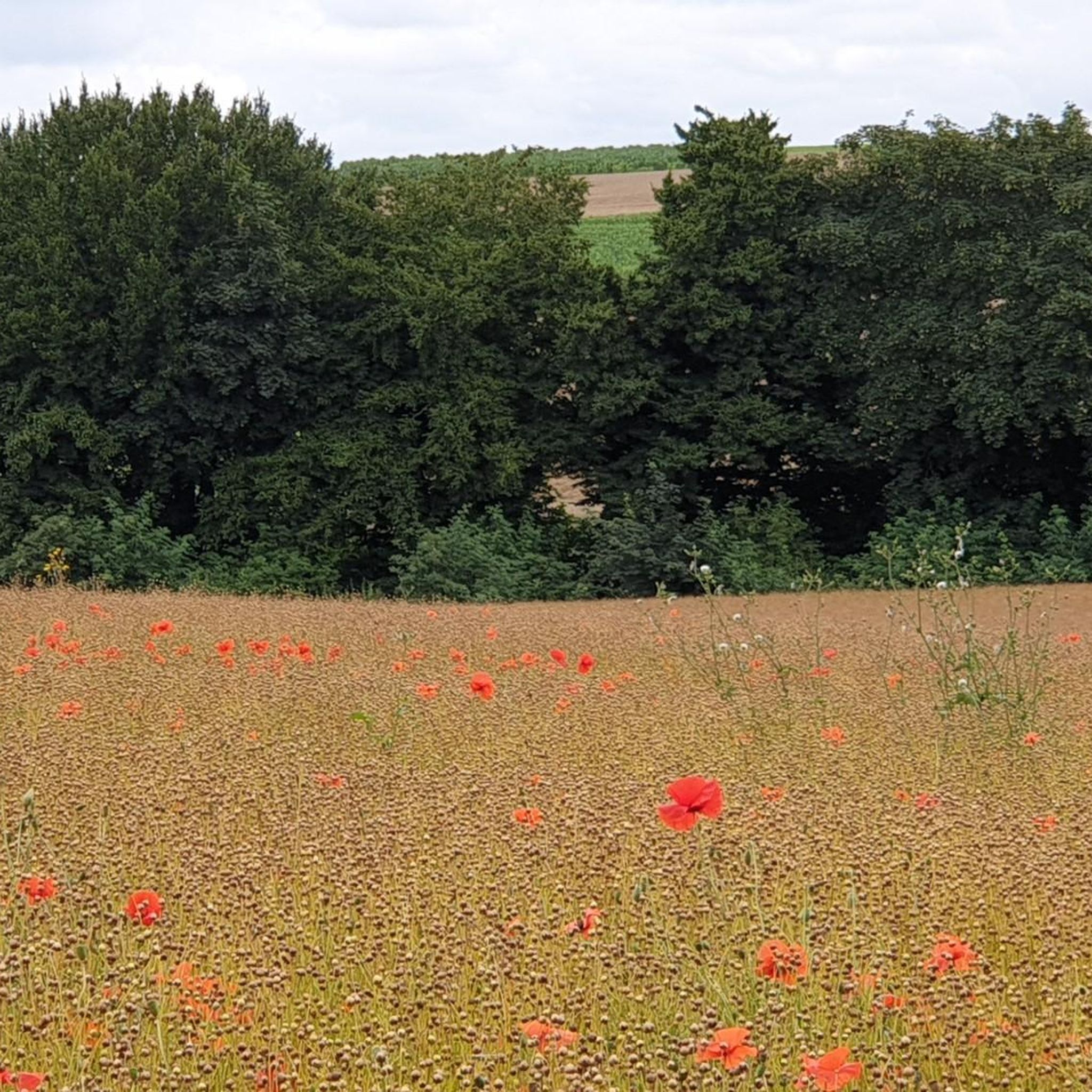
Road cycling routes around Douchy-Lès-Ayette traverse the verdant Hauts-de-France region, characterized by its green and rolling countryside. The terrain is predominantly undulating, offering a mix of gentle inclines and descents on mostly paved surfaces. Cyclists can expect quiet country roads, picturesque forest paths, and agricultural land, providing varied scenery. The area also features charming villages and historical sites, adding cultural interest to the rides.
Best road cycling routes around Douchy-Lès-Ayette
- The most popular road cycling route is Crinchon – Chemin…
Last updated: July 16, 2026
4.3
(4)
31
riders
76.4km
04:09
460m
460m
Moderate road ride. Good fitness required. Some segments of this route may be unpaved and difficult to ride.
19
riders
46.8km
02:05
250m
250m
Moderate road ride. Good fitness required. Some segments of this route may be unpaved and difficult to ride.

Sign up for free
12
riders
66.5km
02:46
420m
420m
Moderate road ride. Good fitness required. Mostly well-paved surfaces and easy to ride.
13
riders
95.5km
05:02
790m
790m
Hard road ride. Very good fitness required. Mostly well-paved surfaces and easy to ride.
6
riders
175km
10:08
1,100m
1,100m
Hard road ride. Very good fitness required. Some segments of this route may be unpaved and difficult to ride.
Get access to more routes and recommendations from other explorers.
Sign up for free
Already have an account?
Our route recommendations are based on thousands of hikes, rides, and runs completed by other people on komoot.
Start today with a free account
Your next adventure awaits.
Login or Signup




Tips from the Community

The castle served for centuries as a meeting place for the regional nobility and thinkers.
10
0

The Tour d'Ulster, also known as the Helen Tower or Tour de Belfast, is a British war memorial. It was built in 1921 to commemorate the soldiers of the 36th Ulster Division who died during the Battle of the Somme in World War I. The tower is a replica of a neo-Gothic tower in Clandeboye Park, near Belfast, where the 36th Division trained. An interesting anecdote is that the 36th Ulster Division was the first to attack during the Battle of the Somme on 1 July 1916, but suffered heavy losses from both German and British artillery fire. The division lost over 5,500 men in just a few hours. The Tour d'Ulster has a cafeteria where you can enjoy a cup of tea, scones or Tayto chips, a specialty from Northern Ireland. It is a nice place to relax.
6
0
Tour d'Ulster has a cafeteria where you can enjoy a cup of tea, scones or Tayto chips, a specialty from Northern Ireland. It is a nice place to relax for a while.
1
0
The Tour d'Ulster, also known as the Helen Tower or Tour de Belfast, is a British war memorial. It was built in 1921 to commemorate the soldiers of the 36th Ulster Division who died during the Battle of the Somme in World War I. The tower is a replica of a neo-Gothic tower in Clandeboye Park, near Belfast, where the 36th Division trained. An interesting anecdote is that the 36th Ulster Division was the first to attack during the Battle of the Somme on 1 July 1916, but suffered heavy casualties from both German and British artillery fire. The division lost over 5,500 men in just a few hours.
1
0

The cemetery's name, "Adanac," was formed by reversing the letters of "Canada" to honor the 1,078 Canadians buried there. There are now 3,187 Commonwealth and First World War commemorative graves in this cemetery, of which 1,709 are unidentified: 1,989 British, 1,074 Canadian, 70 New Zealand, 56 Australian, and 1 German. The village of Miraumont was occupied by British troops on February 24 and 25, 1917, following the German withdrawal to the Hindenburg Line. The village, recaptured by the Germans on March 25, 1918, was finally captured by the 42nd (East Lancashire) Division on August 24.
0
0


Paved area in the city.
0
0

Carnoy British Military Cemetery - Over 850 casualties of the 1914-1918 war are now commemorated at this site. Of these, nearly 30 are unidentified and special memorials have been erected to honour 17 soldiers and one airman from the United Kingdom who are known or believed to be buried among them. The cemetery covers an area of 4,441 square metres and is surrounded by a red brick wall.
1
0
Frequently Asked Questions
What is the typical terrain and elevation like for road cycling around Douchy-Lès-Ayette?
The region around Douchy-Lès-Ayette is characterized by its 'green countryside' and 'rolling countryside'. Road cycling routes predominantly feature paved surfaces on quiet country roads, with an undulating terrain that includes gentle inclines and descents rather than challenging mountainous climbs. Elevation gains typically range from around 150 meters for shorter rides to about 450 meters for longer excursions, making it accessible to a wide range of cyclists.
How many road cycling routes are available in the Douchy-Lès-Ayette area?
There are over 140 road cycling routes available around Douchy-Lès-Ayette on komoot. These routes offer a variety of distances and difficulties, ensuring options for different ability levels, from moderate to difficult.
Are there road cycling routes suitable for beginners or those seeking an easier ride?
Yes, Douchy-Lès-Ayette offers routes suitable for less experienced cyclists. While the guide lists routes from moderate to difficult, there are 37 easy-rated tours available in the wider area, providing pleasant rides through the green countryside with gentle undulations.
What historical sites or landmarks can I explore while road cycling near Douchy-Lès-Ayette?
The region is rich in history, particularly related to the First World War. You can combine your ride with visits to poignant sites such as the Scottish Divisions Memorial at the Sunken Lane or the Hawthorn Ridge Crater. The area also features charming traditional villages and historical châteaux, offering cultural stops along your routes.
Are there more challenging road cycling routes for experienced cyclists?
Absolutely. For experienced cyclists seeking a greater challenge, routes like the Ulster Tower – Suzanne Castle loop from Courcelles-le-Comte, spanning 95.6 km with over 800 meters of elevation gain, or the Corbie Tours – Memory Cycle Route loop from Courcelles-le-Comte, a 174.2 km trail with over 1000 meters of ascent, provide demanding excursions through varied landscapes and historical areas.
When is the best time of year to go road cycling around Douchy-Lès-Ayette?
The 'green countryside' of Hauts-de-France is visually appealing throughout the seasons. However, for optimal road cycling conditions, spring and autumn generally offer pleasant temperatures and less extreme weather. Summer can also be enjoyable, with routes often alternating between quiet country roads and shaded forest paths, providing relief from the sun.
What do other road cyclists enjoy the most about road cycling in Douchy-Lès-Ayette?
The area is highly rated by the komoot community, with an average score of 4.3 stars from more than 30 reviews. Cyclists often praise the quiet country roads, the picturesque forest paths, and the varied scenery that alternates between open fields, charming villages, and agricultural land. The opportunity to combine cycling with historical exploration is also a significant draw.
Are there any scenic viewpoints or natural features to look out for on the routes?
Yes, the region offers a rich and diverse nature. Cyclists will traverse typical rural landscapes of Artois, enjoying open fields and serene agricultural land. While specific viewpoints are not highlighted, the 'green countryside' itself provides visually appealing rides. You might also encounter wooded areas like the Bois d'Adinfer and tranquil water bodies, including canals and water courses, offering refreshing changes of scenery.
Where can I park my car when starting a road cycling tour in Douchy-Lès-Ayette?
While specific parking locations are not detailed in the route descriptions, Douchy-Lès-Ayette and its surrounding villages are generally small and rural. You can typically find parking in village centers or near local amenities, especially when starting a loop route from a specific town like Berles-au-Bois or Courcelles-le-Comte, which are common starting points for many tours.
Are there any road cycling routes that pass through charming villages or offer cultural stops?
Many routes in the Douchy-Lès-Ayette area will naturally lead you through charming traditional villages. These villages often provide picturesque backdrops for your ride and opportunities to experience local heritage. For instance, the Wheat Field loop from Berles-au-Bois offers a glimpse into the rural charm of the region.
Can I find cafes or restaurants along the road cycling routes in Douchy-Lès-Ayette?
The routes often pass through charming villages, which are the most likely places to find local cafes, bakeries, or small restaurants. It's advisable to plan your stops in advance, especially on longer routes, as amenities might be spread out in this rural region. Packing some snacks and water is always a good idea.
Are there any long-distance road cycling routes available?
Yes, for those looking for longer rides, the area offers several extended routes. The Saint Léger Church – Fampoux - Canalized Scarpe loop from Courcelles-le-Comte is a challenging 177.8 km route, and the Corbie Tours – Memory Cycle Route loop from Courcelles-le-Comte covers 174.2 km, providing extensive exploration of the region's agricultural land and historical sites.
Most popular routes around Douchy-Lès-Ayette
Most popular attractions around Douchy-Lès-Ayette

Get inspired with the komoot mobile app


Explore more
Browse the best Road cycling routes in other regions.
