Attractions and Places To See around Étaing - Top 20
Attractions and places to see around Étaing include a mix of historical sites, cultural points of interest, and natural features. The region is characterized by its historical significance, particularly related to World War I, alongside its natural environment. Visitors can explore ancient megalithic sites and enjoy outdoor activities along waterways. The landscape offers diverse opportunities for exploration.
Best attractions and places to see around Étaing
- The most popular attractions is The Scarpe by bike, a canal that offers cycling…
Last updated: July 7, 2026
Les Bonnettes
Highlight • Other
Translated by Google •
Tip by

The Menhir of Lécluse or the Devil's Stone
Highlight • Summit
Translated by Google •
Tip by

Sign up now to discover places like this
Get recommendations on the best single tracks, peaks, & plenty of other exciting outdoor places.
Sign up for free
The Big Rock
Highlight • Historical Site
Be careful, the place is very swampy and it is more easily accessible in dry weather 😉.
Translated by Google •
Tip by

The Scarpe by bike
Highlight • Other
Translated by Google •
Tip by

the stone that grows
Highlight • Historical Site
Translated by Google •
Tip by
Sign up for free to discover even more attractions around Étaing.
Sign up for free
Already have an account?
Start today with a free account
Your next adventure awaits.
Login or Signup



Tips from the Community

The menhir is located in the marsh of Aubigny-au-Bac, on a footpath leading to Brunémont. It is a block of Landenian sandstone 2.90 m high (including 1.48 m above ground) by 2.15 m wide and 0.70 m thick. It is said to have been sunk to about 2.40 m. Shaped like a horse's head, it is associated with a prehistoric megalith despite the absence of evidence.
0
0

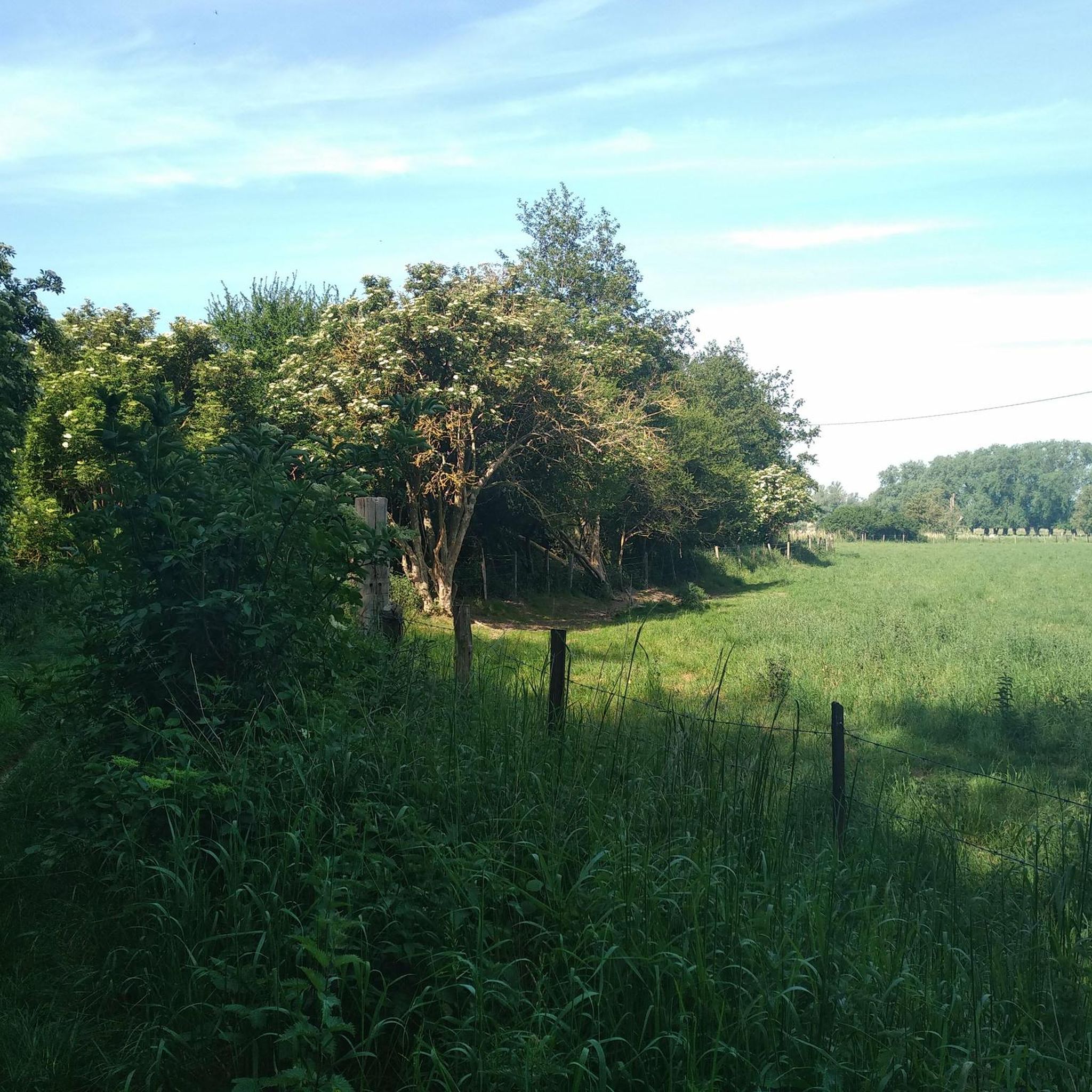
The Seven Bonnettes are a fascinating megalithic site, surrounded by legends and mysteries. Located in a picturesque valley, this 75 meter high mound is crowned with standing stones forming a crown. According to legend, these stones represent six young girls and a musician, transformed into statues by Heaven for having danced instead of attending vespers.
1
0

They are part of the unknown treasures of Arras and the Pays d'Artois. The various megalithic sites are good for a beautiful walk, among mysteries and legends, history and extraordinary landscapes. Set sail for the Scarpe valley and the Sensée valley, in the wake of the megaliths of the Pays d'Artois.
2
0
Small mythical location. The stone pillars on top have already made many passers-by think. They are part of the unknown treasures of Arras and the Pays d'Artois. The various megalithic sites are good for a beautiful walk, among mysteries and legends, history and extraordinary landscapes. Set sail for the Scarpe valley and the Sensée valley, in the wake of the megaliths of the Pays d'Artois.
1
0

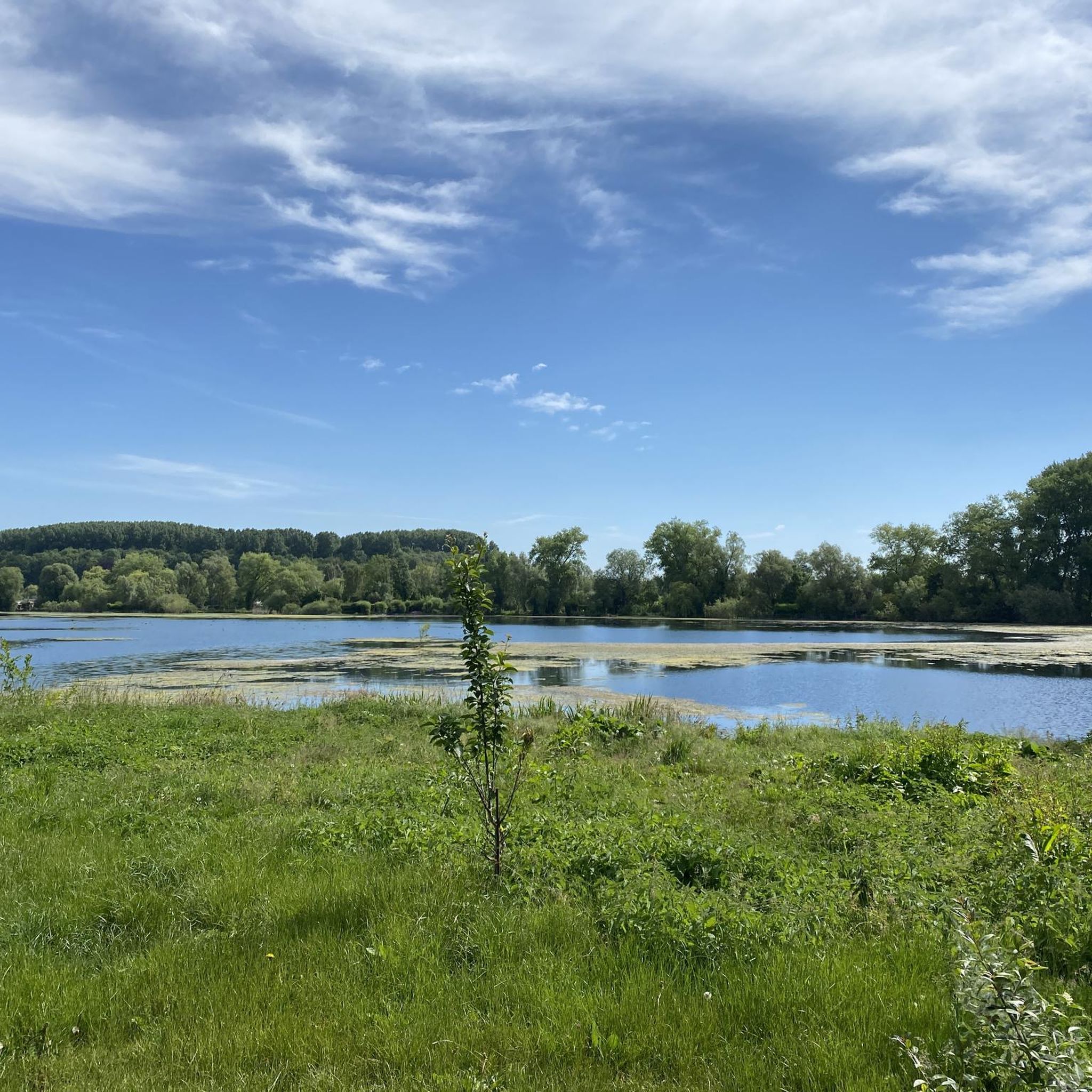
If you are looking for a nice bike ride along the Scarpe, you can go to Lock No. 30 in Athies, a lock that regulates the water level and allows the passage of boats . Lock No. 30 at Athies is part of the Scarpe Supérieure, a canalized section of the river which connects Arras and Douai. It is also a hydrographic area which contributes to the water quality and biodiversity of the region. Lock No. 30 in Athies is a privileged place to appreciate the technical and environmental aspects of the Scarpe.
5
0

The story goes that once the people of the country showed the scratches produced, according to legend, by the claws of the demon when he seized the stone. Streaks do indeed appear on two sides of the menhir… But are they the same as before or do they come from the destruction of the stone in 1918
2
0

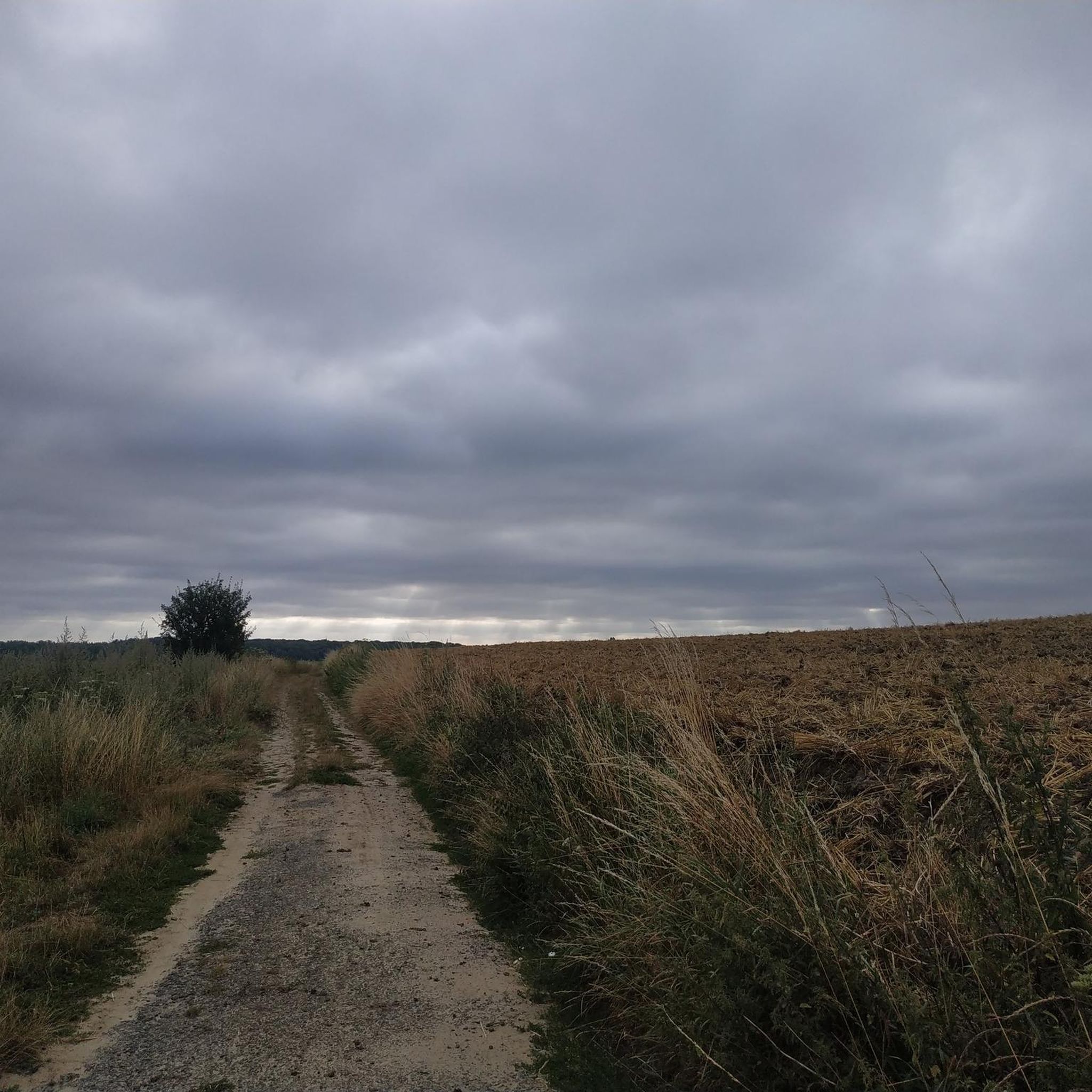
The further from Arras the worse the towpath gets.
5
0

Menhir to discover. A descriptive panel is present at the parking lot of the site. Access is by a grassy path, not dented, practicable.
1
0
Frequently Asked Questions
What historical sites can I visit around Étain?
Étain and its surroundings are rich in history, particularly related to World War I. You can explore Fort de Vaux, a strategically important site during the Battle of Verdun, or visit Vaux-Devant-Damloup, a village rebuilt after its destruction in 1916. The 12th-century Saint-Martin Church, with its Flamboyant Gothic chancel and a statue by Ligier Richier, also offers a glimpse into the region's past. Additionally, you can discover ancient megalithic sites like Les Bonnettes, The Menhir of Lécluse or the Devil's Stone, and the stone that grows, each with their own legends.
Where can I experience nature and wildlife around Étain?
For nature enthusiasts, the Amel Pond Observatory is an excellent spot to observe various bird species and other wildlife in a tranquil wetland habitat. Binoculars are recommended for birdwatching. The Wood of Tilly offers opportunities for enjoying the outdoors, and the Vaux Pond, accessible from the Fort de Vaux car park, is a good starting point for walks amidst natural scenery. You can also enjoy the biodiversity along The Scarpe by bike canal.
Are there family-friendly attractions or activities in Étain?
Yes, Étain offers family-friendly options. The Petitcollin Toy Museum and Factory Visit is a unique attraction where you can learn about the history of doll making at France's last doll factory. Many of the megalithic sites, such as The Menhir of Lécluse or the Devil's Stone and the stone that grows, are also considered family-friendly, offering intriguing legends and outdoor exploration.
What hiking opportunities are available near Étain's attractions?
There are several hiking opportunities around Étain. You can find various trails, including easy walks like the 4.5 km "Sensée Marsh loop from Lécluse" or the 5.2 km "Hiking loop from Lécluse." For longer excursions, consider the 9.5 km "Le Grand Marais loop from Boiry-Notre-Dame." You can find more detailed information and routes on the Hiking around Étain guide page.
Can I go cycling near the attractions in Étain?
Absolutely! Cycling is a popular activity in the region. The Scarpe by bike offers a pleasant route along the canal. You can explore various cycling routes, including easy options like the 14.8 km "Hamel loop from Tortequesne" or the 22.6 km "Passage between two ponds – Etangs communaux d'Arleux loop from Étaing." For more routes, check the Cycling around Étain and Road Cycling Routes around Étaing guide pages.
When is the best time to visit Étain's attractions?
The region around Étain can be enjoyed throughout the year, but spring and autumn generally offer pleasant weather for exploring historical sites and engaging in outdoor activities like hiking and cycling. These seasons provide comfortable temperatures and beautiful natural scenery. Summer is also suitable, especially for canal-side activities, though it can be warmer.
Are there any unique or lesser-known attractions to discover in Étain?
Beyond the well-known sites, the megalithic sites like Les Bonnettes, The Menhir of Lécluse or the Devil's Stone, The Big Rock, and the stone that grows offer a unique blend of history, legend, and natural beauty. These ancient monuments, often nestled in fields or marshy terrain, provide a sense of mystery and are part of the lesser-known treasures of the Pays d'Artois.
What should I wear for outdoor activities, especially hiking, around Étain?
For outdoor activities like hiking or cycling around Étain, it's advisable to wear comfortable, layered clothing suitable for the weather conditions. Sturdy walking shoes or hiking boots are recommended, especially if you plan to explore areas like The Big Rock, which can be swampy. Bringing water, snacks, and sun protection is also a good idea.
Are the attractions and trails around Étain dog-friendly?
Many outdoor areas and trails around Étain are generally dog-friendly, especially for walks along canals or in natural spaces like the Wood of Tilly. However, it's always best to keep dogs on a leash and check specific regulations for historical sites or museums before visiting. For example, while you can walk around the exterior of Fort de Vaux, interior access might be restricted for pets.
What do visitors enjoy most about the attractions around Étain?
Visitors particularly appreciate the blend of historical significance and natural beauty. The ancient megalithic sites, with their intriguing legends, offer a unique experience. The canal-side paths, like The Scarpe by bike, are popular for their peaceful cycling opportunities and biodiversity. The historical depth, especially related to World War I, provides a poignant and educational experience for many.
Is public transport available to reach attractions around Étain?
While Étain is accessible, public transport options to individual attractions in the surrounding rural areas may be limited. It is often recommended to use a personal vehicle or bicycle to fully explore the various historical sites, natural features, and megalithic monuments scattered across the region. Some attractions, like Fort de Vaux, have dedicated car parks.
Most popular attractions around Étaing

Get inspired with the komoot mobile app


Explore more
Still not found the Highlight you’re looking for? See guides of the top attractions in other regions:
