The best road cycling routes around Hermaville
4.3
(56)
1,696
riders
256
rides
Road cycling routes around Hermaville are characterized by tranquil rural landscapes and gently undulating topography. The region, part of the Artois, features rolling agricultural landscapes, wide-open fields, and "bucolic little roads" suitable for cycling. Elevations range from 85 to 142 meters, offering a pleasant environment without overly challenging climbs.
Best road cycling routes around Hermaville
- The most popular road cycling route is Lucheux Belfry – Lucheux Castle loop from Aubigny-en-Artois, a 42.0 miles (67.6 km) trail that takes 2…
Last updated: October 13, 2026
22
riders
50.0km
02:13
380m
380m
Moderate road ride. Good fitness required. Mostly well-paved surfaces and easy to ride.
5.0
(1)
18
riders
68.0km
02:55
450m
450m
Moderate road ride. Good fitness required. Mostly well-paved surfaces and easy to ride.

4.0
(1)
13
riders
Easy road ride. Great for any fitness level. Mostly well-paved surfaces and easy to ride.
5.0
(2)
12
riders
Moderate road ride. Good fitness required. Some segments of this route may be unpaved and difficult to ride.
11
riders
85.4km
03:44
600m
600m
Moderate road ride. Good fitness required. Mostly well-paved surfaces and easy to ride.
Get access to more routes and recommendations from other explorers.
Already have an account?
Our route recommendations are based on thousands of hikes, rides, and runs completed by other people on komoot.
Start today with a free account
Your next adventure awaits.
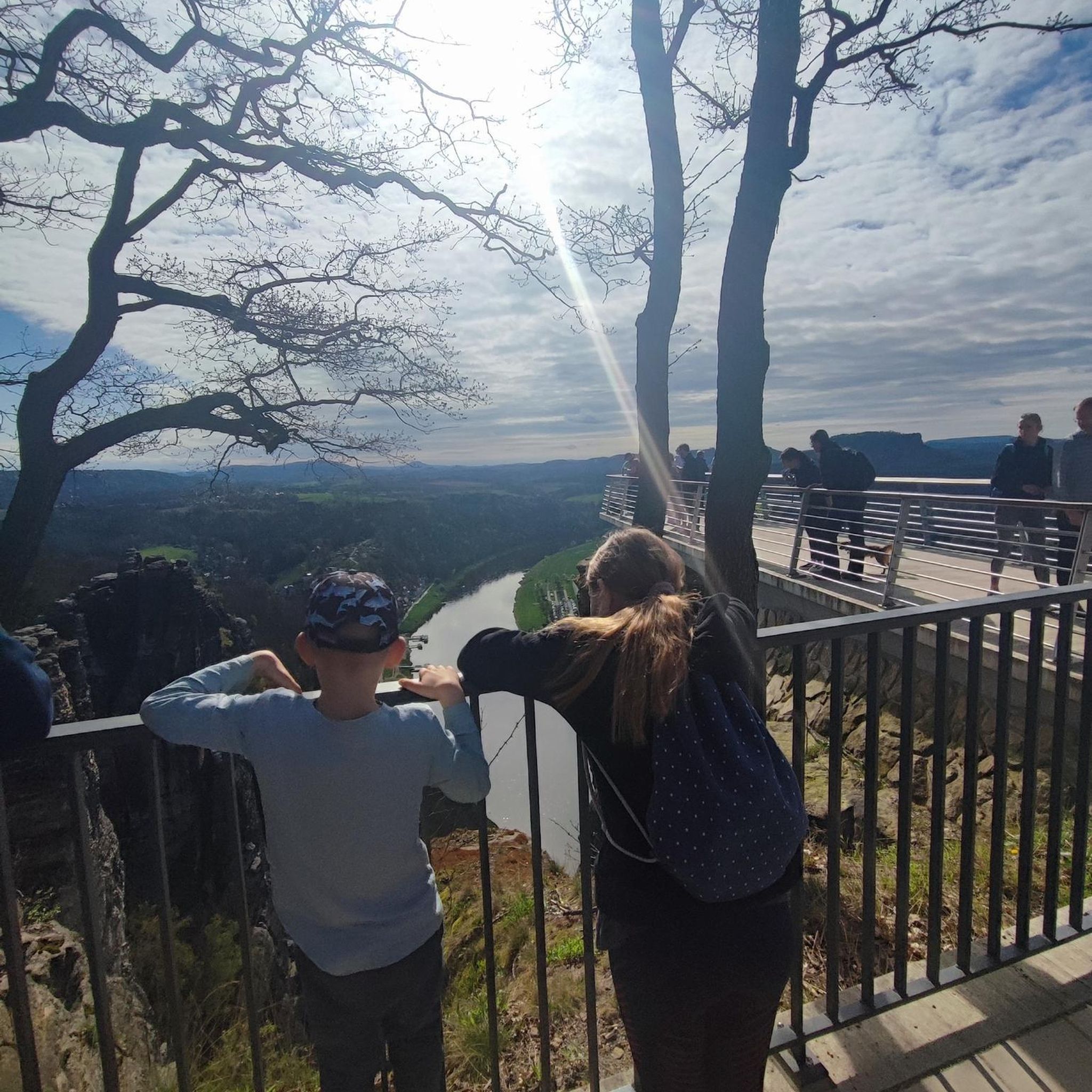


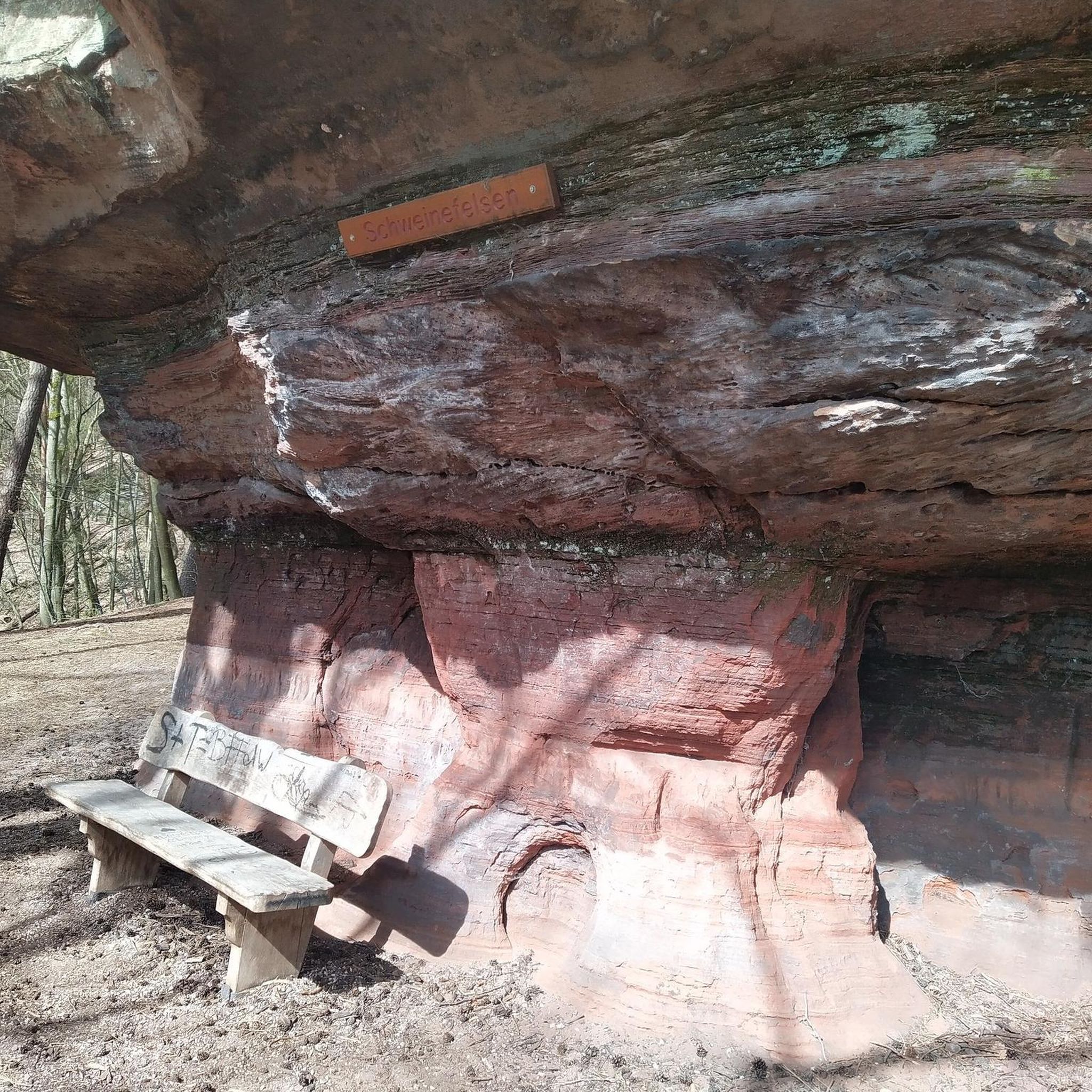
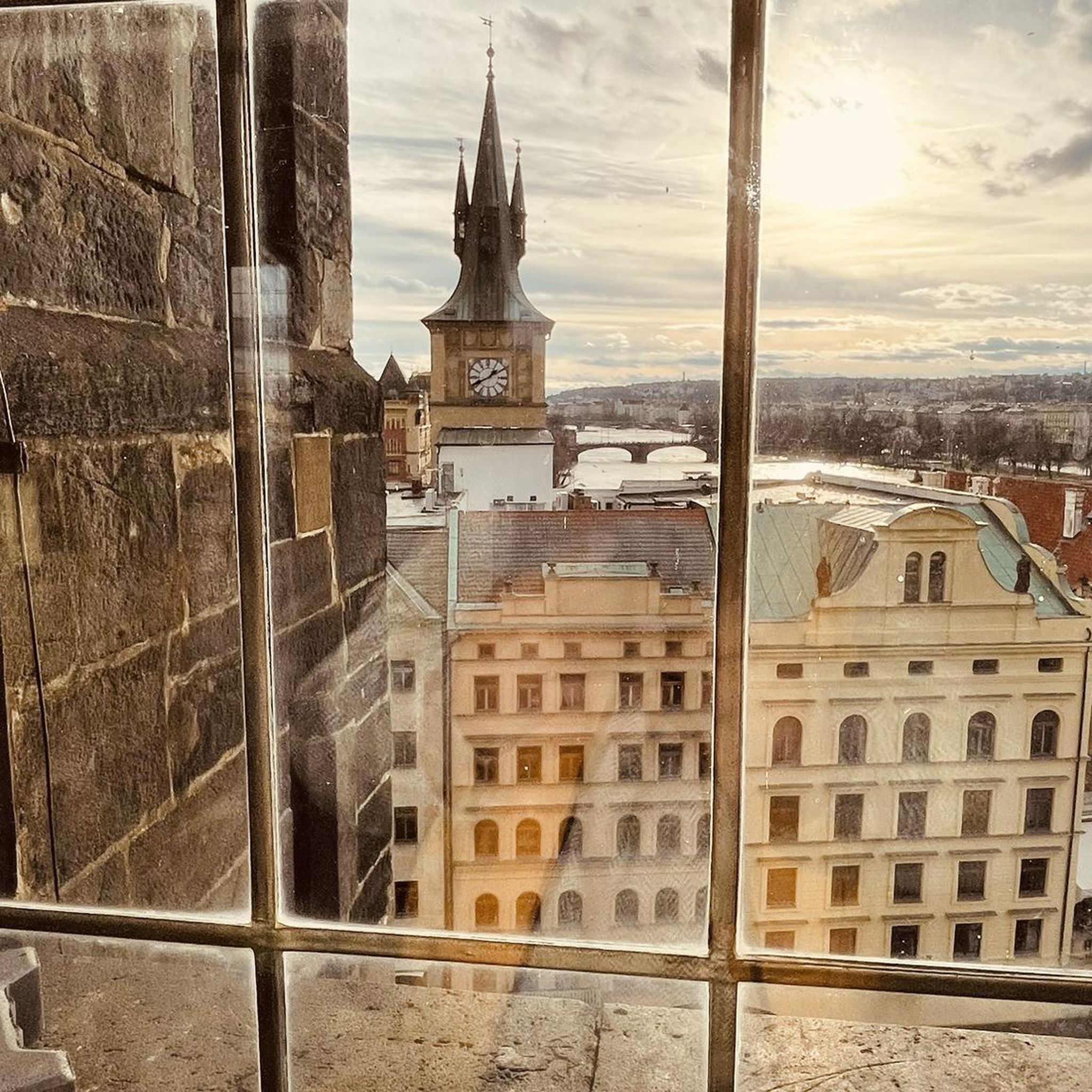
Tips from the Community

Château de Barly is a remarkably well-preserved late 18th-century country house in the Pas-de-Calais department, about 15–20 km west of Arras. It is one of the most interesting examples of Louis XVI style or early French Neoclassicism in Artois.
1
0

Magnificent memorial. The site as a whole is pleasant and rather touristy.
0
0

Mont César rises to a height of 138 meters on the left bank of the Thérain River, near the hamlet of Froidmont, in the municipality of Bailleul-sur-Thérain, in the Oise department. The hill, which overlooks the valley and surrounding marshes, has been inhabited since the Bronze Age and was likely a Gallo-Roman oppidum on an ancient, fortified Gallic camp. Archaeological excavations carried out since the 18th century have unearthed numerous objects and remains of fortifications. During excavations conducted in 1878 by Isidore Berton, Gallic coins and various objects from the Roman period were discovered. Want to know more? Click through to the source: https://fr.wikipedia.org/wiki/Mont_C%C3%A9sar
0
0

The current church was built in 1803 on the site of the old church. It was restored in 1842. The bell, cast in Douai in 1862, bears the name of its godmother: Aimée Charlotte Henriette de Richoufftz. Its baptismal name, like many bells in our villages, was given after a blessing. It was installed in the steeple, built of cut stone, in 1874, thanks to the generosity of the Richoufftz family. The sound of the bell punctuated rural life and informed the inhabitants of certain events, announcing the dangers, joys, or sorrows of daily life. The church's stained-glass windows feature the Richoufftz family crest: three gold stag heads on a blue background. Manin Castle, built in 1745, is located behind the church.
0
0

Such places are still very important today as memorials to the countless war dead. "Now, Lord, you let your servant depart in peace, as you have said..." says the so-called "Hymn of Simeon" (Luke's Gospel, Chapter 2, Verse 29). However, the many people buried here did not depart in peace, but became victims of war and an inhuman tyranny. The most important and at the same time everlasting function of the military or honorary cemeteries or war graves is therefore to keep the memory of this suffering alive and - every generation anew (!) - to remind them of the need to maintain peace in the long term.
0
0

One of the rare trestles (or headframes, we can say both) still standing (although this one has probably been moved). These trestles were in fact the elevators which allowed the miners to descend into the pit.
0
0

Monument to the dead of Neuville-Saint-Vaast during the two world wars. The village was evacuated at the start of the Great War, destroyed by the fighting of 1915. The village was completely rebuilt after the war, hence its motto Resurgam and its coat of arms with the phoenix. The reconstruction was completed in the 1930s.
0
1
Frequently Asked Questions
How many road cycling routes are available around Hermaville?
There are over 240 road cycling routes around Hermaville, offering a wide range of options for different preferences and skill levels. This includes approximately 45 easy routes, 188 moderate routes, and 12 more challenging options.
What is the typical terrain like for road cycling in Hermaville?
Road cycling in Hermaville is characterized by tranquil rural landscapes and gently undulating topography. The region, part of the Artois, features rolling agricultural landscapes, wide-open fields, and 'bucolic little roads.' Elevations typically range from 85 to 142 meters, providing a pleasant environment without overly challenging climbs.
Are there routes suitable for beginners or less experienced cyclists?
Yes, Hermaville offers a good selection of routes suitable for beginners. With around 45 easy routes available, cyclists new to the area or looking for a more relaxed ride can find suitable options. These routes generally feature minimal elevation gain and quiet roads.
What do other cyclists say about road cycling in Hermaville?
The road cycling routes around Hermaville are highly rated by the komoot community, with an average score of 4.3 stars from over 50 reviews. More than 1,400 road cyclists have used komoot to explore the varied terrain, often praising the quiet rural roads and scenic countryside.
Are there any historical landmarks or points of interest to see along the routes?
Yes, the region around Hermaville is rich in history and offers several interesting landmarks. You might encounter sites like the Olhain Castle, the ancient Abbey of Mont-Saint-Éloi, or the intriguing Passage dolmen: The Fairy Table. Some routes, like the Lucheux Belfry – Lucheux Castle loop from Aubigny-en-Artois, specifically feature historical landmarks.
Are there circular road cycling routes available around Hermaville?
Yes, many of the road cycling routes around Hermaville are designed as loops, allowing you to start and finish at the same point. Examples include the popular Abbey of Mont Saint-Éloi – Abbey of Mont-Saint-Éloi loop from Habarcq or the Bosquet du château – Le Bois d'Enfer loop from Izel-lès-Hameau, which offer convenient circular journeys through the scenic countryside.
What kind of scenery can I expect on road cycling routes near Hermaville?
You can expect picturesque rural scenery, characterized by rolling agricultural landscapes, wide-open fields, and charming 'bucolic little roads.' The area is known for its 'beautiful white stone buildings in a green setting,' offering an idyllic backdrop for leisurely rides. The region's preserved heritage also means you'll often pass through quaint villages.
What is the best time of year to go road cycling in Hermaville?
Given the pastoral and agricultural nature of the region, spring and early autumn are generally ideal for road cycling in Hermaville. During these seasons, the weather is typically mild, and the countryside is vibrant with greenery or autumn colors, making for very pleasant riding conditions. Summer can also be enjoyable, though it may be warmer.
Are there places to stop for refreshments or food along the routes?
While specific cafes or pubs directly on every route are not detailed, Hermaville and the surrounding villages are part of a preserved region with local heritage. It's common to find small establishments in these villages. Planning your route to pass through larger villages or towns will increase your chances of finding places to stop for refreshments.
Is parking available near the starting points of road cycling routes?
As Hermaville is a rural village and many routes start from nearby towns like Aubigny-en-Artois or Izel-lès-Hameau, parking is generally available. You can typically find public parking in the centers of these villages or near local amenities, making it convenient to access the starting points of the routes.
Are there challenging road cycling routes with significant elevation gain?
While Hermaville's terrain is generally gently undulating, there are some routes that offer more significant elevation gain for those seeking a challenge. The region's elevation ranges from 85 to 142 meters, and some routes, like the Abbey of Mont Saint-Éloi – The White Way loop from Aubigny-en-Artois, feature over 400 meters of ascent, providing a good workout amidst the rolling hills.
Most popular routes around Hermaville
Most popular attractions around Hermaville

Get inspired with the komoot mobile app


Explore more
Browse the best Road cycling routes in other regions.
