Top 12 Castles around Dossenheim
Best castles around Dossenheim are situated in the Rhine-Neckar-Kreis in Baden-Württemberg, Germany. The region features a diverse landscape, including the Rhine plain, Bergstraße, and the foothills of the Ölberg. Dossenheim is home to historic sites like Schauenburg Castle, a ruined spur castle that offers views over the surrounding area. The area provides a connection to medieval history amidst natural surroundings.
Best castles around Dossenheim
- The most popular castles is Haut-Barr Castle, a castle that stands above Saverne with views…
Last updated: June 23, 2026
Haut-Barr Castle
Highlight • Castle
Translated by Google •
Tip by

Château du Grand Géroldseck
Highlight • Castle
Translated by Google •
Tip by
Sign up now to discover places like this
Get recommendations on the best single tracks, peaks, & plenty of other exciting outdoor places.
Sign up for free
Petit Geroldseck Castle
Highlight • Castle
Translated by Google •
Tip by

Rohan Castle
Highlight • Castle
Translated by Google •
Tip by

Château des Rohan de Saverne
Highlight • Castle
Translated by Google •
Tip by

Sign up for free to discover even more castles around Dossenheim.
Sign up for free
Already have an account?
Start today with a free account
Your next adventure awaits.
Login or Signup

Tips from the Community

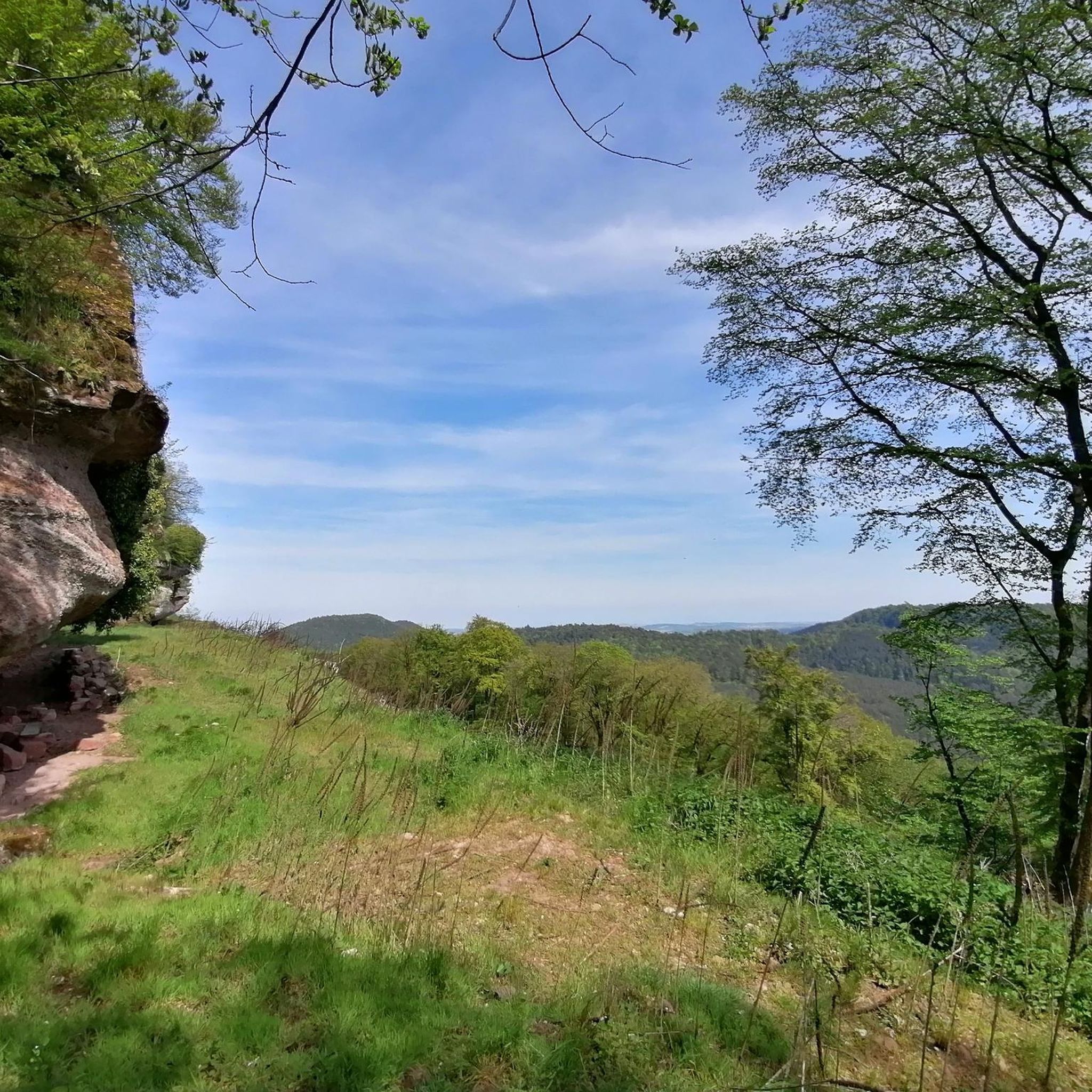
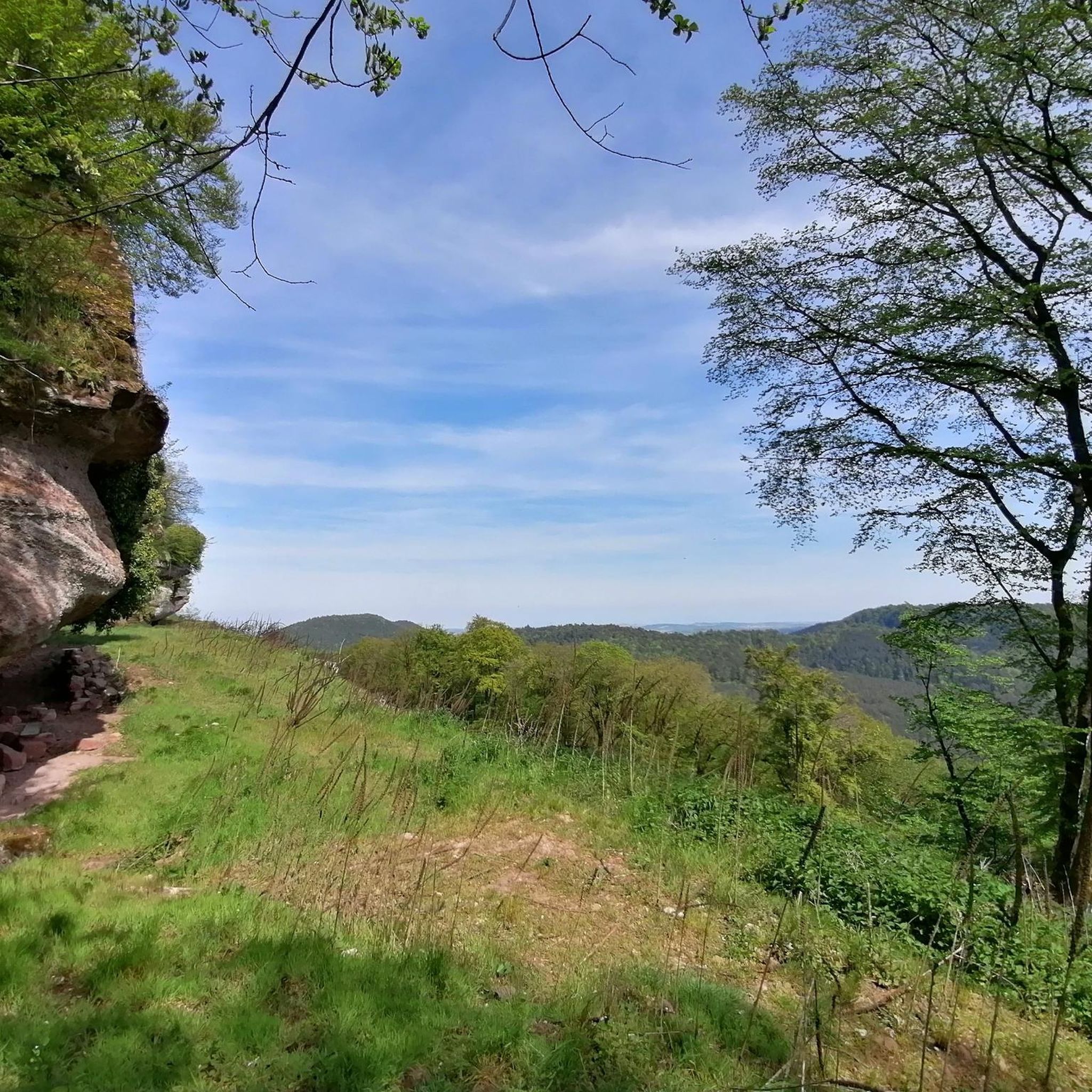
This small castle is nowhere near as impressive as its two neighboring castles. But the climb is still worth it.
0
0

The Château des Rohan, formerly called "The Little Alsatian Versailles," is located in the city center of Saverne on the Rhine-Marne Canal. This former bishop's castle, built in the 13th century and restored in the 19th century on the initiative of Napoleon III, now houses a museum, a cultural center, a youth hostel, and a school. The neoclassical façade (park side), made of pink sandstone, is 140 meters long, which is the same horizontal height as Strasbourg Cathedral. The Château des Rohan Museum presents extensive Gallo-Roman and medieval archaeological collections. It consists of three departments: Art and History, Louise Weiss, and Archaeology. The Art and History department encompasses many areas: paintings, prints, and 15th- and 16th-century polychrome wood carvings from the churches of Saverne and the region, as well as a room dedicated to the history of the castle. Louise Weiss Department To honor her Alsatian ties (her family originally came from Petite-Pierre near Saverne), journalist Louise Weiss (1893-1983) donated her collections (ethnographic objects, paintings, drawings, 19th- and 20th-century decorative arts, and personal archives) to the Saverne Museum in 1981 and 1983. Archaeological Department In the vaulted cellars of the castle, the museum houses a rich archaeological collection, including numerous Gallo-Roman funerary and votive steles. Tours of the museum and access to the castle roof are available (upon request). Admission (museum + roof access): €5 (adults) and €4 (students)
0
0

Elongated rock castle above the Zorn valley, southwest of Saverne. After a varied history, it has been state property for approx. 150 years. Varied structures from different eras in the inner courtyard. Great view over the Rhine valley and the northern Vosges.
3
0
A large neoclassical palace from the late 18th century, especially in relation to the relatively small town. Located at the lower end of the old town, it has a large park at the rear, facing the Rhine-Marne Canal. The palace now belongs to the city and houses two museums, a primary school, a youth hostel, and several theaters and event venues. The varied history of its use is interesting; details can be found online: https://de.m.wikipedia.org/wiki/Rohan-Schloss
5
0


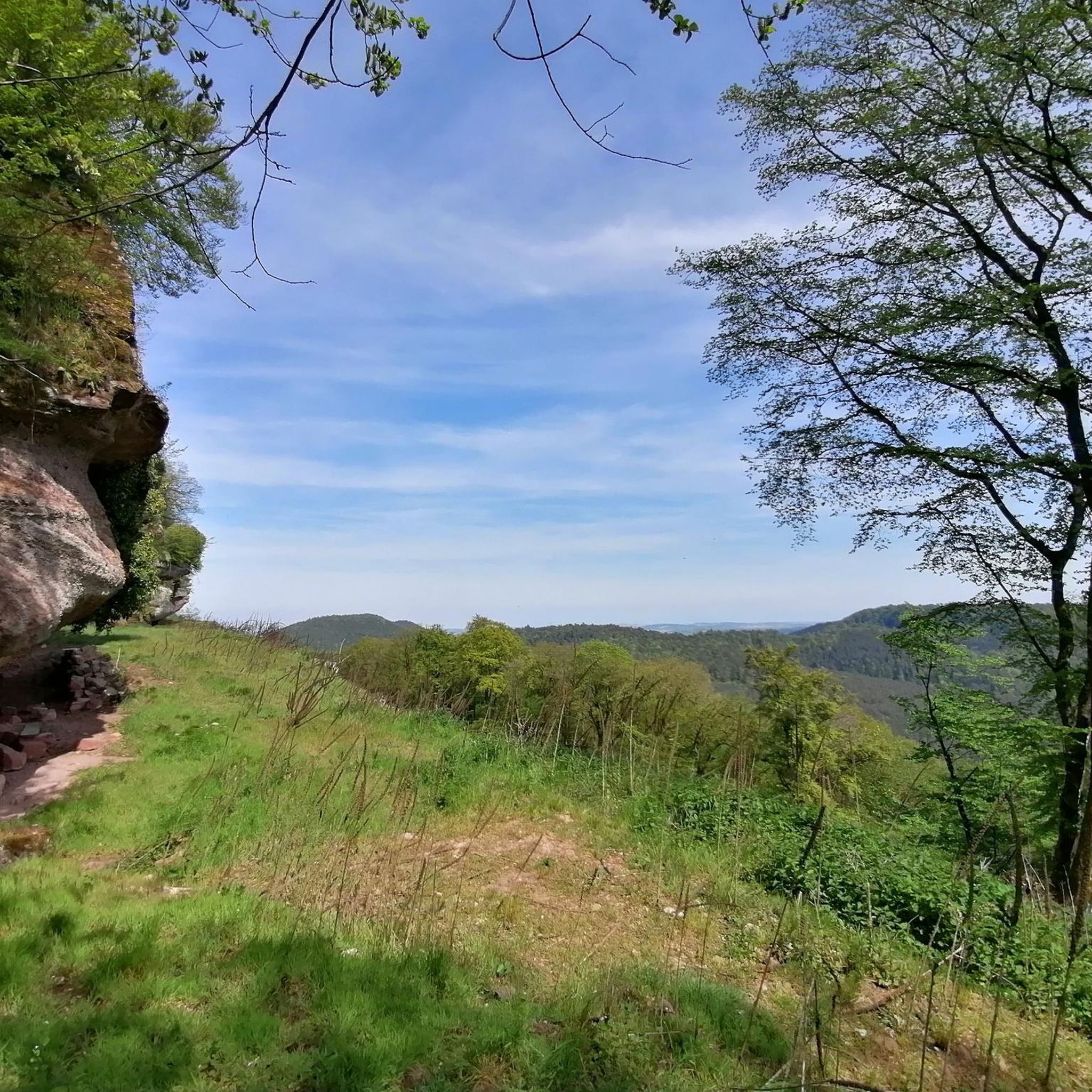
Presumably, the small and large Geroldseck were once built together. Today, remnants of the ruins can still be seen, but they are still worth seeing.
0
0
Castle after castle after castle...This one has little view, is therefore less visited and therefore much quieter than various neighboring castles. Nice, rainproof bench
0
0

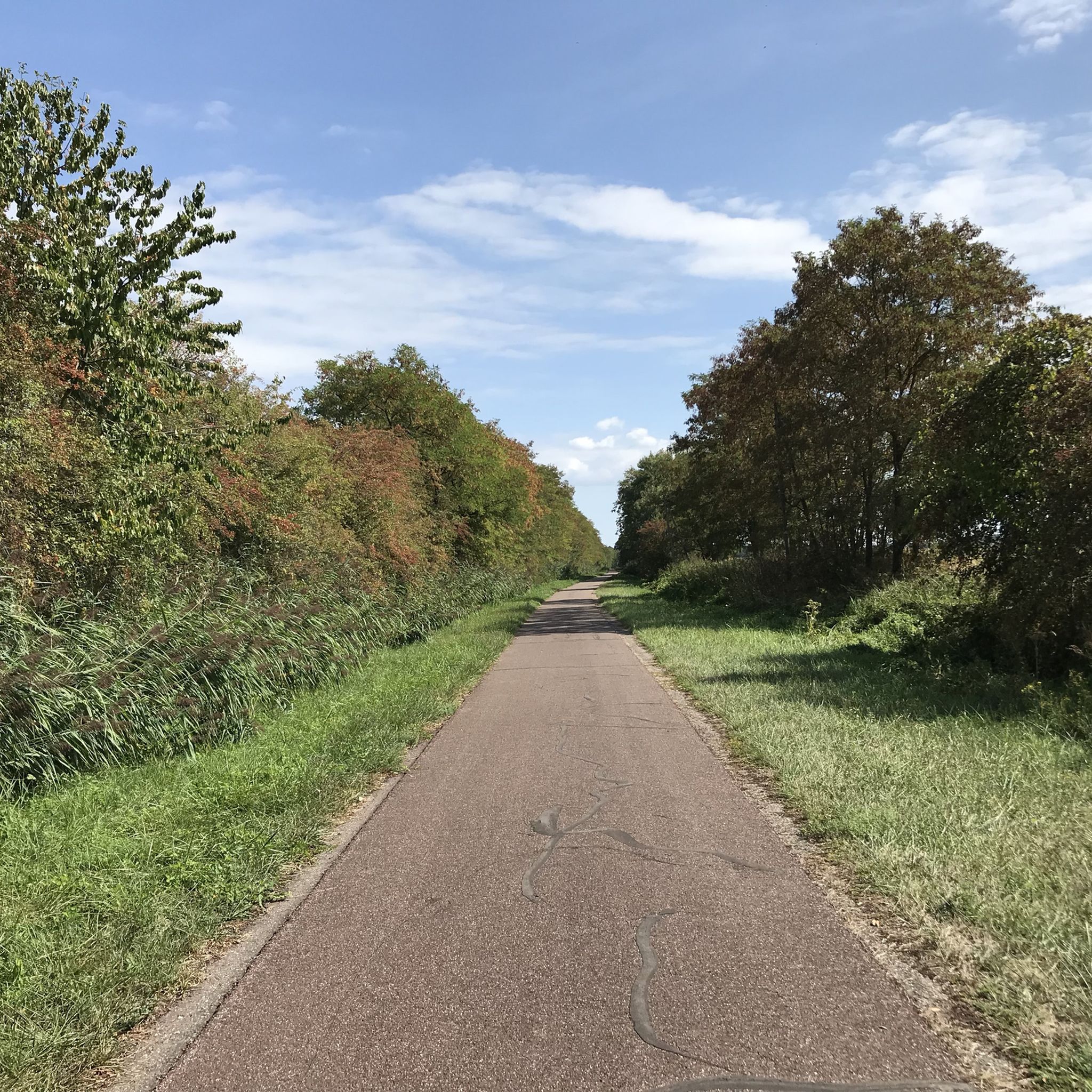
Impressive building in Saverne - not far from the cycle path.
2
0
Frequently Asked Questions
What historical significance do the castles around Dossenheim hold?
The castles in the Dossenheim area, such as the historic Schauenburg Castle, are significant cultural heritage sites. Schauenburg Castle, for instance, was constructed in the 12th century and played a role in regional conflicts, like the Palatinate-Mainz War. These sites offer a glimpse into the region's medieval past, showcasing the strategic importance of the area and the architectural styles of the time.
Which castles offer the best panoramic views of the surrounding landscape?
Several castles in the region provide excellent panoramic views. Haut-Barr Castle is known for its fantastic views over the Vosges and the Rhine Valley, where on clear days, you can even see Strasbourg Cathedral. Schauenburg Castle, located above Dossenheim, also offers picturesque views over the Bergstraße and the Rhine plain. Château du Grand Géroldseck and Greifenstein Castle also feature viewpoints with impressive vistas.
Are there hiking trails that include castle visits near Dossenheim?
Yes, the Dossenheim area is excellent for combining hiking with castle exploration. Many routes incorporate visits to these historic sites. For example, you can find trails like the 'Saint Michael Chapel – Warthenberg Castle loop' or the 'Kanzel Rock – Warthenberg Castle loop' that lead you past Warthenberg Castle. You can explore various options in the MTB Trails around Dossenheim and Running Trails around Dossenheim guides.
How much time should I allocate for visiting a castle ruin like Schauenburg Castle?
For a castle ruin like Schauenburg Castle, you can typically expect to spend 1 to 2 hours exploring the site, reading information boards, and enjoying the views. If you combine it with a hike to or from the castle, your total time will be longer, depending on the chosen route.
Is there parking available near the castles?
For Schauenburg Castle in Dossenheim, parking is generally available in the town below, with marked paths leading up to the ruins. For other castles, parking availability varies. It's advisable to check specific visitor information for each castle if driving is your primary mode of transport.
Are the castles around Dossenheim family-friendly?
Many of the castle ruins, including Schauenburg Castle, are suitable for families. Exploring the ruins and enjoying the natural surroundings can be an engaging activity for children. The open-air nature of most ruins allows for freedom to explore. Some castles, like Rohan Castle, also house museums or cultural centers that can be interesting for families.
Can I visit the castles with my dog?
Most outdoor castle ruins and the surrounding hiking trails are generally dog-friendly, provided dogs are kept on a leash. Schauenburg Castle, being an open ruin amidst nature, is suitable for dog walks. However, if a castle has indoor sections or specific rules, it's best to check in advance.
When is the best time to visit the castles around Dossenheim?
The best time to visit is typically during spring, summer, and early autumn (April to October) when the weather is pleasant for outdoor exploration and hiking. The views are clearer, and the trails are in good condition. While some ruins are accessible in winter, paths might be slippery, and facilities could be limited.
Are there dining options or cafes near the castles?
Some larger castles or those in more developed areas may have on-site restaurants or cafes. For example, Haut-Barr Castle has a restaurant. Near Château du Grand Géroldseck, gastronomy is available at the nearby Hohbarr castle. For ruins like Schauenburg Castle, you'll find dining options in the nearby town of Dossenheim.
What unique features can I find at the castles in this region?
The castles offer diverse unique features. Haut-Barr Castle features a 'Devil's Bridge' connecting rock formations. Château du Grand Géroldseck boasts an imposing keep preserved on one side in its full height. Schauenburg Castle, despite being a ruin, still preserves parts of its curtain wall and keep, with its original main entrance made accessible by a wooden bridge.
Are the castle ruins accessible for visitors with mobility issues?
Many castle ruins, by their nature, involve uneven terrain, stairs, and steep paths, which can pose challenges for visitors with mobility issues. Schauenburg Castle, for instance, is located on a spur above the town. Rohan Castle, being a palace, may offer better accessibility for certain parts, but it's best to check specific accessibility information for each site.
What kind of natural surroundings can I expect around the castles?
The castles around Dossenheim are often nestled in diverse natural landscapes. Schauenburg Castle offers views over vineyards and the Rhine plain. Many castles are situated on rocky plateaus or within wooded areas, providing a blend of historical exploration with nature walks. You can expect scenic views, forests, and sometimes rock formations, making them ideal for outdoor enthusiasts.
Most popular routes around Dossenheim
Most popular attractions around Dossenheim

Get inspired with the komoot mobile app


Explore more
Looking for the best castles somewhere else? Discover other guides around Dossenheim:
