Attractions and Places To See around Liévin - Top 20
Best attractions and places to see around Liévin, a city in the Hauts-de-France region, offer a blend of historical significance and natural landscapes. The area is notable for its rich coal mining heritage and its role in World War I. Visitors can explore former mining slag heaps transformed into nature reserves and significant war memorials. Liévin provides a range of cultural and outdoor experiences.
Best attractions and places to see around Liévin
- The most popular attractions is Notre-Dame-de-Lorette National Cemetery, a historical site that is one of the largest military cemeteries in France. It contains the graves of over 42,000 soldiers who died during the First World War and includes a basilica, a tower-lantern, and a museum.
- Another must-see spot is Canadian National Vimy Memorial, a man-made monument commemorating members of the Canadian Expeditionary Force who died during the First World War. It bears the names of 11,169 Canadian soldiers with no known grave and stands as a symbol of Canadian courage and sacrifice.
- Visitors also love The ruined church of Ablain-Saint-Nazaire, a historical site. This 16th-century church, badly damaged during WWI, has been preserved as a monument to commemorate the conflict.
- Liévin is known for its war memorials, historical sites, and transformed industrial landscapes. The region offers a variety of attractions, from poignant remembrance sites to natural areas like former mining terrils.
- The attractions around Liévin are appreciated by the komoot community, with 94 photos and 163 upvotes across 2 highlights.
Last updated: May 5, 2026
Canadian National Vimy Memorial
Highlight • Monument
Translated by Google •
Tip by

Notre-Dame-de-Lorette National Cemetery
Highlight • Historical Site
Translated by Google •
Tip by
Sign up now to discover places like this
Get recommendations on the best single tracks, peaks, & plenty of other exciting outdoor places.
Sign up for free
The ruined church of Ablain-Saint-Nazaire
Highlight • Historical Site
Translated by Google •
Tip by
Towards the Canadian trenches of Vimy
Highlight • Monument
Translated by Google •
Tip by
Canadian Memorial
Highlight • Other
The Canadian National Vimy Memorial in Pas-de-Calais is today the largest national Canadian memorial site abroad. On site you can see that the underground facilities and trenches are still intact.
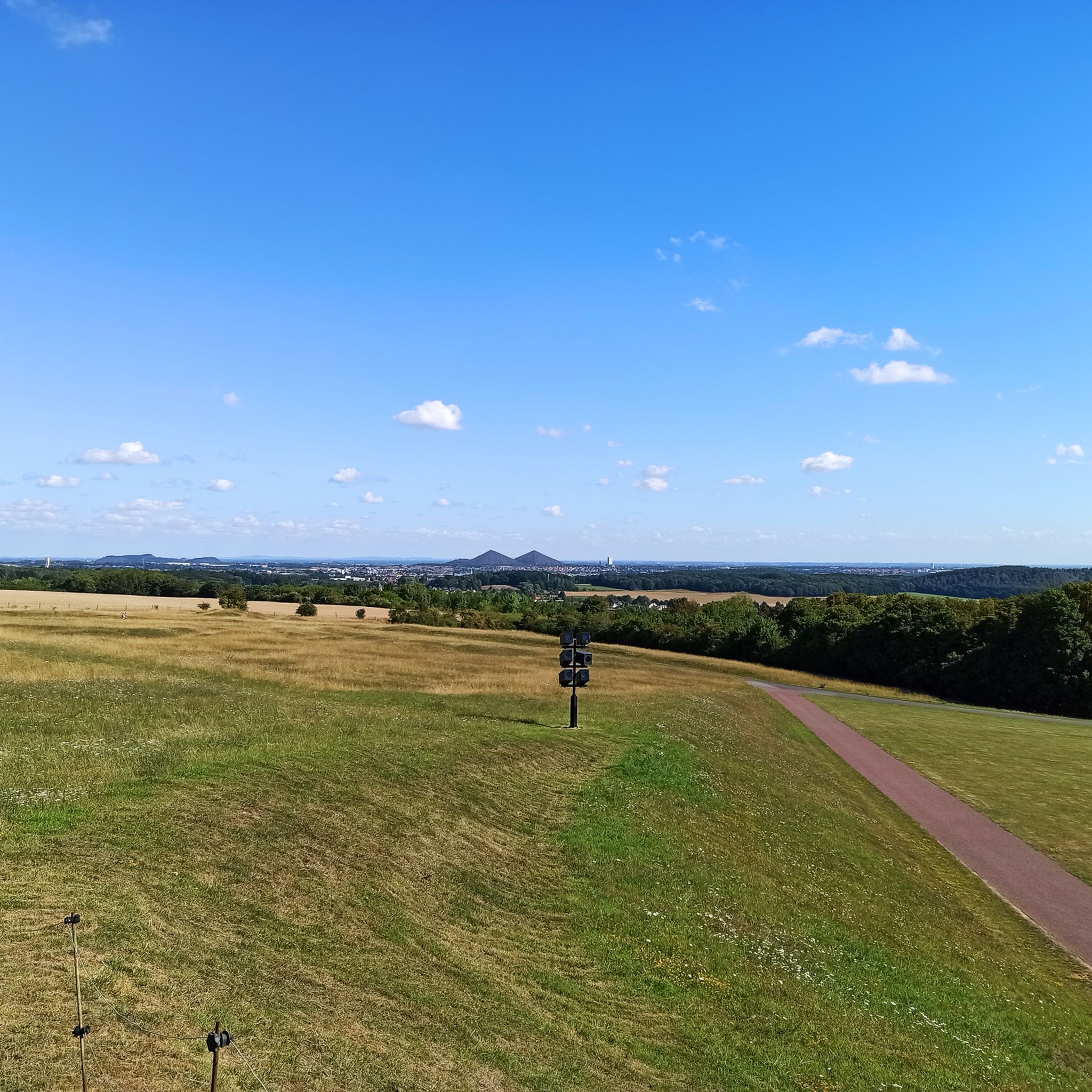
The Vimy ridge offers a magnificent panorama of the mining area and the hills of the Artois region.
More info at france-voyage.com/frankrijk-toerisme/het-canadian-national-vimy-memorial-639.htm
Translated by Google •
Tip by

Sign up for free to discover even more attractions around Liévin.
Sign up for free
Already have an account?
Start today with a free account
Your next adventure awaits.
Login or Signup

Tips from the Community

The ruins of the old church of Ablain-Saint-Nazaire are an impressive and symbolic remnant of the First World War. Built in the 16th century in flamboyant Gothic style by Jacques Le Caron, this church was badly damaged during the fighting in 1915. The ruins have been preserved as a monument to commemorate the horrors of war.
7
0
A remarkable story about the Canadian trenches concerns the preparations for the attack on Vimy Ridge in April 1917. The Canadian divisions used an underground quarry and created additional corridors towards the front. These tunnels and trenches played a crucial role in the success of the attack, with the Canadians managing to retake the strategically important ridge in just three days.
7
0
A remarkable story about the Vimy Memorial concerns its unveiling in 1936. More than 50,000 people, including 6,200 Canadians, attended the ceremony. The presence of so many veterans and survivors underscored the profound impact of the war and the enduring bond between Canada and France. The memorial has since become a symbol of Canadian courage and sacrifice.
6
0
The Mémorial national du Canada à Vimy is an impressive war memorial, commemorating the members of the Canadian Expeditionary Force who died during the First World War. The memorial, designed by Walter Seymour Allward, was unveiled on 26 July 1936 by King Edward VIII. It commemorates the 11,169 Canadian soldiers who died in France and have no known grave.
7
0
A remarkable story about the ruins concerns the decision not to rebuild the church after the war. Although the church had been classified as a historical monument in 1908, the Commission for Historical Monuments decided that the ruins should remain as a testimony to the German destruction. Ironically, it was the French guns that had destroyed the church, but the ruins became a symbol of the war and the reconstruction.
6
0
The Nécropole nationale de Notre-Dame-de-Lorette is one of the largest and most impressive military cemeteries in France. Situated on a hill in Ablain-Saint-Nazaire, this cemetery contains the graves of more than 42,000 soldiers who died during the First World War. The cemetery was inaugurated in 1925 and includes a basilica, a tower-lantern and a museum.
7
0

The Vimy Memorial is the most prestigious Canadian monument in Europe. It is located on the very site of the 1917 fighting near Vimy in the Pas-de-Calais region of France. Erected on the highest point of the hill, Hill 145, the objective of the operations that began on April 9, 1917, it overlooks the Douai Plain. In 1921, architect and sculptor Walter S. Allward (1875-1955) won the competition from the Canadian Battlefield Memorials Commission. The significance of the battles at the site and the favorable location at the top of the hill allowed Vimy to receive the most prestigious work.
1
0

The church dedicated to the Mother of God under the title "Notre-Dame de Lorette" rises in brilliant white and is visible from far away. But the brilliant impression is deceptive, at the latest when the visitor to the site realizes that they are in a huge military cemetery. Around 20,000 individual graves and a further 23,000 victims of war and tyranny buried in ossuaries are deeply disturbing.
3
0
Frequently Asked Questions
What historical sites related to World War I can I visit near Liévin?
The region around Liévin is rich in World War I history. You can visit the poignant Notre-Dame-de-Lorette National Cemetery, one of France's largest military cemeteries, and the Canadian National Vimy Memorial, which commemorates Canadian soldiers and features preserved trenches. Another significant site is The ruined church of Ablain-Saint-Nazaire, preserved as a monument to the conflict.
Are there any natural areas or parks for outdoor activities in Liévin?
Yes, Liévin offers several natural spaces. Former mining slag heaps like Terril Sabatier and Terril de Pinchonvalles have been transformed into nature reserves, providing panoramic views and hiking opportunities. Riaumont Woods offers tranquil paths for nature connection, and Parc Urbain and Parc des Cytises are peaceful green spaces within the city.
What is the Louvre-Lens Museum, and how can I visit it?
The Louvre-Lens Museum, located a short distance from Liévin, is an annex of the famous Louvre Museum in Paris. It showcases significant artworks from the Louvre's collection in a modern architectural setting. For practical information on parking and public transport, it's best to check the museum's official website directly.
Are there family-friendly attractions or activities in the Liévin area?
Many historical sites like the Canadian National Vimy Memorial and Notre-Dame-de-Lorette National Cemetery are considered family-friendly for their educational value. For more active fun, Le Parc de la Glissoire is an adventure park in Liévin with zip lines, climbing walls, and obstacle courses suitable for families.
Can I explore Liévin's mining heritage?
Absolutely. Liévin has a rich coal mining history. The Mining History Centre (Centre Historique Minier) allows visitors to explore underground galleries and learn about the industry and miners' lives. Additionally, the Chevalement St Amé, a former pit headframe, stands as a listed historic monument symbolizing the region's mining past.
What kind of outdoor routes are available for cycling or running near Liévin?
The area around Liévin offers various routes for outdoor enthusiasts. For gravel biking, you can find routes like the 'Scarpe riverbanks – The Scarpe by bike loop' or 'View of Olhain – Brick bridge loop'. If you prefer running, options include the 'Loos-en-Gohelle slag heap loop' or 'Ring of Remembrance – Pinchoval loop'. You can find more details and specific routes on the Gravel biking around Liévin, MTB Trails around Liévin, and Running Trails around Liévin guide pages.
What are the 'terrils' and can I hike them?
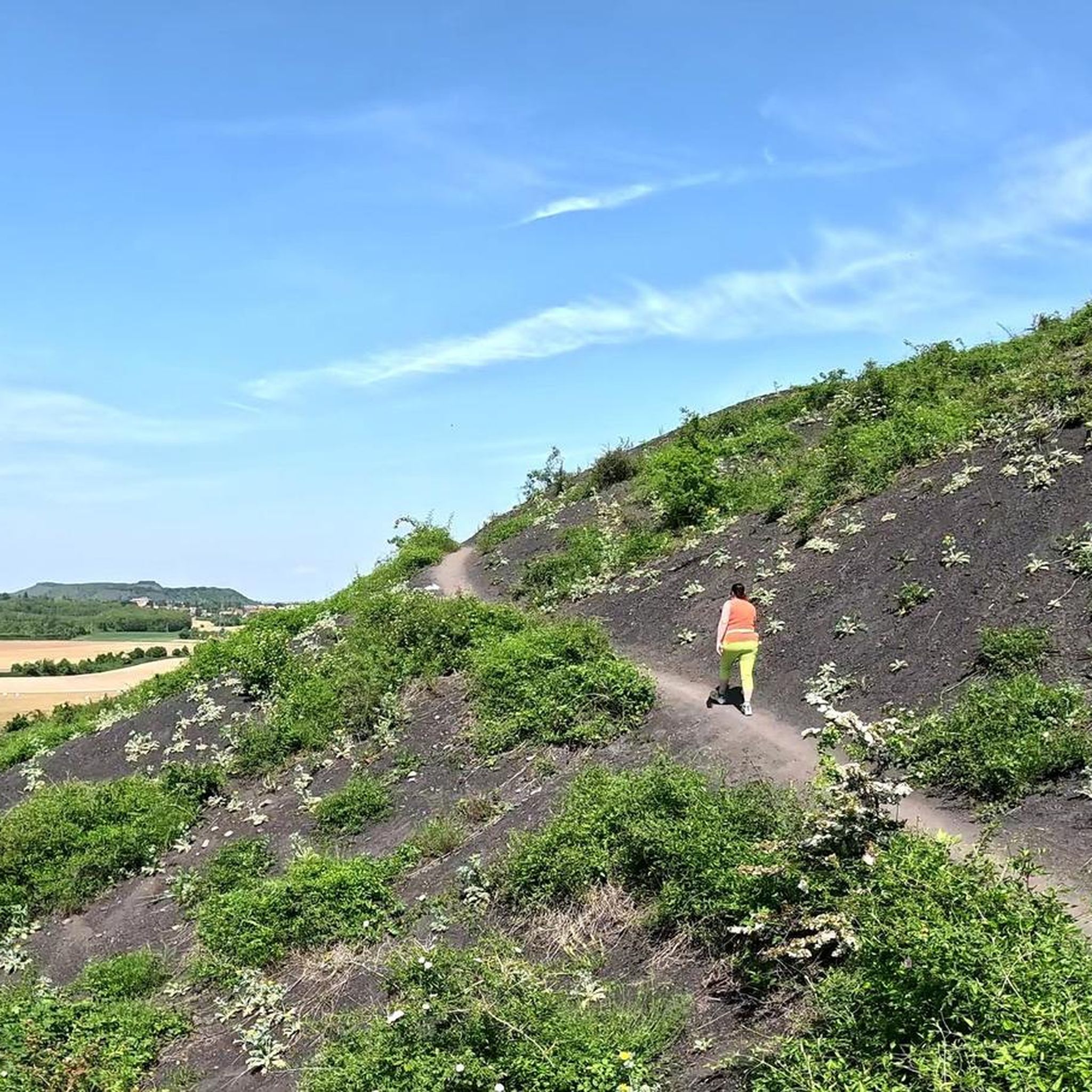
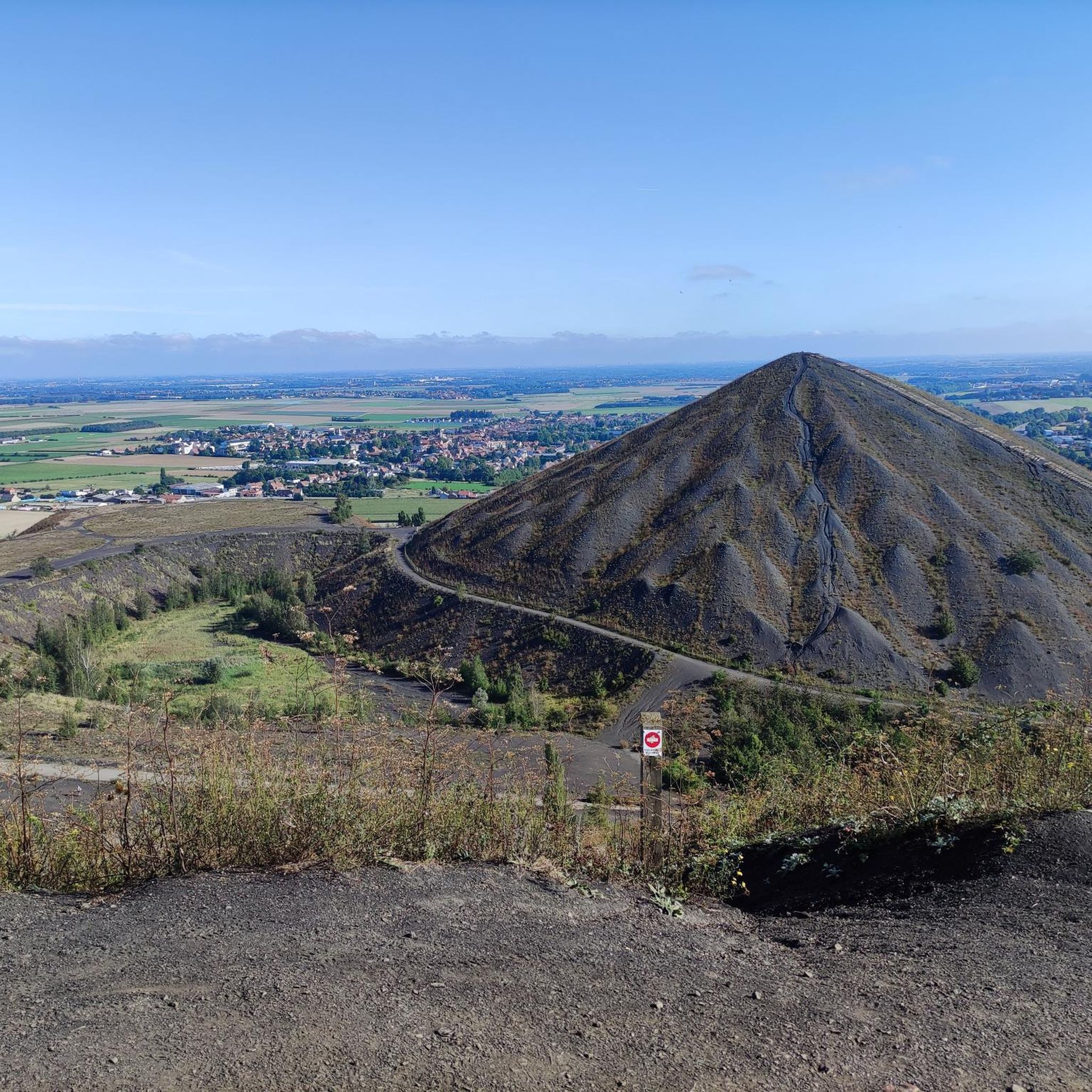
The 'terrils' are former mining slag heaps that have been reclaimed by nature. Many, like Terril Sabatier and Terril de Pinchonvalles, are now accessible for hiking and offer unique landscapes and viewpoints over the region. Terril 80 is also repurposed for sports and leisure activities.
What cultural events or local markets can I experience in Liévin?
Liévin hosts several weekly local markets where you can find local produce and artisanal crafts. The city also has a vibrant cultural scene with events like the Liévin Metal Fest, the 'Coils rebels' documentary film festival, a fun fair in July, and the 'Its Festival' in October. The Centre Arc en Ciel also hosts various performances and exhibitions.
Is the Canadian National Vimy Memorial accessible for visitors?
Yes, the Canadian National Vimy Memorial is designed to be accessible. Visitors can explore the memorial park, preserved trenches, and the monument itself. It's recommended to check their official visitor information for specific details on parking and accessibility features.
What is the best time of year to visit Liévin for outdoor activities?
The spring and autumn months generally offer pleasant weather for outdoor activities like hiking the terrils or exploring the natural parks. Summers can be warm, ideal for longer days outdoors, while winters are cooler and might be suitable for specific activities or visiting indoor attractions.
Where can I find peaceful green spaces within Liévin?
For peaceful retreats within the city, you can visit the Public Garden (Parc Urbain) or Parc des Cytises. These green spaces offer vibrant greenery, walking trails, and picnic areas, providing a serene contrast to the city's industrial past.
What do visitors appreciate most about the attractions around Liévin?
Visitors often appreciate the profound historical significance of the World War I memorials, finding them to be places of solemn reflection and remembrance. The transformation of industrial landscapes into natural areas like the terrils also receives praise for offering unique outdoor experiences and panoramic views. The blend of history, nature, and cultural insights is highly valued.
Are there any unique religious sites to visit in Liévin?
Liévin features several 20th-century religious buildings, including Saint Martin Church (1927), the Church of Our Lady of Graces (1933), and Notre-Dame-de-Lourdes. The Monastery of the Holy Cross Riaumont and its chapel are also periodically open to the public, offering a glimpse into the region's religious architecture.
Most popular attractions around Liévin

Get inspired with the komoot mobile app


Explore more
Still not found the Highlight you’re looking for? See guides of the top attractions in other regions:
