Attractions and Places To See around Marenla - Top 20
Attractions and places to see around Marenla are found in the rural Pas-de-Calais department within the Hauts-de-France region of France. The area is situated in the valley of the Canche river, offering a mix of valleys and plateaus, and includes protected natural spaces important for biodiversity. While Marenla is a small commune, its vicinity features notable historic sites, cultural landmarks, and natural points of interest.
Best attractions and places to see around Marenla
- The most popular attractions is Montreuil and…
Last updated: August 17, 2026
Montreuil and its citadel
Highlight • Other
Translated by Google •
Tip by

Saint Saulve Abbey Church
Highlight • Other
Translated by Google •
Tip by

Sign up now to discover places like this
Get recommendations on the best single tracks, peaks, & plenty of other exciting outdoor places.
Sign up for free
Chapelle Sainte Austreberthe
Highlight • Religious Site
Translated by Google •
Tip by

Moulin de maintenay
Highlight • Other
Translated by Google •
Tip by
The statue of Marshal Douglas Haig
Highlight • Monument
Translated by Google •
Tip by
Sign up for free to discover even more attractions around Marenla.
Sign up for free
Already have an account?
Start today with a free account
Your next adventure awaits.
Login or Signup



Tips from the Community


Montreuil on the sea
1
0
Montreuil on the sea
1
0

The origins of Montreuil, whose name derives from the Latin 'monasteriolum' (small monastery), are closely linked to its religious history. The abbey church of Saint-Saulve in Montreuil-sur-Mer was built in the 12th century and is located on the site of an older monastery dedicated to Saint Walloy, founded in the 10th century. In 926, the monks of Landévennec (Finistère) fled the Norman invasions and found refuge in Montreuil, where they founded the abbey of Saint-Walloy (local deformation of the name Saint Guénolé). In 1111, this abbey changed its name when the remains of Saint-Saulve were brought there. In its original design, the building had a layout typical of pilgrimage churches with an ambulatory and radiating chapels. In the Middle Ages, the numerous relics attracted pilgrims to Montreuil and gave the town a character of holiness. It was then nicknamed 'The Necropolis of Ponthieu'. The reconstruction after the earthquake of 1467 caused the collapse of at least six religious buildings, including the Hôtel-Dieu and the Saint-Saulve church, which was completely rebuilt at the beginning of the 16th century.
7
0
The Abbey of Sainte-Austreberthe is one of two large monasteries in Montreuil-sur-Mer, originally founded in the 10th century. The protection offered by the ramparts in the context of Viking raids gave the Norman nuns of Pavilly the certainty of preserving the relics of their patron saint: Austreberthe. She is a Merovingian aristocrat from Marconnes near Hesdin. The current buildings were built in 1736 and 1750. They still include the cloister and the chapel. During the French Revolution, the nuns temporarily left France for England, taking with them the treasure trove of sacred art and the relics it contained. With the dissolution of the community at the beginning of the 19th century, works of art and precious reliquaries, including the crosier of Saint Austreberthe, were deposited in the abbey church of Sainte-Saulve, where they are still located.
8
0

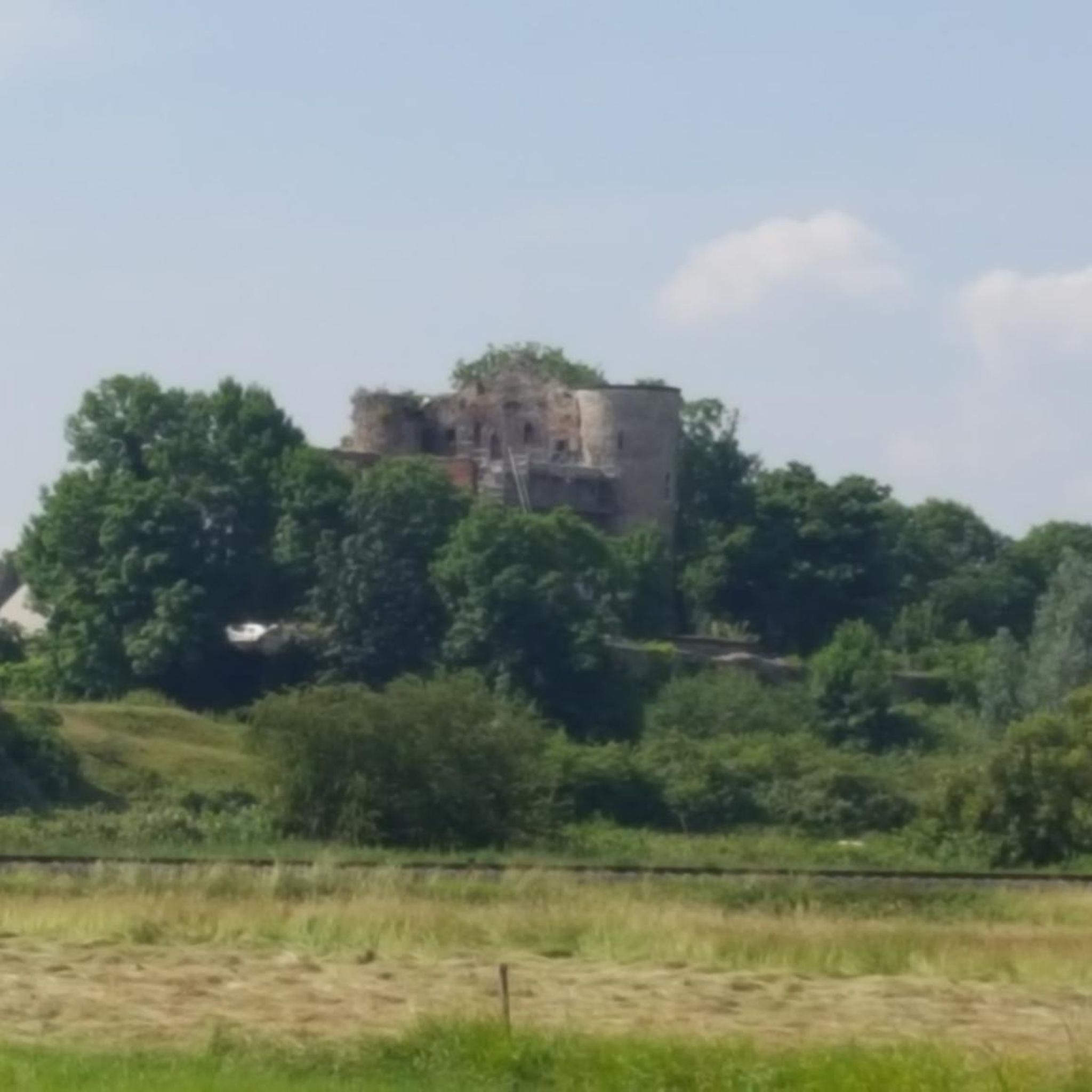
Montreuil is a royal citadel built in the 16th century on the foundations of an ancient castle. You can explore the citadel and its fortifications, admire the architecture and views of the Canche valley, and discover the history of the site. You can also visit the museum located inside the citadel, which features exhibits on the military and natural heritage of the region.
5
1

The Moulin de Maintenay is a beautiful 12th century water mill located on the banks of the Authie1. It is located in a magical place, full of charm, nestled in a valley of the Seven Valleys, just on the border between Picardy and Nord – Pas de Calais. The mill was given to the Cistercian monks of Valloires Abbey in 1197 and the monks worked there until the 18th century. After the Second World War, the flour mill ceased its activity and was transformed into a sawmill. This activity stopped in the 1970s. Today, the Moulin de Maintenay is a tourist place where you can discover the history of the mill on a self-guided or guided tour. It also has a tea room where you can enjoy homemade pancakes and pancakes on the banks of the Authie. Additionally, there is a bakery where you can buy sourdough breads, brioches, tarts, etc.
5
0
Frequently Asked Questions
What historical sites can I explore near Marenla?
The region around Marenla is rich in history. A must-visit is Montreuil and its citadel, a royal citadel from the 16th century with fortifications and ancient streets. You can also visit the 11th-century Saint Saulve Abbey Church in Montreuil-sur-Mer. Further afield, Valloires Abbey and La Chartreuse de Neuville are significant historical buildings.
Are there any natural attractions or protected areas to visit?
Yes, Marenla is situated in the valley of the Canche River, which offers scenic landscapes. The area also includes protected natural spaces like the Flayer cavity, Beaurainchâteau marsh, and Planty marsh, managed for their biodiversity. The Valloires gardens, near Valloires Abbey, also offer a beautiful natural outing.
What kind of outdoor activities can I do around Marenla?
The area offers various outdoor activities. You can find numerous running trails, including moderate loops from Marenla itself or more challenging routes along the Banks of the Canche. For cycling, there are gravel biking and MTB trails available, with routes exploring areas like the Citadel of Montreuil and the Bois du Fond des Pendus. You can find more details on these activities in the Running Trails around Marenla, Gravel biking around Marenla, and MTB Trails around Marenla guides.
Are there family-friendly attractions in the Marenla area?
While Marenla itself is small, nearby attractions cater to families. Parc Bagatelle is an amusement park located close by. Exploring the historic ramparts of Montreuil-sur-Mer can also be an engaging activity for children, and the Moulin de maintenay offers tours and a tea room with homemade treats.
Where can I find unique local experiences or crafts?
The Moulin de maintenay, a 12th-century water mill, offers a unique experience. You can take a self-guided or guided tour to learn about its history and enjoy homemade pancakes and a bakery with sourdough breads and tarts.
What are some notable landmarks besides the citadel?
Beyond the citadel, the Saint Saulve Abbey Church in Montreuil-sur-Mer is an 11th-century structure with historical artworks. Another significant landmark is The statue of Marshal Douglas Haig, located in Montreuil-sur-Mer, commemorating the British commander during WWI.
Are there any gardens or tranquil spots for relaxation?
Yes, the Valloires Abbey is accompanied by Les Jardins de Valloires, which are described as a great place for meditation and natural outings. Additionally, Les Jardins de Sericourt, located a bit further east-south-east, offer another beautiful garden experience.
What is the best time to visit Marenla and the surrounding region?
The region is generally pleasant during spring and summer (May to September) when the weather is milder and gardens are in full bloom. This is also ideal for outdoor activities like hiking and cycling. Historical sites and towns like Montreuil-sur-Mer can be visited year-round, though some attractions might have seasonal opening hours.
Where can I find local markets near Marenla?
Several nearby towns host local markets. You can find markets in Hesdin (Thursdays), Cucq (Wednesdays, Sundays - seasonal), Etaples (Tuesdays & Fridays), and Berck (various days including Wednesdays, Tuesdays, Sundays, Saturdays).
What is the significance of the Canche River in the region?
Marenla is situated in the valley of the Canche River, a coastal river that flows for over 100 km. The river and its valley contribute significantly to the region's natural beauty, offering a mix of valleys and plateaus, and providing a scenic backdrop for many outdoor activities and historical sites like Montreuil-sur-Mer.
Are there any coastal attractions within a reasonable distance?
Yes, the region is relatively close to the coast. You can visit the Bay of Authie and the famous '2 caps' (Cap Gris Nez and Cap Blanc Nez) for stunning coastal landscapes. Large sandy beaches are also accessible, with some accommodations being just 4 km from the coast.
Most popular routes around Marenla

Get inspired with the komoot mobile app


Explore more
Still not found the Highlight you’re looking for? See guides of the top attractions in other regions:
