Attractions and Places To See around Neauphle-Le-Château - Top 20
Best attractions and places to see around Neauphle-Le-Château include historical sites, natural features, and cultural points of interest. This village, situated atop a hill in the Yvelines department, offers views over the Mauldre valley, surrounded by fields and forests. The area features a rich medieval heritage, with its history dating back to the 11th century, alongside natural landscapes and walking routes.
Best attractions and places to see around Neauphle-Le-Château
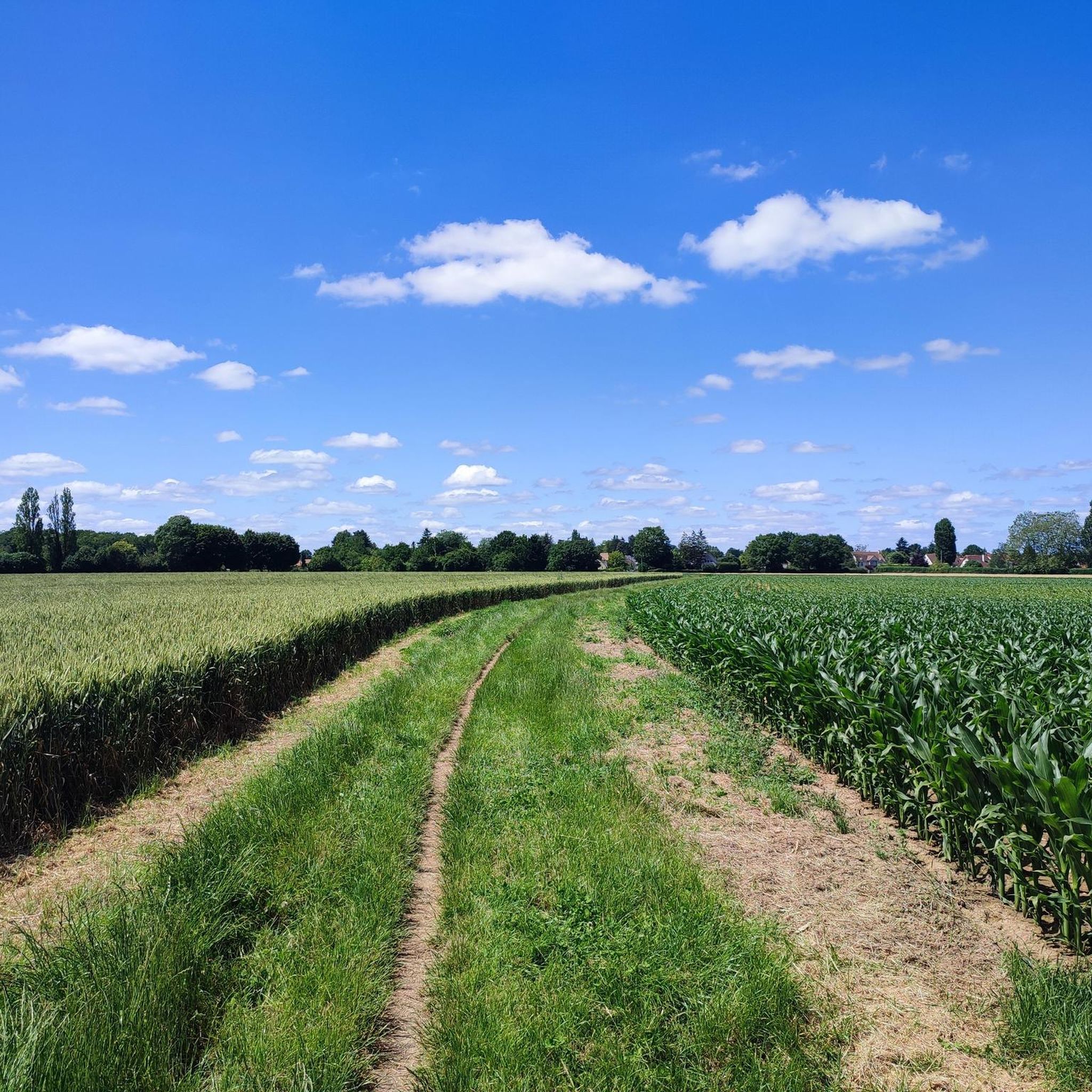
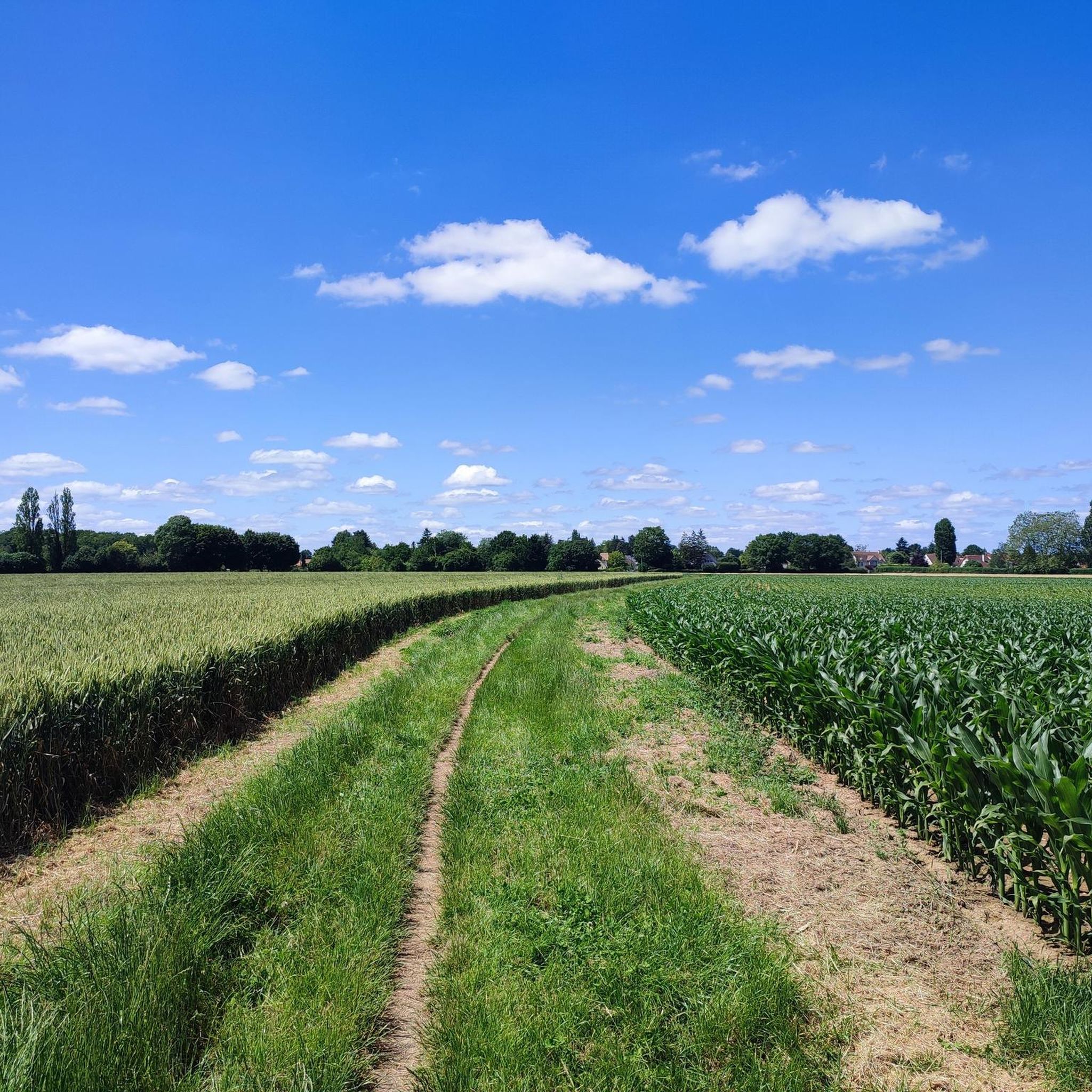
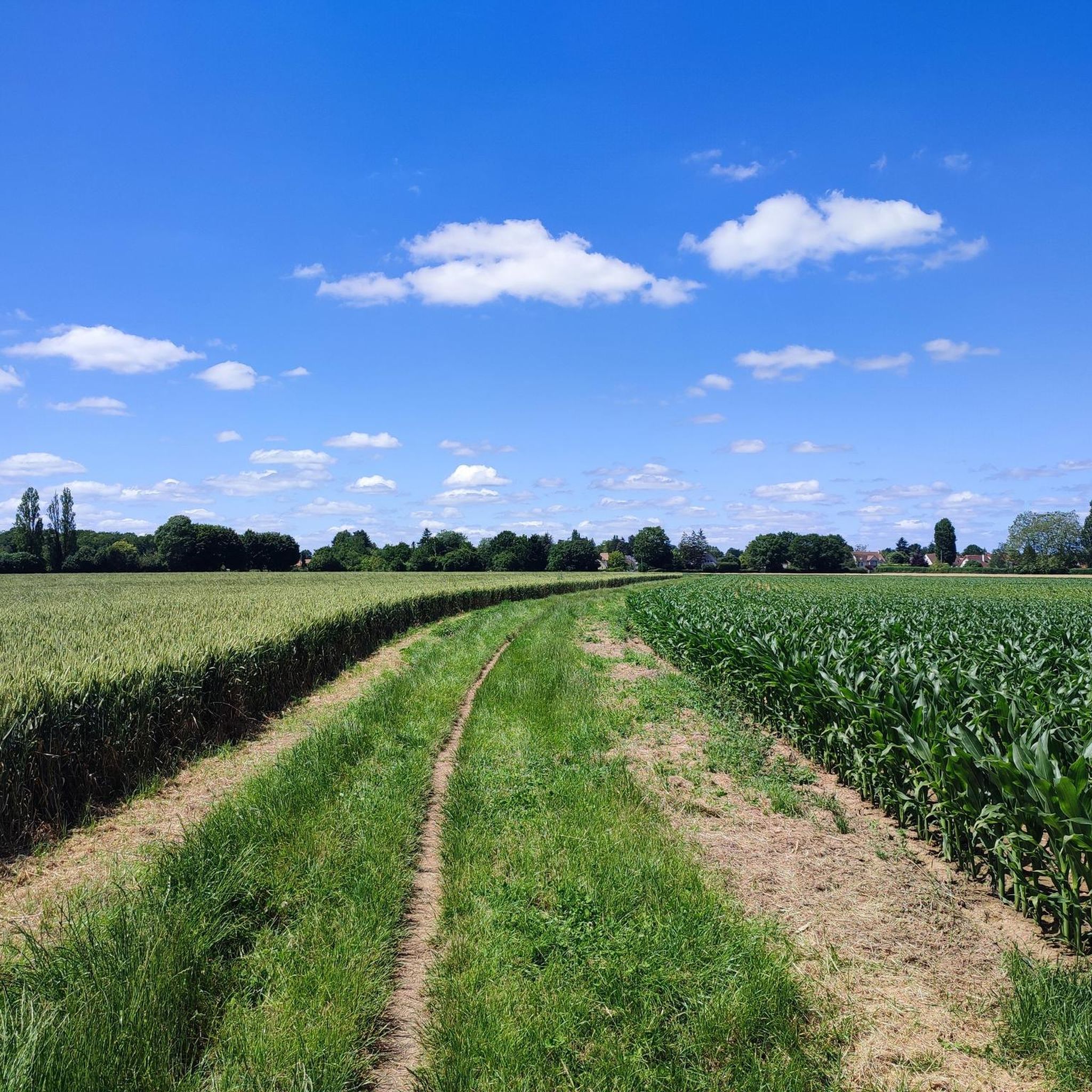
- The most popular attraction is Allée royale de Villepreux, a road that connects the Château de Versailles to Villepreux. This track offers a pleasant, car-free route through fields, suitable for cycling or walking.
- Another must-see spot is Saint Martin's Church, Beynes, a 13th-century religious building and historical site. This church has undergone various reconstructions and features a 14th-century polychrome stone statue of the Virgin and Child.
- Visitors also love Notre-Dame du Chêne Chapel, a religious building and historical site. This chapel is erected on an important place of pilgrimage and replaces an oratory built in 1646.
- Neauphle-Le-Château is known for its historical sites, natural landscapes, and walking routes. The region offers a variety of attractions to see and explore, from medieval architecture to picturesque countryside.
- The attractions around Neauphle-Le-Château are appreciated by the komoot community, with more than 180 upvotes and 30 photos shared.
Last updated: October 19, 2026
Allée Royale from Versailles to Villepreux
Highlight (Segment) • Other
No car, however beware of many pedestrians on weekends. Crossing the most pleasant fields
Translated by Google •
Tip by

Allée royale de Villepreux
Highlight (Segment) • Other
👉 Ideal for those looking for a real "highway" to escape the city quickly. A whole bunch of Gravel paths start on both sides of the Allée Royale 🚵♀️
👉 Also ideal for families with children or for beginners wanting to have a nice accessible ride without ever crossing a car ✅
🏰 During the tourist season, the Allée Royale provides a direct link to the free entrance to the Chateau Park via the "Royal Star gate".
The Etoile Royale gate is open from June to October only on weekends and public holidays (9:30 am - 7:00 pm, last admission at 6:30 pm).
⚠️ The section between the Parc du Château is currently under construction up to the tunnel passing under the A12. It's not very sexy, but quite workable. From the A12, the Alley is brand new and has a very smooth and clean surface.
Translated by Google •
Tip by

Sign up now to discover places like this
Get recommendations on the best single tracks, peaks, & plenty of other exciting outdoor places.
Saint Martin's Church, Beynes
Highlight • Religious Site
Today located in the city center, you can stop there for a supply or simply catch your breath.
Translated by Google •
Tip by

Château des Mesnuls
Highlight • Castle
Translated by Google •
Tip by

World's End Star - Marly Forest
Highlight • Other
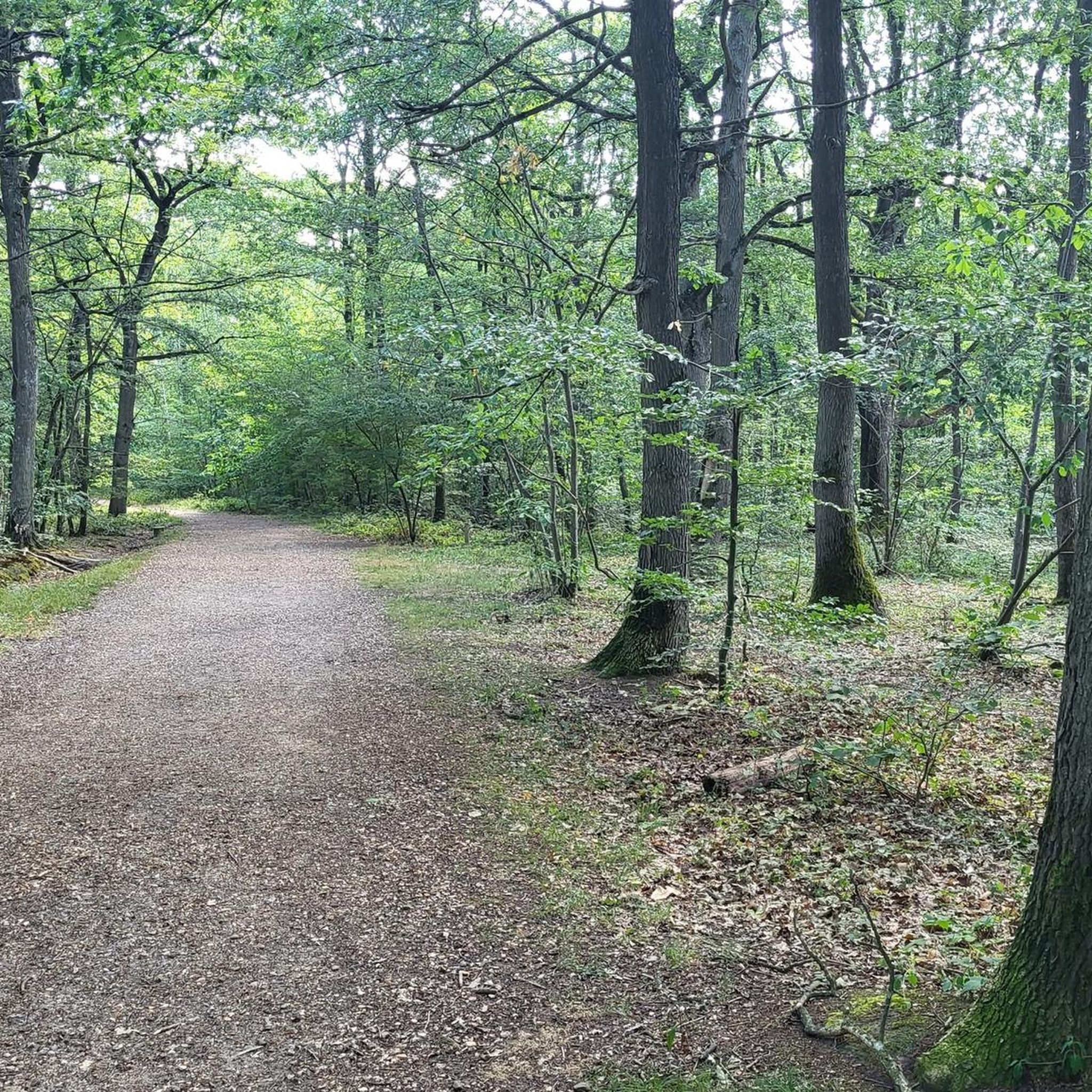
This Marly forest is located in the north-east of the Yvelines department, about twenty kilometers west of Paris. Its territory, elongated along an east-west axis, irregular, very indented especially towards the north, extends over the territory of eleven municipalities: Bailly, Bougival, Chambourcy, Feucherolles, Fourqueux, L'Étang-la-Ville, Louveciennes, Marly-le-Roi, Noisy-le-Roi, Rocquencourt and Saint-Nom-la-Bretèche.
This forest is surrounded by two highly urbanized areas located to the north on the southern slope of the Seine valley and to the south in the plain of Versailles.
It is not very far from the forest of Saint-Germain-en-Laye located to the north and from which it is separated by the plain of the Junction. This was acquired by the State during the Second Empire to bring together the hunting areas of the two forest areas. Today it is a classified site3 constituting a biological corridor which has notably allowed the repopulation of the forest of Saint-Germain-en-Laye by wild boars from the forest of Marly.
Translated by Google •
Tip by

Sign up for free to discover even more attractions around Neauphle-Le-Château.
Already have an account?
Start today with a free account
Your next adventure awaits.

Tips from the Community

Superb paved alley with fields on each side and pretty view. No cars, just runners, cyclists or pedestrians. Happiness.
0
0

The Château des Mesnuls is a historic castle in the Louis XIII style built of brick and stone, located in the commune of Les Mesnuls, in the Yvelines department in France. The structure, protected since 1945 and officially classified as a historic monument in 1975, is not open to the public for classic individual tourist visits. The building is indeed owned by the Châteauform' chain and is entirely dedicated to corporate seminars, conferences, and private events.
0
0

Brand new and beautiful
0
0

Very beautiful cycle path right in the continuity of the Grand Canal of the Versailles gardens. ☺
0
0


Rural idyll near the Palace of Versailles
1
0

Church located in the Yvelines in Beynes, in the west of Paris. It dates from the 13th century and has seen various demolitions and reconstructions throughout history. Today located in the city center, you can stop there for a supply or simply catch your breath.
2
0

Not always in great condition!! But otherwise holy road
0
0
Frequently Asked Questions
What historical sites can I visit in Neauphle-Le-Château?
Neauphle-Le-Château is rich in history. You can explore the Historic Town Center, which reveals its past as a fortified medieval village. Don't miss the Saint Martin's Church, Beynes, a 13th-century religious building with a 14th-century polychrome stone statue. Other notable historical sites include the Saint-Nicolas Church, the vestiges of Neauphle Castle, and the mysterious Colombier de Neauphle.
Are there any natural attractions or scenic viewpoints near Neauphle-Le-Château?
Yes, the village is set in a naturally preserved area. You can enjoy the picturesque countryside with views over the Mauldre valley, surrounded by fields and forests. The Moulin d'Angelus is a picturesque spot for nature lovers, and Parc de Groussay offers vast lawns and romantic groves. For a unique experience, visit the World's End Star - Marly Forest, located in the extensive Marly forest.
What outdoor activities are available around Neauphle-Le-Château?
The region offers numerous opportunities for outdoor activities. You can find a variety of routes for cycling, hiking, and mountain biking. For cycling, explore routes like the "Plaisir Church – Plaisir Castle loop" or "Grand Canal at Versailles – Castle Park loop" mentioned in the Cycling around Neauphle-Le-Château guide. Hikers can enjoy trails such as the "Pond in the Forest loop" detailed in the Hiking around Neauphle-Le-Château guide. Mountain bikers have options like the "Singletrack Through the Ferns" route, found in the MTB Trails around Neauphle-Le-Château guide.
Are there family-friendly attractions or activities in the area?
Absolutely. The Allée royale de Villepreux is ideal for families with children or beginners, offering a pleasant ride without car traffic. The Allée Royale from Versailles to Villepreux is also very popular for its rolling, non-asphalt surface and absence of cars. Additionally, the Saint Martin's Church, Beynes and Notre-Dame du Chêne Chapel are listed as family-friendly historical sites.
What is the best time to visit Neauphle-Le-Château for outdoor activities?
The region's picturesque countryside, fields, and forests are enjoyable throughout the warmer months. The Allée royale de Villepreux offers a direct link to the Château Park via the "Royal Star gate" from June to October on weekends and public holidays, making this a great period for combining outdoor activity with a visit to Versailles. However, the trails are beautiful in any season, as noted by visitors enjoying the "winter sun" on the Allée Royale.
Can I find easy walking trails around Neauphle-Le-Château?
Yes, there are easy walking options available. The Hiking around Neauphle-Le-Château guide lists several easy routes, such as the "Pond in the Forest loop from Plaisir" (5.4 km) and the "Pond in the Forest loop from Neauphle-le-Château" (4.5 km). These provide accessible ways to enjoy the local natural beauty.
What are the most popular routes for cycling near Neauphle-Le-Château?
The Allée Royale from Versailles to Villepreux and Allée royale de Villepreux are highly popular for cycling. They offer a rolling, non-asphalt surface without car traffic, making them ideal for a pleasant ride through the fields of the Plain of Versailles. Many gravel paths also start from the Allée Royale, providing further exploration opportunities.
Where can I learn more about the local history and culture of Neauphle-Le-Château?
To delve deeper into the local history and culture, visiting the Syndicat d'Initiative de Neauphle-le-Château (local tourism office) is recommended. They provide information and organize cultural projects and events. The village itself, with its medieval architecture and historical sites like the Saint-Nicolas Church and Neauphle Castle, offers a direct immersion into its rich past.
Are there any unique cultural or historical points of interest beyond the main landmarks?
Beyond the prominent landmarks, Neauphle-le-Château holds a unique place in modern history, having hosted Ayatollah Khomeini during his exile. The village also features a Natural Cemetery (Cimetière Naturel), an environmentally respectful alternative that promotes local biodiversity. The Saint-Pierre Church, with its 12th-century architecture, impressive stained glass, and barrel vault, is another architectural gem.
What do visitors enjoy most about the attractions around Neauphle-Le-Château?
Visitors particularly appreciate the serene and car-free environment of routes like the Allée Royale from Versailles to Villepreux, noting its superb track through the World Heritage-classified Plain of Versailles. The historical depth of sites like Saint Martin's Church, Beynes, and the overall blend of historical charm with preserved natural settings are also highly valued by the komoot community.
Can I find places to eat or stay in Neauphle-Le-Château?
While specific establishments are not detailed in the guide, Neauphle-Le-Château is a charming village. You can expect to find local cafes, pubs, restaurants, and accommodation options within or very close to the village center. For more detailed information on local amenities, you might consult the local tourism office or resources like office-tourisme.com.
Most popular routes around Neauphle-Le-Château

Get inspired with the komoot mobile app


Explore more
Still not found the Highlight you’re looking for? See guides of the top attractions in other regions:
