The best cycling routes around Vimy
4.5
(525)
4,789
riders
324
rides
Touring cycling routes around Vimy navigate a landscape shaped by its historical significance, featuring a mix of quiet roads, gentle climbs, and some gravel tracks. The region is characterized by preserved battlefield terrain, including shell holes and craters, now covered by grass and pine forests. Vimy Ridge, rising to 145 meters, offers strategic viewpoints across the French countryside. This diverse terrain provides varied experiences for touring cyclists.
Best touring cycling routes around Vimy
- The most popular touring cycling route is Canadian Trail loop from Vimy, a 23.7 miles (38.1 km) trail that takes 2 hours 21 minutes to complete. This moderate route explores the historical Vimy Ridge area with varied terrain.
- Another top favourite among local touring cyclists is Vauthier Marker No. 39 – Farbus Hill loop from Thélus, a moderate 24.1 miles (38.8 km) path. This route features quiet roads and views of the surrounding countryside.
- Local touring cyclists also love the 3rd Canadian Division Monument – Canadian Trail loop from Thélus, a 9.8 miles (15.8 km) trail leading through historical monuments and preserved battlefield terrain, often completed in about 58 minutes.
- Touring cycling around Vimy is defined by historical battlefields, quiet country roads, and panoramic viewpoints. The network offers options for different ability levels, from easy paths to moderate climbs.
- The routes in Vimy are highly rated by the komoot community with an average score of 4.4 stars from more than 400 reviews. More than 4000 touring cyclists have used komoot to explore Vimy's varied terrain.
Last updated: June 26, 2026
4.4
(8)
24
riders
37km
02:18
280m
280m
Moderate bike ride. Good fitness required. Mostly paved surfaces. Suitable for all skill levels.
22
riders
38.8km
02:52
250m
250m
Moderate bike ride. Good fitness required. Mostly paved surfaces. Suitable for all skill levels.

Sign up for free
4.0
(3)
12
riders
15.8km
00:58
130m
130m
Easy bike ride. Great for any fitness level. Mostly paved surfaces. Suitable for all skill levels.
20
riders
60.3km
04:42
520m
520m
Hard bike ride. Very good fitness required. Mostly paved surfaces. Suitable for all skill levels.
5.0
(2)
22
riders
31.2km
02:00
140m
140m
Moderate bike ride. Good fitness required. Mostly paved surfaces. Suitable for all skill levels.
Get access to more routes and recommendations from other explorers.
Sign up for free
Already have an account?
Our route recommendations are based on thousands of hikes, rides, and runs completed by other people on komoot.
Start today with a free account
Your next adventure awaits.
Login or Signup
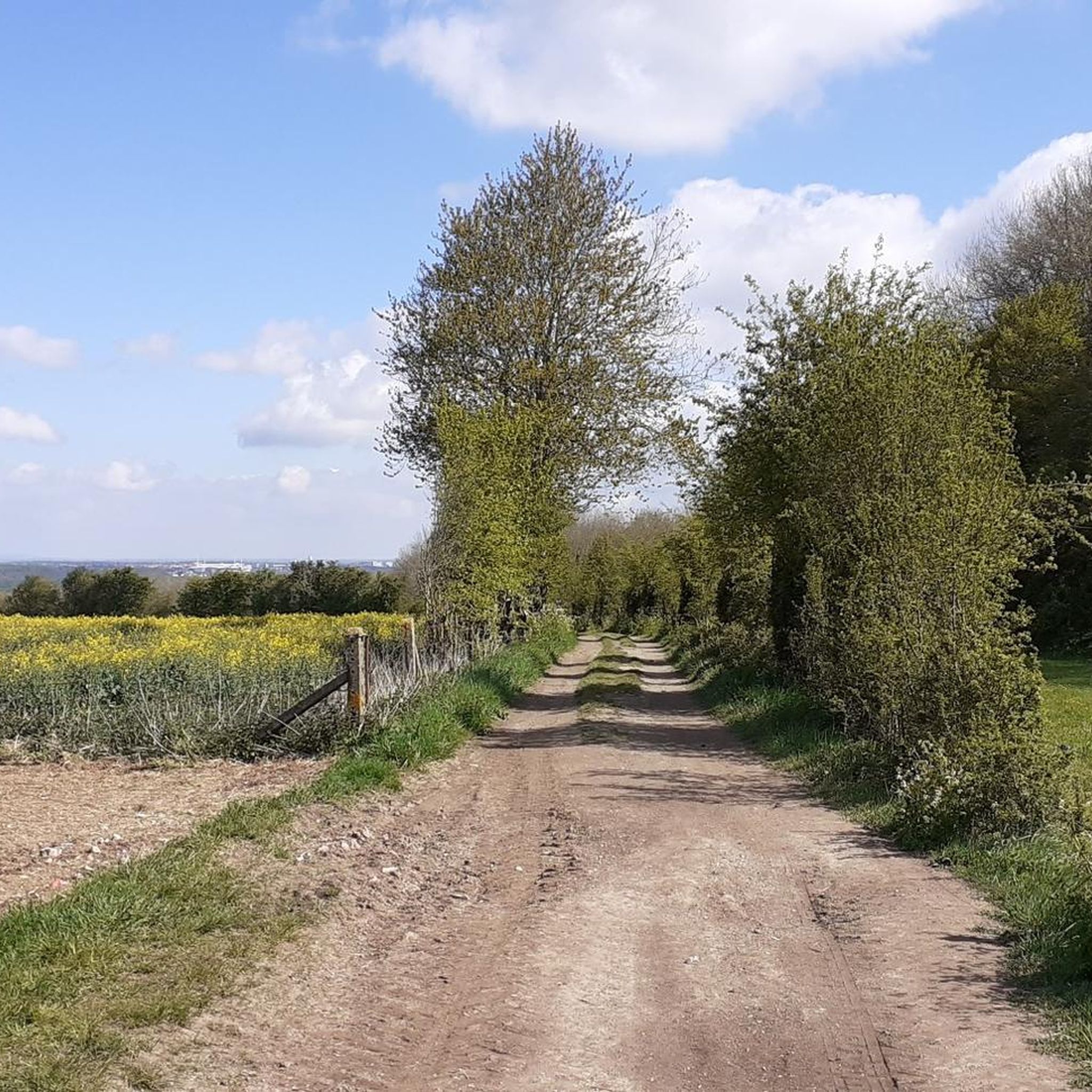

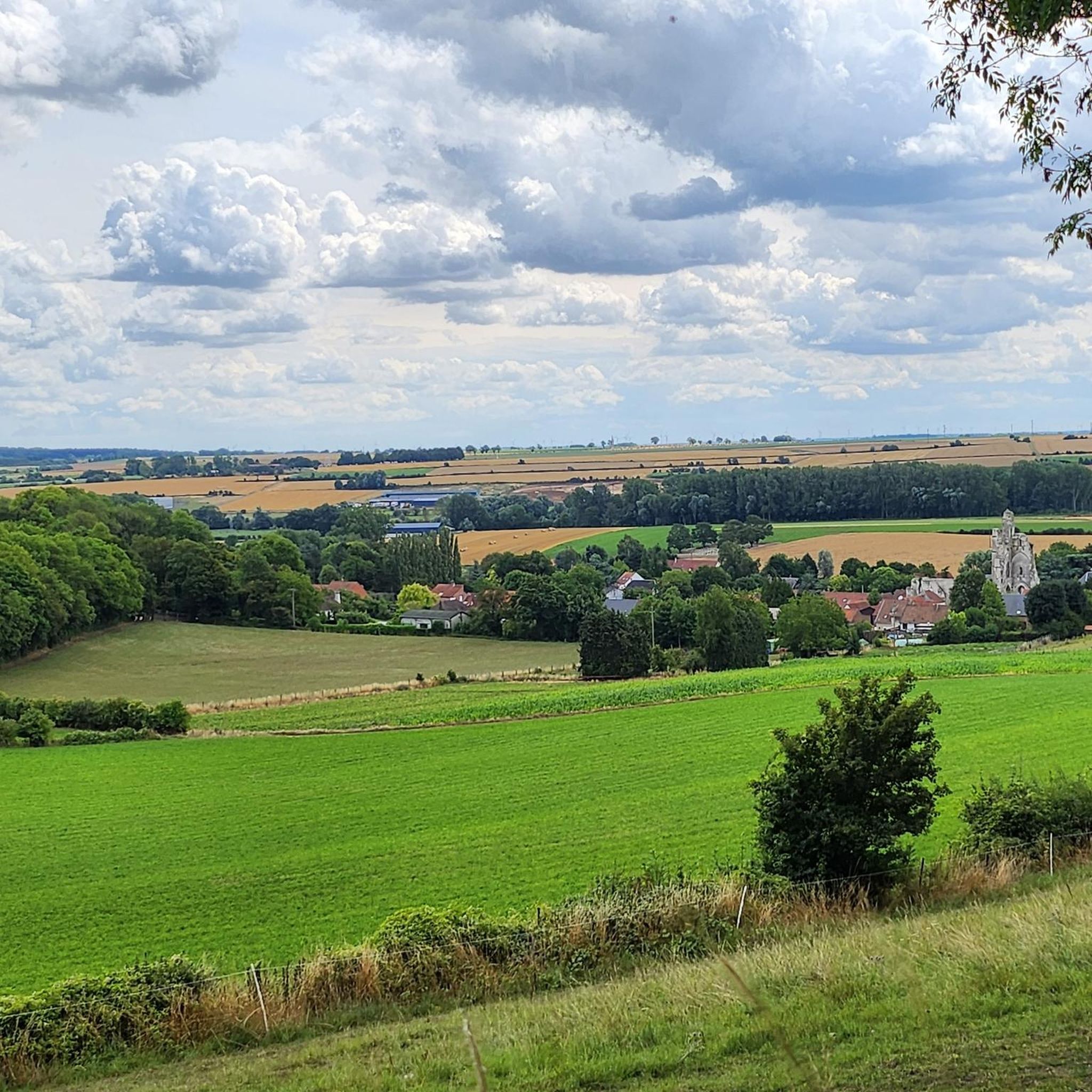
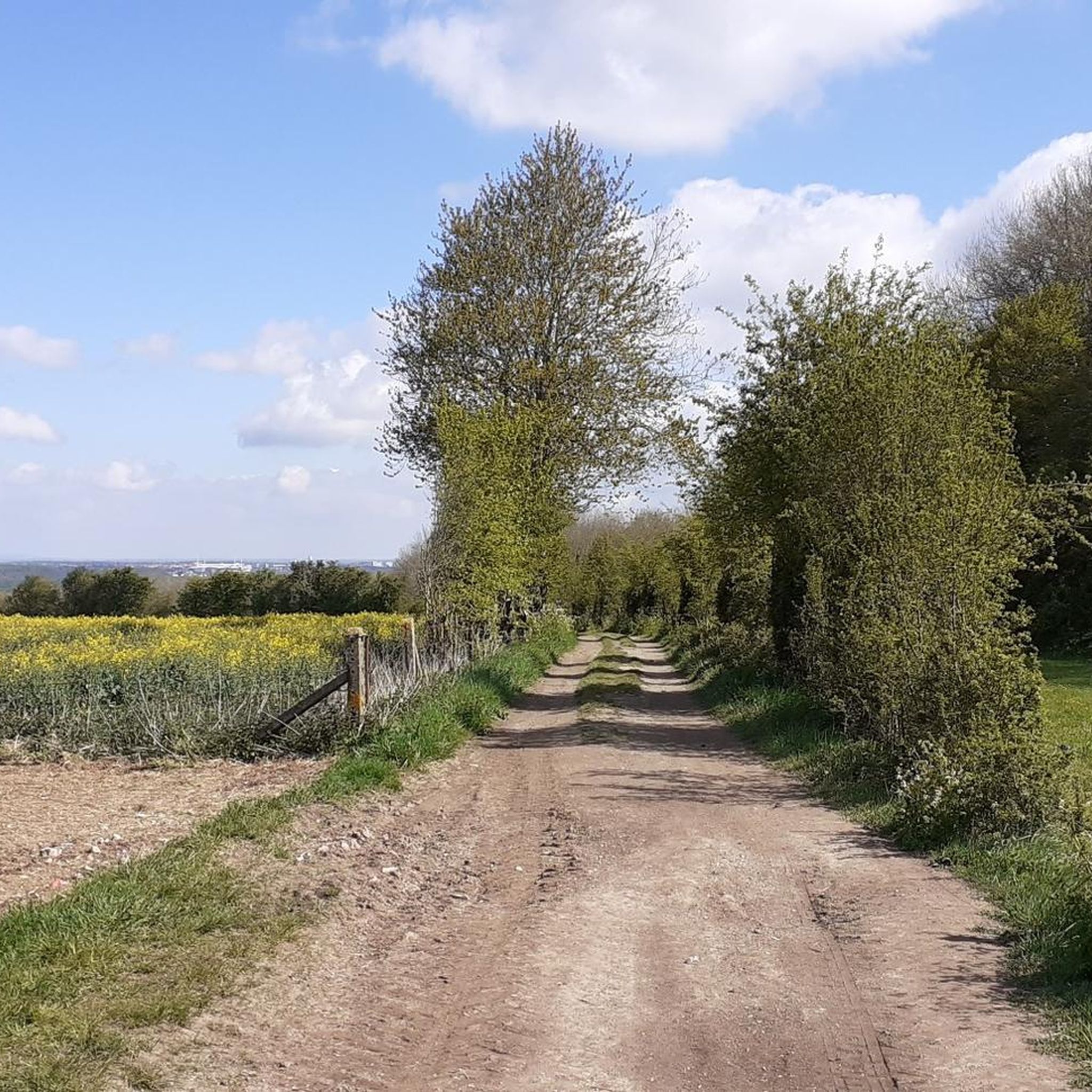

Tips from the Community

The 3rd Canadian Division Memorial in Neuville-Saint-Vaast commemorates the soldiers of the 3rd Canadian Division who fought and gave their lives during the First World War. This memorial is located near the famous Vimy Ridge and pays tribute to the courage and sacrifice of these troops.
6
0
A remarkable story about the Canadian trenches concerns the preparations for the attack on Vimy Ridge in April 1917. The Canadian divisions used an underground quarry and created additional corridors towards the front. These tunnels and trenches played a crucial role in the success of the attack, with the Canadians managing to retake the strategically important ridge in just three days.
7
0
A remarkable story about the Vimy Memorial concerns its unveiling in 1936. More than 50,000 people, including 6,200 Canadians, attended the ceremony. The presence of so many veterans and survivors underscored the profound impact of the war and the enduring bond between Canada and France. The memorial has since become a symbol of Canadian courage and sacrifice.
6
0
The Mémorial national du Canada à Vimy is an impressive war memorial, commemorating the members of the Canadian Expeditionary Force who died during the First World War. The memorial, designed by Walter Seymour Allward, was unveiled on 26 July 1936 by King Edward VIII. It commemorates the 11,169 Canadian soldiers who died in France and have no known grave.
7
0
A special story about the monument concerns the two colonels, Pein and Cros, who were both killed during the division's actions in May 1915. Their names are inscribed on the monument, along with an inscription commemorating the courage and determination of the soldiers: "Aux morts de la division marocaine, sans peur, sans pitié". This tribute emphasises the heavy losses and heroic efforts of the Moroccan Division during the battle.
7
0
The Monument à la Division Marocaine in Givenchy-en-Gohelle commemorates the courage and sacrifice of the Moroccan Division during the First World War. This monument was erected in honour of the breakthrough made by the division during the Battle of Artois on 9 May 1915. The Moroccan Division, led by General Georges Louis Humbert, played a crucial role in breaking through the German lines and capturing strategic terrain.
8
0
A remarkable event occurred on April 9, 1917, when Canadian troops launched their famous assault on Vimy Ridge, a pivotal battle that resulted in the capture of strategically important heights. The cemetery commemorates the sacrifices of these and other soldiers who fought in the region.
7
0
The Givenchy-en-Gohelle Canadian Cemetery is a military cemetery managed by the Commonwealth War Graves Commission (CWGC). This cemetery was established in March 1917 by the Canadian Corps and contains the graves of soldiers who died during World War I. Givenchy-en-Gohelle was captured by the 2nd Canadian Division on April 13, 1917, and remained in British hands for the rest of the war.
8
0
Frequently Asked Questions
How many touring cycling routes are available around Vimy?
There are over 300 touring cycling routes around Vimy, offering a wide range of options for different skill levels and preferences. The komoot community has explored these routes more than 4,900 times.
What kind of terrain can I expect when touring cycling around Vimy?
The terrain around Vimy is diverse, featuring a mix of quiet paved roads, some gentle climbs, and occasional gravel tracks. The landscape is notably shaped by its World War I history, with preserved battlefield terrain, shell holes, and craters now covered by grass and pine forests. You'll also find strategic viewpoints from elevated areas like Vimy Ridge.
What do other touring cyclists appreciate most about the routes in Vimy?
The touring cycling routes in Vimy are highly rated by the komoot community, with an average score of 4.4 stars from nearly 500 reviews. Cyclists often praise the unique blend of historical significance and natural beauty, with many routes offering reflective journeys through preserved battlefields and panoramic views across the French countryside.
Are there touring cycling routes suitable for beginners in Vimy?
Yes, Vimy offers a good selection of routes for beginners. There are over 120 easy touring cycling routes available, such as the 3rd Canadian Division Monument – Canadian Trail loop from Thélus, which is 9.8 miles (15.8 km) long and leads through historical monuments and preserved battlefield terrain.
Are there challenging touring cycling routes for experienced riders in Vimy?
For more experienced touring cyclists, Vimy provides over 40 difficult routes. These routes often include more significant climbs and varied terrain, offering a rewarding challenge while still allowing you to explore the region's historical and natural features.
What historical landmarks can I explore while touring cycling in Vimy?
Vimy is rich in historical landmarks. You can cycle past the iconic Canadian National Vimy Memorial, which sits on Hill 145, the highest point of Vimy Ridge. Other significant sites include the Notre-Dame-de-Lorette National Cemetery and preserved trenches and tunnels. Many routes, like the Canadian Trail loop from Vimy, integrate these historical points into the ride.
Are there any scenic viewpoints along the touring cycling routes in Vimy?
Yes, Vimy offers several scenic viewpoints. Vimy Ridge itself, particularly from the area around the Canadian National Vimy Memorial, provides impressive panoramic views across the French countryside. Another notable viewpoint is from Notre Dame de Lorette, which sits atop a short but steep climb, offering expansive vistas towards Vimy Ridge.
Are there family-friendly touring cycling routes in Vimy?
Vimy offers several routes suitable for families, often characterized by quieter roads and less challenging terrain. While specific 'family-friendly' designations vary, many of the easy routes, such as the Canadian Memorial – Canadian Trail loop from Thélus, are well-suited for a family outing, allowing for exploration of historical sites in a gentle setting.
Can I bring my dog on the touring cycling routes in Vimy?
While many outdoor areas in France are dog-friendly, specific regulations can vary, especially around historical sites. The Vimy Ridge Memorial Park, for instance, generally welcomes dogs on leash in outdoor areas. It's always advisable to check local signage or specific site policies for any restrictions before you go, particularly regarding access to preserved trenches or indoor exhibits.
Is parking available near the touring cycling routes in Vimy?
Yes, parking is generally available near major attractions and starting points for cycling routes in Vimy. The Canadian National Vimy Memorial has dedicated parking facilities, which can serve as a convenient base for many tours. Smaller villages like Thélus, often starting points for routes, also offer parking options.
Can I reach the touring cycling routes in Vimy using public transport?
Public transport options to Vimy are available, primarily through bus services connecting from larger towns like Arras. While not all route starting points may be directly accessible by public transport, you can often reach the general area and then cycle to your desired starting location. Checking local bus schedules for the Vimy area is recommended.
Are there any permits required for touring cycling in Vimy?
Generally, no specific permits are required for touring cycling on public roads and designated paths in the Vimy area. Access to historical sites like the Vimy Ridge Memorial Park is typically free. However, if you plan to explore specific private lands or highly sensitive historical areas, it's always wise to check for any local regulations or access restrictions.
What is the best time of year for touring cycling in Vimy?
The best time for touring cycling in Vimy is typically during the spring (April to June) and autumn (September to October). During these seasons, the weather is generally mild and pleasant, with fewer crowds than in peak summer. The landscape is also particularly beautiful, with spring blooms or autumn foliage adding to the scenic experience. Summer can also be good, but be prepared for potentially warmer temperatures.
Are there circular touring cycling routes in Vimy?
Yes, many touring cycling routes in Vimy are designed as loops, allowing you to start and end your ride in the same location. Examples include the Vauthier Marker No. 39 – Farbus Hill loop from Thélus and the Scarpe riverbanks – Little spot on the Scarpe loop from Thélus, which offer convenient circular journeys through the region.
Most popular attractions around Vimy

Get inspired with the komoot mobile app


Explore more
Browse the best Cycling routes in other regions.
