The best running trails around Thélus
4.4
(216)
16,500
runners
23
runs
Jogging routes around Thélus traverse a landscape shaped by both natural features and historical significance. The area offers a blend of undulating paths, open fields, and wooded sections suitable for various running experiences. Proximity to the Canadian National Vimy Memorial provides routes through a preserved First World War battlefield, featuring unique terrain with visible trenches and shell craters. This diverse environment supports a range of running activities, from easy jogs to more challenging trails.
Best jogging routes around Thélus
- The…
Last updated: April 28, 2026
4.0
(1)
88
runners
13.3km
01:26
110m
110m
Moderate run. Good fitness required. Mostly paved surfaces. Suitable for all skill levels.
14
runners
8.97km
00:56
50m
50m
Moderate run. Good fitness required. Mostly paved surfaces. Suitable for all skill levels.

Sign up for free
7
runners
11.3km
01:11
70m
60m
Moderate run. Good fitness required. Mostly paved surfaces. Suitable for all skill levels.
8
runners
14.2km
01:29
110m
110m
Moderate run. Good fitness required. Mostly paved surfaces. Suitable for all skill levels.
9
runners
4.55km
00:28
20m
20m
Easy run. Great for any fitness level. Mostly paved surfaces. Suitable for all skill levels.
Get access to more routes and recommendations from other explorers.
Sign up for free
Already have an account?
Our route recommendations are based on thousands of hikes, rides, and runs completed by other people on komoot.
Start today with a free account
Your next adventure awaits.
Login or Signup


Tips from the Community

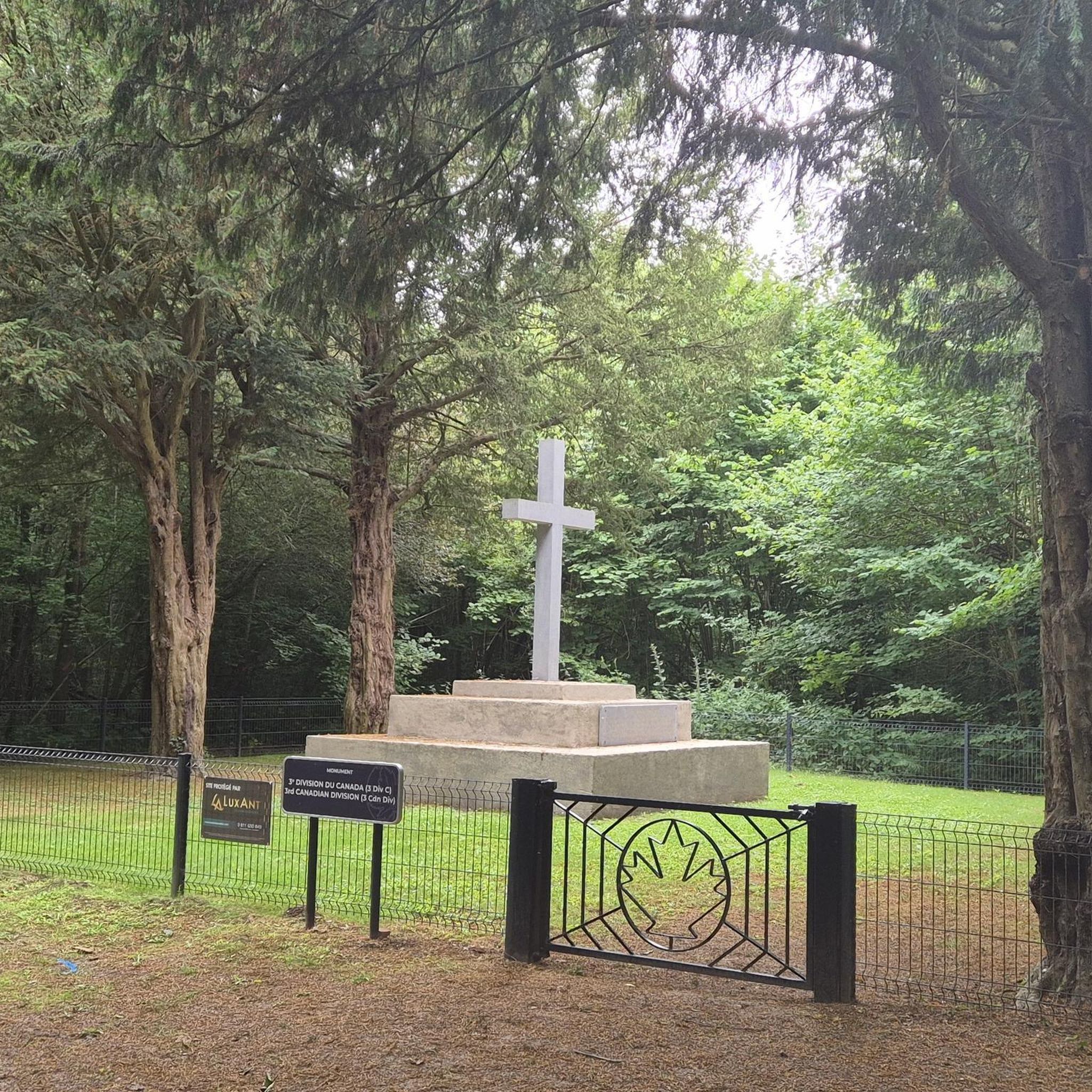
Located right next to the monument, the historical interpretation center presents the Battle of Vimy Ridge in two ways. First, you can discover an exhibition with diagrams, photographs, maps, and some exhibits. You'll learn about the historical context from a political and military perspective, with numerous images showing the lunar landscapes of the trench line and No Man's Land. Books about the Battle of Vimy Ridge are also available for purchase at the reception desk. Next, a superb Sound & Light show, using period videos, recounts the preparation for the offensive, the fighting, the advance of the troops, and the lives of soldiers during the battle. A video table and televisions allow you to relive these moments. Commentary is available in French, English, and German.
0
0

A remarkable story about the Canadian trenches concerns the preparations for the attack on Vimy Ridge in April 1917. The Canadian divisions used an underground quarry and created additional corridors towards the front. These tunnels and trenches played a crucial role in the success of the attack, with the Canadians managing to retake the strategically important ridge in just three days.
7
0
A remarkable story about the Vimy Memorial concerns its unveiling in 1936. More than 50,000 people, including 6,200 Canadians, attended the ceremony. The presence of so many veterans and survivors underscored the profound impact of the war and the enduring bond between Canada and France. The memorial has since become a symbol of Canadian courage and sacrifice.
6
0
The Mémorial national du Canada à Vimy is an impressive war memorial, commemorating the members of the Canadian Expeditionary Force who died during the First World War. The memorial, designed by Walter Seymour Allward, was unveiled on 26 July 1936 by King Edward VIII. It commemorates the 11,169 Canadian soldiers who died in France and have no known grave.
7
0
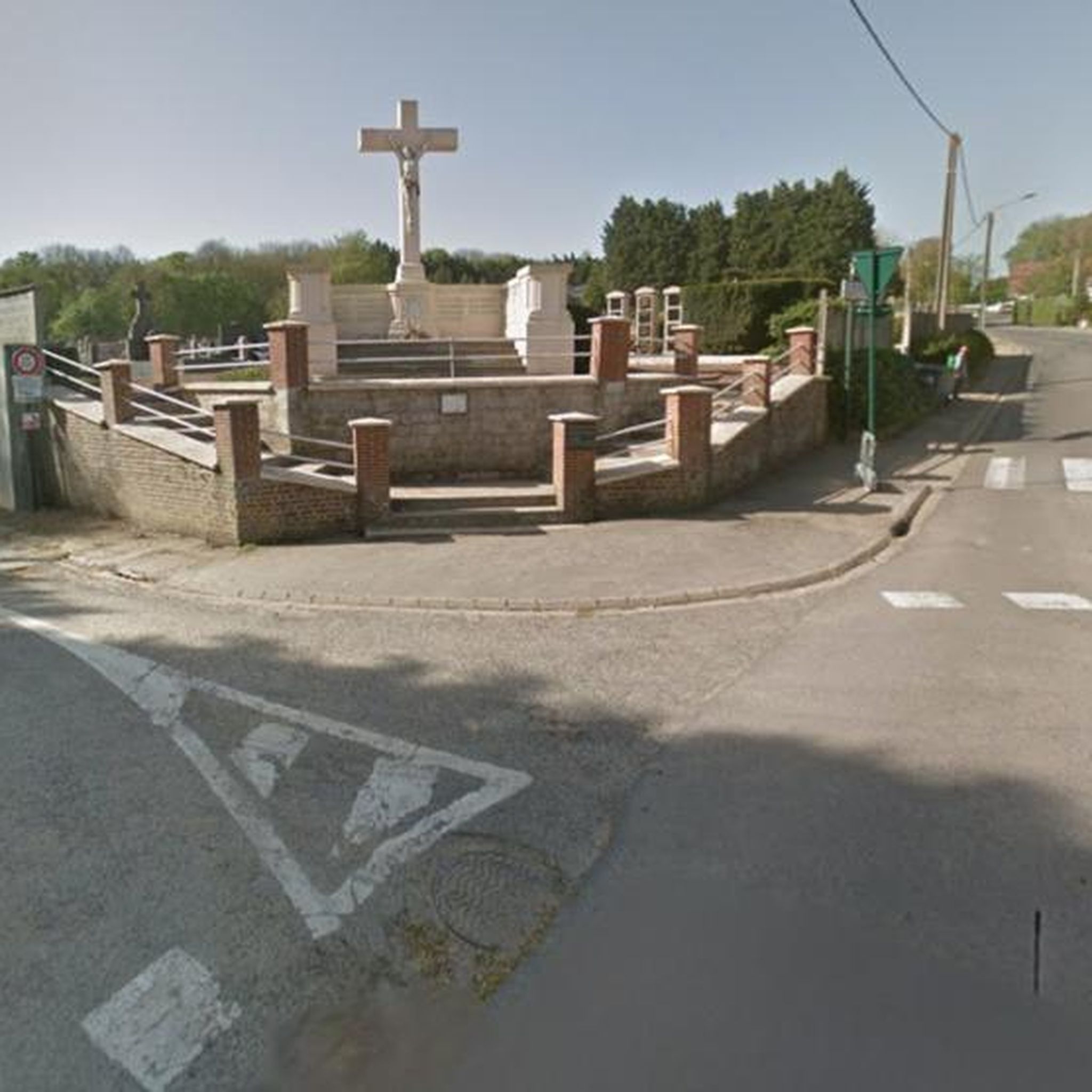
A special story about the monument concerns the two colonels, Pein and Cros, who were both killed during the division's actions in May 1915. Their names are inscribed on the monument, along with an inscription commemorating the courage and determination of the soldiers: "Aux morts de la division marocaine, sans peur, sans pitié". This tribute emphasises the heavy losses and heroic efforts of the Moroccan Division during the battle.
7
0
The Monument à la Division Marocaine in Givenchy-en-Gohelle commemorates the courage and sacrifice of the Moroccan Division during the First World War. This monument was erected in honour of the breakthrough made by the division during the Battle of Artois on 9 May 1915. The Moroccan Division, led by General Georges Louis Humbert, played a crucial role in breaking through the German lines and capturing strategic terrain.
8
0
Within the 107 hectares of the Vimy Ridge National Historic Site of Canada, near the grandiose memorial erected in honor of the 66,000 Canadian soldiers who died in the Great War, a more modest building is dedicated "to the memory (...) of the officers, non-commissioned officers, and soldiers of the Moroccan Division who fell gloriously here on May 9, 10, and 11, 1915." Before the Canadians captured Vimy Ridge from the Germans in April 1917, other soldiers had already set foot there but were unable to hold their ground due to a lack of reinforcements and sufficient artillery support. These "forerunners" were the Moroccan Zouaves and riflemen, wearing red chechias and baggy trousers, accompanied in the Moroccan Division by Foreign Legion volunteers from 52 countries. To the men of the Moroccan Division who set out to assault Vimy Ridge On the morning of May 9, 1915, they broke through the German lines, crossed Folie Wood, and approached Vimy Ridge. To monitor their advance and adjust artillery fire, squares of white cloth were sewn to their backs, making them prime targets for the Germans on their flank. Furthermore, the artillery was running low on ammunition, and reinforcements were not forthcoming: the order to withdraw came with the evening. The Moroccan soldiers were forced to abandon the conquered ground at the cost of heavy losses. The riflemen of the Moroccan Division were among the approximately 820,000 men mobilized in the French colonies or protectorates during the First World War, including 636,000 sent to France as soldiers or laborers. Among the 449,000 engaged in the fighting, the majority came from Algeria (150,000) and the others from sub-Saharan Africa (135,000), Indochina (43,000), Tunisia (39,000), Morocco (34,000). 70,000 of them died on French soil.
0
0
The Vimy Memorial is the most prestigious Canadian monument in Europe. It is located on the very site of the 1917 fighting near Vimy in the Pas-de-Calais region of France. Erected on the highest point of the hill, Hill 145, the objective of the operations that began on April 9, 1917, it overlooks the Douai Plain. In 1921, architect and sculptor Walter S. Allward (1875-1955) won the competition from the Canadian Battlefield Memorials Commission. The significance of the battles at the site and the favorable location at the top of the hill allowed Vimy to receive the most prestigious work.
1
0
Frequently Asked Questions
How many running routes are available around Thélus?
There are over 20 running routes around Thélus, offering a diverse range of experiences. These include 8 easy routes, 10 moderate routes, and 5 more challenging trails, ensuring options for all fitness levels.
Are there easy jogging routes suitable for beginners in Thélus?
Yes, Thélus offers several easy jogging routes perfect for beginners or those looking for a relaxed run. One such option is the Single in the wood – Canadian Memorial loop from Vimy, which is 2.8 miles (4.6 km) long and leads through pleasant wooded areas.
What kind of terrain can I expect on the running trails near Thélus?
The running trails around Thélus feature a varied landscape, including undulating paths, open fields, and wooded sections. Many routes also traverse the historically significant terrain of the Canadian National Vimy Memorial site, where you can encounter preserved First World War battlefields with visible trenches and shell craters.
Are there any circular running routes in the Thélus area?
Yes, many of the running routes in Thélus are circular, allowing you to start and finish at the same point. For example, the popular Zivy Crater - Thelus loop from Thélus is a moderate 5.6-mile (9.0 km) circular trail that explores historical sites and varied terrain.
What historical landmarks or points of interest can I see while jogging in Thélus?
Jogging in Thélus offers a unique opportunity to explore significant historical sites. Many routes pass by the Canadian National Vimy Memorial, a vast park with preserved trenches and shell craters. Other nearby attractions include the Notre-Dame-de-Lorette National Cemetery and the Canadian trenches of Vimy.
Is Thélus a good place for family-friendly running or walking?
Absolutely. The diverse network of trails includes several easy and moderate options that are suitable for families. The natural setting and historical context, particularly around the Vimy Memorial, can make for an engaging outdoor experience for all ages, combining exercise with discovery.
Can I bring my dog on the running trails around Thélus?
Generally, dogs are welcome on many of the outdoor trails in the Thélus region, especially given the area's emphasis on 'sport nature' and outdoor pursuits. However, it's always advisable to keep your dog on a leash, especially in historical sites or areas with grazing animals, and to check specific regulations for certain parks or memorials.
What do other runners enjoy most about jogging in Thélus?
The running community highly rates the trails in Thélus, with an average score of 4.4 stars from over 200 reviews. Runners often praise the unique blend of natural beauty and historical significance, the well-maintained paths, and the variety of terrain that keeps runs interesting. The proximity to the Vimy Memorial is frequently highlighted as a special feature.
Are there any longer, more challenging running routes for experienced runners?
Yes, for experienced runners seeking a greater challenge, Thélus offers several longer and more difficult routes. An example is the Canadian Memorial – Farbus Hill loop from Thélus, a difficult 13.1-mile (21.1 km) trail with significant elevation changes, providing a demanding workout and expansive views.
Are there any viewpoints or scenic spots along the running routes?
Many routes offer scenic views, particularly those that ascend to higher ground. The Vauthier Marker No. 39 – Farbus Hill loop from Thélus, for instance, provides views across the landscape. The Vimy Ridge area itself, especially near the Canadian Memorial, offers breathtaking vistas from its hill summit.
What is the best time of year to go running in Thélus?
Thélus is suitable for running year-round, but spring and autumn often provide the most pleasant conditions with milder temperatures and beautiful seasonal foliage. The 'Trail de Thélus' event, held annually, typically takes place in spring, indicating favorable running weather during that period. Always check local weather forecasts before heading out.
Are there any natural monuments or unique geological features to see?
Beyond the historical landscape, the region features interesting natural elements. You can find highlights like the Vimy Ridge Shell Craters, which are a unique blend of natural and historical impact, and the Loos-en-Gohelle slag heap, a prominent natural monument in the wider area.
Most popular attractions around Thélus

Get inspired with the komoot mobile app


Explore more
Browse the best Running Trails & Routes in other regions.
