The best cycling routes around Sainte-Foy-D'Aigrefeuille
4.4
(814)
6,427
riders
251
rides
Touring cycling around Sainte-Foy-D'Aigrefeuille offers routes through the gently rolling landscapes of the Occitanie region. The area is characterized by agricultural fields, small villages, and river valleys, including sections along the Canal du Midi. Elevations are generally low, making for accessible cycling. The terrain primarily consists of paved country roads and dedicated pathways, suitable for various touring bicycle types.
Best touring cycling routes around Sainte-Foy-D'Aigrefeuille
- The most popular touring cycling route is Castanet Lock – Canal du Midi Pathway loop…
Last updated: October 19, 2026
4.5
(2)
12
riders
28.9km
01:53
260m
260m
Moderate bike ride. Good fitness required. Mostly paved surfaces. Suitable for all skill levels.
4.5
(2)
14
riders
19.7km
01:08
90m
90m
Easy bike ride. Great for any fitness level. Mostly paved surfaces. Suitable for all skill levels.

5.0
(4)
8
riders
22.7km
01:58
30m
30m
Easy bike ride. Great for any fitness level. Mostly paved surfaces. Suitable for all skill levels.
7
riders
6.84km
00:26
70m
70m
Easy bike ride. Great for any fitness level. Mostly paved surfaces. Suitable for all skill levels.
7
riders
16.5km
01:20
160m
160m
Moderate bike ride. Good fitness required. Mostly paved surfaces. Suitable for all skill levels.
Get access to more routes and recommendations from other explorers.
Already have an account?
Our route recommendations are based on thousands of hikes, rides, and runs completed by other people on komoot.
Start today with a free account
Your next adventure awaits.
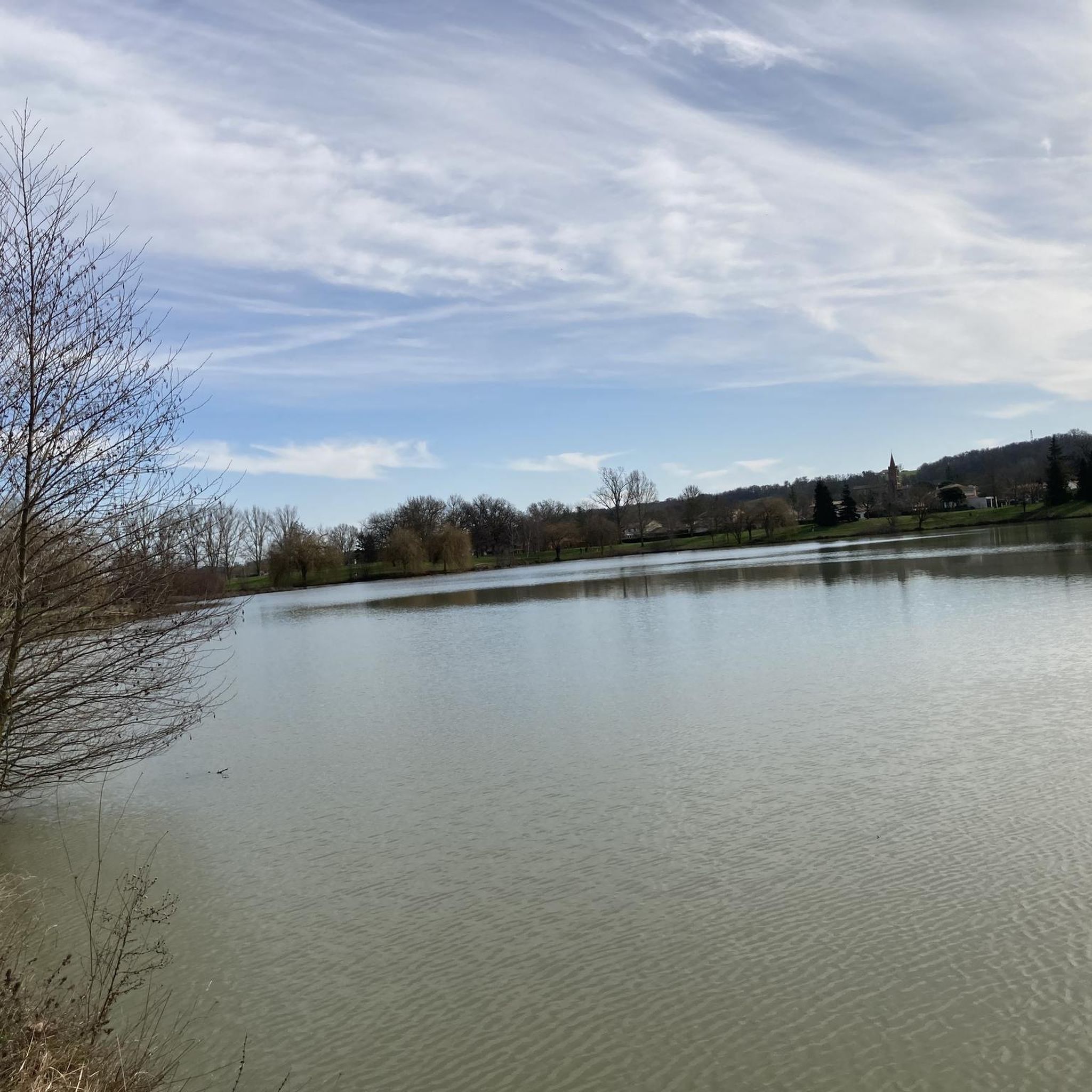
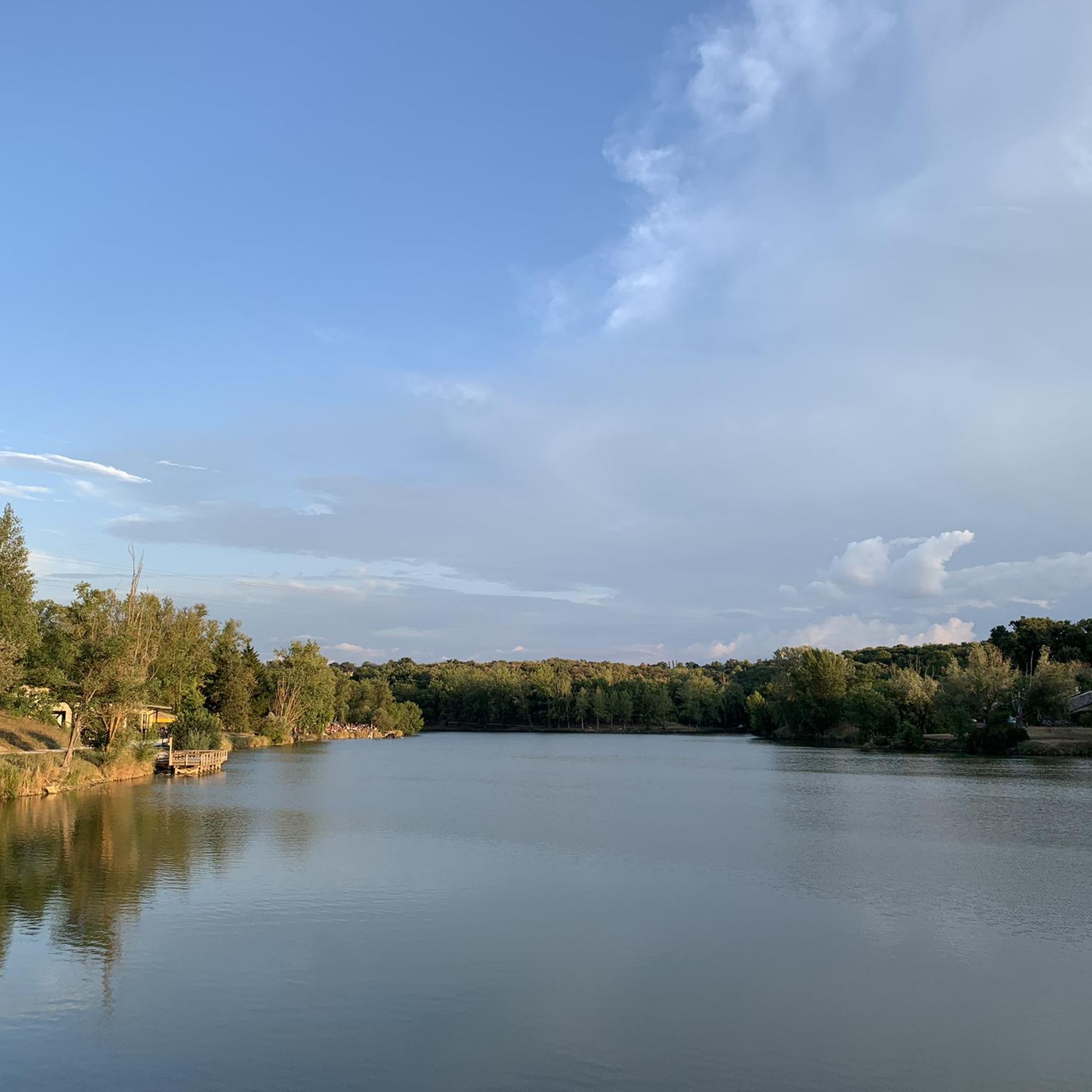

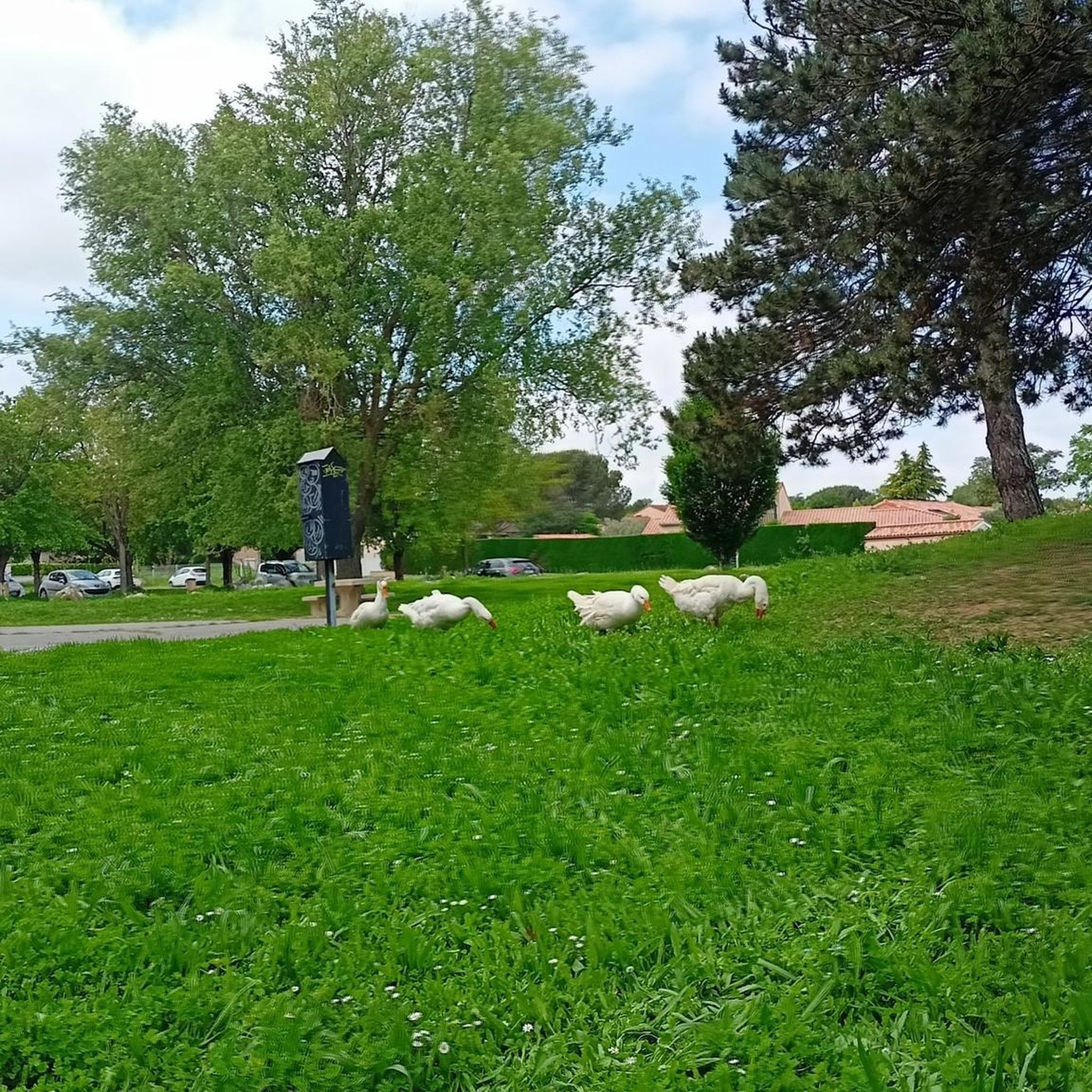

Tips from the Community

The Canal du Midi, formerly Canal Royal, is a 17th-century technical feat designed by Pierre-Paul Riquet to connect the Atlantic to the Mediterranean. Today, it is above all a place for relaxation and discovery, where heritage, nature, and conviviality blend together.
0
0
The Canal du Midi, formerly Canal Royal, is a 17th-century technical feat designed by Pierre-Paul Riquet to connect the Atlantic to the Mediterranean. Today, it is above all a place for relaxation and discovery, where heritage, nature, and conviviality blend together.
0
0
Single lock, known as "single-chamber", it was built in 1670. It is one of the sixty-three locks that regulate the passage of barges from the port of l'Embouchure to the Thau lagoon. Its oval lock chamber is characteristic of the Canal du Midi; only the locks crossing Toulouse are rectangular.
0
0
The Canal du Midi, formerly Canal Royal, is a 17th-century technical feat designed by Pierre-Paul Riquet to connect the Atlantic to the Mediterranean. Today, it is above all a place for relaxation and discovery, where heritage, nature, and conviviality blend together.
1
0
Round arch bridge typical of the late 17th century, which could date back to the construction of the Canal. It shows traces of the destruction of its vault by Soult's army after the Battle of Toulouse on April 10, 1814, and its repair in 1821. Watering trough attached to the upstream side of the left bank abutment.
0
0
The Canal du Midi, formerly the Royal Canal, is a 17th-century technical feat designed by Pierre-Paul Riquet to connect the Atlantic to the Mediterranean. Today, it is above all a place for relaxation and discovery, where heritage, nature, and conviviality blend together.
0
0
The Donneville bridge appears on the map of the Napoleonic cadastre of 1808. It is part of the bridges built in Riquet's time. However, it was destroyed on April 12, 1814 by Marshal Soult during the battle of Toulouse. Indeed, driven out of Spain, the French soldiers retreated to Toulouse to resist better, but the hostility of the rather royalist population forced them to fall back to Castelnaudary. Marshal Soult, anxious to keep his army intact while retreating south of the Canal du Midi, protected his retreat and blew up the bridges, including that of Donneville. In 1821, the bridge was rebuilt identically.
0
0
The Donneville bridge appears on the 1808 Napoleonic cadastre map. It is part of the bridges built during Riquet's time. However, it was destroyed on April 12, 1814 by Marshal Soult during the battle of Toulouse. Indeed, driven out of Spain, the French soldiers retreated to Toulouse to resist better, but the hostility of the predominantly royalist population forced them to fall back to Castelnaudary. Marshal Soult, anxious to keep his army intact while retreating south of the Canal du Midi, protected his retreat and blew up the bridges, including the one at Donneville. In 1821, the bridge was rebuilt identically.
0
0
Frequently Asked Questions
How many touring cycling routes are available around Sainte-Foy-D'Aigrefeuille?
There are over 260 touring cycling routes around Sainte-Foy-D'Aigrefeuille, offering a wide variety of options for exploring the region's landscapes.
What is the typical difficulty level of touring cycling routes in Sainte-Foy-D'Aigrefeuille?
The routes around Sainte-Foy-D'Aigrefeuille are generally accessible, with a significant number of easy and moderate options. The region's gently rolling landscapes and low elevations make it suitable for various skill levels. For example, the Castanet Lock – Canal du Midi Pathway loop from Saint-Orens-de-Gameville is an easy route following the historic Canal du Midi.
Are there family-friendly touring cycling routes in Sainte-Foy-D'Aigrefeuille?
Yes, Sainte-Foy-D'Aigrefeuille offers several family-friendly routes. The terrain primarily consists of paved country roads and dedicated pathways, often along the Canal du Midi or river valleys, which are ideal for relaxed cycling with children. An easy option is the Path along the Saune loop from Sainte-Foy-d'Aigrefeuille, which offers scenic views.
What kind of scenery can I expect on the touring cycling routes?
The routes showcase the gently rolling landscapes of the Occitanie region, characterized by agricultural fields, small villages, and river valleys. Many routes feature sections along the historic Canal du Midi, offering picturesque views of waterways and lush greenery. You'll also encounter quiet country roads and rural vistas.
Are there any circular touring cycling routes around Sainte-Foy-D'Aigrefeuille?
Yes, many touring cycling routes in the area are designed as loops, allowing you to start and end your ride in the same location. An example is the Tarabel Castle – Maureville Town Hall loop from Sainte-Foy-d'Aigrefeuille, which takes you through rural landscapes and past historical points.
What are some interesting landmarks or attractions to see along the routes?
Many routes pass by or near notable attractions. Along the Canal du Midi, you can see the historic Castanet Lock, the Brick Bridge on the Canal du Midi at Pompertuzat, and even Houseboats on the Canal du Midi. The Canal du Midi Pathway itself is a highlight.
What do other touring cyclists enjoy most about cycling in Sainte-Foy-D'Aigrefeuille?
The area is highly rated by the komoot community, with an average score of 4.3 stars from over 600 reviews. Reviewers often praise the peaceful canal pathways, scenic river routes, and quiet country roads that make for enjoyable and accessible touring cycling experiences.
What is the best season for touring cycling in Sainte-Foy-D'Aigrefeuille?
The region's climate generally allows for pleasant cycling from spring through autumn. Spring offers blooming landscapes, while autumn provides comfortable temperatures and colorful foliage. Summer is also popular, especially for routes along the Canal du Midi which can offer some shade.
Are there options for shorter, beginner-friendly touring cycling routes?
Absolutely. The area has many easy routes perfect for beginners or those looking for a shorter ride. For instance, the Old Labège – Single track under the trees loop from Escalquens is an easy route that can be completed in about 30 minutes, offering a gentle introduction to the local terrain.
Can I find cafes or refreshment stops along the touring cycling routes?
While specific cafes are not always directly on every trail, many routes pass through or near small villages where you can find local establishments for refreshments. Routes along the Canal du Midi, for example, often have amenities in nearby towns or at port areas like Ramonville Port.
Are there any advanced or more challenging touring cycling routes available?
While the region is known for its gentle terrain, there are routes that offer a bit more challenge, often due to longer distances or slightly more varied elevation changes. These routes provide a good option for experienced touring cyclists looking to cover more ground and explore further into the rural landscapes.
What are the typical distances and durations for touring cycling routes here?
Route distances vary widely, from shorter loops of around 7 km, like the Bike loop from Saint-Pierre-de-Lages which takes about 25 minutes, to longer excursions. Many popular routes range from 15 km to 30 km, typically taking between 1 to 2.5 hours to complete at a leisurely touring pace.
Most popular routes around Sainte-Foy-D'Aigrefeuille
Most popular attractions around Sainte-Foy-D'Aigrefeuille

Get inspired with the komoot mobile app


Explore more
Browse the best Cycling routes in other regions.
