Attractions and Places To See around Tully - Top 20
Best attractions and places to see around Tully offer a variety of experiences for outdoor enthusiasts. This region presents a diverse landscape, from coastal features to historical sites, inviting exploration. Visitors can discover a range of natural monuments and man-made landmarks. The area provides opportunities for both scenic views and cultural insights.
Best attractions and places to see around Tully
- The most popular attractions is Belle Époque houses of Mers-les-Bains, a historical site characterized by around 300 villas in…
Last updated: October 9, 2026
Belle Époque Houses of Mers-les-Bains
Highlight • Historical Site
Showing Translation
Tip by

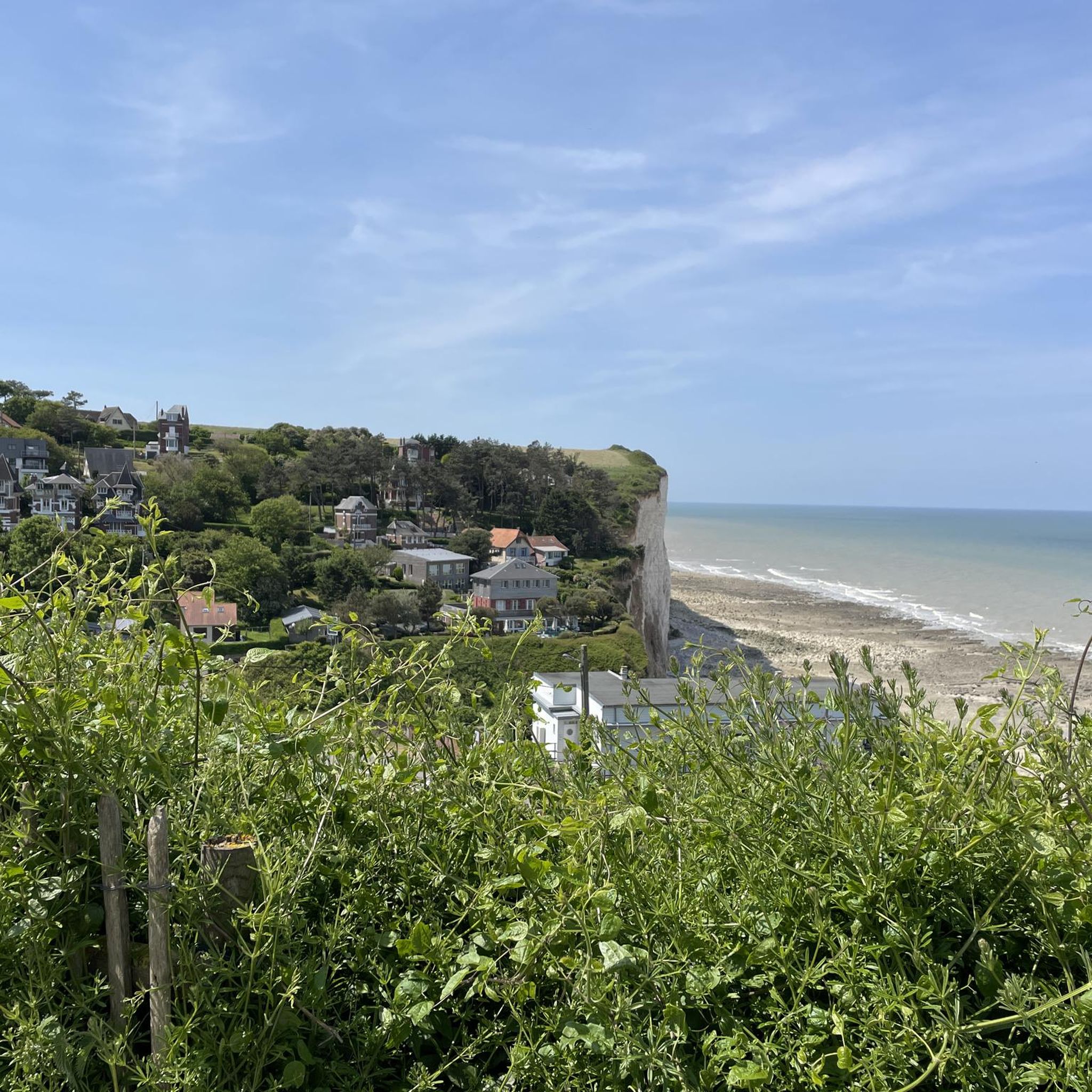
Ault Chalk Cliffs
Highlight • Natural Monument
Translated by Google •
Tip by

Sign up now to discover places like this
Get recommendations on the best single tracks, peaks, & plenty of other exciting outdoor places.
Saint Martin's Church
Highlight • Other
Translated by Google •
Tip by
La Cise Cliff
Highlight • Natural Monument
Translated by Google •
Tip by

Cliffs of Ault
Highlight • Natural Monument
Even if the city has lost its splendor, the site is impressive, because to the north, the plain of …
Translated by Google •
Tip by

Sign up for free to discover even more attractions around Tully.
Already have an account?
Start today with a free account
Your next adventure awaits.

Tips from the Community


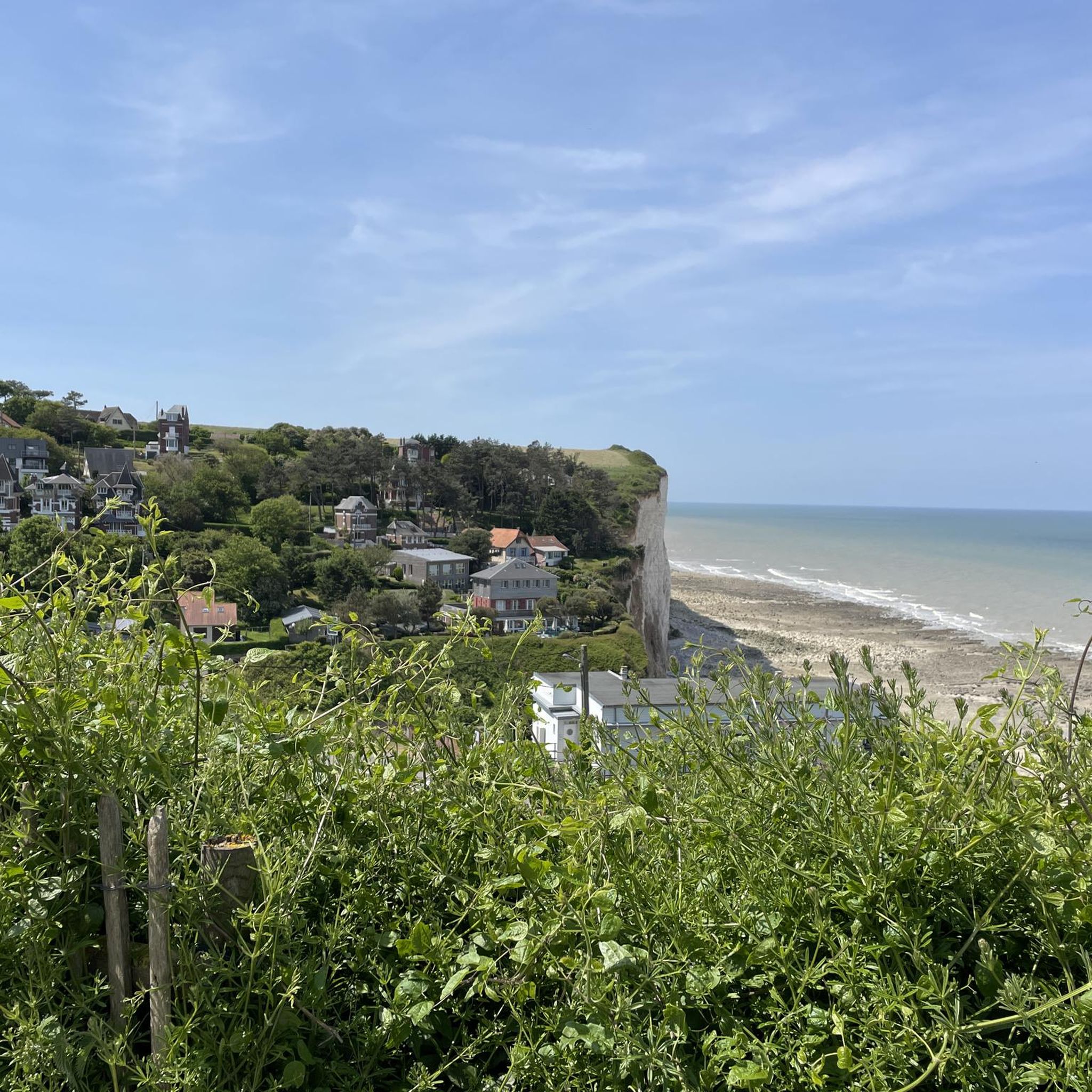
The current church, built in 1928 in the Romanesque-Byzantine style, is located in the oldest quarter of the city. It has a Latin cross plan, oriented northwest and southwest. The roof is slate, and the nave is covered with long sides and open gables. It features flamboyant stained-glass windows, a listed 17th-century altarpiece, and a Saint Martin's effigy.
0
0

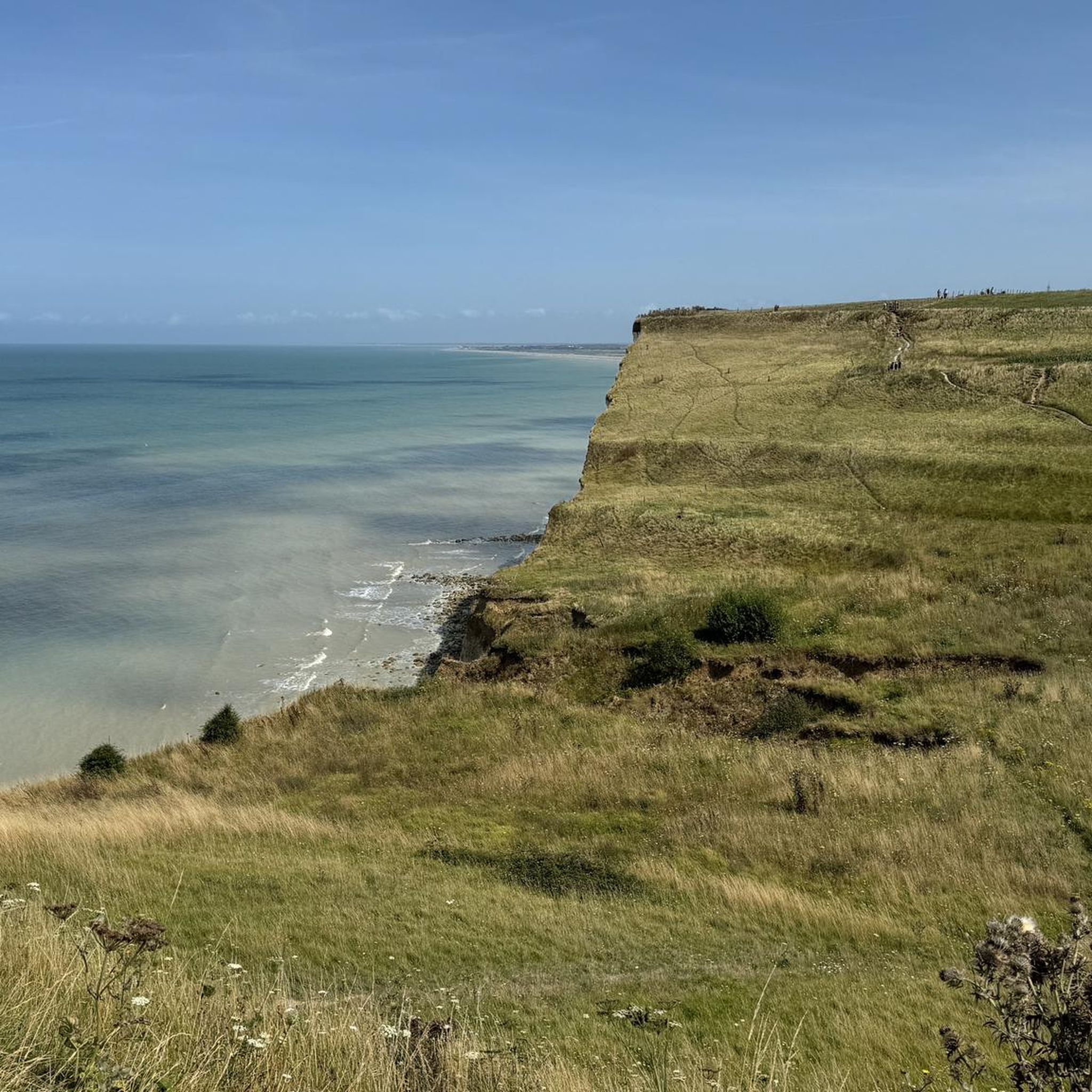
The cliffs are made of chalk and are impressive to look at.
3
0
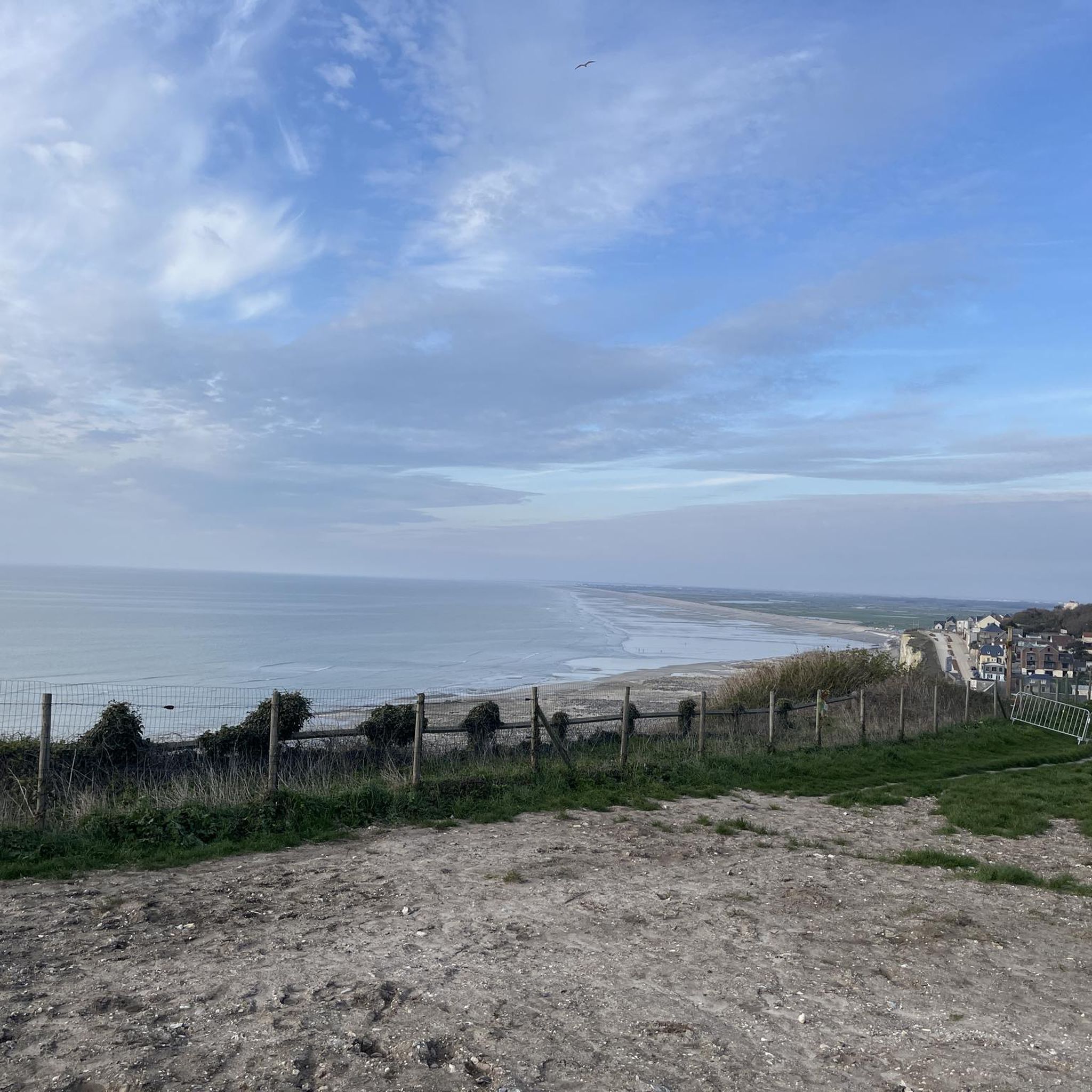
Here in Ault begin the chalk cliffs, which stretch all the way to Normandy and repeatedly appear as enormous cliffs.
4
0
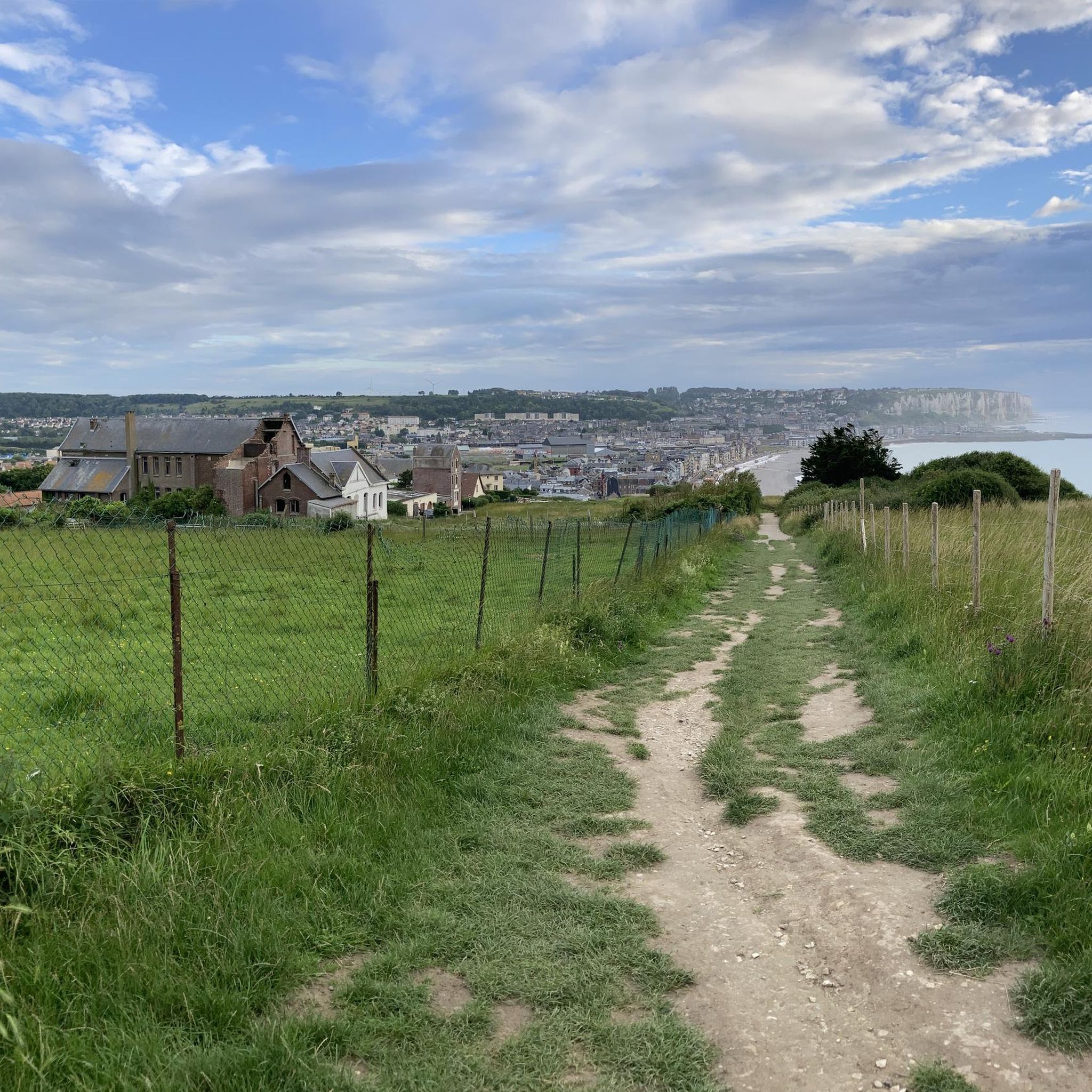
The church is located in the oldest part of the city. From here, you can enjoy a magnificent view of the city.
4
0


The cliffs around the beach of Ault are composed of chalk from the Upper Cretaceous, more precisely from the Turonian and Coniacian (around 83 million years ago to 90 million years ago). They are strewn with flint nodules which highlight the subhorizontal stratification planes (the formation of flint has already been discussed in Discovery of the geology of the cliffs of Étretat, presentation of an excursion from the beach of Tilleul (Antifer) to the Porte d'Amont (Étretat Nord)). The relative proportion of chalk and flint is around 90-95% chalk to 5-10% flint. Flint horizons are stratigraphic markers. On the cliffs of Ault, the regular flint band called Seven Sisters is recognizable and characterizes the boundary between the Middle Coniacian and the Upper Coniacian (around 87 million years ago). The boundary between the lower and middle Coniacian is marked by the Shoreham 2 marl level, which is more difficult to identify. These lithostratigraphic markings allow in particular the correlation of distant deposits, such as between the Normandy and Picardy coasts, or between the French and English coasts.
3
0
The cliffs around the beach of Ault are composed of chalk from the Upper Cretaceous, more precisely from the Turonian and Coniacian (around 83 million years ago to 90 million years ago). They are strewn with flint nodules which highlight the subhorizontal stratification planes (the formation of flint has already been discussed in Discovery of the geology of the cliffs of Étretat, presentation of an excursion from the beach of Tilleul (Antifer) to the Porte d'Amont (Étretat Nord)). The relative proportion of chalk and flint is around 90-95% chalk to 5-10% flint. Flint horizons are stratigraphic markers. On the cliffs of Ault, the regular flint band called Seven Sisters is recognizable and characterizes the boundary between the Middle Coniacian and the Upper Coniacian (around 87 million years ago). The boundary between the lower and middle Coniacian is marked by the Shoreham 2 marl level, which is more difficult to identify. These lithostratigraphic markings allow in particular the correlation of distant deposits, such as between the Normandy and Picardy coasts, or between the French and English coasts.
2
0
Frequently Asked Questions
What unique architectural attractions can I explore around Tully?
The most prominent architectural attraction is the Belle Époque houses of Mers-les-Bains. This historical site features around 300 villas built in an Art Nouveau style, characterized by metal or wood balconies, round bay windows, colorful facades, and exuberant ornaments. These houses reflect the exclusive tourism boom of the late 19th century.
Where can I find stunning natural coastal landscapes near Tully?
You can experience impressive natural coastal landscapes at the Ault Chalk Cliffs, which offer breathtaking views of chalk cliffs along the coast and a sandy beach at low tide. Another must-see is La Cise Cliff, a stunning white chalk cliff overlooking the sea, strewn with flint nodules that highlight its unique geological formations.
Are there any historical or cultural sites worth visiting in the Tully area?
Beyond the architectural heritage of the Belle Époque houses, you can visit Saint Martin's Church in Mers-les-Bains. This Roman-Byzantine style church, built in 1928, retains a 17th-century altarpiece and flamboyant stained glass windows, offering a glimpse into the region's cultural history.
What is the Bois de Cise, and what can I do there?
The Bois de Cise is an exceptional natural site, a coastal wood listed as a picturesque site since 1959. It offers breathtaking views of the cliffs and the sea. You can explore it on foot along small paths and wooden stairs, discovering elegant Belle Époque villas and enjoying a peaceful atmosphere. It's also a great spot for trail running.
Are there family-friendly attractions around Tully?
Yes, the Belle Époque houses of Mers-les-Bains are considered family-friendly. Strolling along the seafront promenade and adjoining streets to admire the diverse architecture of these historic villas can be an engaging activity for all ages. The area also hosts the 'feast of the bathers' in late July/early August, where people dress in Belle Époque fashion, offering a lively cultural experience.
What cycling opportunities are available near the attractions around Tully?
The Tully area offers various cycling opportunities. You can find numerous routes for general cycling, including options like the 'Cayeux-sur-Mer Church – Segment Gravel Hautebut loop'. For more details and routes, check out the Cycling around Tully guide.
Are there options for gravel biking in the Tully area?
Yes, gravel biking is a popular activity around Tully. Routes like the 'Cliffs – Eastern end of Falaises d'Albâtre, Ault coastal panorama loop' offer moderate challenges. Explore more options in the Gravel biking around Tully guide.
Can I find road cycling routes near Tully's attractions?
Absolutely. Road cycling enthusiasts can enjoy routes such as the 'Le Tréport Harbor – Château d'Eu loop' or the 'Cliffs of Ault – Ault Chalk Cliffs loop'. These routes vary in distance and difficulty. For a comprehensive list, refer to the Road Cycling Routes around Tully guide.
What do visitors particularly enjoy about the attractions around Tully?
Visitors frequently appreciate the unique blend of architectural heritage and stunning natural beauty. The Belle Époque houses are often highlighted for their outstanding ensemble and well-maintained period villas. The dramatic chalk cliffs, such as those at Ault and La Cise, are praised for their impressive views and unique geological formations. The community has shared 136 photos and given 290 upvotes, indicating a high level of satisfaction with the scenic and cultural offerings.
What makes the Belle Époque houses of Mers-les-Bains a must-see?
The Belle Époque houses of Mers-les-Bains are a must-see due to their exceptional Art Nouveau architecture. Built by wealthy Parisians and aristocrats, these 300 villas feature distinctive metal or wood balconies, round bay windows, colorful facades, and exuberant ornaments. The entire district was largely designated as a remarkable heritage site in 1986, preserving its unique historical charm.
What kind of views can I expect from the Ault Chalk Cliffs?
From the Ault Chalk Cliffs, you can expect impressive panoramic views of the chalk cliffs themselves, stretching along the coast. At low tide, a sandy beach is revealed at their base. The village of Ault, situated at the edge of these cliffs, also offers exceptional geographical perspectives over the English Channel and the surrounding natural beauty.
Are there any specific geological features to note at La Cise Cliff?
Yes, La Cise Cliff is composed of chalk from the Upper Cretaceous period, specifically from the Turonian and Coniacian stages (around 83 to 90 million years ago). It is notably strewn with flint nodules that highlight subhorizontal stratification planes. These flint horizons act as stratigraphic markers, allowing geologists to correlate deposits between different coastal areas.
Most popular attractions around Tully

Get inspired with the komoot mobile app


Explore more
Still not found the Highlight you’re looking for? See guides of the top attractions in other regions:
