The best road cycling routes around Saint-Quentin-Sur-Indrois
4.0
(19)
537
riders
99
rides
Road cycling around Saint-Quentin-Sur-Indrois, located in the Indre-et-Loire department of central France, offers routes through diverse landscapes. The region features fertile plateaus, river valleys including the Indrois, Indre, and Cher, and sections of the Forest of Loches. Terrain varies from gentle valley slopes to quiet rural roads and elevated areas within the forest, with the highest point reaching 127 meters. This area provides a network of cycling routes suitable for exploring the French countryside and historical sites.
Best road cycling…
Last updated: July 3, 2026
10
riders
Moderate road ride. Good fitness required. Some segments of this route may be unpaved and difficult to ride.
5.0
(1)
14
riders
34.3km
01:25
160m
160m
Moderate road ride. Great for any fitness level. Some segments of this route may be unpaved and difficult to ride.

Sign up for free
12
riders
69.1km
03:02
380m
380m
Moderate road ride. Good fitness required. Mostly well-paved surfaces and easy to ride.
5
riders
49.2km
01:59
230m
230m
Easy road ride. Great for any fitness level. Mostly well-paved surfaces and easy to ride.
7
riders
13.9km
00:38
70m
70m
Easy road ride. Great for any fitness level. Mostly well-paved surfaces and easy to ride.
Get access to more routes and recommendations from other explorers.
Sign up for free
Already have an account?
Our route recommendations are based on thousands of hikes, rides, and runs completed by other people on komoot.
Start today with a free account
Your next adventure awaits.
Login or Signup
Tips from the Community

Did you know: During the First World War, the castle was converted into a hospital for wounded soldiers by its owner, Simonne Menier (of the Menier chocolate family). – Long rows of camp beds lined the large gallery above the Cher River. – More than 2,000 wounded were reportedly cared for within the castle walls. A bizarre contrast: the ornate Renaissance halls as a place for bandages, operations, and recovery.
3
0

Very pretty village, pleasantly flowery. The detour is worth it!
0
0

Chédigny, THE remarkable garden village, and its Curé garden. Each year the Chédigny Rose Festival is held towards the end of May.
0
0

great discovery of this “garden village”👌🏻👍🏻🌸🪷🌷🌺
0
0

Inspired by a Venetian Palace, it was Catherine de Medici who gave Chenonceau its unique architecture. This Renaissance masterpiece, nicknamed the "Château des Dames" is also exceptional for the richness of its history. In 1513, Katherine Briçonnet directed the construction work. Then it was successively embellished by Diane de Poitiers, the King's mistress, initiator of the bridge and Catherine de Medici who imagined the two refined galleries that span the river. It was François 1er who married the Florentine with his son Henri II. By marrying him, this illustrious queen would make Chenonceau and the court of France shine with all the Italian splendor. Obtained at the time of Diane de Poitiers' disgrace, this dream home has always been her favorite residence. She stayed there very often, offering her sons memorable parties. But Catherine had more ambitious plans, and wanted to make her "castle on the water" a grand residence of the Court. A true art gallery, Chenonceau is also distinguished by the wealth of its collections, tapestries and paintings by the greatest European masters of the 16th, 17th and 18th centuries. The Médicis gallery is a Cabinet of Curiosities that also presents many treasures, as well as documents allowing a better understanding of the stages of construction and the highlights of the history of the château. In 2019, to celebrate "500 years of Renaissance" and pay tribute to Catherine de Médicis, the château opened a new place to the public: "The Queen's Apothecary", the only one presented in a monument in the Loire Valley. Restored "in situ" for 3 years, it houses priceless sets of precious pots, paintings and mortars. Visiting Chenonceau also means discovering sumptuous historic gardens, a new contemporary garden, as well as a Labyrinth and a Flower Vegetable Garden. The 80-hectare park is home to many animals and birds living in freedom. Visitors can walk there freely, with their pets, because the castle is Pet Friendly. In 2020: The “Cabinet of Physics and Chemistry of Chenonceau”, created by Jean Jacques ROUSSEAU in the 18th century, will open its doors to the public, and the summer Night Walk will be enriched with new illuminations.
3
0

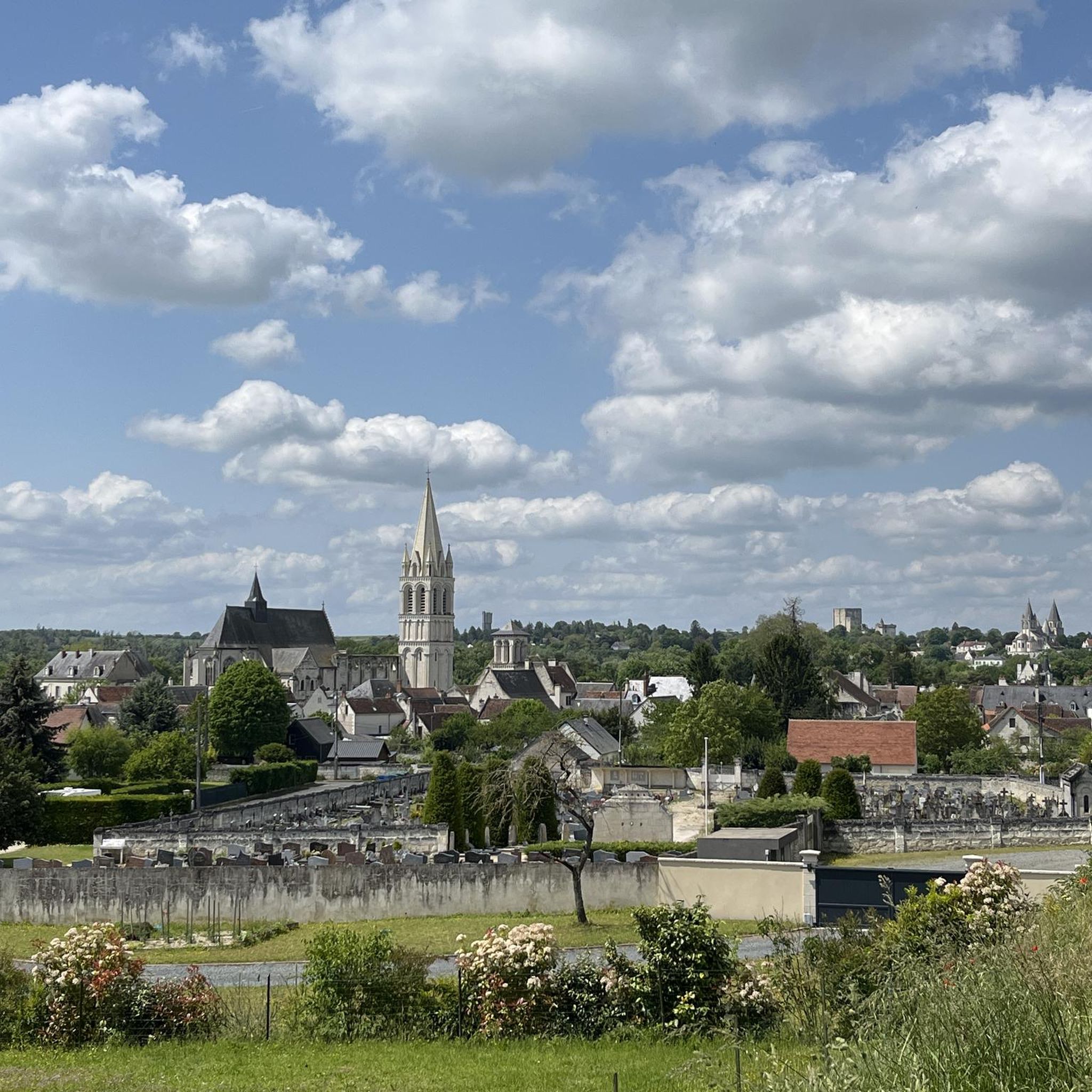
A charming little town nestled on the banks of the Indre, Montbazon stands out with its medieval character. Its small streets lead to shops of all kinds. The most remarkable remains the imposing fortress in the heart of the city, built from 991 and today accessible to the public. For pilgrims who frequent the Via Turonensis, a number of accommodations, including a campsite on the other side of the Indre, are available in Montbazon.
0
0

The Chateau de Louroux, or priory of Louroux, is a fortified priory in the 13th century, dependent on the abbey of Marmoutier. The priory housed the Benedictine monks who had the pond dug to provide them with fish and create a water reserve for their mill. The castle can only be visited from the outside.
0
0
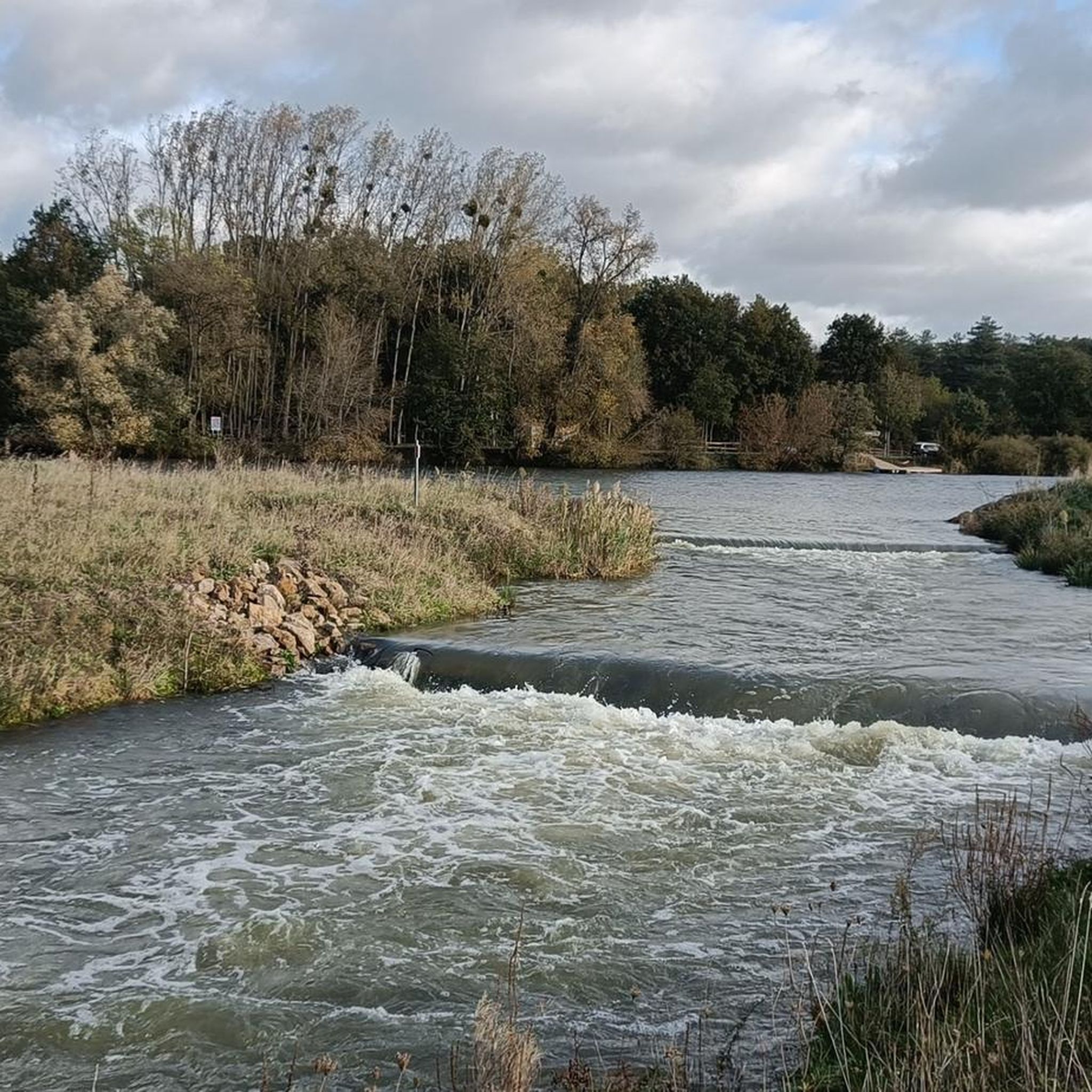
The Louroux pond site is made up of two ponds: the Reed Pond, which resulted from the construction of a dike by the monks in the 11th century, and the Beaulieu Pond. The natural area of the Louroux pond is a wetland which hosts a great diversity of species. Fish raised in the body of water are the subject of large traditional fisheries.
0
0
Frequently Asked Questions
How many road cycling routes are available around Saint-Quentin-Sur-Indrois?
There are nearly 100 road cycling routes available in the Saint-Quentin-Sur-Indrois area. These routes offer diverse experiences, ranging from easy loops to more moderate distances, catering to various ability levels.
What kind of terrain can I expect on road cycling routes near Saint-Quentin-Sur-Indrois?
The region offers diverse landscapes for road cycling. You'll find routes through the gentle slopes of the Indrois, Indre, and Cher river valleys, as well as quiet rural roads traversing the Champeigne tourangelle plateau. There are also elevated sections within the Forest of Loches, with the highest point reaching 127 meters, providing varied and enjoyable experiences.
Are there family-friendly road cycling routes in the Saint-Quentin-Sur-Indrois area?
Yes, the area is very conducive to family cycling. The gentle terrain of the river valleys and quiet rural roads make it suitable for various skill levels. There are nearly 30 easy routes available, such as The Village of 1000 roses – Loches Public Garden loop from Chédigny, which offers gentle elevation gains through picturesque rural settings.
What historical landmarks and attractions can I visit while road cycling around Saint-Quentin-Sur-Indrois?
The region is rich in history and offers proximity to several famous Loire Valley châteaux. You can cycle past or visit magnificent sites like Château de Chenonceau, Loches, Montrésor, Amboise, and Montpoupon. Routes like The Village of 1000 roses – Chenonceau Castle loop from Saint-Quentin-sur-Indrois specifically include views of these historical treasures.
Are there any circular road cycling routes available?
Yes, many of the road cycling routes around Saint-Quentin-Sur-Indrois are designed as loops, allowing you to start and finish in the same location. Examples include The Village of 1000 roses – Loches Public Garden loop from Chédigny and The Village of 1000 roses – Chenonceau Castle loop from Saint-Quentin-sur-Indrois, offering convenient exploration of the region.
What is the best time of year for road cycling in Saint-Quentin-Sur-Indrois?
The Centre-Val de Loire region generally offers pleasant cycling conditions from spring through autumn. The gentle terrain and quiet rural roads are enjoyable during these seasons, allowing you to fully appreciate the picturesque landscapes and historical sites.
What do other road cyclists enjoy most about cycling in Saint-Quentin-Sur-Indrois?
The area is highly rated by the komoot community, with an average score of 4.1 stars from over 18 reviews. Reviewers often praise the diverse terrain, the quiet rural roads, and the opportunity to cycle through historical landscapes and past magnificent châteaux, making the journey as rewarding as the destination.
Are there any routes that follow river valleys?
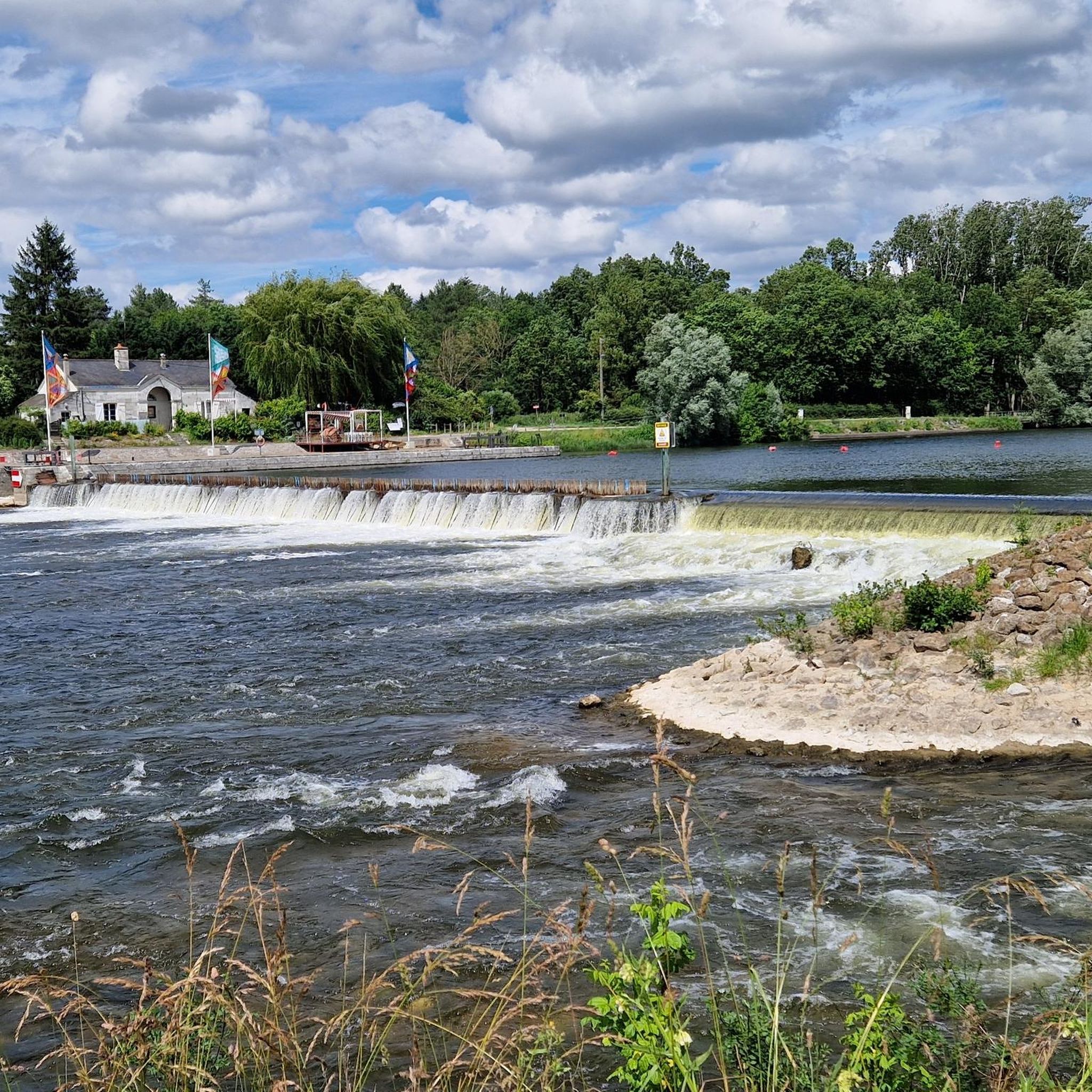
Absolutely. Saint-Quentin-Sur-Indrois is situated at the intersection of several river valleys, including the Indrois, Indre, and Cher. Many routes, such as the Château de Chenonceau – Bléré loop from Sublaines, lead through these valleys, offering scenic views and often gentler gradients.
Where can I find places to stop for refreshments or accommodation along the routes?
The tranquil countryside of Saint-Quentin-Sur-Indrois and its surrounding villages offer various options for cyclists. While specific cafes or pubs on every route aren't listed, the presence of small hamlets and proximity to towns like Loches and Chenonceau suggest opportunities for refreshment and accommodation. The region's focus on tourism, especially cycling, means you'll likely find welcoming establishments.
Are there any easy road cycling routes for beginners?
Yes, the region offers a good selection of easy routes suitable for beginners. With nearly 30 easy routes available, you can enjoy gentle elevation gains through picturesque rural settings. An excellent option is Château de Reignac loop from Azay-sur-Indre, which is a shorter, less demanding ride.
Can I combine road cycling with visiting other natural features?
Yes, the region's natural features are often integrated into cycling routes. You can explore the rich hydrographic network of the Indrois River and its streams, which feature wetlands and provide scenic routes. The Forest of Loches also offers shaded paths and varied terrain that can be part of your cycling adventure.
What are some longer road cycling options for more experienced riders?
For those seeking longer distances, there are numerous moderate routes available. For example, The Village of 1000 roses – Chenonceau Castle loop from Saint-Quentin-sur-Indrois is a moderate 34.7 miles (55.9 km) path that includes varied terrain and views of the Loire Valley châteaux, providing a more challenging yet rewarding experience.
Most popular routes around Saint-Quentin-Sur-Indrois
Most popular attractions around Saint-Quentin-Sur-Indrois

Get inspired with the komoot mobile app


Explore more
Browse the best Road cycling routes in other regions.
