Attractions and Places To See around Saint-Groux - Top 14
Best attractions and places to see around Saint-Groux include its natural riverside environment along the Charente River and significant historical sites. This region in the Charente department of France offers a blend of natural beauty and cultural experiences. Visitors can explore local heritage through walking trails and discover historical monuments in the vicinity. The area provides opportunities to engage with both the landscape and historical architecture.
Best attractions and places to see around Saint-Groux
- The most popular attractions is Saint-Amant-de-Boixe…
Last updated: July 7, 2026
Saint-Amant-de-Boixe Abbey
Highlight • Other
Possibility of …
Translated by Google •
Tip by

Mansle
Highlight • Settlement
Translated by Google •
Tip by

Sign up now to discover places like this
Get recommendations on the best single tracks, peaks, & plenty of other exciting outdoor places.
Sign up for free
Saint-Denis Church
Highlight • Other
Translated by Google •
Tip by

Lichères Ferry on the Charente
Highlight • River
Please note, the ferry may be …
Translated by Google •
Tip by

Tusson
Highlight • Other
Translated by Google •
Tip by

Sign up for free to discover even more attractions around Saint-Groux.
Sign up for free
Already have an account?
Start today with a free account
Your next adventure awaits.
Login or Signup




Tips from the Community


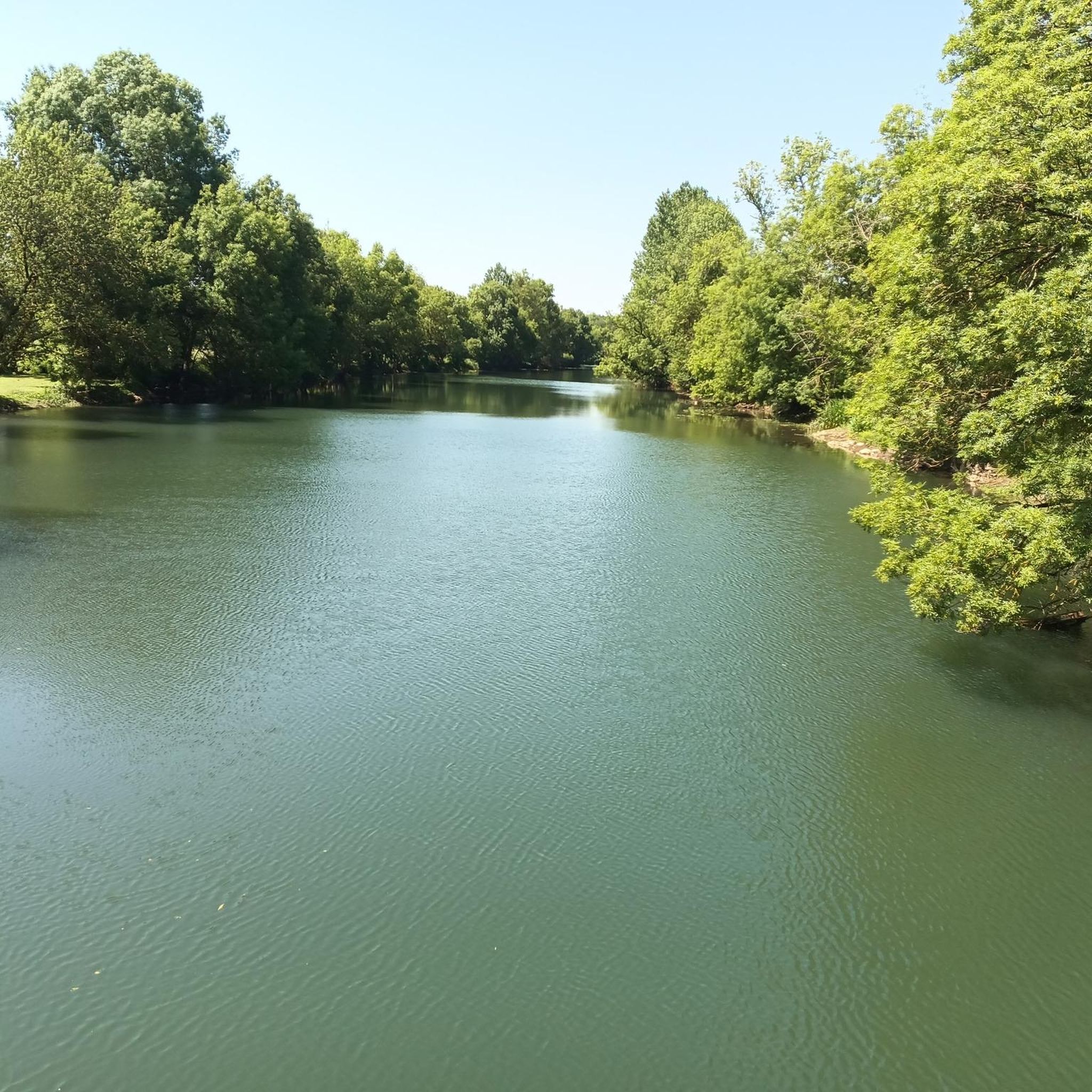
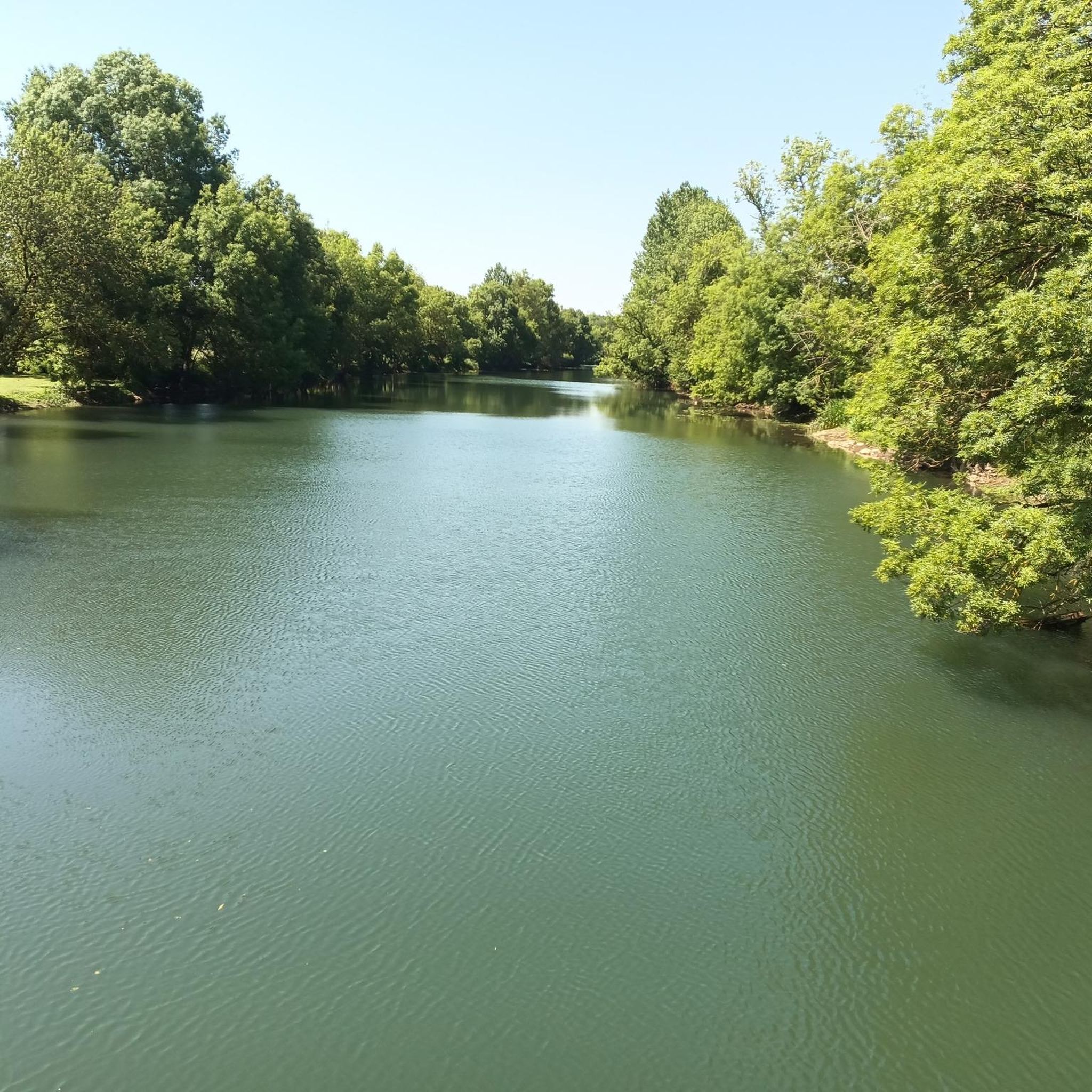
Wooden ferry from Lichères, which allows you to cross the Charente. A cable stretched across both banks allows hikers to cross the waters independently. Please note, the ferry may be immobilized during the harshest winter months. You will then have to return to the bridge, a little further south.
2
0

The town of Tusson is rich in a unique historical heritage. The four tumulus of Tusson date from the fifth century BC and have the particularity of being aligned. These prehistoric monuments made up of one or more blocks of stone and earth were then raised above certain graves. Those of Tusson are among the largest in Europe. The priory and its monastic garden are also worth a look and take you back in time. In addition, gourmets can sit at one of the restaurants or tea rooms in the town to enhance their break.
1
0

problem is, this is not in use or available until at least april, so you can't cross the river here in the winter months
1
0

This isolated church was built in the 8th century and is a good example of Romanesque architecture. After partially collapsing in the 18th century, it was restored in 1907 after being listed as a historical monument in 1903.
2
0
This isolated church was built in the 8th century and is a good example of Romanesque architecture. After partly collapsing in the 18th century, it was restored in 1907 after being classified as a historical monument in 1903.
3
0

The early 12th century church has all but disappeared, itself and the reconstructions have suffered from the military conflicts that have punctuated the centuries. You enter through an open portal in a facade which very well announces the architectural juxtapositions. These last give a particular charm to the building by their inconsistencies. They arouse curiosity and ultimately offer the visitor a certain degree of privacy. An organ with the original story has been installed. It is the ultimate work of Ivan Peychès (1906-1978), a genius scientific researcher but also a visual artist, musician and composer. Brilliant innovator in the field of applied sciences, he will build this instrument in his living room in ten years during his retirement.
1
0
Crossing the Charente can be done by ferry (with cables), and with the strength of the arms ...
0
0
Frequently Asked Questions
What historical sites can I visit near Saint-Groux?
The region around Saint-Groux is rich in history. You can explore the impressive Romanesque architecture of Saint-Amant-de-Boixe Abbey, which is listed as a historical monument. Another significant site is Saint-Denis Church, an isolated 8th-century church that showcases Romanesque design. Further afield, consider visiting the Tusson priory and its monastic garden, or the ancient Dolmen des Perottes, Neolithic funerary monuments near Juillé.
Are there natural attractions or trails to explore in Saint-Groux?
Yes, Saint-Groux is known for its natural riverside environment. The Sentier d'interprétation de l'Etouyer is a 3 km interpretive trail along the Charente River, highlighting local flora, fauna, and fishing traditions. You can also combine this with a visit to the Goué meadow in Mansle, utilizing a chain ferry to cross the river. The Charente River itself is a central natural feature, offering scenic views and opportunities for relaxation.
What are some family-friendly activities available in the Saint-Groux area?
Families can enjoy the Sentier d'interprétation de l'Etouyer, an engaging interpretive trail along the Charente River. The Lichères Ferry on the Charente offers a unique and fun way to cross the river. Additionally, game booklets for children are available at the Mansle and Saint-Groux town halls and local tourist offices, encouraging interactive exploration of the region's natural and cultural offerings.
When is the best time to visit Saint-Groux attractions?
The region is generally pleasant for outdoor activities from spring through early autumn. The Lichères Ferry on the Charente, for example, is typically available from April onwards, so visiting outside of the harshest winter months is recommended for full access to all attractions and activities.
Are there opportunities for hiking or walking near Saint-Groux?
Absolutely. Saint-Groux and its surroundings offer several walking and hiking options. The 'Prairie de Goué and Saint-Groux Loop' is a moderate 12.9 km hike. For an easier option, consider the 'Dolmen "Old Woman's House" – Dolmen des Perottes loop from Juillé,' which is 7.59 km. You can find more hiking routes in the Hiking around Saint-Groux guide.
Can I find places to eat or refuel near the attractions?
Yes, the settlement of Mansle offers opportunities to refuel and enjoy time on the banks of the Charente, with shops and amenities. The town of Tusson also has restaurants and tea rooms where you can take a break.
What unique cultural experiences does the region offer?
Beyond the historical monuments, the region offers unique cultural insights. The 'L'invasion des Cagouilles' (The Snail Invasion) Walk in Saint-Groux is part of a series of 'Nature and Heritage' walks in the Ruffécois region, showcasing local community efforts. The Maison des îles et du braconnier (House of Islands and the Poacher) in the Town Hall square is also visitable by prior arrangement, offering a glimpse into local heritage.
What kind of outdoor activities are available besides hiking?
Besides hiking, the area around Saint-Groux is excellent for running and cycling. You can explore various running trails, such as the 'Banks of the Charente Trail,' or embark on cycling routes like the 'Loop in the Bonnieure valley.' More options are available in the Running Trails around Saint-Groux and Cycling around Saint-Groux guides.
What do visitors particularly enjoy about the attractions around Saint-Groux?
Visitors appreciate the blend of natural beauty and historical significance. The imposing Romanesque style of Saint-Amant-de-Boixe Abbey and the charm of the 8th-century Saint-Denis Church are frequently highlighted. The opportunity to spend time on the banks of the Charente River, particularly in places like Mansle, is also a favorite among visitors.
Are there any significant ancient monuments to see?
Yes, near Juillé and Fontenille, you can visit the Dolmen des Perottes, including the Petite Pérotte and Grosse Pérotte. These are significant Neolithic funerary monuments dating back 4500 to 4000 years BC, offering a fascinating look into prehistoric times.
Is there a way to cross the Charente River for hikers and cyclists?
Yes, the Lichères Ferry on the Charente provides a unique way to cross the river. This wooden ferry uses a cable system, allowing hikers and cyclists to cross independently. Please note that it may be immobilized during the harshest winter months, typically available from April.
What are some notable castles or larger towns to visit nearby?
While Saint-Groux is smaller, several significant sites are within a short drive. The most important castle in Charente, Château de La Rochefoucauld, is about 23 km southeast. The city of Angoulême, approximately 25 km to the south, is also a favorite in Charente, known for its interesting historic monuments.
Most popular routes around Saint-Groux

Get inspired with the komoot mobile app


Explore more
Still not found the Highlight you’re looking for? See guides of the top attractions in other regions:
