The best walks and hikes around Laveyrune
4.6
(290)
2,473
hikers
17
hikes
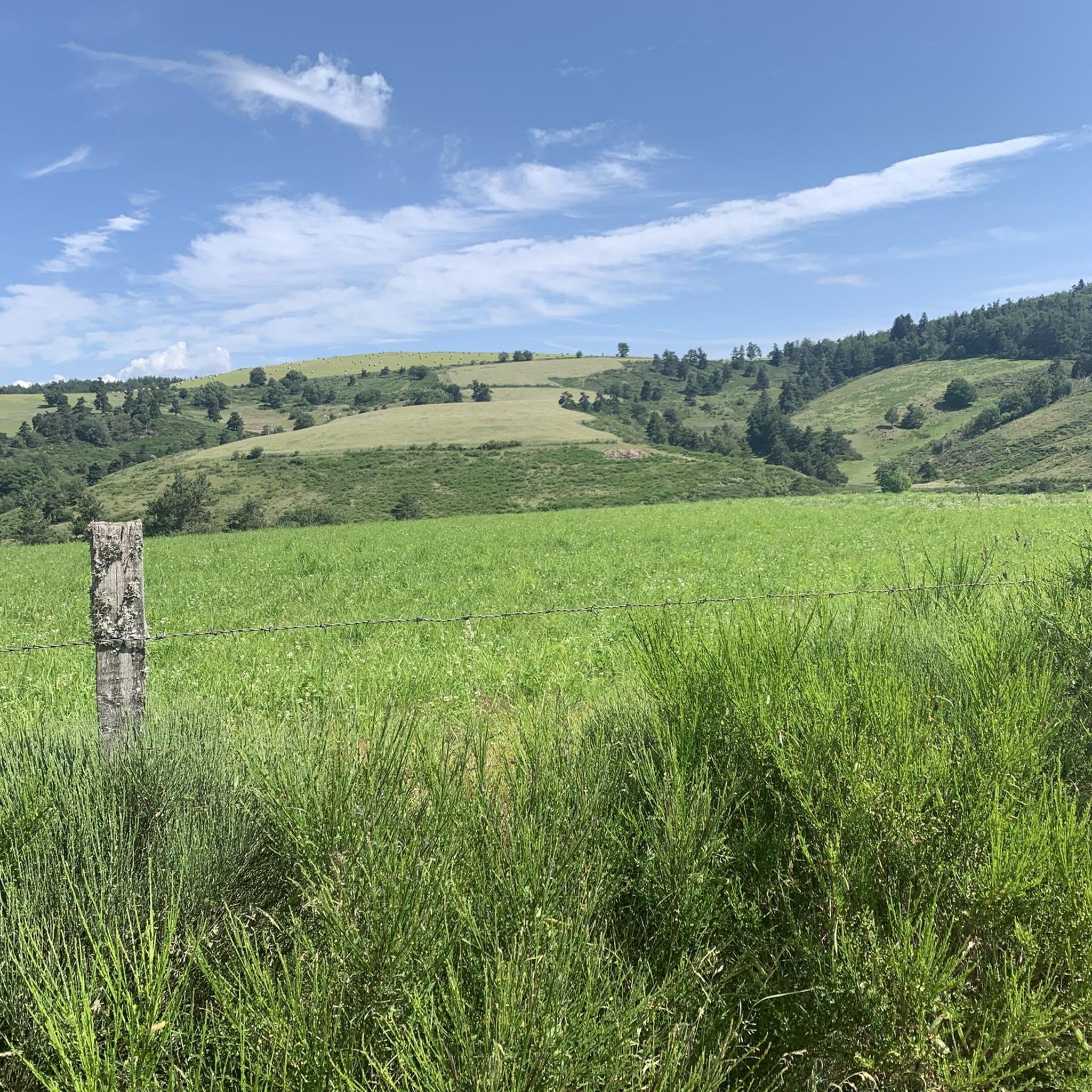
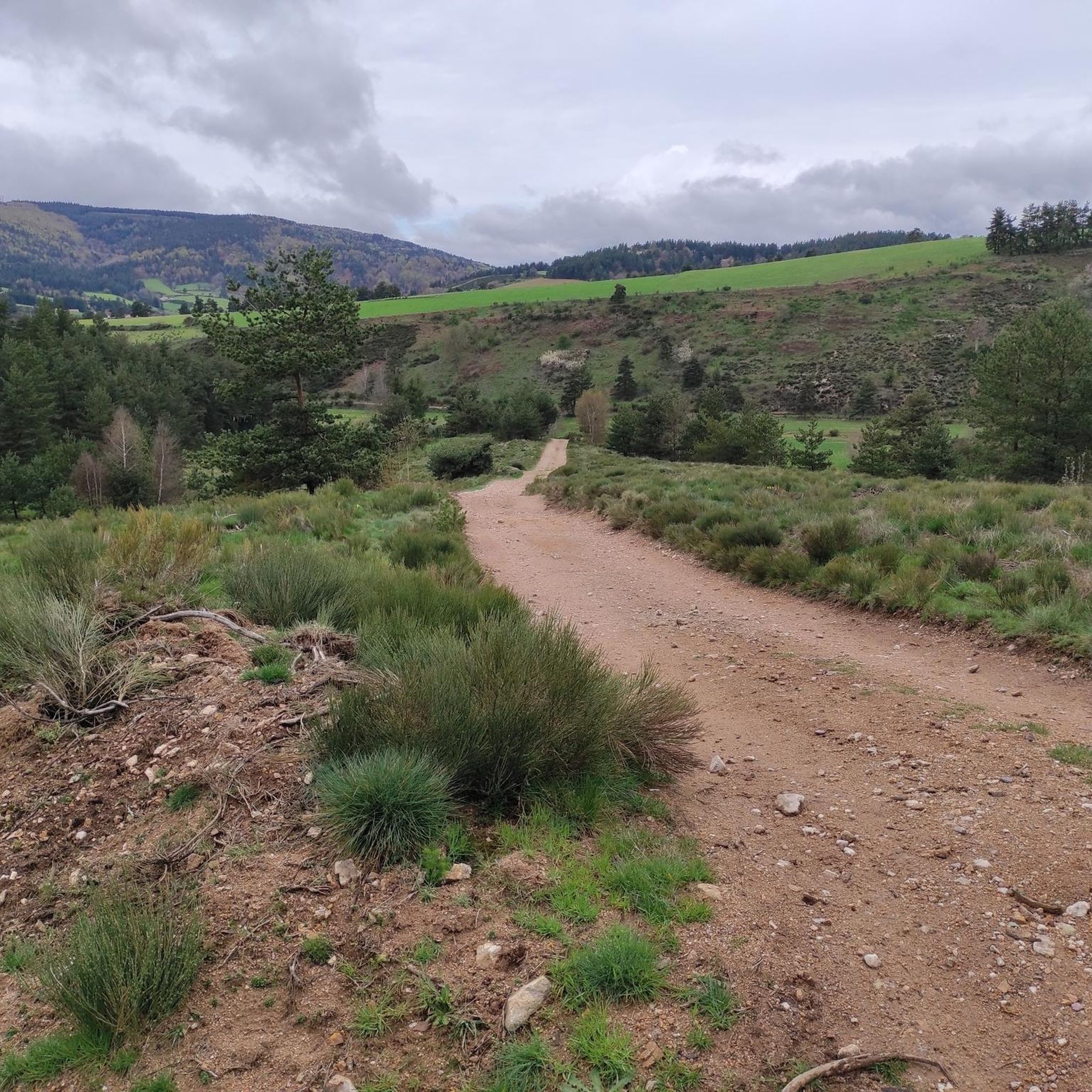
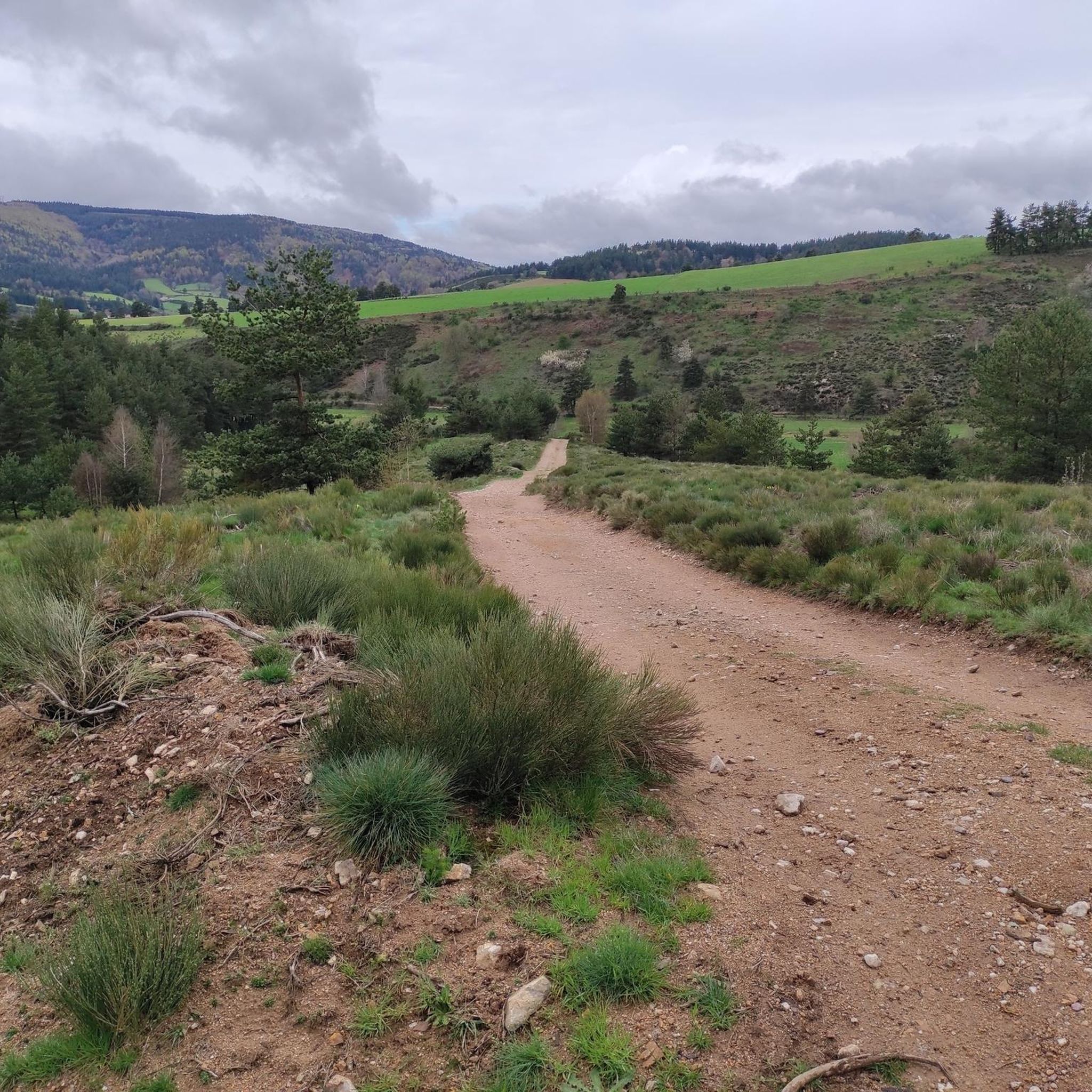
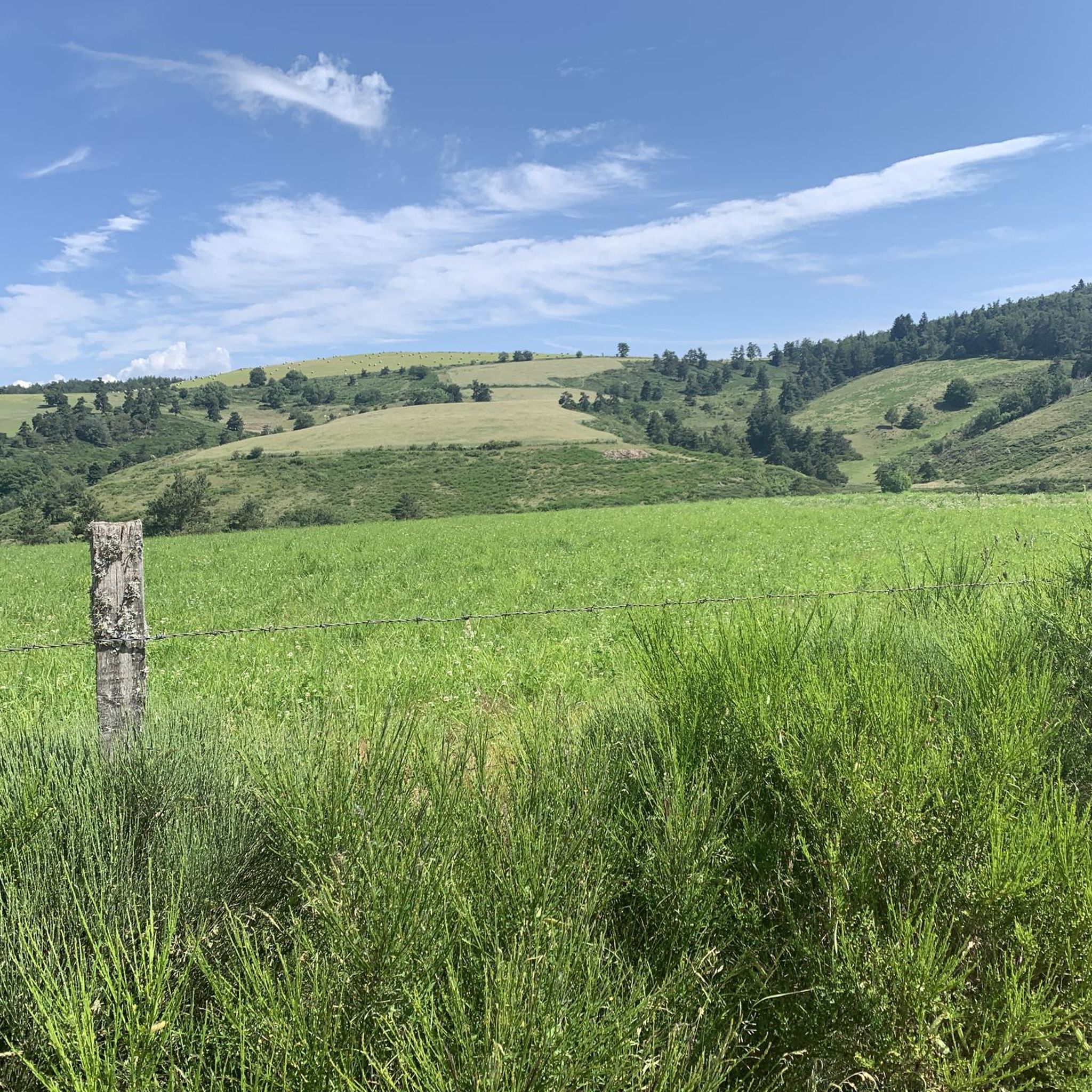
Hiking around Laveyrune offers diverse terrain within the Ardèche department, characterized by its waterways flowing into the Allier river. The region features an elevated position with altitudes ranging from 974 to 1365 meters, contributing to varied landscapes ideal for exploration. This area provides access to mountainous terrain, including nearby peaks like Tanargue and Mont Lozère, as well as distinctive geological formations and extensive forests.
Best hiking trails around Laveyrune
- The most popular hiking route is La Bastide-Puylaurent – 17th-century laundry…
Last updated: June 29, 2026
4.7
(31)
230
hikers
Hard hike. Very good fitness required. Easily-accessible paths. Suitable for all skill levels.
4.6
(20)
208
hikers
25.2km
07:12
590m
590m
Hard hike. Very good fitness required. Easily-accessible paths. Suitable for all skill levels.

Sign up for free
41
hikers
16.9km
04:53
440m
440m
Moderate hike. Good fitness required. Easily-accessible paths. Suitable for all skill levels.
31
hikers
15.8km
04:47
530m
530m
Moderate hike. Good fitness required. Easily-accessible paths. Suitable for all skill levels.
4.7
(3)
29
hikers
27.0km
07:50
700m
700m
Hard hike. Very good fitness required. Easily-accessible paths. Suitable for all skill levels.
Get access to more routes and recommendations from other explorers.
Sign up for free
Already have an account?
Our route recommendations are based on thousands of hikes, rides, and runs completed by other people on komoot.
Start today with a free account
Your next adventure awaits.
Login or Signup
Popular around Laveyrune
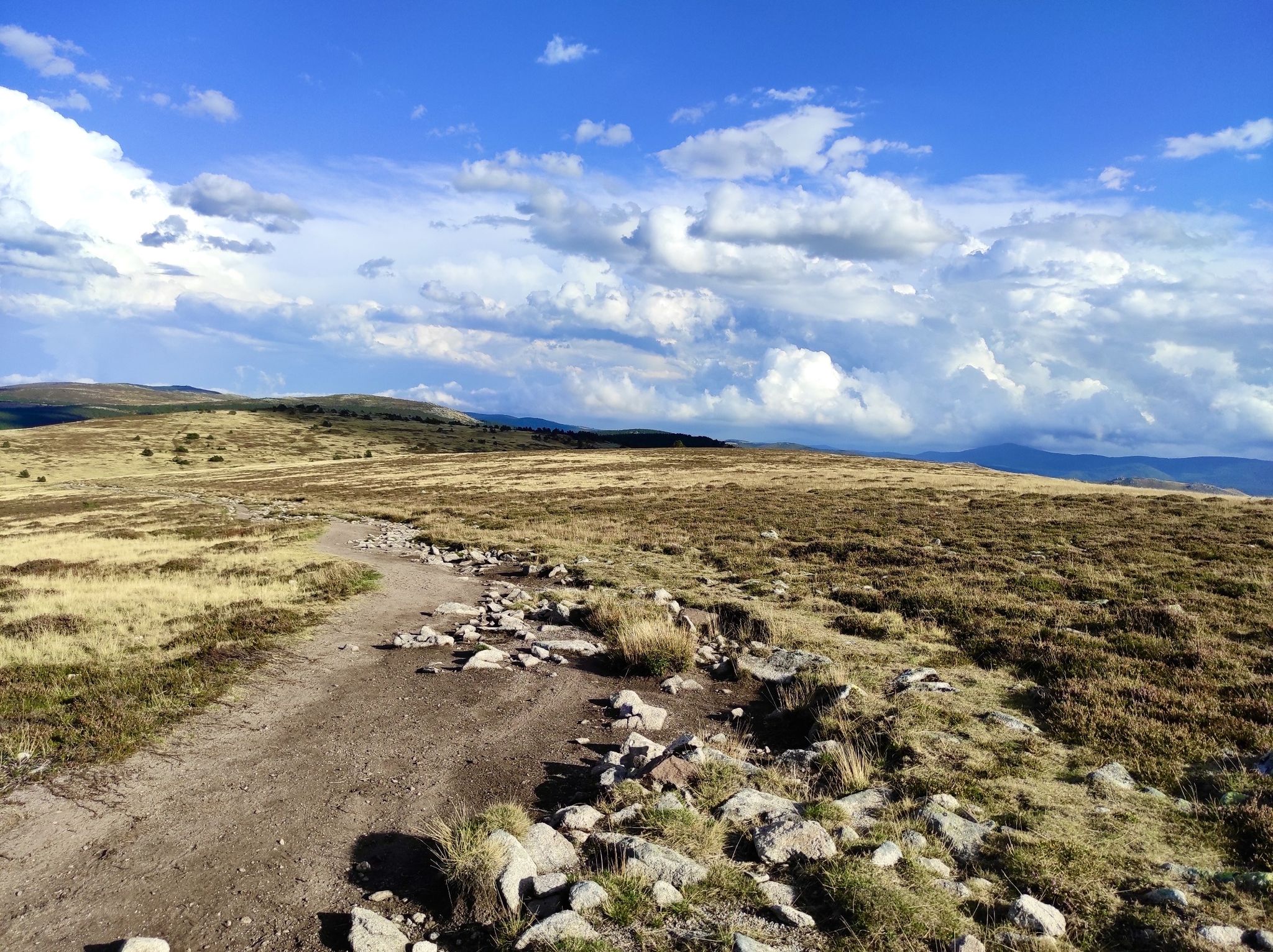
In the footsteps of Modestine — the Stevenson Trail (GR 70)
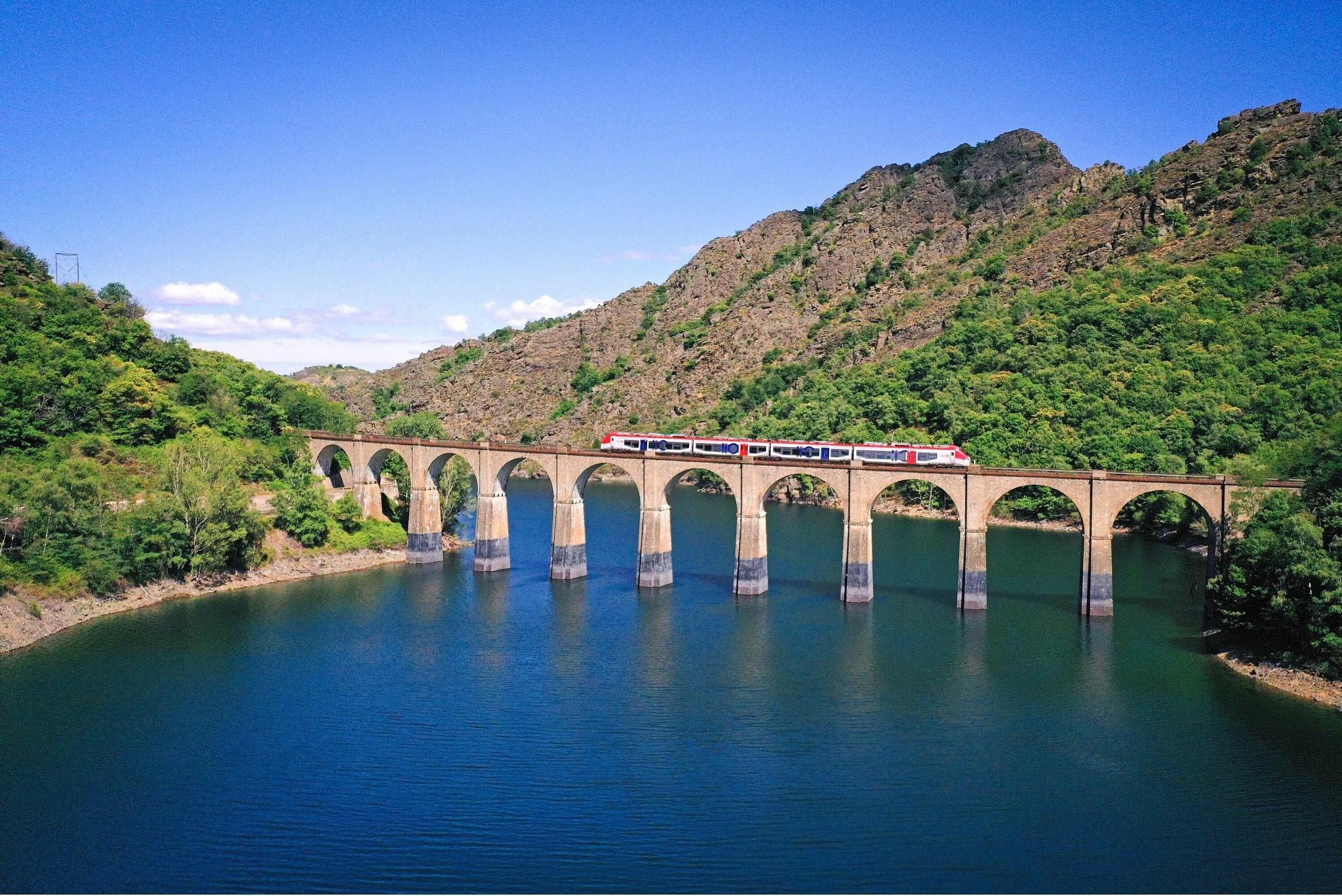
Routes between Nîmes and Mende – cycling by train with liO
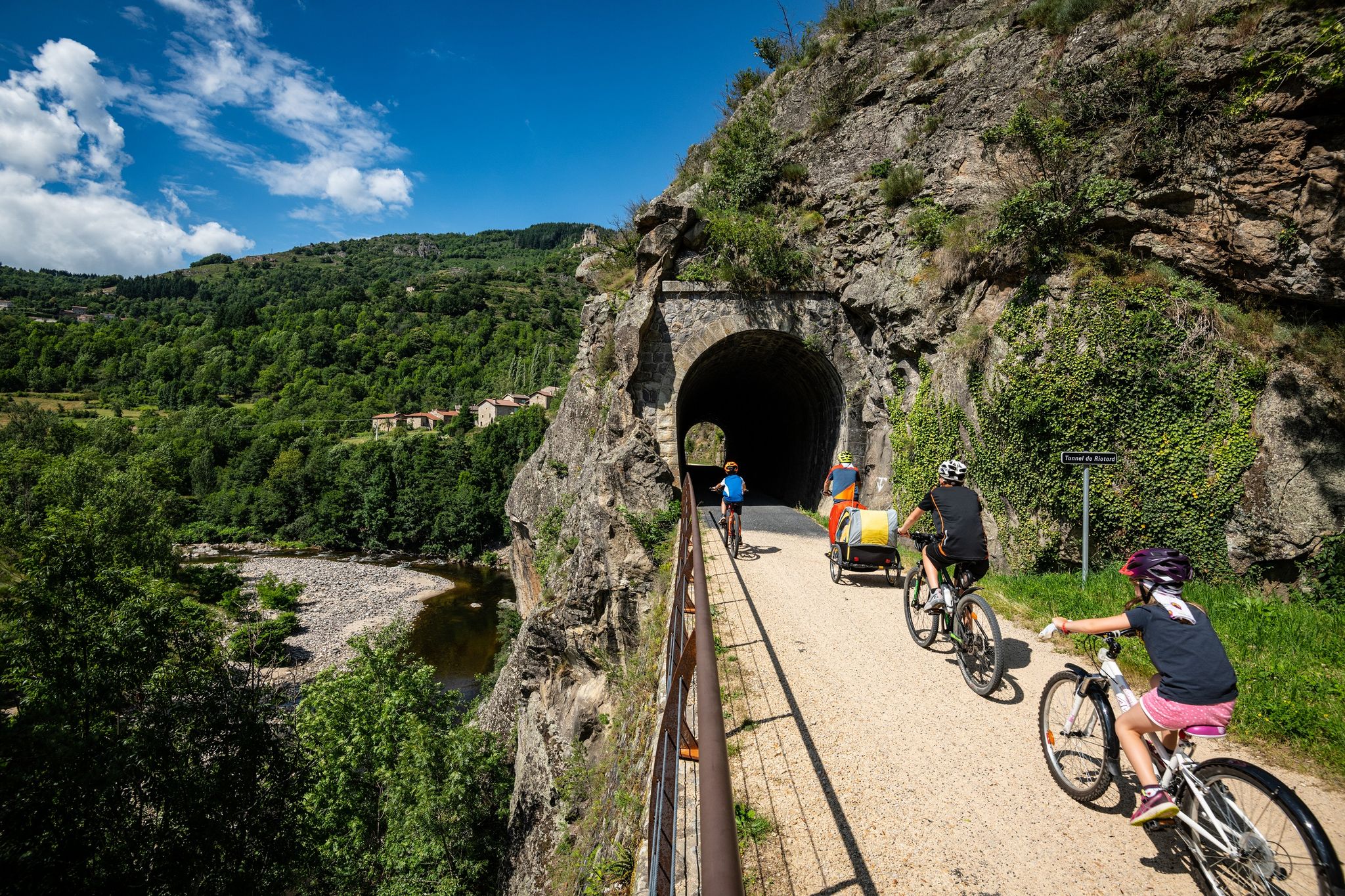
Cycle routes in the footsteps of the railway in the Ardèche
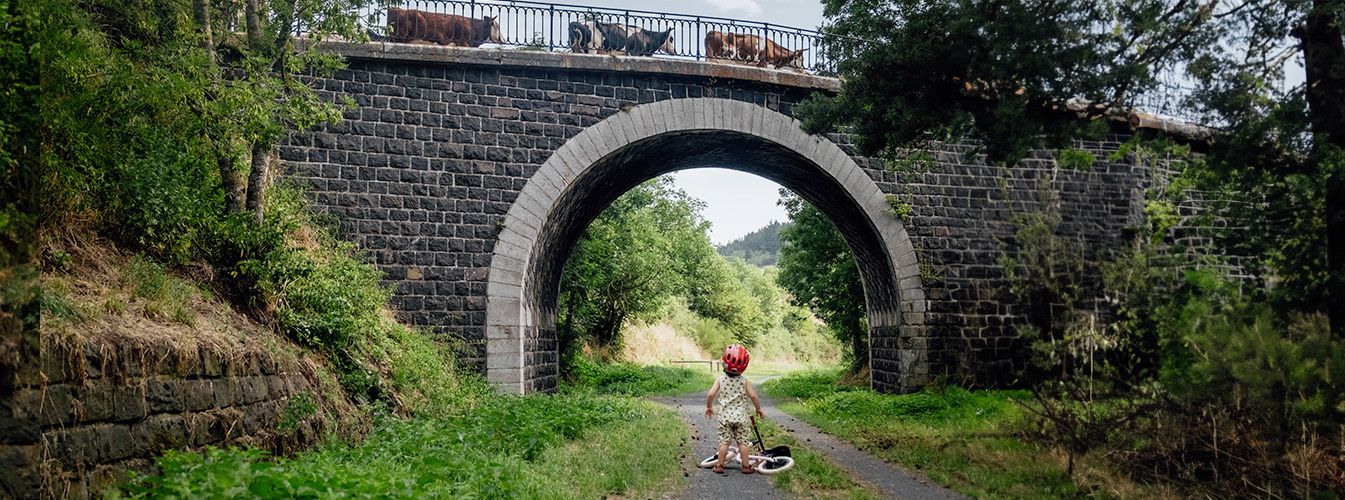
‘La Joyeuse Vadrouille’ – two months cycling with the family
Running Trails around Laveyrune
Cycling around Laveyrune
Road Cycling Routes around Laveyrune
MTB Trails around Laveyrune

Gravel biking around Laveyrune
Other adventures around Laveyrune


Tips from the Community

The acoustics are incredibly good!
1
0

I would like to know if a kind hiker could give me a contact on the possibility of stopping at the Notre Dame des neiges abbey to spend a night on the GR 70 route
0
0

Chasseradès is home to the Saint-Blaise church, a 12th century building. This Romanesque church is famous for its comb bell tower and its medieval frescoes. A historic place and an attraction for those who follow the Stevenson Trail or cross the Cévennes.
2
0

In the village of Luc, the Romanesque church surprises me. It's open and it takes a little getting used to the little light that comes through the small windows. This is typical of these old Romanesque vaults. But it is surprising that this church has two floors. A wide gallery not only in the rear area but also left and right up to the chancel! It must have been planned that way from the start because the windows are also arranged on two levels.
5
0
In 1978, a few friends founded an association to safeguard and enhance the Château de Luc. Its purpose is to preserve and restore these vestiges, but also to deepen their history and make it known to the public. The work carried out jointly, association and successive municipal teams allowed the restoration of the keep in 1994 with the installation of orientation tables, then that of the main building in 2008 thus allowing the organization of animations at the Castle. THE MUNICIPALITY OF LUC AND THE ASSOCIATION OF FRIENDS OF THE CHÂTEAU DE LUC INVITE VISITORS TO RESPECT THESE PLACES THAT WILL SEE OUR HISTORY.
4
0
Around 1380, during the Hundred Years War, a large troop of Englishmen and road warriors tried to seize it, but in vain. During the Wars of Religion, a garrison on foot and on horseback was installed in this fortress to defend the region. Luc's castle seems to have been dismantled around 1630, on the order of Richelieu. In 1878, a statue of Notre Dame de Luc was erected on the keep. A few months later, Robert Louis Stevenson, on his trip to the Cévennes, passed in front of the castle and stopped at Luc. The Revolution, the abolition of feudal rights, the harsh climate, the challenge of time had greatly degraded it.
4
0
LUC, from the Latin LUCUS "Sacred Wood", is one of the oldest inhabited sites in Gévaudan. In Celtic times, the promontory on which this castle stands today was a place of worship dedicated to the God Mercury who gave his name to the forest of Mercoire. From the 12th century, a fortified castle replaced the dwellings. It becomes one of the most important in the region. The first owners bear the title of Prince of Luc, Count of Luc. Enlarged over the alliances, it has kept despite its state the imposing signs of a military fortress. Guardian of the Chemin de Regordane, the pilgrimage route of Saint Gilles, a nerve center between the provinces of Gévaudan and Vivarais, it came under the bishop of Le Puy. But over the centuries, the preponderance of the Bishop of Mende was recognized and the castle passed under his suzerainty. Seat of a co-lordship with the lords Bourbal des Choisinets, Agrain des Hubacs, it successively belonged to the most illustrious families of the region.
4
0
An interesting 17th century washhouse, enlarged in 1885. Two similar buildings arranged to the left and right of a stream.
5
0
Frequently Asked Questions
How many hiking trails are available around Laveyrune?
Laveyrune offers a diverse network of over 15 hiking trails, catering to various skill levels. You'll find options ranging from easy strolls to challenging long-distance routes through the region's varied landscapes.
What kind of terrain can I expect on hikes near Laveyrune?
The terrain around Laveyrune is quite varied, reflecting its elevated position between 974 and 1365 meters. You can expect mountainous landscapes, particularly towards the nearby Tanargue and Mont Lozère, alongside lush forests, and areas shaped by waterways flowing into the Allier river. Unique geological formations, such as those found in the Bois de Païolive, also characterize the region.
Are there hiking routes suitable for beginners or families in Laveyrune?
Yes, Laveyrune offers several routes suitable for beginners and families. While many trails are moderate to difficult, there are at least two easy routes available. These typically feature gentler slopes and shorter distances, allowing everyone to enjoy the natural beauty of the Ardèche.
Can I find circular hiking routes around Laveyrune?
Many of the hiking routes around Laveyrune are designed as loops, offering convenient circular walks. For example, the Notre Dame de Neiges – La Bastide-Puylaurent loop from La Bastide - Saint-Laurent-les-Bains is a moderate 7.4 km trail that allows you to start and finish in the same location.
Are there any historical sites or landmarks to see while hiking?
Absolutely. The region around Laveyrune is rich in history. You can explore ancient paths that were once part of the Régordane way. Many routes pass by significant landmarks, such as Luc Castle, a prominent historical site. The Saint-Pierre Church of Luc – Luc Castle loop from Laveyrune is a great option for combining hiking with historical exploration.
Are there any hikes that feature waterfalls or lakes?
Yes, the Laveyrune area is known for its picturesque waterways. While not directly on all trails, notable natural features like the Cascade du Ray-Pic and Cascade de la Beaume are within reasonable distance and can be incorporated into your hiking plans. For a serene experience, the volcanic Auradoux Pond offers a tranquil setting for walks.
What do other hikers say about the trails in Laveyrune?
The hiking trails around Laveyrune are highly regarded by the komoot community, boasting an average rating of 4.6 stars from over 200 reviews. Hikers often praise the diverse landscapes, the sense of immersion in nature, and the well-maintained paths that lead through forests and offer panoramic views.
What are some of the more challenging hikes available?
For experienced hikers seeking a challenge, Laveyrune offers several difficult routes. The La Bastide-Puylaurent – 17th-century laundry loop from La Bastide - Saint-Laurent-les-Bains is a demanding 25.2 km trail with significant elevation gain, taking over 7 hours to complete. Another strenuous option is the Luc Castle – Notre Dame de Neiges loop from Laveyrune, a 28.1 km path featuring substantial ascents and descents.
Are there any specific viewpoints or summits I can hike to?
Yes, the mountainous terrain around Laveyrune provides opportunities for reaching scenic viewpoints and summits. The nearby Tanargue and Mont Lozère offer panoramic vistas. You can also find trails leading to points like Le Moure de la Gardille, which provides excellent views of the surrounding Ardèche landscape.
What is the best time of year to go hiking in Laveyrune?
Given Laveyrune's elevated position and diverse natural features, spring and autumn are generally ideal for hiking. During these seasons, the weather is typically mild, and the landscapes are particularly vibrant with blooming flora or rich autumnal colors. Summer can also be pleasant, especially at higher altitudes, but it's advisable to start early to avoid the midday heat.
Are there any long-distance routes or multi-day hiking options?
While specific multi-day routes are not detailed, the presence of historical paths like the Régordane way and the extensive network of trails, including longer difficult routes, suggests potential for combining sections for multi-day adventures. The region's proximity to larger massifs like Mont Lozère also opens up possibilities for extended exploration.
Most popular attractions around Laveyrune

Get inspired with the komoot mobile app


Explore more
Browse the best Hikes in other regions.
